


External Communication Strategy Powerpoint Ppt Template Bundles





Try Before you Buy Download Free Sample Product
 Impress Your
 Audience
 100%
100% Editable
 Save Hours
 of Time


Our External Communication Strategy Powerpoint Ppt Template Bundles are topically designed to provide an attractive backdrop to any subject. Use them to look like a presentation pro.
People who downloaded this PowerPoint presentation also viewed the following :
External Communication Strategy Powerpoint Ppt Template Bundles with all 17 slides:
Use our External Communication Strategy Powerpoint Ppt Template Bundles to effectively help you save your valuable time. They are readymade to fit into any presentation structure.







FAQs for External Communication Strategy Powerpoint
Honestly, start with figuring out who you're actually talking to - that's huge. Your messaging needs to match your brand obviously, but pick the right platforms where your people actually hang out. I'd say get a content calendar going so you're not scrambling every week. Crisis protocols are boring to set up but you'll be SO glad when things get messy (and they will). Track some basic metrics from day one or you'll have no clue what's working. The whole thing should feel connected - your emails, social posts, press stuff, whatever. Oh and definitely audit what you're doing now first to see where the gaps are.
Track the obvious stuff first - engagement rates, website traffic, social media reach. But honestly? Don't sleep on the qualitative side. Brand perception surveys and stakeholder feedback can be goldmines. Sometimes one offhand comment from a customer tells you way more than fancy analytics dashboards. Set 3-5 clear KPIs upfront that actually match what you're trying to accomplish. Brand awareness needs different metrics than lead gen, obviously. Review monthly so you don't drown in data - I've seen teams get totally paralyzed trying to track everything.
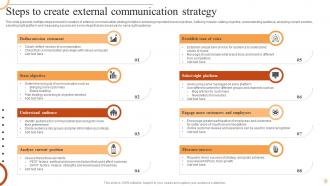
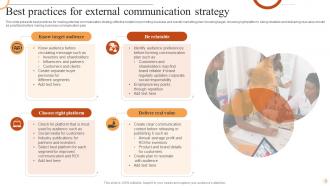
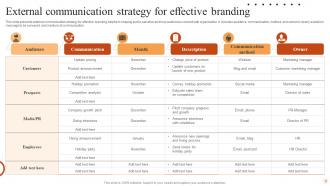
Dude, you've gotta figure out who you're actually talking to first. Map out your different groups - customers want something totally different than investors or press, right? I learned this the hard way at my last job lol. Group them by age, interests, how they like to get info, that stuff. Then tailor everything - your message, where you post it, when you send it. Short punchy stuff for some audiences. Longer detailed content for others. Don't just blast the same generic message everywhere because honestly? Nobody cares about one-size-fits-all communication.
Okay so first thing - write down your brand voice like you're describing a person. What's their personality? How do they talk? Give actual examples, not just "friendly and professional" (that tells you nothing tbh). Get this guide to everyone who writes anything public - social, emails, customer support, all of it. Train them but here's the thing: different platforms need different energy while staying true to your core voice. Have someone check content regularly because voice drift is SO real and happens faster than you think. Oh and don't overthink it - consistency matters more than perfection.
Honestly, the worst thing you can do is write like you're talking to other people at your company instead of your actual audience. Nobody gives a damn about your quarterly targets - they want to know what's in it for them. Don't dump everything into one message either. Less really is more here. Skip the jargon and corporate BS - just sound human. I always run stuff by someone outside my team first because they'll spot the confusing parts I'm blind to. Oh, and obviously double-check your facts before sending anything out.
Don't wait until you're in crisis mode to figure out your communication plan - build it in from the start. Get your messaging templates ready ahead of time, pick who's gonna speak for you, and map out how decisions get made fast. Honestly, most companies totally wing this part and it shows. Set up monitoring so you catch issues early, and practice with your team every few months. The key is keeping the same tone you normally use, just with quicker approvals when stuff hits the fan. It's like insurance - boring to set up but you'll thank yourself later.
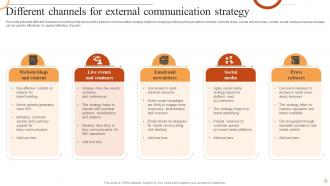
Honestly, it all comes down to where your people actually are. Email and LinkedIn are solid basics - can't really go wrong there. Twitter's great for quick stuff and chatting with folks. Instagram or TikTok if you're after younger crowds (though I still don't totally get TikTok, but whatever works). Here's the thing though - don't try to be everywhere at once. I've watched so many companies burn out doing that. Pick maybe 2-3 spots where your customers hang out and actually do them well instead of half-assing it on six platforms. Check where your audience is most active first, then focus your energy there.
Dude, cultural stuff is HUGE for external comms. What kills it in one market totally flops in another. Like Americans might love a direct sales pitch, but try that in Japan? You'll come off super pushy since they're all about relationships first. Everything changes - your tone, visuals, timing, even which platforms you pick. Colors and humor hit different everywhere too. Honestly, I'd always work with local teams or cultural experts before launching anything new. They'll spot weird stuff you'd never notice. Trust me, it's worth it.
Track reach stuff like impressions and click-through rates, but engagement metrics matter way more honestly. Social shares, sentiment analysis - that's where you see if people actually care about your content. Website traffic and conversions are huge too (sometimes I think follower counts are just BS vanity metrics). Earned media coverage is solid gold when you can get it. Brand mentions across different channels give you the real story. Just pick like 5-7 key metrics for your dashboard though - I've seen people get totally overwhelmed trying to track everything and then they can't figure out what's actually working.
Honestly, people just remember stories way better than boring facts. We've been wired that way since we were kids listening to bedtime stories, you know? When you tell your audience about a real challenge someone faced and how it got solved, they actually pay attention instead of checking their phones. Facts are forgettable. Stories stick. Plus it builds that emotional connection - way more powerful than rattling off features. Find one good customer success story or maybe a problem your company actually solved. Then structure your next pitch around that. Trust me, you'll see the difference in how people respond.
Start with a master doc that becomes your go-to reference point. Build message templates with your main talking points, then brief different teams on how to adapt them for their specific audiences. I'd honestly audit what everyone's saying first - you might be surprised how off-message people already are. Set up regular check-ins because messages drift super fast without someone watching. Shared dashboards work great so teams can see what others are putting out there. Give people room to be flexible with delivery style while keeping the core content consistent. That's really the sweet spot.
Honestly, social media's your best bet for getting your message out there and actually talking to customers - way better reach than old-school marketing. Pick 2-3 platforms where your people actually are. LinkedIn's great for B2B stuff, Twitter's good for quick updates and customer complaints (ugh), Instagram if you've got good visuals. The trick is staying consistent with your brand voice but tweaking content for each platform. Don't just post and ghost either - reply to comments, join conversations. Oh, and make a content calendar so you're not scrambling for posts every day. Trust me on that one.
Honestly, working with other brands is a total game-changer. Their audiences become yours to tap into, plus you get their expertise without hiring anyone new. Cost-sharing is nice too - campaigns get expensive fast. What I love most though? Fresh perspectives make everything way more creative. Maybe they're amazing at design while you crush social media. Perfect combo. The real magic happens when you amplify each other's voices. Nobody wants to hear one person screaming anymore - but a whole group saying something interesting? That cuts through. Oh, and find partners with similar audiences who aren't trying to steal your customers.
Don't just throw surveys at people and call it a day - you've gotta actually dig into what they're telling you. Track your social mentions, run regular feedback surveys, watch how people engage with your stuff. Here's the thing though: most teams are drowning in feedback they never actually use. After every campaign or big communication push, write down what bombed and what crushed it. Build a simple database (honestly, even a spreadsheet works) so you can spot patterns over time. That way you're not just guessing when you tweak your messaging or switch up your timing.
Honestly, visuals are a game-changer for getting your message across. People absorb images like 60,000 times faster than text - crazy right? So throw in some infographics or charts instead of walls of text. I've literally watched terrible content blow up just because someone made it look good. Data visualizations make boring stats actually interesting. Your brand colors help people remember you. Oh, and consistent themes build trust over time - that's huge. Figure out your main point first, then ask yourself: what visual would make someone stop scrolling and actually pay attention? That's your answer.
-
Great product, helpful indeed!
-
What a stunning collection of customizable templates! Really a time-saver..