

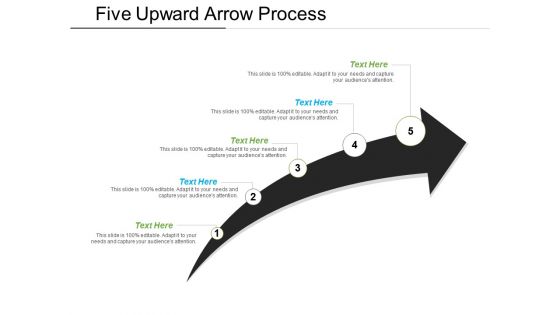
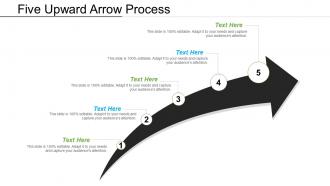
Five upward arrow process





Try Before you Buy Download Free Sample Product
 Impress Your
 Audience
 100%
100% Editable
 Save Hours
 of Time


Get them all animated with our Five Upward Arrow Process. They will begin to buzz into action.
People who downloaded this PowerPoint presentation also viewed the following :
Five upward arrow process with all 5 slides:
Take a fresh look with our Five Upward Arrow Process. You may discover another angle.

FAQs for Five
Honestly, YouTube tutorials are where it's at - I've picked up more from random 10-minute videos than some paid courses. Coursera and Udemy are solid too, but you gotta do actual projects alongside the lessons or it won't stick. Finding a mentor helps tons if you can swing it. Join forums where people talk about whatever you're learning - seeing different perspectives clicks way better than just watching videos alone. Oh, and don't go crazy with marathon study sessions. Like 20 minutes daily actually beats those weekend cramming binges. Pick one thing, give it a month, then see if it's actually useful for what you want.
Honestly, the biggest thing is giving people actual work time to learn - not expecting them to do it at home. Even an hour a week helps. Set up mentorship stuff so people can teach each other, and definitely celebrate when someone finishes training. I've noticed it works way better when managers join in instead of just telling everyone else to do it. Oh, and ask what skills they actually want! Remove the barriers - learning budgets, podcasts, short modules. People will engage if you make it feel valuable, not like another chore dumped on them.
Honestly, online learning is perfect for picking up new skills without ditching your job. The flexibility is unreal - you can watch stuff whenever you want. Quality has gotten way better too, everything from random YouTube videos to actual certification programs. Being able to pause and rewind is clutch, can't do that in regular classes obviously. Most platforms save your progress and you end up with this portfolio of courses you've finished. Oh and definitely pick something you need at work right now to start with. You'll actually stick with it that way instead of just abandoning it halfway through.
Dude, just stalk job postings for roles you want - they basically spell out what's hot right now. Coffee chats with people who've already made those moves? Pure gold. I swear those conversations beat any formal research. Check your company's internal paths too, and ask your boss what they actually care about during reviews. LinkedIn Learning's decent for spotting trends, though honestly the industry reports can be kinda dry. Pick maybe 2-3 skills that keep showing up everywhere and focus there first. Don't try to learn everything at once - you'll just burn out.
Honestly, upskilling is a game changer for keeping people around. Your best employees will stay way longer when they feel like they're actually growing instead of just... existing at work, you know? I've seen it firsthand - people get bored doing the same stuff forever. Give them chances to learn new skills and suddenly they're excited about Monday mornings again. The numbers don't lie either - companies that actually invest in their people's development see way less turnover. It's like people can finally picture a real future there instead of mentally checking out.
Honestly, you'll want to mix hard data with how people actually feel about it. Check performance metrics before and after, plus do skill assessments to see if they actually learned anything. The retention piece is massive though - if people aren't quitting as much, that's usually a good sign they feel like they're developing. Survey folks about their confidence levels too, because sometimes that matters more than test scores. Oh, and definitely follow up like 3-6 months later - that's when you'll really know if the training stuck or if people just forgot everything and went back to their old habits.
Dude, definitely jump into AI/machine learning stuff - it's literally everywhere now. Cloud computing and data analytics are solid bets too. Cybersecurity is massive, especially after everyone went remote. Even learning basic automation makes you look like some kind of genius to management lol. You don't have to master everything at once though. Pick something that actually connects to what you're doing now. Grab a free course or just mess around with ChatGPT for random work stuff. I've been doing that and it's actually pretty useful. Stay curious and practice instead of just binge-watching YouTube tutorials.
Honestly, mentorship is like having someone who's already been through the mess you're dealing with. They can tell you which skills actually matter for your goals instead of you guessing. Plus they'll call out your blind spots - stuff you'd never notice on your own. The accountability thing is huge too. Way easier to quit when it's just you versus disappointing someone who's invested time in helping you. But here's the real win: they usually know people and can hook you up with chances to actually use what you're learning. I'd say figure out exactly what expertise you need first, then hunt down mentors in those areas.
Honestly, it's mostly about time and money - plus nobody wants to look clueless learning new stuff at work. I'd start super small, like watching videos during lunch or your commute. Talk to your boss about what skills would actually help your team (they love that). Free courses are everywhere online, or maybe swap skills with coworkers. Budget meetings always kill training requests, so emphasize the free options. Pick one thing that directly helps your current job first. Way easier to get buy-in that way. Don't try to learn everything at once - you'll just burn out.
Ask your team what they actually want to learn first - seriously, this step gets skipped way too often. People have different learning styles too. Some prefer online stuff they can do at their own pace, others need workshops where they can ask questions right away. I've watched companies blow their entire training budget on generic programs that just sit there unused. Survey everyone about their goals and skill gaps, then offer the same content in multiple formats. Videos, live sessions, maybe even peer groups. Oh, and let them choose their own learning path - that's honestly half the battle right there.
Learning stuff outside your main field is honestly a game-changer. Makes you way more hireable since companies love people who can connect different teams. Problem-solving gets easier too - you start seeing solutions other people miss. Plus it's just more fun than doing the same thing forever (though maybe that's just me getting bored easily). When industries change, you won't panic because you've got backup skills. Opens doors to jobs you never thought about before. Start tiny - maybe 30 minutes a week learning something related to what you already do.
Honestly, just focus on training the people you already have instead of hiring for every new thing. Way cheaper than constantly recruiting. Figure out what skills your team's missing - maybe AI stuff, data analysis, whatever fits your industry. Then set up some targeted training or use those online learning platforms. The trick is staying ahead of changes rather than always playing catch-up. I mean, being reactive just stresses everyone out. Your existing employees probably want to learn new stuff anyway, so it's kind of a win-win situation there.
Honestly, feedback is what makes the difference between just practicing and actually getting better. Otherwise you're just guessing if you're doing things right or making the same mistakes over and over. Get it from mentors, peers, whoever - but don't just wait around for people to give it to you. Ask specific stuff like "what's one thing I could work on?" instead of vague questions. Way more helpful that way. Oh and set up regular check-ins with someone you trust, even if it feels awkward at first. Makes a huge difference in how fast you improve.
Look, when your team learns new stuff, they start seeing problems totally differently. Fresh skills = fresh ideas, you know? I've noticed people get way more creative when they're not stuck using the same old methods from five years ago. The actual learning process makes them more willing to take risks too - probably because they feel more confident with a bigger toolkit. Honestly, skill gaps kill innovation faster than anything else. Start by figuring out what your team's missing, especially in areas that matter for your goals. Then let people explore beyond their usual job scope. That's where the magic happens.
Dude, upskilling is honestly a game-changer for your career. Industries shift so fast these days, but you'll stay relevant and honestly probably make more money too. Each skill stacks on top of the others - it's wild how that works. I know people who completely switched careers just because they kept learning random stuff that interested them. Companies love hiring someone who brings new ideas to the table. Job security gets way better too. My advice? Pick something that actually sounds fun to you first. Don't overthink it - just start somewhere and see what happens.
-
Easy to edit slides with easy to understand instructions.
-
Great designs, really helpful.