

Gym Business Plan Powerpoint Presentation Slides





Try Before you Buy Download Free Sample Product
 Impress Your
 Audience
 100%
100% Editable
 Save Hours
 of Time


A business plan is a document that defines in detail the organizations objectives and how it plans to achieve its short and long term goals. Grab our professionally curated Gym Business Plan. It lays out the firm marketing, financial, and operational standpoints. Our Fitness Center deck provides detailed information on gym and fitness industry statistics, growth drivers, market trends, and critical industry challenges, including lucrative opportunities. Moreover, it focuses on the company overview, which includes vision, mission, goals, gym start up expenses, essential services offered, and success factors. Further, our Health Club PPT describes the customer analysis for the gym and fitness industry in the USA, buyers persona, and market sizing. Additionally, it covers the SWOT analysis, PORTERS framework, and detailed marketing plan. Lastly, our Performance Center module covers a financial summary section of Wellness Studio, including a revenue model, economic impact, profit and loss statement, break even analysis, etc. Get access to this powerful template now.
People who downloaded this PowerPoint presentation also viewed the following :
Content of this Powerpoint Presentation
Slide 1: This slide introduces GYM Business Plan. Commence by stating Your Company Name.
Slide 2: This slide depicts the Agenda of the presentation.
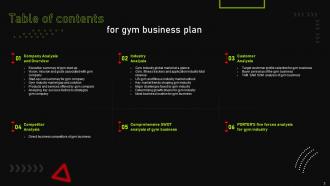
Slide 3: This slide incorporates the Table of contents.
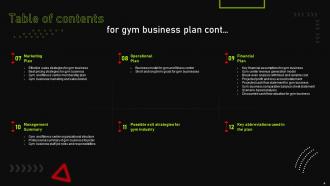
Slide 4: This is yet another slide continuing the Table of contents.
Slide 5: This slide highlights the Title for the Topics to be covered further.
Slide 6: This slide focuses on the Executive summary of gym start-up.
Slide 7: This slide covers the gym company vision, mission, and goals.
Slide 8: This slide reveals the Start-up cost summary for gym company.
Slide 9: This slide depicts the Gym industry market gap and solution.
Slide 10: This slide highlights the products and services offered by gym industry.
Slide 11: This slide deals with Analyzing key success factors to strategize gym company.
Slide 12: This slide includes the Heading for the Contents to be discussed further.
Slide 13: This slide presents the Gym industry global market at a glance.
Slide 14: This slide exhibits the Gym, fitness trackers and application industry total revenue.
Slide 15: This slide portrays the US gym and fitness industry market outlook.
Slide 16: This slide presents the Key market trends shaping gym industry.
Slide 17: This slide continues the Key market trends shaping gym industry.
Slide 18: This slide states the Major challenges faced by gym industry.
Slide 19: This slide mentions the Major challenges faced by gym industry.
Slide 20: This slide focuses on Determining growth drivers for gym industry.
Slide 21: This slide portrays an ideal business location for a gym business.
Slide 22: This slide indicates the Title for the Ideas to be covered next.
Slide 23: This slide emphasizes on the Target customer profile selection for gym business.
Slide 24: This slide reveals the Buyer personas of the gym business.
Slide 25: This slide showcases the TAM SAM SOM analysis of gym business.
Slide 26: This slide includes the Heading for the Ideas to be discussed further.
Slide 27: This slide displays the Direct business competitors of gym business.
Slide 28: This slide reveals the Title for the Contents to be covered next.
Slide 29: This slide highlights the Comprehensive SWOT analysis of gym business.
Slide 30: This slide shows the Heading for the Topics to be further discussed.
Slide 31: The slide highlights porter’s five forces model and its implications in the US gym industry.
Slide 32: This slide includes the Title for the Topics to be covered in the following template.
Slide 33: This slide indicates the Effective sales strategies for gym business.
Slide 34: This slide exhibits the Best pricing strategies for gym business.
Slide 35: This slide presents the Gym and fitness center membership plan.
Slide 36: This slide illustrates the Gym business marketing and sales funnel.
Slide 37: This slide contains the Heading for the Contents to be discussed next.
Slide 38: This slide displays the Business model for gym and fitness center.
Slide 39: This slide states the Short and long term goals for gym business.
Slide 40: This slide includes the Title for the Ideas to be covered further.
Slide 41: This slide gives a glimpse of important financial assumptions in terms of income, expense, and balance sheet.
Slide 42: This slide showcases the Gym center revenue generation model.
Slide 43: This slide depicts the Break-even analysis with fixed and variable cost.
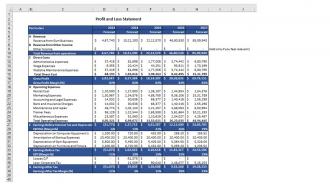
Slide 44: This slide reveals the Projected profit and loss account statement.
Slide 45: This slide continues the Projected profit and loss account statement.
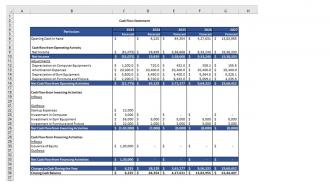
Slide 46: This slide illustrates the Projected cash flow statement for gym business.
Slide 47: This slide continues the Projected cash flow statement for gym business.
Slide 48: This slide portrays the Gym business comparative balance sheet statement.
Slide 49: This slide continues the Gym business comparative balance sheet statement.
Slide 50: This slide exhibits the Scenario-based analysis with realistic, optimistic, and pessimistic cases.
Slide 51: This slide continues the Scenario analysis with realistic, optimistic, and pessimistic cases.
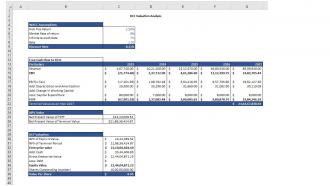
Slide 52: This slide reveals the Discounted cash flow valuation for gym business.
Slide 53: This slide showcases the Heading for the Ideas to be discussed in the upcoming template.
Slide 54: The slide highlights the organizational hierarchy in the company.
Slide 55: This slide represents the Professional summary of gym business founder.
Slide 56: This slide depicts the Gym business staff job roles and responsibilities.
Slide 57: This slide continues the Gym business staff job roles and responsibilities.
Slide 58: This slide contains the Title for the Contents to be discussed further.
Slide 59: This slide exhibits the Possible exit strategies for gym business.
Slide 60: This slide portrays the Heading for the Topics to be covered next.
Slide 61: This slide displays the Key abbreviations used in the plan.
Slide 62: This is the Icons slide containing all the Icons used in the plan.
Slide 63: This slide is used for showcasing some Additional information.
Slide 64: This is the Idea generation slide for encouraging fresh ideas.
Slide 65: This slide incorporates the company's mission, vision, and goals.
Slide 66: This is Our team slide for showcasing the team-related information.
Slide 67: This is the Venn diagram slide.
Slide 68: This slide contains the Post it notes for reminders and deadlines.
Slide 69: This is the Puzzle slide with related imagery.
Slide 70: This slide elucidates information related to the Financial topic.
Slide 71: This is the Thank you slide for acknowledgement.
Gym Business Plan Powerpoint Presentation Slides with all 76 slides:
Use our Gym Business Plan Powerpoint Presentation Slides to effectively help you save your valuable time. They are readymade to fit into any presentation structure.






































































FAQs for Gym Business Plan
Okay so first thing - figure out who you're actually trying to attract and what other gyms are already there. Map out your services and pricing tiers. Location will make or break you, honestly I've watched amazing gyms die just because they picked awful spots. Calculate startup costs, equipment financing, all that fun stuff. Monthly expenses too - rent, utilities, staff wages. Oh and parking! People get weirdly picky about convenient parking. Work out your staffing needs and how you'll market it. But start with solid financials because that's literally the first thing banks look at.
Honestly, trends are everything when it comes to gym strategy decisions. People are obsessed with functional fitness and recovery stuff right now - ignore that at your own risk lol. You gotta track what your members actually want: boutique classes, 24/7 access, whatever's hot. This affects your pricing, equipment buys, even how you market. Don't chase every random fitness fad though, that's just expensive. Stay ahead but be smart about it. I do trend reviews every quarter to keep things fresh and competitive - works pretty well for me.
Okay so for your gym business plan, definitely map out your revenue streams - membership fees, personal training sessions, group classes, all that. Equipment and renovation costs are huge upfront expenses you can't forget about. Monthly stuff like rent, utilities, and payroll will eat into your budget more than you think (trainers aren't cheap!). Break-even analysis is crucial - investors want to know exactly when you'll be profitable. Do month-by-month projections for the first year, then yearly after that. Oh, and create both conservative and optimistic membership growth scenarios. Just don't go crazy with unrealistic numbers - that's the fastest way to lose credibility with potential investors.
Figure out what makes your gym different and really focus on that in your plan. Most gyms are boring copycats tbh, so even small things can set you apart. 24/7 access? Specialized equipment? Classes for seniors or athletes? Check what your competitors are missing - maybe it's childcare or nutrition coaching. Oh, and recovery stuff like saunas is getting popular. Pick 2-3 solid differentiators and make that your whole marketing angle. Don't spread yourself too thin trying to appeal to everyone.
So you gotta think about where you're setting up and who's actually around there. Downtown? Young professionals who want HIIT classes. Suburbs? Families need more flexibility. I totally bombed this when I first started - tried targeting everyone and it was a mess lol. Survey your neighborhood first though, don't just wing it. Check out what your competitors are doing too. Busy parents need childcare and later classes. College kids want cheap memberships and lots of Instagram content. Your whole setup changes based on this - equipment, schedule, pricing, where you spend marketing money. Makes such a huge difference once you nail down your actual audience.
Dude, location will literally make or break you before you even flip the lights on. Ground floor with big windows is gold - people love seeing what's going on inside. Make sure the neighborhood actually matches who you're trying to attract, income-wise and all that. Parking though? That's where most gyms screw up big time. I don't care how nice your equipment is, nobody's gonna deal with circling around for 20 minutes just to get a workout in. Oh, and keep rent under 15% of what you think you'll make or you're toast.
So for your gym pricing, definitely create different tiers - basic, premium, maybe corporate deals. People just wanna know what they get for their cash, you know? Look at what other gyms are charging so you can back up your numbers. Throw in some student discounts or seasonal promos to grab different crowds. Oh and make sure you've got your break-even math figured out first - that's kinda crucial lol. Be upfront about why you're pricing things the way you are, but keep some wiggle room to tweak stuff based on what members actually tell you.
Honestly, I'd go heavy on social media first - those before/after posts and workout clips get crazy engagement. Get your happy members to leave Google reviews too, that stuff actually matters now. Referral programs are solid since people trust their friends way more than ads. Maybe try partnering with local coffee shops or whatever, and definitely do some free trial weeks. Oh, and find a few local fitness influencers to work with - doesn't have to be huge names. But seriously, pick like 2-3 things max and do them really well. You'll burn out trying everything at once.
Definitely focus on stuff that'll actually make your members' lives easier - like app-based class booking and connecting with their fitness trackers. Smart equipment that auto-logs workouts is pretty cool, and honestly people just expect that kind of thing now. You'll want automated billing too because manual payment stuff is such a pain. Heart rate monitors on the walls, mobile check-ins, maybe even AI form coaching if you're feeling fancy. Don't go crazy though - pick like two solid features to start with. You can always add more later once you see what actually works.
Dude, the equipment maintenance will absolutely destroy your budget if you're not careful. Staff turnover? It's insane in this business. Everyone and their mom wants to work out at 6pm but good luck getting people in at 2pm - super frustrating capacity issues. January's packed, then February hits and it's like a ghost town. I swear the seasonality cycle never gets easier. Your main headaches will be keeping members around, fixing broken treadmills constantly, and somehow staffing those rush hours. Oh, and find good repair vendors like yesterday - you'll need them way more than you think.
Honestly, get your tech sorted from day one - membership software, scheduling, payments. Switching later? Total pain in the ass. When designing your space, leave room to expand even if it's just dead storage for now. Everything needs a process - how you onboard members, maintain equipment, all of it. Makes training new people way easier down the road. Your brand and community vibe should work across locations too. The money stuff is crucial though. Track your numbers obsessively and resist the urge to pocket everything as salary. I'd set aside like 15-20% just for growth opportunities.
Dude, you NEED to do a SWOT analysis before jumping into this gym thing. Look at your strengths first - are you certified? Got connections? Then be brutal about weaknesses like cash flow issues. Check what opportunities exist in your area (maybe there's zero competition?) and what threats you're facing. That new CrossFit place could steal your thunder. Honestly, it's like a gut check before you blow your savings. Plus investors won't take you seriously without one. Whatever you discover, use it to tweak your pricing and game plan.
Honestly, member feedback is like having a crystal ball for your gym. Look for patterns in what people complain about - broken treadmills, overcrowded spin classes, whatever. Fix those issues before you hemorrhage more memberships. Your satisfaction scores show which programs actually deserve your money and which ones are just budget drains. Happy members bring friends, unhappy ones... well, they don't stick around long enough to refer anyone. I'd do surveys every few months but actually read them - then make changes people can see so they know you're not just collecting feedback for fun.
Okay so first figure out your must-haves: front desk person, trainers, someone for maintenance. Those are your starting crew. Management comes later when you're not broke lol. Budget for all the annoying extras too - payroll taxes, benefits, worker's comp. Super fun stuff, right? You'll also need to decide if trainers are employees or contractors (both have trade-offs). Don't forget training costs and turnover because people quit. Honestly, I'd make two staffing plans - bare minimum and dream team - then see what your actual money situation allows.
Look for partnerships that actually make you money or cut your expenses. Personal trainers on commission splits are solid - same with nutrition coaches doing classes. Physical therapy clinics can send you referrals too. That massage therapist idea? Perfect. They rent space, your members love the convenience. Win-win. Do 60-70% splits for service providers, write up clear responsibilities, and honestly - include easy exit clauses because some partnerships just flop. Oh, and don't sleep on corporate wellness deals with local companies. Those can really boost memberships. Start with one good partnership first though. Prove it works before you go crazy expanding.
-
Great quality slides in rapid time.
-
Excellent design and quick turnaround.