

Health supplements good ppt example




Try Before you Buy Download Free Sample Product
 Impress Your
 Audience
 100%
100% Editable
 Save Hours
 of Time


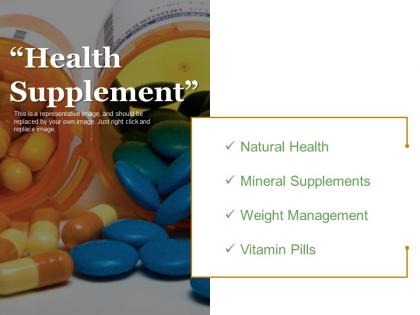
In today's hectic lifestyle, people are too busy to even fulfill their food needs. So all they do is depend on the food supplements. Our this presentation titled health supplements good PPT example is all about this concept. The companies which deal in these products require dietary supplements PowerPoint presentation slides to present their ideas and concept to the large set of audience. The use of pills image adds on to the versatility of this food supplements PPT graphic. Apart from being used for health and food supplements PowerPoint template, one can use this PPT for medical presentations, for health-related PPT, and for other such presentations. The predesigned PPT is a great relief for those professionals and students who wish to present creative slide layouts but fall short of time and sometimes ideas too. Influence folks to go in the direction you desire with our Health Supplements Good Ppt Example. It has a formidable effect.
People who downloaded this PowerPoint presentation also viewed the following :
Health supplements good ppt example with all 5 slides:
Be the cause of inspiration with our Health Supplements Good Ppt Example. Drive attempts to improve in every field.




FAQs for Health supplements
The most common health supplements include multivitamins, vitamin D, omega-3 fatty acids, probiotics, and protein powders, addressing nutritional gaps in modern diets. These supplements enhance immune function, bone health, cardiovascular wellness, and digestive balance, with many health-conscious consumers finding that strategic supplementation delivers improved energy levels and overall wellness outcomes.
Health supplements provide concentrated, isolated nutrients in standardized doses, while whole foods deliver nutrients alongside fiber, antioxidants, and co-factors that enhance absorption and bioavailability. Through natural food matrices, nutrients work synergistically, with many nutritionists finding that whole foods offer superior nutrient utilization, digestive benefits, and sustained energy, ultimately delivering more comprehensive nutritional value than isolated supplements.
Consumers should evaluate health supplement quality through third-party testing certifications, verified ingredient sourcing, proper dosage transparency, manufacturing facility standards, and brand reputation with regulatory compliance. These criteria enable informed decisions by ensuring product purity, potency verification, and safety standards, with many healthcare professionals finding that certified supplements from established manufacturers deliver more consistent therapeutic outcomes and minimize adverse reactions.
Health supplements vary by life stage, with children needing vitamin D and omega-3s, adults requiring B vitamins and magnesium, and seniors benefiting from calcium and vitamin B12. These targeted approaches enhance nutritional support by addressing age-specific deficiencies, supporting developmental needs, and maintaining optimal health outcomes, with many healthcare providers finding that personalized supplementation delivers better patient wellness and reduces long-term health risks.
Determining supplement effectiveness requires tracking specific health markers through blood tests, monitoring symptom changes over 8-12 weeks, and consulting healthcare providers familiar with your medical history. Many individuals find success by starting with single-ingredient supplements rather than complex blends, enabling clearer assessment of individual responses and ultimately delivering more personalized, cost-effective health optimization strategies.
Health supplements play a supportive role in disease prevention by filling nutritional gaps, boosting immune function, supporting heart health, and enhancing bone density through targeted vitamins, minerals, and antioxidants. While they complement healthy lifestyles rather than replace medical treatment, many healthcare providers increasingly recognize their value in managing chronic conditions like diabetes and cardiovascular disease, ultimately delivering enhanced patient outcomes.
Common health supplement risks include digestive issues, nutrient toxicity from overdosing, dangerous interactions with prescription medications, allergic reactions, and contamination with unlisted ingredients. While many supplements are generally safe when used appropriately, unregulated manufacturing and improper dosing can lead to liver damage, cardiovascular complications, and interference with medical treatments, with healthcare providers increasingly recommending professional consultation before starting any supplement regimen.
Regulatory standards significantly enhance health supplement quality and safety by mandating ingredient verification, contamination testing, manufacturing protocols, and accurate labeling requirements. These frameworks enable consumers to make informed choices while helping manufacturers streamline production processes, reduce liability risks, and build market credibility, with many companies finding that compliance ultimately delivers competitive advantage and consumer trust.
Yes, health supplements can interact with prescription medications through various mechanisms, including altering drug absorption, metabolism, and effectiveness. Common interactions include blood thinners with vitamin K supplements, antidepressants with St. John's wort, and blood pressure medications with potassium supplements, making consultation with healthcare providers essential before combining any supplements with prescribed treatments.
Natural supplements offer better bioavailability, fewer side effects, and holistic nutrient profiles, while synthetic supplements provide standardized dosages, lower costs, and consistent potency. However, natural options can vary in quality and absorption rates, whereas synthetic alternatives may lack cofactors for optimal utilization, with many healthcare providers finding that combining both approaches delivers enhanced patient outcomes and treatment flexibility.
Personal health goals significantly influence supplement selection by determining specific nutrient priorities, dosage requirements, and targeted formulations for individual needs. Athletes typically choose protein powders and performance enhancers, while aging adults focus on joint support and cognitive health supplements, with many finding that aligning supplements with clear health objectives delivers more measurable results and better adherence.
Consumers should prioritize supplements with clear ingredient lists, third-party certifications, standardized dosages, and transparent sourcing information on labels. Many health-conscious buyers increasingly verify manufacturer credentials, batch testing results, and FDA compliance statements, while avoiding products with proprietary blends or vague terminology, ultimately ensuring product quality and safety.
Lifestyle factors significantly influence supplement necessity, with balanced diets and regular exercise often reducing needs while poor nutrition, stress, sedentary habits, and irregular sleep patterns may increase requirements. However, even health-conscious individuals frequently find gaps in nutrient intake due to processed foods, soil depletion, and busy schedules, with many ultimately benefiting from targeted supplementation alongside healthy lifestyle practices.
Recent research findings on health supplements show mixed results, with omega-3 fatty acids demonstrating cardiovascular benefits, vitamin D supporting immune function, and probiotics enhancing digestive health in clinical trials. While studies increasingly validate targeted supplementation for specific conditions, they also emphasize that supplement efficacy varies significantly by individual health status, dosage, and quality, with many healthcare providers finding that personalized approaches deliver better patient outcomes than generic supplementation strategies.
Health professionals assist individuals in determining supplement needs by conducting comprehensive health assessments, analyzing dietary patterns, reviewing medical histories, and ordering targeted laboratory tests to identify specific deficiencies. Through personalized consultations, doctors and registered dietitians can evaluate factors like age, lifestyle, and existing conditions, ultimately delivering tailored supplement recommendations that optimize health outcomes while avoiding potentially harmful interactions.
-
Great quality slides in rapid time.
-
Great product with highly impressive and engaging designs.
-
Very unique, user-friendly presentation interface.
-
Use of icon with content is very relateable, informative and appealing.