


Hotel Booking Company Business Model Powerpoint Ppt Template Bundles BMC V





Try Before you Buy Download Free Sample Product
 Impress Your
 Audience
 100%
100% Editable
 Save Hours
 of Time


Our Hotel Booking Company Business Model Powerpoint Ppt Template Bundles BMC V are topically designed to provide an attractive backdrop to any subject. Use them to look like a presentation pro.
People who downloaded this PowerPoint presentation also viewed the following :
Hotel Booking Company Business Model Powerpoint Ppt Template Bundles BMC V with all 33 slides:
Use our Hotel Booking Company Business Model Powerpoint Ppt Template Bundles BMC V to effectively help you save your valuable time. They are readymade to fit into any presentation structure.












FAQs for Hotel Booking Company Business Model Powerpoint Ppt Template
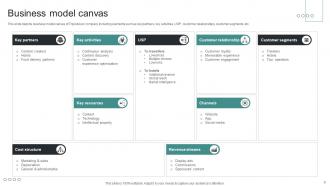
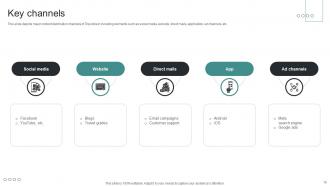
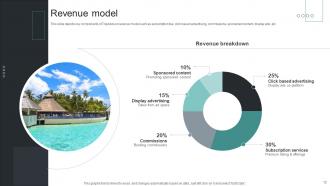
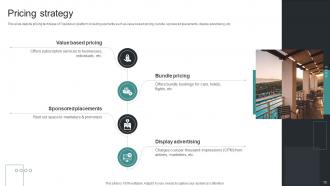
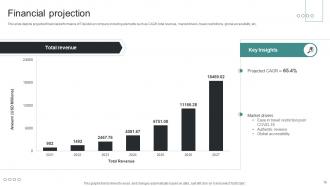
Hotel booking companies generate revenue through commission fees from hotels, markup pricing on room rates, advertising fees from property listings, subscription services for premium features, and partnership commissions with airlines or car rentals. These diversified streams enable platforms to maximize profitability while delivering competitive rates and comprehensive travel solutions, with many companies finding that strategic combinations of these models enhance customer retention and market positioning.
Hotel booking platforms differentiate themselves through digital-first experiences, real-time pricing transparency, extensive property inventories, and direct booking capabilities that bypass traditional intermediaries. These platforms streamline reservation processes by offering instant confirmations, personalized recommendations, and mobile-optimized interfaces, while many hotels increasingly find that direct platform partnerships deliver better customer data insights and reduced commission dependencies compared to traditional agency relationships.
Technology enhances hotel booking user experience through AI-powered recommendations, real-time availability systems, mobile optimization, virtual property tours, and seamless payment processing. These digital solutions streamline reservation processes by reducing booking time, personalizing search results, and enabling instant confirmations, with many hospitality platforms finding that integrated technology ultimately delivers higher customer satisfaction and increased conversion rates.
Hotel booking companies typically earn commissions ranging from 10-25% of room rates, paid by hotels for each confirmed reservation, with rates varying based on property type, location, and booking volume. This structure enables platforms to offer free booking services to travelers while generating revenue through hotel partnerships, with many companies also implementing tiered commission models that reward higher-performing properties with reduced rates, ultimately creating competitive advantages for both parties.
Effective marketing strategies for hotel booking services include search engine optimization, targeted social media advertising, influencer partnerships, email marketing campaigns, and loyalty program development. These approaches enhance visibility by improving search rankings, reaching specific traveler demographics, and building customer retention, with many booking platforms finding that personalized recommendations and strategic partnerships with travel bloggers ultimately deliver higher conversion rates and sustained growth.
Hotel booking companies leverage data analytics by analyzing customer search patterns, booking behaviors, pricing trends, seasonal demands, and competitor rates to optimize inventory management and personalized recommendations. Through machine learning algorithms, platforms like Booking.com and Expedia enhance user experiences with dynamic pricing, targeted promotions, and tailored search results, ultimately delivering higher conversion rates and increased revenue per customer.
Mobile technology has revolutionized hotel booking by enabling instant reservations, real-time price comparisons, location-based searches, and seamless payment processing directly from smartphones. Hotels now deliver personalized offers, mobile check-ins, and enhanced guest experiences, while booking platforms like Expedia and Booking.com leverage mobile apps to capture increasingly mobile-first travelers, ultimately driving higher conversion rates and customer satisfaction.
Hotel booking companies build trust through transparent pricing, verified customer reviews, secure payment systems, responsive customer support, and clear cancellation policies. These strategies enhance credibility by eliminating hidden fees, showcasing authentic experiences, and providing reliable service recovery, with many travel platforms finding that transparent communication and consistent service delivery ultimately strengthen customer loyalty and competitive positioning.
Hotel booking businesses face intense competition from direct hotel websites, other OTAs, and meta-search engines, while managing complex pricing pressures including rate parity agreements, commission negotiations, and dynamic pricing strategies. These challenges are particularly acute in saturated markets, with many companies finding that success depends on offering unique value propositions, superior user experiences, and strategic partnerships that enhance operational efficiency while maintaining competitive advantage.
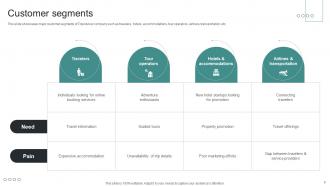
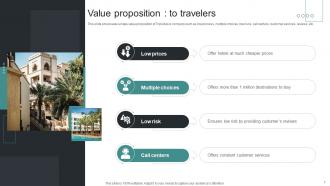
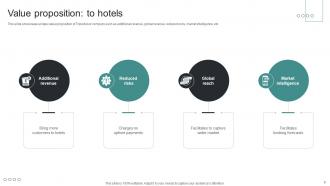
Partnerships with hotels enhance booking companies' value propositions by expanding inventory options, securing competitive rates, and enabling exclusive deals or packages. These strategic collaborations allow platforms to offer comprehensive travel experiences, from accommodations to transportation and activities, while hotels gain broader market reach and increased occupancy rates, ultimately delivering enhanced customer convenience and stronger competitive positioning for both parties.
Key trends include personalized booking experiences through AI recommendations, contactless services from mobile check-ins to digital room keys, sustainable travel options, flexible cancellation policies, and integrated wellness amenities. These developments respond to travelers increasingly prioritizing safety, convenience, and customization, with many hotel booking platforms finding that companies offering seamless digital experiences alongside personalized service recommendations achieve significantly higher customer retention and booking conversion rates.
Hotel booking companies can implement sustainable practices by partnering with eco-certified accommodations, promoting green hotels through enhanced visibility, integrating carbon offset programs into booking processes, and developing sustainability filters for property searches. These initiatives streamline environmentally conscious travel decisions while enabling hotels to showcase their green credentials, ultimately delivering competitive advantage and attracting the growing segment of eco-minded travelers.
**INPUT**: What are the considerations for expanding a hotel booking platform into international markets? **OUTPUT**: Expanding hotel booking platforms internationally requires considering local payment preferences, currency integration, regulatory compliance, cultural booking behaviors, and regional competitor landscapes. These considerations streamline market entry by enabling localized customer experiences, ensuring legal compliance, and delivering competitive pricing strategies, with many platforms finding that partnerships with local hotels and targeted marketing ultimately enhance user adoption and revenue growth across diverse markets. **Word count: 60 words**
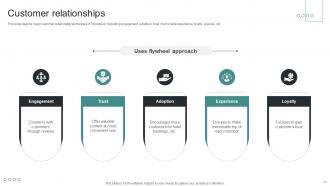
Customer loyalty programs influence hotel booking companies by driving repeat bookings, reducing customer acquisition costs, and creating predictable revenue streams through member-exclusive rates and rewards. These programs enable companies to collect valuable customer data for personalized marketing, negotiate better commission rates with hotels due to guaranteed volume, and build competitive differentiation, with many platforms finding that loyal customers generate significantly higher lifetime value and booking frequency.
Regulations and compliance significantly impact hotel booking companies through data protection requirements, tax obligations, consumer protection laws, licensing requirements, and anti-competitive practices oversight. These regulatory frameworks, while presenting operational challenges, ultimately enhance customer trust and market credibility, with many platforms finding that proactive compliance strategies streamline international expansion and deliver competitive advantages.
-
Satisfied with the way SlideTeam resolved my query regarding the right business PPTs that I was having difficulty finding. I found the perfect match with their assistance.
-
Nice and innovative design.