


Human Resource Function Powerpoint PPT Template Bundles




Try Before you Buy Download Free Sample Product
 Impress Your
 Audience
 100%
100% Editable
 Save Hours
 of Time


Our Human Resource Function Powerpoint PPT Template Bundles are topically designed to provide an attractive backdrop to any subject. Use them to look like a presentation pro.
People who downloaded this PowerPoint presentation also viewed the following :
Human Resource Function Powerpoint PPT Template Bundles with all 17 slides:
Use our Human Resource Function Powerpoint PPT Template Bundles to effectively help you save your valuable time. They are readymade to fit into any presentation structure.






FAQs for Human Resource Function Powerpoint
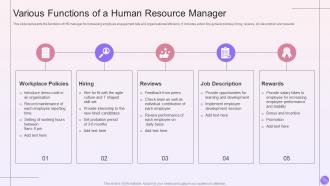
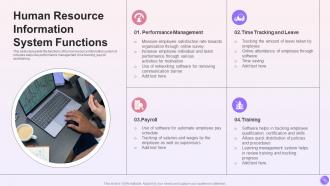
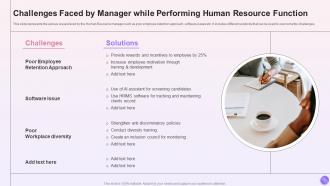
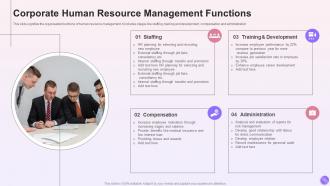
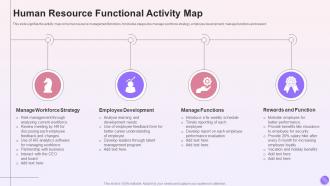
Human Resource functions encompass talent acquisition, employee development, performance management, compensation planning, and compliance oversight. These responsibilities streamline organizational operations by attracting skilled professionals, enhancing workforce capabilities, and ensuring regulatory adherence, with many companies finding that strategic HR management ultimately delivers improved employee retention, operational efficiency, and sustainable competitive advantage.
HR fosters positive workplace culture by implementing comprehensive employee engagement programs, establishing clear communication channels, developing recognition systems, and creating inclusive policies that promote diversity and collaboration. Through strategic initiatives like professional development opportunities, feedback mechanisms, and wellness programs, organizations enhance employee satisfaction, reduce turnover, and ultimately build stronger team cohesion while attracting top talent.
HR can leverage technology to enhance recruitment through applicant tracking systems, AI-powered candidate screening, video interviewing platforms, social media recruiting tools, and automated reference checking. These technologies streamline hiring by reducing time-to-fill, improving candidate matching accuracy, and enabling remote assessments, with many organizations finding that automated workflows and data-driven insights ultimately deliver faster hiring decisions and better quality hires.
HR professionals should track metrics including employee satisfaction scores, retention rates, absenteeism levels, internal promotion rates, and participation in voluntary programs. These measurements enable organizations to identify engagement patterns, predict turnover risks, and optimize workplace culture, with many companies finding that consistent tracking of these indicators ultimately delivers improved productivity and competitive talent retention.
HR functions address diversity, equity, and inclusion through comprehensive recruitment strategies, bias-free hiring practices, inclusive policy development, targeted training programs, and equitable advancement opportunities. These initiatives streamline organizational culture by fostering belonging, enhancing innovation, and improving retention rates, with many companies finding that strategic DEI implementation ultimately delivers competitive talent advantages and stronger business performance.
HR can implement mentorship programs, cross-functional training, personalized learning paths, skill gap assessments, and tuition reimbursement initiatives to support employee development. These strategies enhance workforce capabilities by identifying individual growth opportunities, facilitating knowledge transfer, and aligning skill development with business objectives, ultimately delivering improved retention rates and competitive advantage.
HR manages conflict resolution through structured mediation processes, clear communication protocols, fair investigation procedures, and proactive relationship-building initiatives. These approaches streamline workplace harmony by establishing transparent grievance channels, training managers in de-escalation techniques, and implementing regular feedback systems, ultimately delivering improved employee satisfaction and reduced turnover across organizations.
HR ensures organizational compliance with labor laws and regulations by monitoring employment standards, maintaining accurate records, implementing workplace policies, and conducting regular audits. Through strategic oversight of hiring practices, wage compliance, and safety protocols, HR departments minimize legal risks while protecting employee rights, ultimately delivering regulatory adherence and reducing costly violations for organizations across industries.
HR supports organizational change by developing comprehensive communication strategies, designing targeted training programs, managing talent transitions, and fostering employee engagement throughout transformation processes. Through change management frameworks, HR professionals help organizations navigate restructuring, technology implementations, and cultural shifts, while ensuring workforce alignment with new strategic objectives, ultimately delivering smoother transitions and sustained competitive advantage.
Performance management best practices include setting clear expectations, conducting regular check-ins, providing continuous feedback, aligning goals with organizational objectives, and implementing fair evaluation processes. These approaches streamline employee development by enhancing communication, identifying skill gaps, and recognizing achievements, with many organizations finding that consistent performance discussions ultimately deliver improved productivity, higher retention rates, and stronger competitive advantage.
HR influences organizational strategy by conducting workforce analytics, forecasting talent needs, identifying skill gaps, and aligning recruitment with strategic objectives. Through strategic workforce planning, HR enables organizations to optimize resource allocation, enhance operational efficiency, and build competitive advantage, with many companies finding that integrated HR-business alignment accelerates growth and delivers sustainable performance outcomes.
Remote work transforms HR functions by requiring digital onboarding processes, virtual performance management systems, and enhanced communication platforms to maintain employee engagement. Many organizations find that HR teams must now focus more strategically on culture building, digital wellness programs, and flexible policy development, ultimately delivering improved work-life balance and access to global talent while streamlining administrative processes.
HR professionals can effectively handle employee feedback and grievances by establishing clear channels, conducting timely investigations, maintaining confidentiality, and implementing fair resolution processes. Through structured feedback systems and transparent grievance procedures, organizations streamline communication, enhance employee trust, and minimize workplace conflicts, with many companies finding that proactive HR approaches ultimately deliver improved retention and stronger organizational culture.
Emerging HR trends include AI-powered recruitment, remote work optimization, employee experience platforms, data-driven performance management, and personalized learning systems. These technologies streamline talent acquisition, enhance workforce flexibility, and improve employee engagement, with many organizations finding that strategic HR technology adoption delivers competitive advantage, reduces operational costs, and creates more agile, responsive workplace cultures.
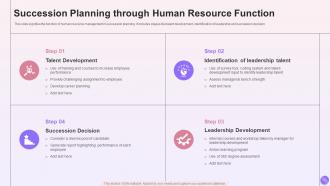
HR ensures effective talent management and succession planning by implementing comprehensive performance tracking systems, conducting regular skills assessments, creating detailed career development pathways, and maintaining robust talent pipelines. Through strategic workforce analytics and cross-departmental collaboration, organizations identify high-potential employees early, provide targeted leadership training, and develop internal mobility programs, ultimately reducing recruitment costs while ensuring business continuity and competitive advantage.
-
“I really like the convenient operation and professionalism I saw on the SlideTeam website. I want to express my regards and appreciation to the team.”
-
Been using SlideTeam for some time now…can’t imagine why I wasted all that time in front of the screen trying to make the perfect presentation.