Human Resource Monthly Report Powerpoint Ppt Template Bundles

Rating:
90%
Human Resource Monthly Report Powerpoint Ppt Template Bundles
Slide 1 of 25
Favourites Favourites

Try Before you Buy Download Free Sample Product

Audience Impress Your
Audience
Editable 100%
Editable
Time Save Hours
of Time
The Biggest Sale is ending soon in
0
0
:
0
0
:
0
0
Rating:
90%
Deliver a credible and compelling presentation by deploying this Human Resource Monthly Report Powerpoint Ppt Template Bundles. Intensify your message with the right graphics, images, icons, etc. presented in this complete deck. This PPT template is a great starting point to convey your messages and build a good collaboration. The twenty slides added to this PowerPoint slideshow helps you present a thorough explanation of the topic. You can use it to study and present various kinds of information in the form of stats, figures, data charts, and many more. This Human Resource Monthly Report Powerpoint Ppt Template Bundles PPT slideshow is available for use in standard and widescreen aspects ratios. So, you can use it as per your convenience. Apart from this, it can be downloaded in PNG, JPG, and PDF formats, all completely editable and modifiable. The most profound feature of this PPT design is that it is fully compatible with Google Slides making it suitable for every industry and business domain.

FAQs for Human Resource Monthly Report Powerpoint

Track your basic stuff first - headcount changes, turnover, and how long positions stay open. Employee satisfaction and absenteeism data? Way more useful than you'd think, honestly better than those awkward exit interviews. Oh, and definitely include training completion rates and performance review breakdowns. Cost-per-hire matters if your budget's being watched closely. Safety incidents too if that applies to your field. I always throw diversity metrics in there since leadership usually asks about those anyway. Make it visual with charts and compare month-to-month trends instead of just static snapshots.

So basically, HR reports show you exactly why people are bailing or sticking around. Track your engagement surveys, turnover data, exit interviews - that stuff reveals patterns before they blow up. Monthly reports are actually pretty revealing - you'll see which teams are falling apart or if certain managers are the problem (and trust me, sometimes it's obvious once you look at the data). Then you can fix specific issues instead of throwing random solutions at the wall. I'd pick your top 3 retention problems from this month's numbers and tackle those first.

For HR monthly reports, I'd start with whatever HRIS you're already using - BambooHR, Workday, ADP all have decent built-in dashboards that pull metrics automatically. Excel still works fine too, though I'm probably too attached to my spreadsheets at this point. Power BI or Tableau are worth it if you want something that looks impressive in meetings. The main thing is avoiding manual data entry every month, so pick whatever connects to your existing systems. Don't overthink it - just use what you've got access to first.

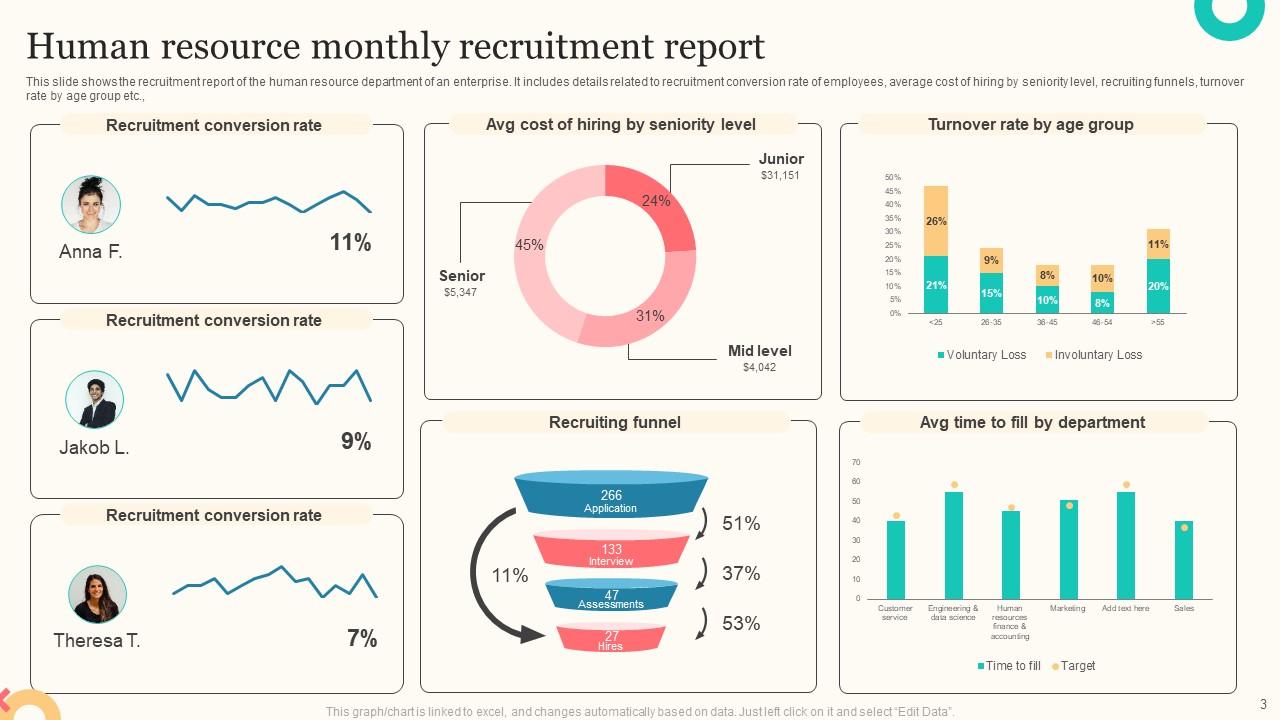
Honestly, tracking your hiring data month-to-month is a game changer. You'll start seeing which job boards actually work and where candidates bail out. Time-to-hire numbers are super helpful for planning - like if marketing roles always take 8 weeks, start earlier next time. Also check your offer acceptance rates. If people keep saying no, maybe your salary's off or something in your process is weird. I learned this the hard way when we kept losing good candidates at the final interview stage. Just review everything quarterly and tweak what's not working.

Honestly, employee feedback is like the missing puzzle piece for your HR reports. Those survey results and exit interview notes? They explain the *why* behind all your data. Say your turnover rate jumps - without feedback, you're just guessing what went wrong. Pulse checks and survey themes help you catch problems before they blow up. Plus leadership loves seeing that you actually listen to employees instead of just... well, watching them like a hawk. My advice? Start with maybe 2-3 feedback highlights each month. Don't overthink it.

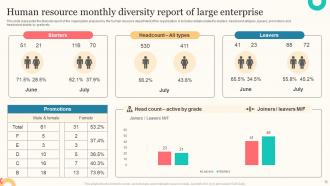
So I'd start with basic demographic breakdowns - who you're hiring, promoting, retaining across different groups. Pay equity analysis is huge too. Track participation in inclusion programs and employee resource groups if you have them. Survey results are gold when you actually get honest feedback. Honestly, leadership needs to see this stuff monthly or they'll just forget about it completely. I learned this the hard way at my last job where we only did annual reviews and nothing ever changed. Pick maybe 3-4 metrics you can actually track consistently - don't go overboard initially.
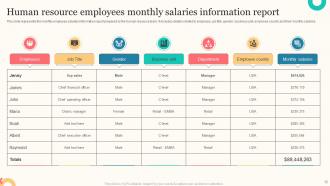
Honestly, ditch those boring spreadsheet dumps - nobody reads them anyway. Charts and infographics are your best friend here. I always start with the "so what" angle first - like why should anyone even care about these numbers? Break everything into small chunks with clear headers. Executive summaries with maybe 3-5 key points work way better than overwhelming people with data. Oh, and add some context around the trends instead of just throwing raw numbers at them. The format totally depends on who you're presenting to though - what clicks for executives will probably bomb with frontline managers.

Think of monthly HR reports as your early warning system. Spot patterns in sick days, turnover, performance issues before they blow up. Seriously, I've watched teams ignore these signals for months because they weren't consistent with tracking. Like when one department suddenly has way more absences, or your best people start quitting - that's when you investigate. Don't just look at one month's numbers though. Track trends over time, set up regular meetings to actually review what's happening, then make plans. Way better than scrambling when productivity tanks.

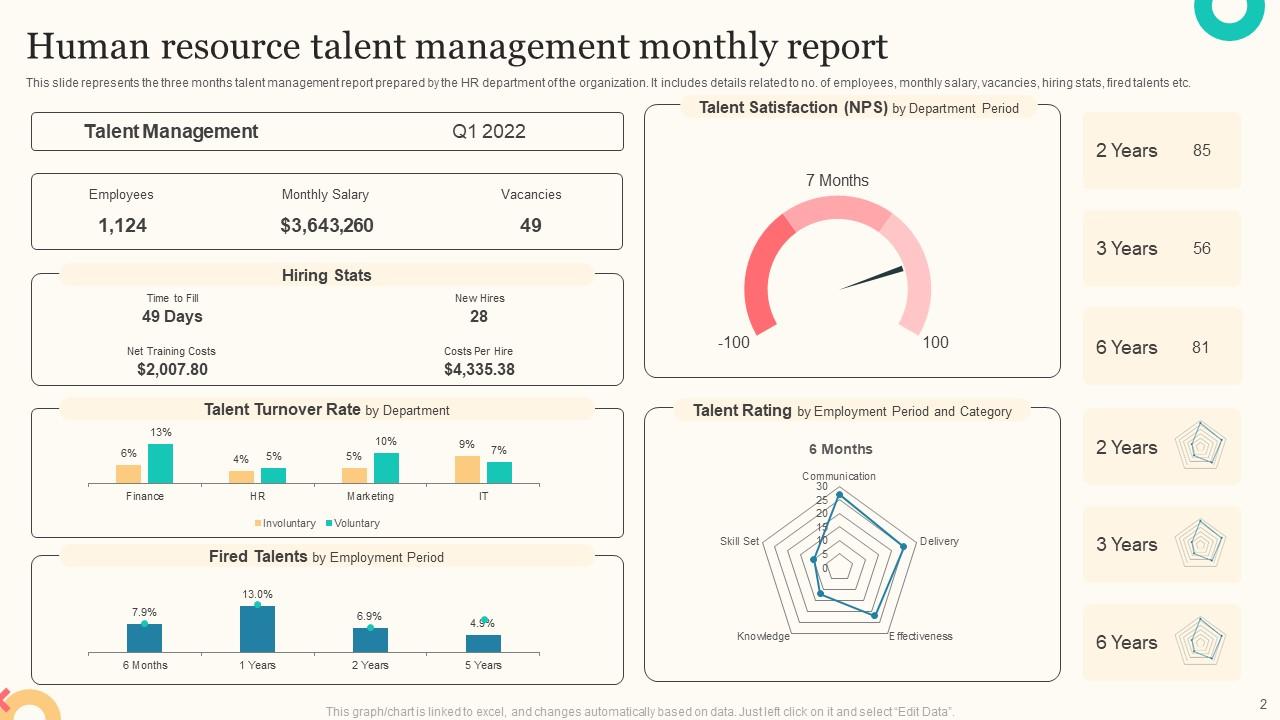
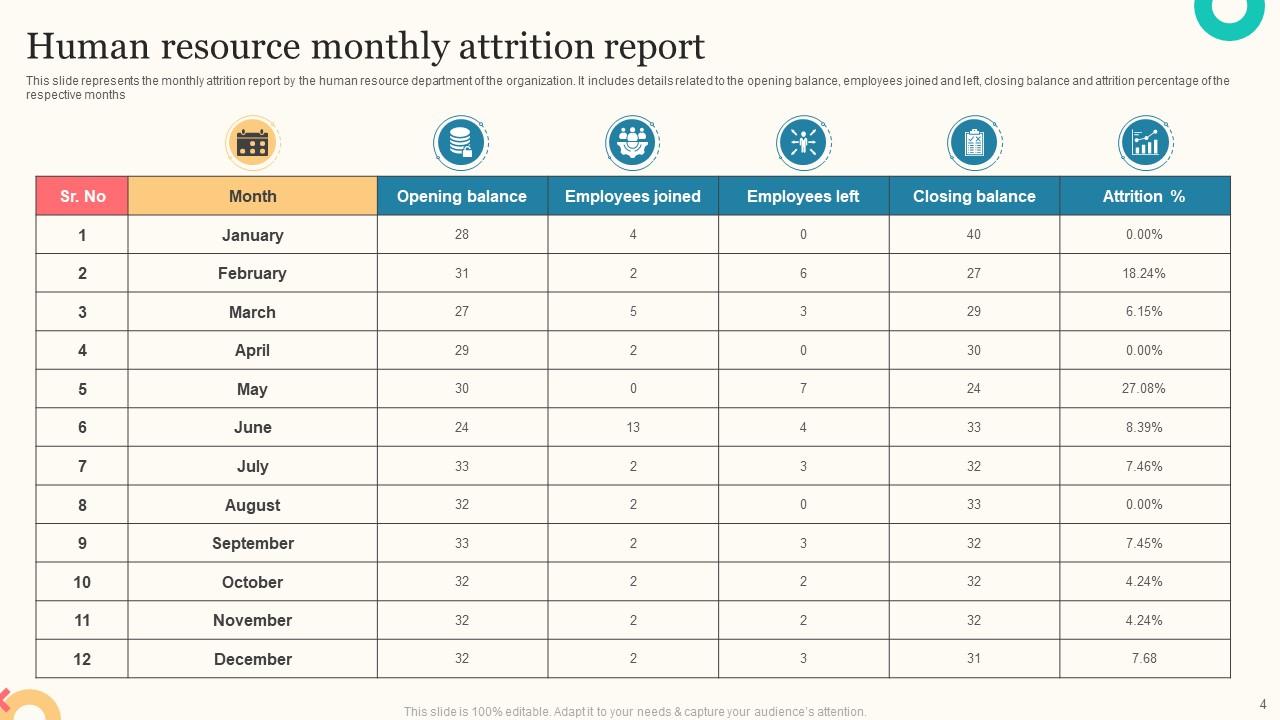
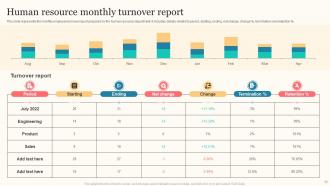
Track your overall turnover monthly, but honestly the department breakdown is where you'll find the real drama. That shows exactly which teams are bleeding people. Also split voluntary vs involuntary departures - totally different problems. Check tenure patterns too (new hires bailing fast is a red flag) and whether you're losing your stars vs dead weight. Exit interviews are goldmines if you actually read for themes. Oh, and set alerts when any metric jumps 20% so you can jump on issues before they spiral.

Honestly, monthly HR reports are a game changer for making workforce decisions instead of flying blind. They help you catch stuff like which teams are bleeding people or where you're short on skills. Monthly timing hits the sweet spot - you won't miss problems but you're not buried in spreadsheets either. I've seen companies waste so much money on training that doesn't work, but these reports actually show if it's paying off. Patterns in hiring and retention become super obvious. Then you can plan ahead - maybe you need to hire faster or focus more on keeping good people around. Really shapes your quarterly strategy.

Track the stuff that actually matters to your boss - like how hiring numbers connect to growth targets or if people are bailing when you can't afford it. Turnover costs blow executives' minds every time, so definitely include those. When you're scaling fast, focus on time-to-hire metrics. Customer satisfaction tanking? Look at employee engagement scores first - there's usually a connection there. Honestly, most HR reports just list random stats that nobody cares about. Instead, figure out what's stressing your CEO out, then show how your people data explains it. That's when they'll start paying attention.

Track what actually matters now - engagement scores, digital collab stuff, retention rates. Remote work's the norm so those office charts are useless anyway. Skills gaps deserve their own section since everything's changing crazy fast. Also bump salary benchmarking to quarterly because annual feels outdated at this point, honestly. Focus on telling the story of how your team's adapting rather than just dumping headcount data. Nobody wants to read the same boring metrics when the whole industry's shifting. Make it relevant to what's actually happening.

Look, privacy's gotta be your

Ratings and Reviews

90% of 100
Review Form
Write a review
Most Relevant Reviews
  1. 80%

    by Delbert Palmer

    The templates you provide are great! They have saved me tons of time and made my presentations come alive. Thank you for this awesome product. Keep up the good work!
  2. 100%

    by Darrin Porter

    Good research work and creative work done on every template.

2 Item(s)

per page: