


IBM Business Model Powerpoint Ppt Template Bundles BMC





Try Before you Buy Download Free Sample Product
 Impress Your
 Audience
 100%
100% Editable
 Save Hours
 of Time


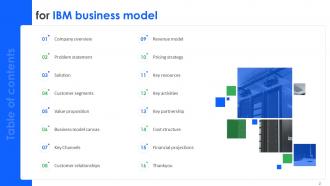
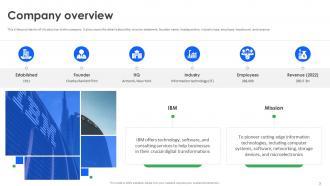
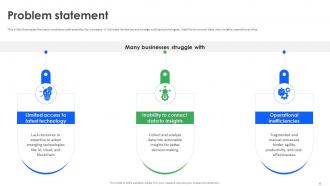
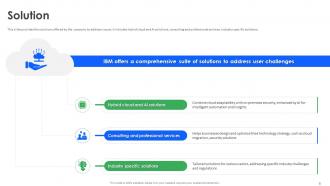
Explore IBMs business model in this comprehensive PowerPoint presentation. Gain insights into the company Company Overview, identifying the Problem Statement, and uncovering their innovative Solution. Delve into their targeted Customer Segments and discover the compelling Value Proposition they offer. The Business Model Canvas provides a strategic overview, while Key Channels and Customer Relationships showcase their outreach strategies. Uncover the Revenue Model and Pricing Strategy driving IBMs success. Understand the essential Key Resources, Activities, and Partnerships shaping their operations. The Cost Structure and Financial Projections offer a glimpse into the sustainable future of this industry giant. Download now to unravel the layers of IBMs thriving business.
People who downloaded this PowerPoint presentation also viewed the following :
IBM Business Model Powerpoint Ppt Template Bundles BMC with all 37 slides:
Use our IBM Business Model Powerpoint Ppt Template Bundles BMC to effectively help you save your valuable time. They are readymade to fit into any presentation structure.















FAQs for IBM Business Model Powerpoint Ppt
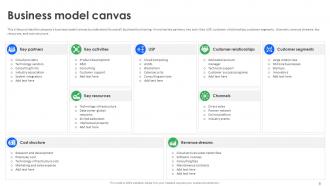
IBM's Business Model Canvas includes value propositions (cloud services, AI solutions, consulting), key partnerships (technology vendors, system integrators), customer segments (enterprises, government, SMBs), revenue streams (subscriptions, services, licensing), and key resources (intellectual property, talent). These components work together by leveraging IBM's expertise in hybrid cloud and artificial intelligence, enabling organizations to modernize operations, accelerate digital transformation, and drive innovation, ultimately delivering competitive advantage and operational efficiency.
The IBM Business Model Canvas incorporates additional components like ecosystems, digital platforms, and AI-driven insights that aren't emphasized in traditional models. While the traditional canvas focuses on core business mechanics, IBM's approach integrates cognitive computing, cloud infrastructure, and partnership networks, with many enterprises finding that this expanded framework better captures modern digital transformation strategies and technology-driven value creation.
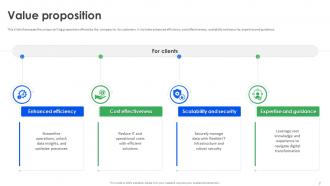
IBM's primary value propositions include enterprise AI and hybrid cloud solutions, comprehensive IT consulting and transformation services, advanced data analytics platforms, industry-specific software solutions, and robust cybersecurity frameworks. These integrated offerings enable organizations to modernize legacy systems, accelerate digital transformation, and optimize operational efficiency, with many Fortune 500 companies finding that IBM's strategic combination of technology and expertise delivers competitive advantage in increasingly complex business environments.
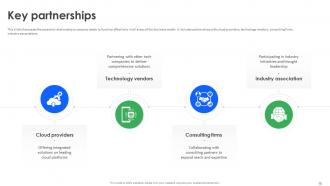
IBM leverages partnerships through strategic alliances with cloud providers, technology integrators, consulting firms, and industry specialists to expand market reach and accelerate innovation. These collaborations enable IBM to deliver comprehensive solutions across healthcare, financial services, and manufacturing sectors, while reducing development costs and enhancing customer experiences, ultimately strengthening its competitive position in enterprise technology markets.
IBM integrates technology and innovation through strategic R&D investments, AI-powered solutions like Watson, hybrid cloud platforms, and quantum computing research initiatives. The company leverages these innovations across consulting, software, and infrastructure services, enabling clients in healthcare, finance, and manufacturing to streamline operations, enhance decision-making, and ultimately deliver competitive advantages in increasingly digital markets.
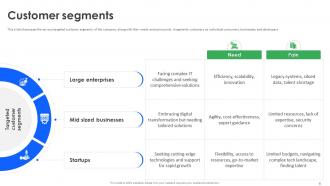
IBM's customer segmentation strategy directly shapes its business offerings by targeting enterprise clients, government agencies, and mid-market companies with tailored solutions including cloud services, AI consulting, and industry-specific software. This strategic segmentation enables IBM to deliver specialized hybrid cloud platforms, Watson AI applications, and sector-focused consulting services, ultimately enhancing client operational efficiency and competitive advantage across diverse industries.
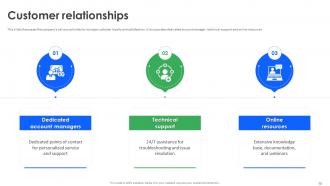
Customer feedback serves as a critical driver in IBM's business model evolution, influencing product development, service delivery, strategic partnerships, and market positioning across enterprise segments. Through client advisory boards, user communities, and direct engagement channels, IBM continuously refines its hybrid cloud and AI offerings, with many Fortune 500 companies finding that this collaborative approach ultimately delivers more targeted solutions and enhanced competitive advantage.
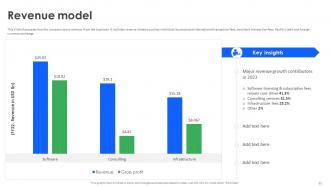
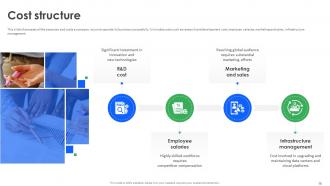
IBM addresses cost structure through strategic investments in R&D, cloud infrastructure, and AI development, while optimizing operational efficiency through automation and streamlined services delivery. The company generates revenue through diversified streams including software licensing, cloud subscriptions, consulting services, and hybrid cloud solutions, with many enterprises finding that IBM's integrated approach delivers predictable costs and scalable technology investments that enhance competitive advantage.
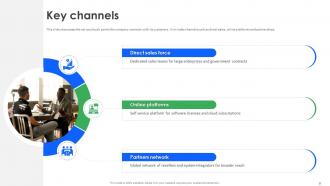
Analyzing IBM's channels reveals strategic diversification through direct sales teams, partner ecosystems, digital platforms, cloud marketplaces, and consulting services. This multi-channel approach enables IBM to reach enterprise clients, mid-market businesses, and developers simultaneously, while leveraging partner expertise and reducing operational costs, ultimately delivering comprehensive solutions and maintaining competitive advantage in an increasingly complex technology landscape.
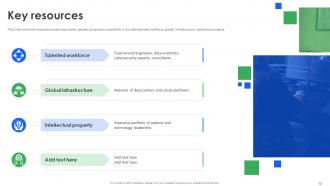
IBM maintains competitive advantage through strategic R&D investments, comprehensive service portfolios spanning cloud and AI, and long-term enterprise partnerships that create switching costs. The company leverages its consulting expertise, hybrid cloud capabilities, and industry-specific solutions to deliver integrated transformation services, with many organizations finding that IBM's combination of technology innovation and implementation support provides sustained operational efficiency and scalability advantages.
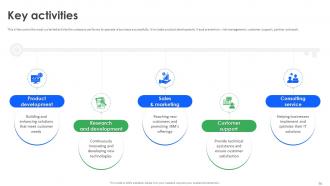
IBM's key activities include cloud infrastructure development, AI and machine learning solutions, enterprise software creation, cybersecurity services, and strategic consulting. These activities drive business success by enabling digital transformation across industries like banking, healthcare, and manufacturing, while delivering operational efficiency, enhanced security, and competitive advantage that ultimately positions IBM as an essential technology partner for enterprise-scale innovation.
IBM's sustainability emphasis transforms its business model by driving innovation in green technologies, attracting environmentally conscious clients, and creating new revenue streams through sustainable solutions. This strategic focus enables IBM to differentiate in competitive markets, reduce operational costs through energy efficiency, and strengthen partnerships with organizations prioritizing environmental responsibility, ultimately delivering enhanced brand value and long-term profitability.
IBM has faced challenges including legacy system integration complexities, cultural resistance to agile methodologies, and balancing traditional enterprise services with emerging cloud and AI technologies. These transformation hurdles have required significant organizational restructuring, workforce retraining, and strategic pivots, with many technology giants finding that modernizing established business models while maintaining client relationships ultimately delivers competitive advantage.
Organizations can learn from IBM's business model innovation by studying their strategic transformation from hardware manufacturing to cloud services, AI solutions, and consulting expertise. IBM's pivot demonstrates how established companies can reinvent their value propositions, with many enterprises finding that embracing emerging technologies while leveraging existing capabilities delivers sustainable competitive advantage.
IBM adapts its business model through strategic portfolio transformation, divesting legacy hardware divisions while acquiring cloud and AI companies, shifting from product sales to subscription-based services. The company leverages its consulting expertise to guide enterprise digital transformations, repositioning from traditional IT infrastructure to hybrid cloud solutions, ultimately delivering recurring revenue streams and deeper client partnerships in an increasingly service-oriented technology landscape.
-
Unique design & color.
-
Well-designed and informative templates. Absolutely brilliant!