


Incrementalism Theory Powerpoint Presentation Slides





Try Before you Buy Download Free Sample Product
 Impress Your
 Audience
 100%
100% Editable
 Save Hours
 of Time


Prepare small and long-term goals to achieve targets with the help of Incrementalism Theory PowerPoint Presentation Slides. The slides allow you to analyze the current situation of your company and the problems faced by your organization. Take advantage of integrated theories PPT slide deck to depict the need for introducing logical incrementalism in the company. You can conduct a strategic gap analysis by considering the focus areas, current, and future state action plans. The steps required for a logical incremental approach can be highlighted by using the organization theory PPT slideshow. Explain the bottom-up approach to implement logical incrementalism by using these PPT visuals. Discuss how logical incrementalism can help your company to grow by using our readily available PPT slide designs. The presentation also discusses business performance measuring metrics after a logical incremental approach. Thus, help your company reach the desired time frame by downloading a logical incrementalism PPT slideshow.
People who downloaded this PowerPoint presentation also viewed the following :
Content of this Powerpoint Presentation
Slide 1: This slide introduces Incrementalism Theory. State your Company name and begin.
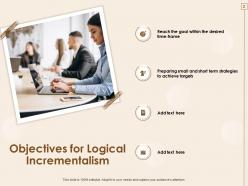
Slide 2: This slide displays Objectives for Logical Incrementalism
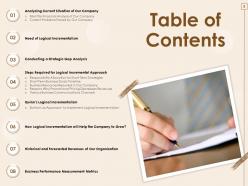
Slide 3: This slide shows Table of Contents.
Slide 4: This slide showcases Table of Content
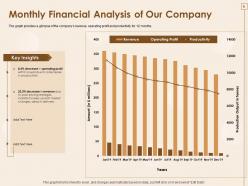
Slide 5: The graph in the slide provides a glimpse of the company’s revenue, operating profit and productivity for 12 months.
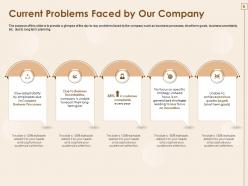
Slide 6: The purpose of this slide is to provide a glimpse of the day-to-day problems faced by the company such as business processes, short term goals, business uncertainty, etc. due to long term planning.
Slide 7: This slide displays Table of Content Need of Logical Incrementalism
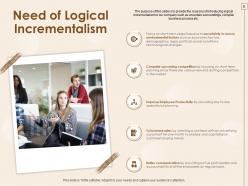
Slide 8: The purpose of this slide is to provide the reasons of introducing logical incrementalism in our company such as uncertain surroundings, complex business process etc.
Slide 9: This slide displays Table of Content containing- Conducting a Strategic Gap Analysis
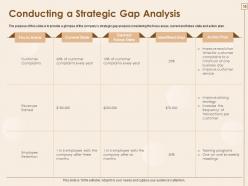
Slide 10: The purpose of this slide is to provide a glimpse of the company’s strategic gap analysis considering the focus areas, current and future state and action plan.
Slide 11: This slide displays Table of Content
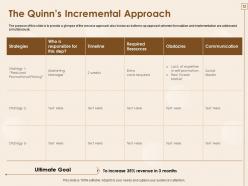
Slide 12: The purpose of this slide is to provide a glimpse of the crescive approach also known as bottoms-up approach wherein formulation and implementation are addressed simultaneously.
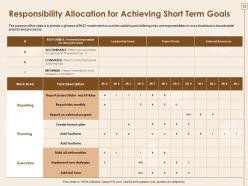
Slide 13: The purpose of this slide is to provide a glimpse of RACI model which is used for clarifying and defining roles and responsibilities in cross-functional or departmental projects and processes.
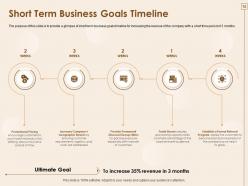
Slide 14: The purpose of this slide is to provide a glimpse of short term business goals timeline for increasing the revenue of the company with a short time period of 3 months.
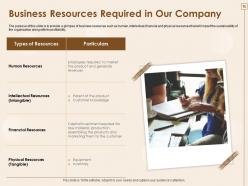
Slide 15: The purpose of this slide is to provide a glimpse of business resources such as human, intellectual, financial and physical resources that will impact the sustainability of the organization along with its profitability.
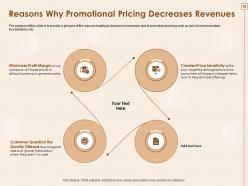
Slide 16: The purpose of this slide is to provide a glimpse of the reasons leading to decrease in revenues due to promotional pricing such as lack of communication, inconsistency, etc.
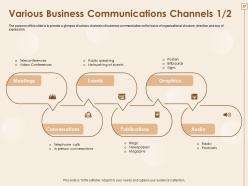
Slide 17: The purpose of this slide is to provide a glimpse of various channels of business communication on the basis of organizational structure, direction and way of expression.
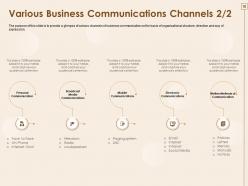
Slide 18: The purpose of this slide is to provide a glimpse of various channels of business communication on the basis of organizational structure, direction and way of expression.
Slide 19: This slide displays Table of Content
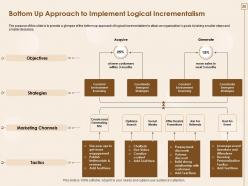
Slide 20: The purpose of this slide is to provide a glimpse of the bottom up approach of logical incrementalism to attain an organization’s goals by taking smaller steps and smaller decisions.
Slide 21: This slide shows Table of Content showing- How Logical Incrementalism will Help the Company to Grow
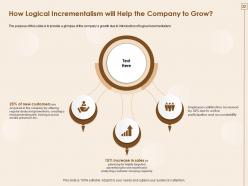
Slide 22: The purpose of this slide is to provide a glimpse of the company’s growth due to introduction of logical incrementalism.
Slide 23: This slide displays Table of Content
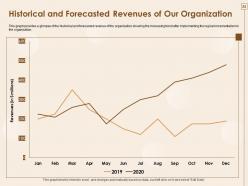
Slide 24: This graph provides a glimpse of the historical and forecasted revenue of the organization showing the increasing trend after implementing the logical incrementalism in the organization.
Slide 25: This slide displays Table of Content
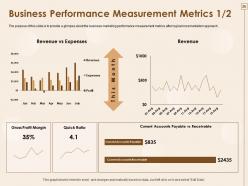
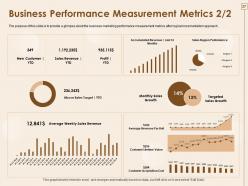
Slide 26: The purpose of this slide is to provide a glimpse about the business marketing performance measurement metrics after logical incrementalism approach.
Slide 27: The purpose of this slide is to provide a glimpse about the business marketing performance measurement metrics after logical incrementalism approach.
Slide 28: This is Incrementalism Theory Icons Slide.
Slide 29: This slide is titled as Additional Slides for moving forward.
Slide 30: This is Our Team slide with Names and Designations.
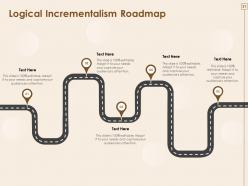
Slide 31: This slide shows Logical Incrementalism Roadmap
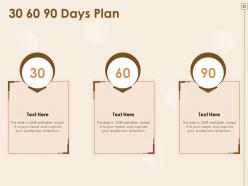
Slide 32: This is 30 60 90 Days Plan slide.
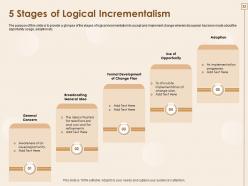
Slide 33: This slide displays 5 Stages of Logical Incrementalism
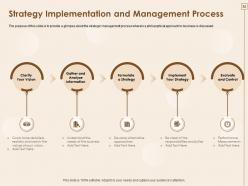
Slide 34: The purpose of this slide is to provide a glimpse about the strategic management process wherein a philosophical approach to business is discussed.
Slide 35: This slide displays Our Mission, Mission and Goals.
Slide 36: This is About Us slide with Company specifications.
Slide 37: This slide is titled as Post It Notes.
Slide 38: This is Thank You slide with Contact details.
Incrementalism Theory Powerpoint Presentation Slides with all 38 slides:
Use our Incrementalism Theory Powerpoint Presentation Slides to effectively help you save your valuable time. They are readymade to fit into any presentation structure.








FAQs for Incrementalism Theory
Honestly, just focus on small tweaks instead of massive overhauls when you're making decisions. You don't need the perfect solution - work with what you've got and improve bit by bit. Accept your limits upfront: time, info, resources, whatever. It's like fixing bugs in code (though I guess that analogy only works if you code lol). Don't rewrite everything from scratch. Real decisions happen under constraints anyway, so embrace that reality. Make steady progress instead of getting paralyzed by the big picture. Works way better when problems feel totally overwhelming.
So incrementalism is just taking baby steps with policy instead of doing massive changes all at once. You know how radical approaches want to flip everything overnight? That usually just pisses people off and nothing actually happens. With incremental stuff, you're working within what already exists and slowly building support. Yeah, it's painfully slow sometimes and kinda boring, but at least things actually change instead of getting blocked. People don't freak out as much when you're not threatening their whole world at once. If you're hitting walls, try chopping your big idea into smaller chunks first. Way less scary that way.
Honestly, incrementalism is clutch when you're dealing with really messy, high-stakes stuff where going too fast could blow up in your face. Like public policy changes or big organizational shakeups. It's perfect for those political situations where everyone's suspicious of each other but you still need their support. Works great when your budget's tight, you don't have all the info yet, or the cost of screwing up is just too high. Oh, and when you can actually afford to move slow - which isn't always the case, obviously. You'll want to use it when you can test things out and pivot as you figure out what works.
Oh totally! Social Security's the perfect example - started tiny in 1935 and just kept growing bit by bit. Same with the Clean Air Act, they don't overhaul everything at once, just tighten emissions gradually. Healthcare does this too (Medicare didn't get prescription coverage until way later). Even minimum wage - politicians love those small bumps instead of huge jumps that'd freak everyone out. Makes sense honestly, people hate big changes. Incremental stuff gets way less pushback and you can actually see what's working before going further. Way smarter approach if you're trying to get anything passed.
So basically, people trash incrementalism because it's way too cautious - like you're just slapping bandaids on everything instead of actually fixing stuff. Critics say it protects whoever's already in power and shuts out people who don't have a voice. Plus it can be super inefficient, right? Just tons of tiny tweaks when what you really need is major reform. I mean, sometimes you actually DO need to blow things up and start over. Just don't let incremental changes become an excuse to avoid the big scary changes that might actually matter.
So incrementalism is just making tiny tweaks instead of massive overhauls. Like when you're driving - you don't map out every single turn, you just adjust the wheel as you go. Government stuff is way too unpredictable for those big fancy plans anyway (they usually crash and burn). You test small changes, see what works, then pivot if it doesn't. The trick is setting up good feedback loops so you'll catch problems early. Way smarter than betting everything on some grand strategy that'll probably fall apart. It's basically the "let's not screw this up too badly" approach to policy.
Look, with incremental changes you're gonna need people on board at every step - otherwise you'll hit walls constantly. Map out who actually matters for each small change first. Then set up regular check-ins (not just one-and-done meetings). Yeah it takes forever and honestly feels repetitive sometimes, but catching pushback early beats dealing with major resistance later. Your employees, customers, whoever - they need to feel like they're part of the process. That's really the only way small steps actually stick instead of getting reversed.
Don't think of incrementalism as this separate thing - it actually plays really nice with other approaches. Like, use scenario planning to test your small moves against different futures. Or pair it with systems thinking so you can see how changes ripple out. Here's what I'd do: go big with something like Blue Ocean Strategy for vision, then roll it out incrementally to avoid face-planting. Works way better than betting the farm on one massive change. Figure out which chunks of your strategy could be broken into smaller, testable pieces first.
So basically, incremental change is about taking baby steps instead of doing some massive company overhaul. People freak out way less when you're just tweaking things bit by bit - nobody likes getting their whole world flipped upside down, you know? Plus you can actually test stuff out and fix things that aren't working without creating total chaos. Small wins add up over time, and honestly it's just smarter than gambling everything on one huge change. The trick is figuring out what can be broken into smaller pieces and setting up checkpoints so you know you're headed in the right direction.
Honestly, incrementalism just can't keep up when shit's really hitting the fan. Climate change doesn't care about your baby steps, you know? The whole "gradual change" thing sometimes makes people think we're actually fixing problems when we're really just putting band-aids on them. Political negotiations drag on forever too - God, the endless compromising drives me nuts. By the time anything meaningful happens, everyone's moved on to the next crisis. Don't get me wrong, small changes have their place. But for the big urgent stuff? You need something that actually matches the scale of the problem.
So basically, when you take small steps you can pivot way faster than if you're stuck with some huge master plan. Like navigating a crowded bar - you just weave around people instead of trying to plow straight through, you know? Plus you'll catch problems super early since you're getting feedback constantly. Unexpected stuff comes up? No big deal, just tweak your next move. I honestly think this is way less stressful than the whole "map out everything perfectly" approach. Each little step teaches you something, so you're always learning what actually works versus what you thought would work.
For tracking progress, I'd focus on hard numbers first - cycle times, error rates, cost savings. That stuff doesn't lie. But honestly? The softer metrics matter just as much. Are people actually using the new process or finding workarounds? Check satisfaction scores and adoption rates regularly. Watch for weird ripple effects too - sometimes fixing one thing breaks something else entirely. I learned that the hard way on a project last year. Set up check-ins every couple weeks and be ready to adjust if things aren't clicking. The "stickiness" is what really counts.
Honestly, just be super upfront about why you're making each change and how it fits the bigger plan. Don't let tweaks look random - that's when people get annoyed. Instead of saying "we're pivoting again," try "we're fine-tuning based on what we learned." Way better framing. Share the actual data or feedback that led to the decision too. I get that incremental feels painfully slow sometimes, but those small changes really do add up. Plus you're not taking huge risks that could blow up in your face. Teams need to see how each adjustment builds on the last one and gets you closer to where you're going.
Oh man, cultural context changes everything with incremental approaches. Japan and Scandinavia? They love gradual change and consensus-building, so small steps work perfectly. But try that in Silicon Valley startup culture and you'll look indecisive as hell. Risk tolerance is wild too - some places want you to "fail fast" while others need months of planning. Honestly, I'd figure out your environment first, then adjust accordingly. Pro tip: if you're somewhere action-oriented, just rebrand your incremental steps as "strategic phases" and suddenly everyone's on board.
Honestly, tech companies nail this approach all the time. Look at smartphones - they didn't launch with triple cameras and Face ID right away. Started basic, then slowly added better cameras, multiple lenses, all that fancy stuff. Tesla's doing the same thing with EVs, gradually boosting battery range instead of waiting for some magical perfect solution. Even ChatGPT rolled out pretty basic at first (though I guess that's kinda meta since I'm using it to talk about this lol). Facebook and Instagram are constantly tweaking things too - those tiny updates we all love to hate. My advice? Don't try to revolutionize everything overnight. Start small, see what works, then build from there.
-
Great product with effective design. Helped a lot in our corporate presentations. Easy to edit and stunning visuals.
-
Awesomely designed templates, Easy to understand.
-
Understandable and informative presentation.
-
Helpful product design for delivering presentation.
-
Presentation Design is very nice, good work with the content as well.
-
Great experience, I would definitely use your services further.
-
The Designed Graphic are very professional and classic.
-
Use of icon with content is very relateable, informative and appealing.