


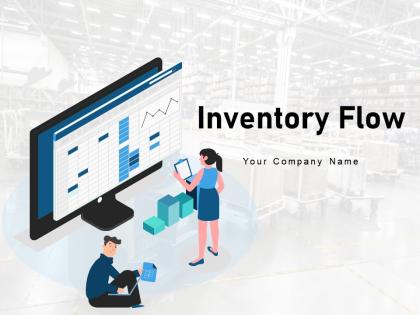
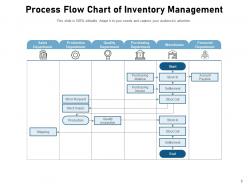
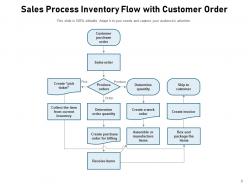
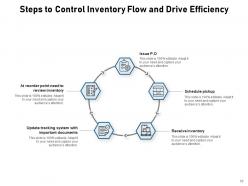
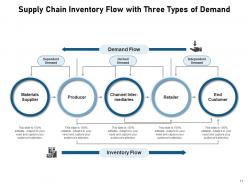
Inventory flow analysing production management planning process customer documents




Try Before you Buy Download Free Sample Product
 Impress Your
 Audience
 100%
100% Editable
 Save Hours
 of Time


Our Inventory Flow Analysing Production Management Planning Process Customer Documents are topically designed to provide an attractive backdrop to any subject. Use them to look like a presentation pro.
People who downloaded this PowerPoint presentation also viewed the following :
Inventory flow analysing production management planning process customer documents with all 12 slides:
Use our Inventory Flow Analysing Production Management Planning Process Customer Documents to effectively help you save your valuable time. They are readymade to fit into any presentation structure.
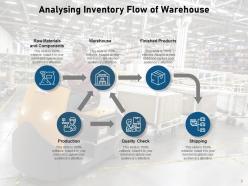
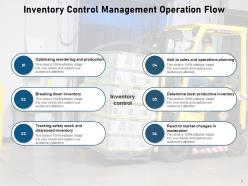
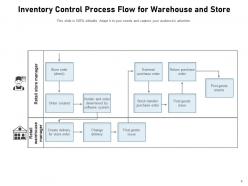
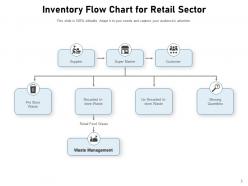
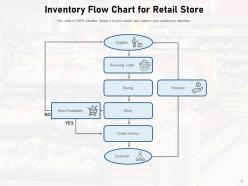
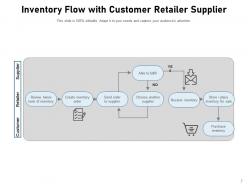

FAQs for Inventory flow analysing production management planning
Honestly, it boils down to three things: know your current stock, figure out what you'll actually need, and nail the timing. Don't tie up cash in excess inventory, but also don't piss off customers with stockouts - been there, not fun. ABC analysis helps you focus on the expensive stuff first. Set solid reorder points and do regular cycle counts (boring but necessary). Demand forecasting is huge too, though it's more art than science sometimes. Start with clean data and a decent tracking system. Everything else you can build on top of that foundation once you've got the basics locked down.
So basically you take your correct counts, divide by total items, times 100 - boom, accuracy percentage. Most places shoot for 95% or better. Honestly, those annual inventory counts are the worst, so do cycle counts throughout the year instead. Way less painful. Check your high-value stuff first since that's where mistakes actually cost you money. I'd also compare what your system says versus what you physically count - that variance tells you a lot. Just stay consistent with however you're counting and do random spot checks. It doesn't have to be perfect from day one.
Honestly, you can't really do inventory well anymore without decent tech. RFID and barcode scanning give you real-time tracking, which is huge. AI forecasting actually learns your sales patterns - way better than guessing. Automated reordering saves you from those panic "we're completely out" situations. Cloud systems let you check stock across locations from your phone or whatever. I mean, you could still do everything manually but that sounds like torture. Just make sure whatever system you pick plays nice with your current setup. Nobody wants to juggle multiple platforms all day.
Honestly, inventory is such a nightmare for small businesses. Cash flow is probably the worst part - you can't stock everything you need without going broke. Then there's trying to guess what customers actually want, which is basically impossible. Manual tracking systems? Yeah, those are a recipe for screwing things up constantly. Plus you're dealing with tiny storage spaces and suppliers who don't really care about your small orders. The whole thing is finding that sweet spot between having enough stuff without your money just sitting there on shelves. I'd say start with a basic inventory system and just focus hard on tracking your best-selling products first.
JIT can really help your supply chain run smoother - less waste, faster responses to changes. Storage costs drop big time, plus you won't get stuck with outdated inventory. Here's the thing though, your suppliers need to be rock solid. Any mess-ups and you're in trouble fast. The coordination has to be perfect, honestly it's kind of stressful at first. But it pays off - better cash flow, lower costs, you can actually respond when demand shifts. I'd say test it with products you know inside and out. Build that trust with suppliers first before diving in completely.
FIFO is everything - oldest stuff goes out first. Most places suck at this because checking dates is boring, but you've gotta be religious about it. Label everything clearly and train your people to actually look at dates when they restock. With perishables, order less than you think you need - better to sell out than toss expired food. Temperature monitors help too if that's relevant. Honestly, I'd start by tracking what you're throwing away for a week. That'll tell you exactly where the problem is. Maybe work with suppliers who can deliver smaller batches more often?
Start by doing an ABC analysis - group your stuff by value and how fast it moves. Dead inventory sitting around is usually the biggest money drain, so audit what you've got first. You'll probably be shocked at what's just collecting dust. For fast-moving items, just-in-time ordering is clutch, but supply chain issues can screw you over. Set reorder points using real sales data, not guesswork. Safety stock levels need regular reviews too. EOQ calculations are helpful but honestly? Most people overthink it. Focus on demand forecasting and don't tie up cash in slow sellers.
Honestly, it really comes down to what size you're dealing with. QuickBooks Commerce and Zoho Inventory work great for smaller companies - super easy to use and they sync up with your accounting stuff without being a headache. Bigger operations might need NetSuite or SAP, but those are honestly way too much for most people. Cin7's pretty solid too if you're somewhere in between. I'd say grab trials for like 2-3 different ones and just see what clicks with your team. No point getting something that'll make everyone want to quit, you know?
So basically, you need to figure out how much stuff to order and when. Look at your sales data from the past year or so - you'll start seeing patterns and seasonal stuff. Good forecasting means you won't run out of inventory (customers hate that) but you also won't have tons of extra products just sitting there draining your cash. I always think the sweet spot is using your historical numbers plus whatever market changes you're seeing. This helps you nail down reorder points and safety stock. Oh, and it's super helpful for planning around holidays or busy seasons before they actually hit.
Honestly, start with demand forecasting using your actual sales data instead of winging it. ABC analysis is clutch - categorize stuff by value so you're not hoarding cheap items that sit forever. Just-in-time ordering works great if your suppliers don't flake (learned that the hard way). Set automated reorder points and obsess over turnover rates. Regular audits are probably the biggest win though - catches dead inventory before it kills your cash flow. Don't try fixing everything at once. Pick one thing this month and actually stick with it.
Dude, barcodes are a total game changer for inventory. You'll cut human errors by like 95% - no more fat-fingering numbers into spreadsheets. Scanning takes seconds vs writing everything down by hand. Real-time stock levels mean you actually know what's sitting on your shelves instead of playing the guessing game. The data automatically feeds into your system too, so reports basically make themselves. Oh, and definitely start with your fast-moving stuff first when you roll this out. That's where you'll feel the difference immediately.
Honestly, good inventory management is a game-changer for keeping customers happy. You'll avoid those nightmare scenarios where someone orders something and you're like "oops, we're out for three weeks." Quick order fulfillment keeps people coming back. The trick is hitting that balance - enough stock to meet demand but not so much that you're drowning in products nobody wants. I learned this the hard way once with way too many seasonal items sitting around. Track your fill rates and how fast you complete orders. Those numbers don't lie and will show you exactly where you stand.
Dude, bad inventory management is like a slow poison for your business. You'll either run out of stuff when customers want it (super annoying) or you're stuck with tons of products nobody's buying. Storage costs pile up, things expire or become outdated, and your cash gets trapped in dead inventory. Customer satisfaction tanks, suppliers get frustrated with your weird ordering patterns. Honestly, I've seen businesses fail just from this alone. Start tracking everything better and do regular counts to figure out what actually sells. Once you know your real demand patterns, everything else gets easier.
Pick a slow period first - saves you so much headache. Get your team prepped with clear assignments beforehand. Cycle counting is way better than doing one huge annual audit, trust me on this. Spreads the work out and you catch problems early. Update your system before starting, obviously. Bring in temp workers if you need them (no shame in that). The boring part: document everything as you go. Oh, and don't let big discrepancies sit there - investigate them right away or they'll just snowball into a bigger mess later.
Honestly, AI stuff is crushing it for inventory management right now. You can predict demand way better than the old-school methods - saves you from having too much junk sitting around or running out of popular items. Real-time tracking across all your channels is pretty much expected now. The automated reordering is getting crazy good at handling seasonal spikes too. I'd definitely look into better forecasting tools first if you don't have them yet. It's kind of insane how much clearer everything is compared to even like three years ago.
-
Awesome presentation, really professional and easy to edit.
-
Awesome presentation, really professional and easy to edit.
-
Helpful product design for delivering presentation.
-
Awesome use of colors and designs in product templates.
-
Good research work and creative work done on every template.
-
Great quality slides in rapid time.