

IOT Healthcare Powerpoint Ppt Template Bundles





Try Before you Buy Download Free Sample Product
 Impress Your
Audience
 100%
Editable
 Save Hours
of Time


Introducing our comprehensive IoT Healthcare PowerPoint PPT presentation, a game changer for the medical industry. Discover the transformative potential of IoT Medical Devices, enabling healthcare professionals to deliver personalized and efficient patient care. Explore the world of IoT Health Monitoring, where real time data collection and analysis empower early detection of health issues, enhancing preventive measures and patient outcomes. Witness the cutting edge technology of IoT Wearable Devices, empowering individuals to actively manage their health and wellness. Our PPT showcases how IoT applications revolutionize healthcare, improving efficiency, reducing costs, and enhancing patient engagement. Embrace the future of healthcare with this visionary presentation, and stay ahead in the era of connected medicine. Elevate your healthcare strategies and ensure a healthier future for all.
People who downloaded this PowerPoint presentation also viewed the following :
IOT Healthcare Powerpoint Ppt Template Bundles with all 36 slides:
Use our IOT Healthcare Powerpoint Ppt Template Bundles to effectively help you save your valuable time. They are readymade to fit into any presentation structure.









FAQs for IOT Healthcare Powerpoint
Honestly, the monitoring stuff is where you'll see the biggest impact - those sensors catch everything 24/7 and ping staff right away when vitals go weird. Remote monitoring is pretty game-changing too, lets you track patients at home before things get scary. The data accuracy goes way up since it's all automated instead of nurses doing manual checks every few hours (and let's be real, that gets missed sometimes). Oh, and the paperwork reduction alone will make your staff happy. Better resource planning, fewer readmissions. Just start with one small pilot program first - way easier to prove it works before going all-in.
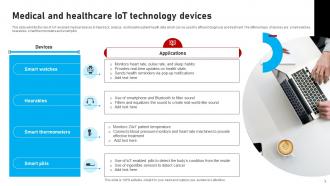
IoT devices are game-changers for keeping tabs on patients without trapping them in hospital beds. Wearables and smart sensors track heart rate, blood glucose - you name it. Real-time data flows straight to doctors who can spot trouble brewing before it hits crisis mode. Honestly, the tech is wild these days. Patients get instant feedback too, so they're way better at managing their own conditions. Short story: get remote monitoring set up for chronic care patients. You'll catch issues faster and - this is huge - keep people out of emergency rooms where nobody wants to be anyway.
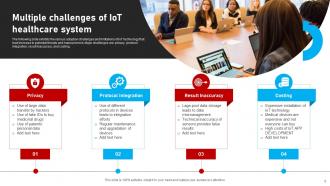
Oh man, where do I even start? Security's the big one - healthcare data is like gold to hackers, so you need rock-solid protection. Getting new devices to play nice with your current systems is a nightmare too. Your staff will probably hate learning new tech (doctors can be surprisingly stubborn about this stuff). Costs hit hard upfront even though you'll see returns eventually. Integration always takes way longer than they promise. My take? Pick one device type first, get your security bulletproof, and don't scale until your IT team actually knows what they're doing.
So basically, you need encryption for everything - when data's moving around and when it's just sitting there. HIPAA compliance is non-negotiable obviously. The real headache? All these connected devices create a million different ways for hackers to get in. Security teams probably don't sleep much these days. Look for vendors who can actually prove they do end-to-end encryption, not just say they do. Strong authentication is huge too, plus you'll want regular updates. Don't forget to check those third-party integrations - they're usually the weak link that bites you later.
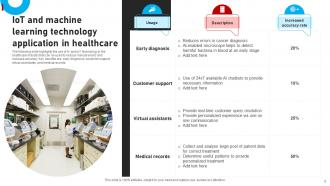
So ML takes all that messy data from your fitness tracker and actually makes sense of it. Like, instead of just seeing numbers for heart rate and sleep, the algorithms spot patterns and can predict health problems early. Pretty crazy what they catch that doctors might miss - they're learning from millions of data points. The personalized treatment stuff is getting really good too. Oh, and definitely focus on clean data first because if you feed it junk, you'll get junk back. That's still the biggest thing people mess up.
Oh totally! Remote monitoring is a game-changer - catches problems before people end up in the ER, which saves a ton. Wearables let patients manage stuff like diabetes at home instead of constant hospital visits. Even simple med reminders prevent expensive complications when people forget doses. The whole data thing is honestly pretty crazy when you think about it. You're basically flipping from "wait until something breaks" to actually preventing issues, which costs way less long-term. I'd probably start with small pilot programs targeting your most expensive patients first.
Honestly, API compatibility should be your first move - trust me on this one. Pick a single department to test everything out instead of going all-in right away. Your IoT stuff needs to play nice with whatever EHR system you're already using, otherwise you're just creating expensive paperweights. Security's non-negotiable since it's patient data we're talking about, so encrypt everything and audit regularly. Staff training is huge too because even the coolest tech is worthless if your team can't figure it out. Oh, and make sure you actually nail that first department before expanding - I've seen too many places rush this part and regret it later.
The biggest game-changer is getting continuous data instead of those random checkups every few months. Your wearables track heart rate, blood pressure, glucose - whatever you need for your condition. If something looks weird, it automatically pings your doctor before you even feel symptoms. That's honestly pretty reassuring. Short bursts of info become this complete picture of how you're actually doing day-to-day, not just that one moment when you're sitting in the clinic. I'd start by asking your doctor which devices would actually be worth it for your specific situation - some are more useful than others.
Dude, IoT stuff is seriously cutting down emergency response times. Your smartwatch or whatever can automatically call 911 when it detects heart issues or if you fall - my aunt's Apple Watch literally did this last month. The crazy part? Hospitals get all your vitals and medical history sent over before the ambulance even arrives, so they're already prepping. You don't have to be awake or able to call yourself. Honestly, get your parents some kind of health monitoring device if they don't have one already. Could save their life.
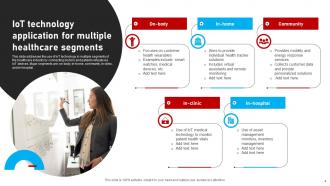
So IoT basically turns your house into like a mini medical center - pretty wild when you think about it. Your blood pressure cuff, glucose monitor, all that stuff automatically sends data straight to your doctor. No more driving to appointments just for check-ups. For people managing chronic stuff, it's honestly a lifesaver. If your vitals go crazy, medical teams get alerts right away instead of waiting weeks between visits. Way better than those random snapshots doctors usually work with. I'd probably start with whatever health thing worries you most and go from there.
Honestly, it's scary how many hospitals don't change default passwords on medical devices - like, that's Security 101. You've got bigger issues too though. Ransomware can literally shut down life support equipment, hackers intercept patient data over unencrypted connections, and firmware updates? Yeah, those basically never happen. Oh and here's the fun part - most places don't separate these devices on the network, so one infected insulin pump can compromise everything. I'd start by just figuring out what's actually connected to your system right now.
So IoT is actually pretty game-changing for medication compliance. Smart pill bottles send alerts when patients skip doses, and the data goes straight to your dashboard. Those automated dispensers can lock pills until it's time - honestly feels a bit Big Brother-ish but it works. Wearables track vitals to see if meds are doing their job. Apps send personalized reminders based on how each patient behaves. Best part? You'll catch problems before their next visit instead of playing catch-up. I'd start with your riskiest patients and test one solution first.
Honestly, there's some pretty interesting stuff happening with IoT mental health apps right now. Fitbits and similar wearables are tracking sleep and stress - which is actually more useful than I thought it'd be. Smart chatbots check in with therapy patients between sessions, and there are these sensor systems that pick up on behavioral changes in real-time. Hospitals are getting fancy with ambient sensors too, monitoring how patients move around and interact socially. The game-changer though? These devices can spot trouble brewing before someone hits crisis mode. I'd look into partnerships between wearable companies and mental health platforms if you're curious - that's where the exciting developments are.
So basically your smartwatch becomes like having a mini doctor on your wrist 24/7. It tracks heart rate, sleep, activity, blood oxygen - all that stuff you'd normally only get checked once a year (assuming you don't skip your physical like I do). The cool part is it analyzes everything in real-time and can spot weird patterns before they turn into actual problems. Like if your heart rhythm gets funky or you're showing early diabetes signs, you'll get alerts way before you'd notice anything yourself. Gives you time to actually do something about it instead of finding out too late.
Wearables detecting diseases before you even feel sick? That's where we're headed with AI diagnostics. Remote monitoring is about to blow up too, especially for stuff like diabetes and heart problems. But honestly? The real game-changer will be when all these devices actually talk to each other properly. Right now everything's so fragmented - drives me crazy. 5G should make telemedicine way less glitchy though, which is overdue. If you're thinking investments, interoperability is key. That's what'll separate the winners from the companies that fizzle out.
-
Qualitative and comprehensive slides.
-
It’s really cool, and you can find pretty much everything you could need for your work or school.