IOT In Smart Cities Powerpoint Ppt Template Bundles

Rating:
90%
IOT In Smart Cities Powerpoint Ppt Template Bundles
Slide 1 of 43
Favourites Favourites

Try Before you Buy Download Free Sample Product

Audience Impress Your
Audience
Editable 100%
Editable
Time Save Hours
of Time
The Biggest Sale is ending soon in
0
0
:
0
0
:
0
0
Rating:
90%
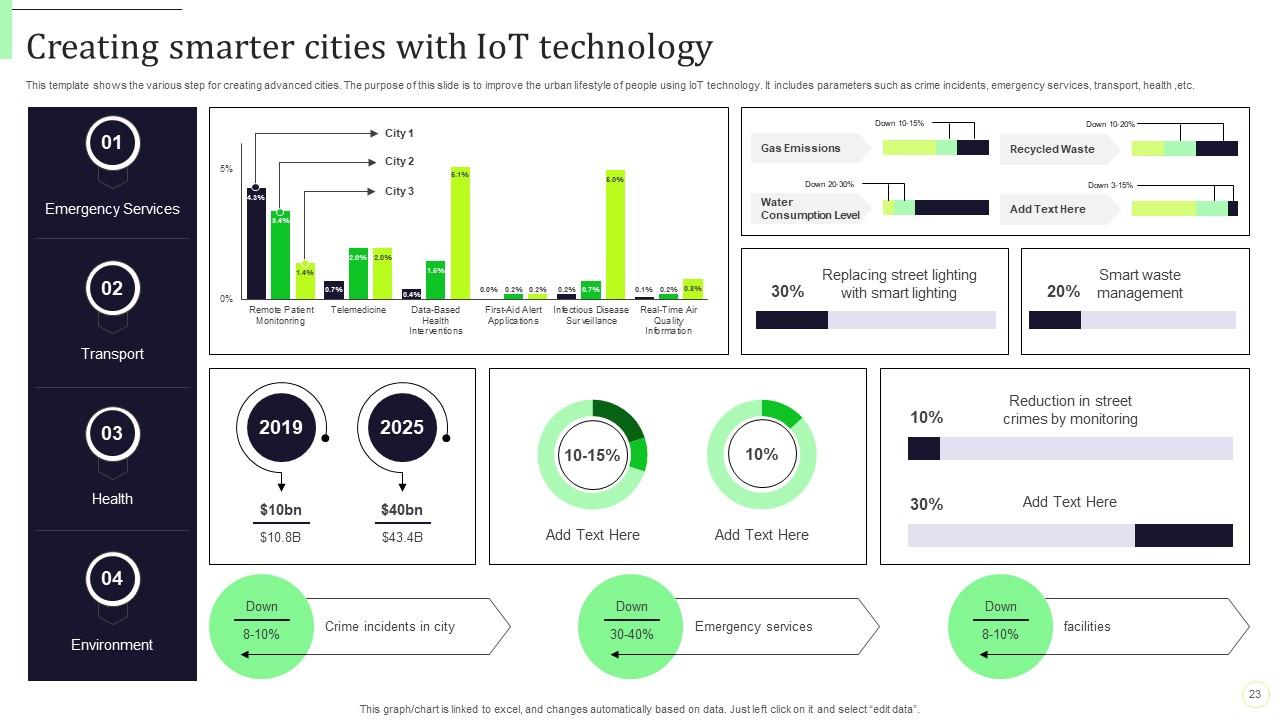
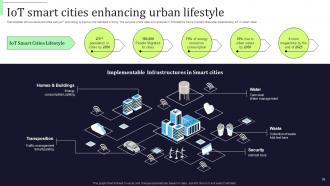
Deliver a lucid presentation by utilizing this IOT In Smart Cities Powerpoint Ppt Template Bundles. Use it to present an overview of the topic with the right visuals, themes, shapes, and graphics. This is an expertly designed complete deck that reinforces positive thoughts and actions. Use it to provide visual cues to your audience and help them make informed decisions. A wide variety of discussion topics can be covered with this creative bundle such as Advanced City, Digital City, Internet Of Things For Smart Cities, Smart City Devices, Application Of Iot In Smart City, Smart And Connected Cities In Iot. All the thirty five slides are available for immediate download and use. They can be edited and modified to add a personal touch to the presentation. This helps in creating a unique presentation every time. Not only that, with a host of editable features, this presentation can be used by any industry or business vertical depending on their needs and requirements. The compatibility with Google Slides is another feature to look out for in the PPT slideshow.

FAQs for IOT In Smart Cities Powerpoint

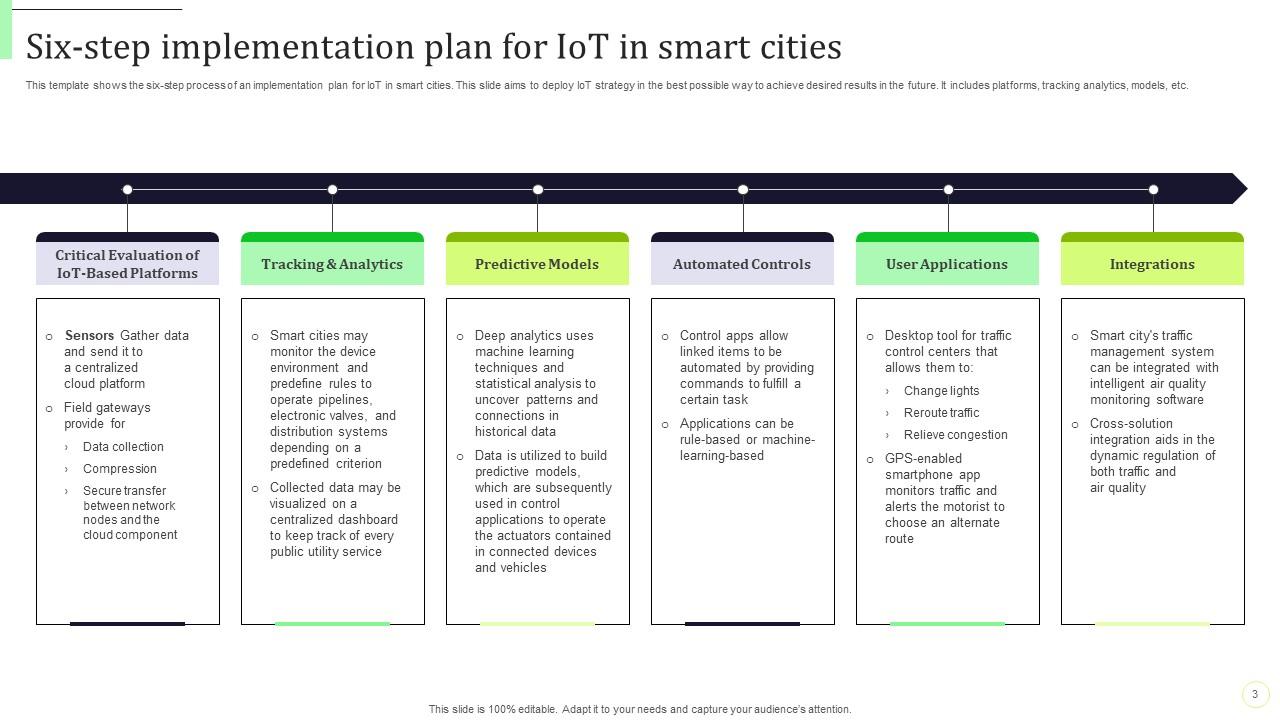
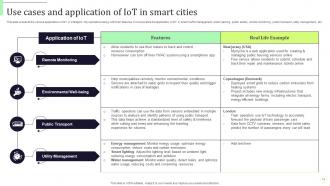
So basically you've got sensors everywhere collecting data - air quality, traffic, whatever. That info gets sent through 5G or WiFi to cloud platforms for analysis. Then actuators kick in and actually do stuff, like changing traffic lights. Edge computing is pretty key too since it processes things locally instead of sending everything to the cloud first. Way faster that way. Oh, and here's a tip - figure out exactly what sensors you need before getting caught up in all the cool tech options. Trust me on that one, it'll save you headaches later.

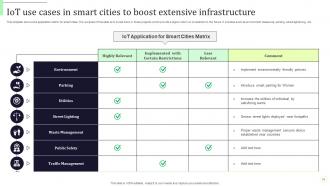
So basically, IoT sensors watch traffic patterns and adjust lights automatically - way better than those ancient preset timers most cities still use. Cameras and road sensors all chat with each other to keep things moving. Honestly, the parking management part is genius because half our traffic problems come from people hunting for spots. Your phone apps can pull real-time data too, so you're not driving blind into some nightmare backup. I'd say figure out where traffic sucks the most in your area first. That's where you'll want sensors doing their thing.

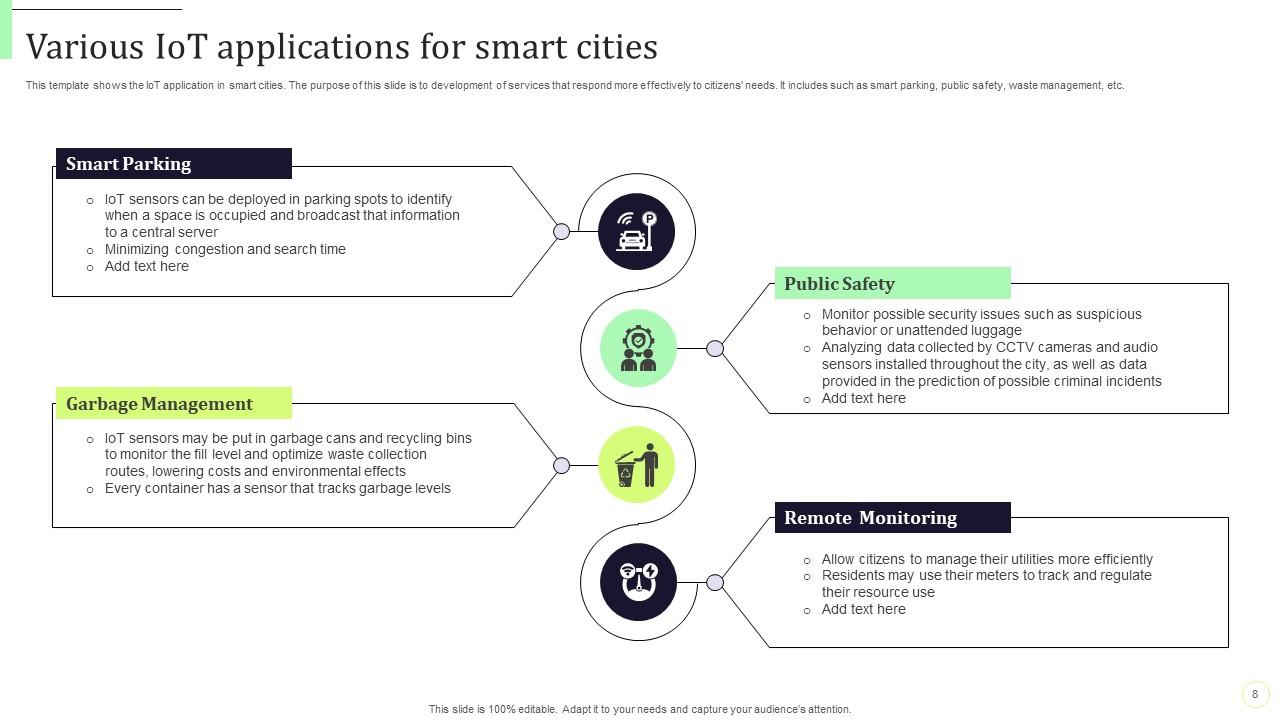
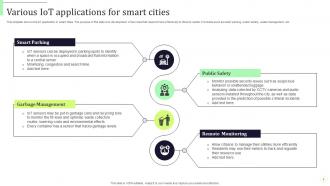
So basically IoT turns your whole city into this massive connected safety web. Smart cameras do facial recognition, sensors pick up gunshots, emergency buttons ping exact locations to first responders. Everything syncs together - traffic lights clear paths for ambulances automatically, cops get live updates on their phones. Pretty wild how it can predict crime patterns too before stuff gets bad. Oh and if you're actually looking into this - honestly I'd start by connecting whatever emergency systems you already have instead of building everything new. Way easier that route.

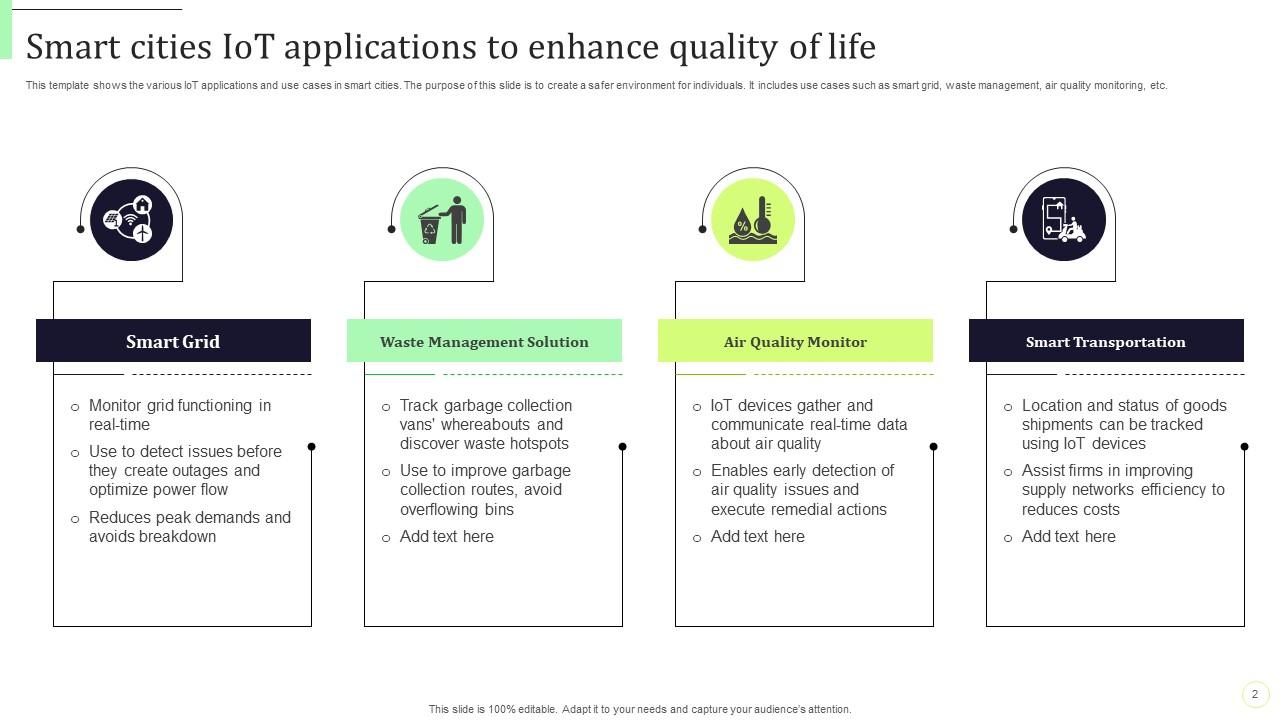
IoT waste sensors are honestly a game-changer for cities. Bins tell trucks when they're actually full instead of drivers following the same routes whether they need to or not. Saves a ton on fuel and labor. The data shows you patterns too - like which neighborhoods fill up faster. Citizens can report overflowing bins through apps. I've seen this working in a few cities now and the ROI is pretty immediate, which city managers love. If you're pitching smart city stuff, waste management is usually where they'll bite first since it's such an obvious money-saver.

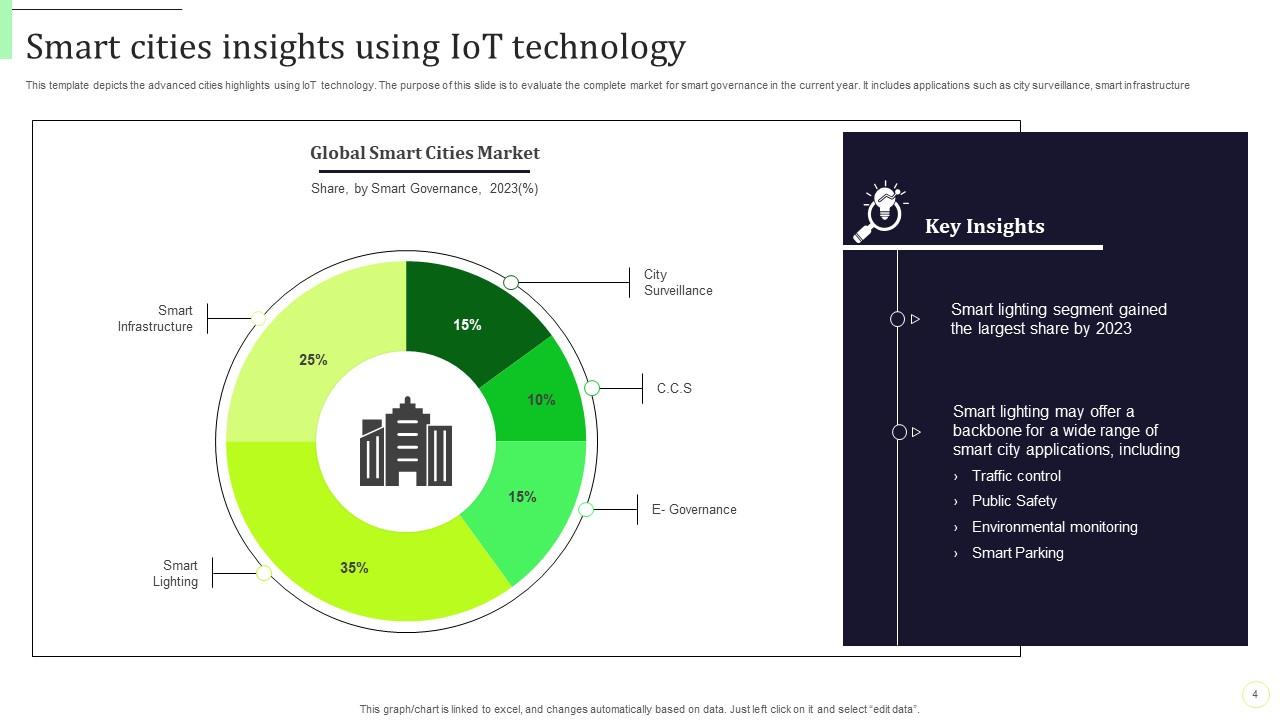
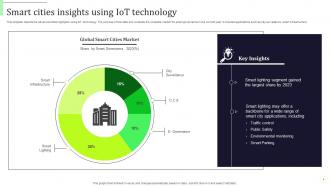
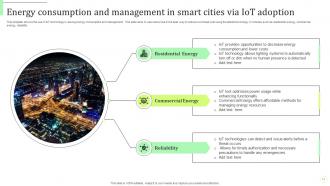
Smart lighting with IoT sensors can slash city energy use by 20-50%, which is honestly pretty impressive. The lights automatically dim when streets are empty and brighten up when people walk by. Weather and time of day factor in too - so you're not wasting power on full brightness at 3am or during a sunny afternoon. Plus the sensors catch broken bulbs right away instead of letting them drain energy for weeks. They all talk to each other across neighborhoods, sharing data. I'd say start with busy areas first since that's where you'll see the biggest savings and fastest payback.

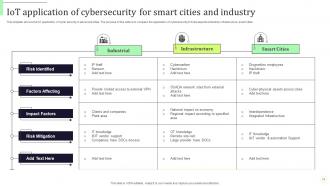
Honestly, the biggest pain is that most city infrastructure is ancient and wasn't built for this stuff. Retrofitting sensors everywhere gets crazy expensive fast - nobody wants to tear up working systems. Different vendors don't play nice together either, which creates integration hell. Then you've got cybersecurity issues when you start connecting critical infrastructure to networks (scary thought, right?). Getting city departments to cooperate is like herding cats. My advice? Find the easy wins first. Look for spots where you can add IoT sensors without major construction or system overhauls.

So IoT data shows you what's actually happening in real-time instead of just guessing what people need. Traffic sensors, air quality stuff, all that feeds into apps citizens can use - like seeing which bus is really coming or finding parking spots. Citizens can report problems directly through these connected systems too. Honestly, transportation data tends to be the most useful starting point. Pick one area first - maybe transit or garbage collection - and build a basic dashboard around that data. Way easier than trying to do everything at once, and you'll actually see if people use it.

Honestly, it's pretty creepy how much data these smart city sensors grab. Cameras and location trackers are everywhere, building profiles of where you go and what you do daily. Most people don't even realize their city's collecting all this stuff. The worst part? Cities share or sell your data to random companies without asking. Security's usually trash too, so hackers can easily get in. I'd definitely look into what your city's actually tracking and bug them for clearer privacy rules. My cousin found out her city was monitoring way more than she thought.

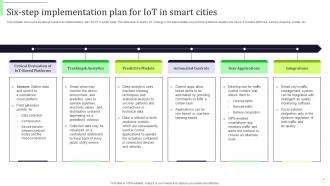
So basically IoT sensors turn your whole city into this massive data network. Pretty wild stuff - they track air quality, water usage, traffic, even when garbage trucks should come by. City planners can actually spot problems before they blow up, which is smart. The data helps optimize streetlights, pickup routes, all that boring infrastructure stuff that actually saves money and cuts emissions. Honestly feels like living in the future sometimes. You could start small though - just monitoring air quality in your neighborhood shows patterns you'd never catch otherwise. Even that little bit of data is eye-opening.

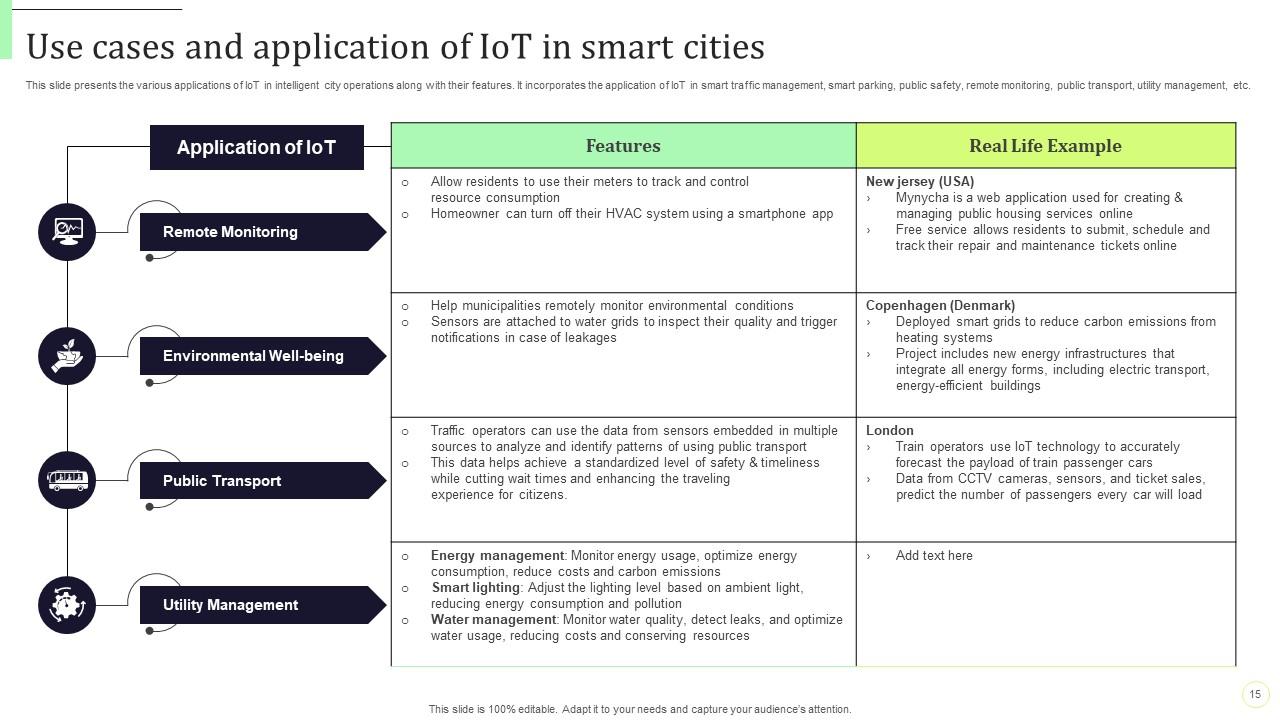
Dude, Singapore's traffic lights are insane - they adapt in real-time and cut congestion by like 40%. Barcelona's doing cool stuff with smart parking sensors and water management. Amsterdam has thousands of sensors tracking air quality and noise (plus those waste bins that actually tell you when they're full, which is weirdly satisfying). Copenhagen's got bike-sharing systems and street lights that dim when nobody's walking by. Honestly, Singapore's where I'd start if you're looking for ideas. Their whole traffic system is just... *chef's kiss*. What kind of project are you working on anyway?

Dude, those IoT sensors are actually pretty cool - they track buses and trains so you get real arrival times instead of standing there forever wondering where your ride is. The payment stuff is seamless too, just tap your phone or card. Plus cities can see which routes are packed and adjust schedules based on real demand and traffic. Honestly the vehicle monitoring thing is smart - they can predict when buses need maintenance before they break down mid-route (which is the worst). Download your city's transit app if they have one with live tracking. Seriously saves so much waiting around time.

Focus on MQTT and CoAP for messaging first. WiFi and LoRaWAN handle connectivity pretty well, plus you'll want IPv6 since you're gonna have a ton of devices. JSON and REST APIs are basically everywhere now. But here's the thing - don't go crazy with protocols. I've watched teams crash and burn trying to use every "standard" out there. Start with something like AWS IoT or Azure that already sorts out the messy interoperability stuff. Way easier than building from scratch. Pick one messaging protocol and actually stick with it. Seriously, the protocol soup gets ridiculous fast if you're not careful.

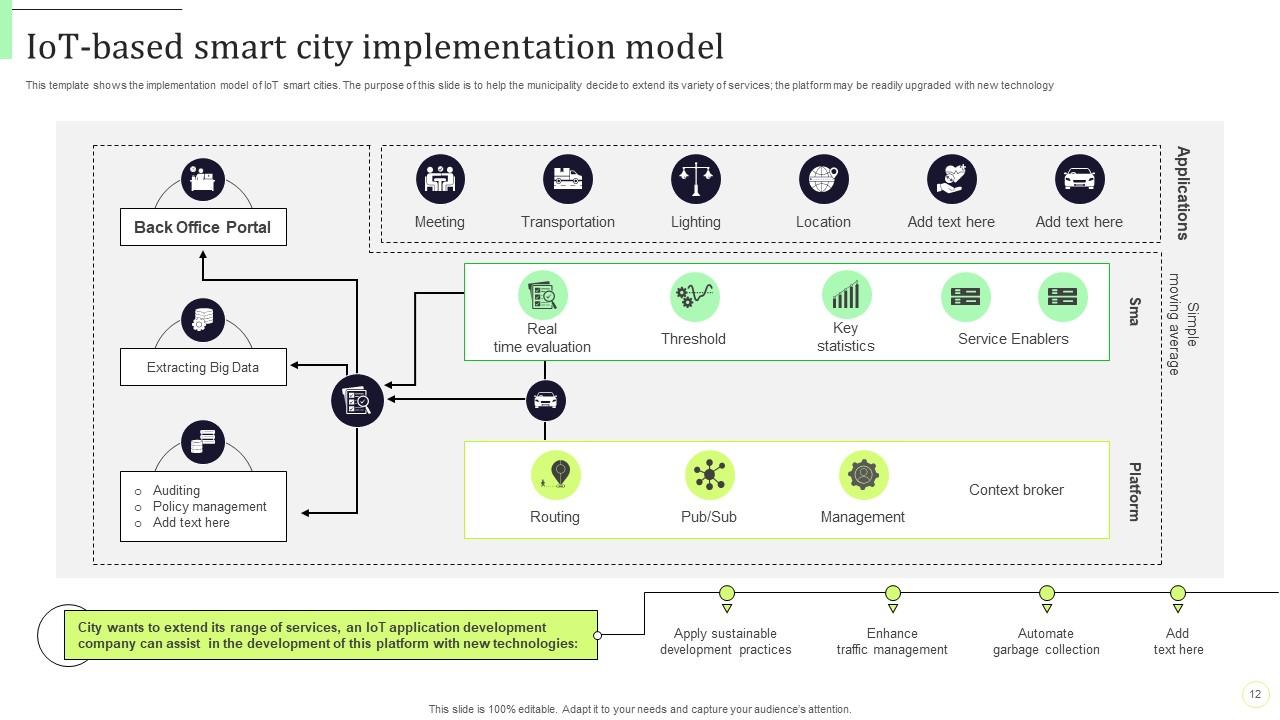
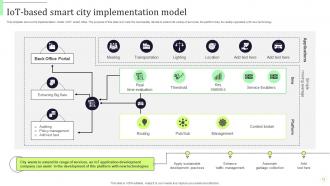
So basically you scatter these IoT sensors around the city - they're tracking traffic, air quality, all that stuff. Data goes straight to control centers where you can see what's happening in real time. Pretty neat how they communicate with each other too. Traffic lights will sync up with how many people are walking around, or streetlights dim when nobody's out. Way better than waiting weeks for some boring report, right? You can actually fix problems as they pop up. Honestly I'd start small though - pick your worst headache areas and throw sensors there first.

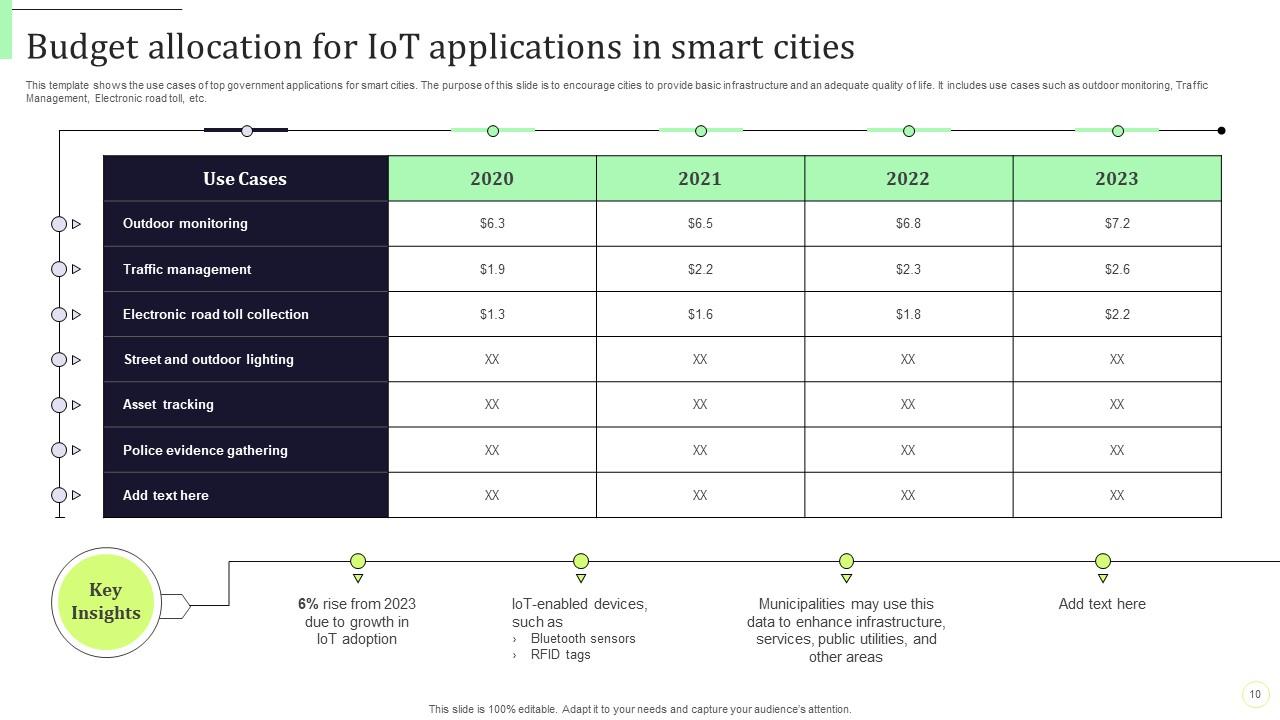
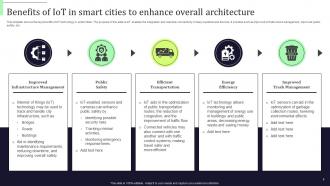
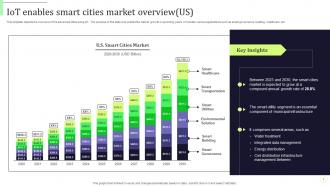
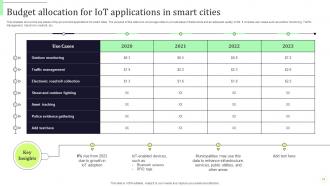
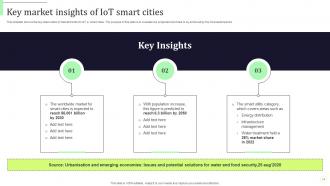
Honestly, IoT can save cities a ton of money - like 10-30% on energy and traffic costs alone. The catch? You're dropping millions upfront on all those sensors and networks. Most cities break even in about 3-5 years though, which isn't terrible for government timelines. Here's what I'd do: figure out where you're bleeding the most cash first. Usually it's energy, traffic management, or waste pickup. Start small with a pilot project there instead of trying to transform everything at once. Once you've got optimized systems running, you'll attract more businesses and residents too. It's basically a snowball effect.

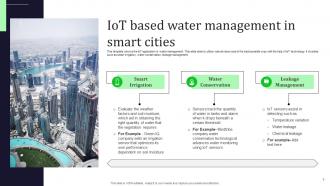
So IoT sensors are perfect for this - stick them around your water system to track flow, pressure, and quality 24/7. Leak detection is honestly where I'd start because cities waste like 20-30% of their water from leaks nobody catches. Smart meters are clutch too, they'll show you weird usage patterns and help optimize everything. You can monitor pH levels and contamination automatically instead of doing it manually (which sucks). Oh, and they'll ping you before pumps or pipes actually break down. Start with leak sensors first - you'll make your money back fast on those.

Ratings and Reviews

90% of 100
Review Form
Write a review
Most Relevant Reviews
  1. 100%

    by Dario Freeman

    Delighted to see unique and eye-catching PowerPoint designs that are so easy to customize.
  2. 80%

    by Li Stewart

    Loved the collection. Editing the presentation was seamless with their templates. 

2 Item(s)

per page: