

ITIL 4 Powerpoint Ppt Template Bundles




Try Before you Buy Download Free Sample Product
 Impress Your
 Audience
 100%
100% Editable
 Save Hours
 of Time


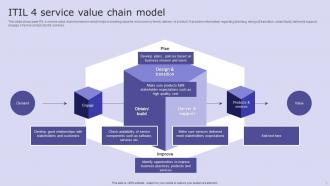
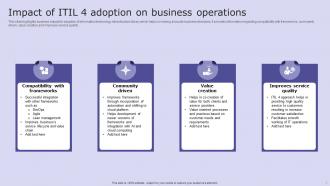
Introducing our comprehensive ITIL 4 PowerPoint PPT presentation, a game changing resource to master the latest IT service management framework. Dive into the core of ITIL 4 Practices, equipping your team with essential tools and techniques for efficient service delivery. Explore the ITIL 4 Service Value Chain, unraveling the interconnected processes that optimize service creation and delivery. Discover the guiding principles of ITIL 4, providing a solid foundation for decision making and problem solving in IT service management. Navigate the ITIL 4 Service Value System, understanding how all components work together to create value for customers and stakeholders. With visually engaging slides and expert insights, this PPT empowers your organization to embrace ITIL 4 Adoption, enhancing service quality, and driving business success. Get it now and lead your organization towards excellence in IT service management
People who downloaded this PowerPoint presentation also viewed the following :
ITIL 4 Powerpoint Ppt Template Bundles with all 31 slides:
Use our ITIL 4 Powerpoint Ppt Template Bundles to effectively help you save your valuable time. They are readymade to fit into any presentation structure.

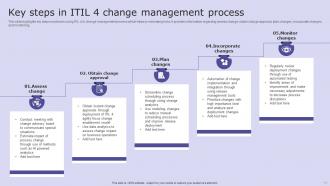
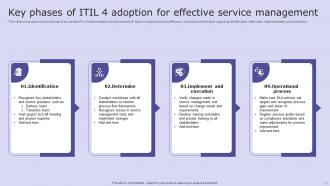
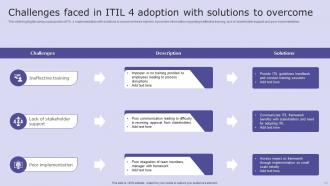
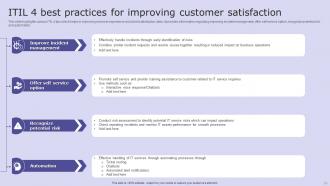





FAQs for ITIL 4 Powerpoint
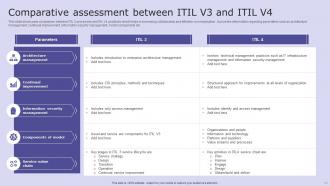
ITIL 4 ditched those rigid 26 processes we all had to memorize (thank god) and replaced them with 34 flexible practices. Way better for modern stuff like Agile and DevOps. The big change? They introduced this Service Value System that's more holistic - less about following strict lifecycle stages, more about value streams and collaboration. Plus there's this four dimensions model now. Honestly, the whole thing feels less prescriptive which is refreshing. If you're switching over, I'd start by mapping what you're doing now to these new practices. Makes the transition smoother.
Look, ITIL 4 isn't the bureaucratic nightmare everyone thinks it is anymore. They rebuilt it to actually work with Agile and DevOps - crazy concept, right? You can totally use their service value system as your foundation while teams keep doing sprints and continuous deployment. The guiding principles mesh really well too. "Collaborate and promote visibility" is basically Agile transparency, and "optimize and automate" screams DevOps. Don't try cramming everything through old-school change management though. Just cherry-pick the ITIL practices that actually help your workflows. Map what you're already doing first, then see where ITIL fills the gaps.
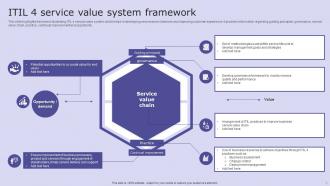
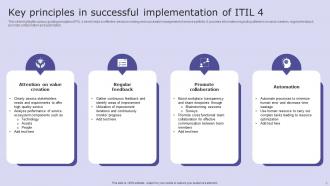
So ITIL 4's Service Value System has five main parts: guiding principles, governance, service value chain, practices, and continual improvement. Honestly, I'd start with the guiding principles first - they're like your compass for everything else. There's seven of them that should guide your decisions. You've also got 34 practices (basically your toolkit), plus the service value chain that shows how you turn requests into actual value. Governance keeps everything on track, and continual improvement is woven throughout the whole thing. It's designed so all these pieces work together to create customer value.
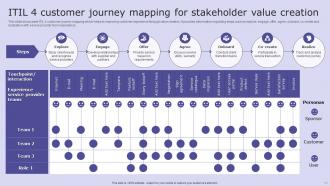
So ITIL 4 basically flipped the script - now it's all about what customers actually experience, not just following processes. The Service Value System makes everything revolve around customer value, which is refreshing honestly. Co-creation is huge too, so you're bringing customers into design decisions instead of guessing what they want. Continuous feedback gets baked right in. Oh, and the four dimensions thing covers customer perspective across people, info, partners, all that. My advice? Map your services to real customer outcomes first. Stop measuring just internal stuff - track what actually matters to them.
So value co-creation means you're actually working WITH customers to build value instead of just handing them stuff. Your customers aren't passive - they've got their own knowledge and resources they bring in. It's more like... idk, building IKEA furniture together rather than delivering a finished table? ITIL 4 gets that collaboration beats the old "we make it, you take it" approach. Map out what both sides contribute to your main services. Honestly, most companies still suck at this part. But when you involve customers in designing services and focus on shared wins, that's where the magic happens.
So the ITIL guiding principles are basically your go-to framework when you need to make decisions in service management. They keep you consistent no matter what chaos you're dealing with. Super helpful when implementing changes or solving tricky problems - and trust me, service management gets weird sometimes! You can use them across everything: incidents, changes, new service design, whatever. I'd honestly just keep them nearby during planning meetings. They're great for questioning whether you're actually doing things the right way or just doing them because "that's how we've always done it."
Track the obvious stuff first - service uptime, how fast you fix incidents, customer satisfaction. That's table stakes. But here's what actually matters: is IT making money or saving it? Baseline everything before you start, then check quarterly. Oh and don't ignore if your team's buying into the changes - grumpy employees will tank any process improvement, doesn't matter how good it looks on paper. Pick maybe 4 key metrics max that tie to business goals. More than that and you'll drown in data.
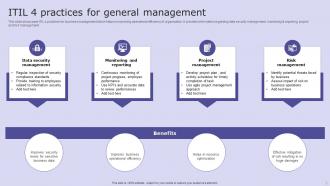
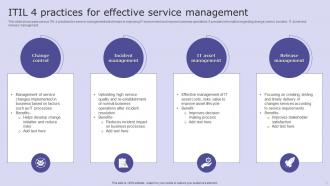
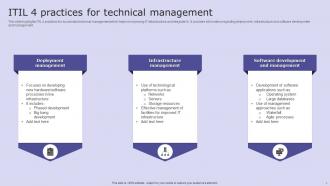
ITIL 4 breaks down into 34 practices across three buckets - general management stuff like strategy, service management (think incident handling), and technical management for deployment/infrastructure. Way more flexible than the old v3 version, which was honestly pretty rigid. You can actually adapt these to fit how your company works instead of following some cookie-cutter process. Each practice focuses on outcomes rather than telling you exactly what steps to take. I'd start by looking at what you're doing now and see how it maps to these practices. Then you can spot the gaps. Much more realistic for how teams actually operate day-to-day.
So ITIL 4 is actually way better for digital stuff than the old version. Instead of those rigid processes, it's built around value streams and practices - much more flexible. Works with whatever you're using: DevOps, Agile, cloud, doesn't matter. The cool part? It gets that transformation isn't just tech, it's about people and how you work with partners too. Way less prescriptive than v3, thank god. Focus shifts to delivering value continuously rather than just checking boxes. Oh, and definitely start by mapping your current value streams first - that's where you'll see real results fast.
So I'd start everyone with the basics first - get those foundation concepts solid. After that, dive deeper into role-specific stuff. Mix it up with online modules, workshops, and actual hands-on work. The theory part is honestly pretty boring at first (I remember zoning out during my certification), but once people connect it to their daily tasks, everything makes sense. Really focus on real scenarios your team deals with instead of textbook examples. Don't just do training and disappear either - check in regularly afterward when questions pop up during actual work.
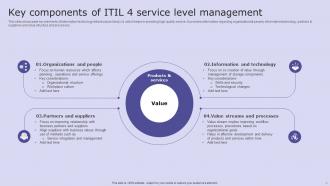
Honestly, just start by connecting ITIL 4's value streams to what your business actually cares about - real outcomes, not just "keeping systems running." The four dimensions thing (organization, info, partners, value streams) needs to tie back to your strategic goals. Business stakeholders have to be involved from the start, not just IT people. That's where most implementations go wrong IMO. The service value chain is pretty adaptable once you figure it out, so tweak the practices for your industry and company culture. My advice? Pick one value stream to start with. Show the ROI there first, then expand. Way easier than trying to boil the ocean right away.
ITIL 4 can totally work for smaller companies, but don't try to do everything at once - that's where most people mess up. Pick something like incident management first since you'll see results pretty quick. Getting your team on board is honestly the hardest part, especially when everyone's already swamped. The value stream stuff is actually useful though - shows you exactly where you're bleeding time and money. Oh, and ignore anyone who says you need to implement it "properly" from day one. Start with one service area, see what happens, then expand from there. Way less overwhelming.
ITIL 4 has this whole "continual improvement" thing built right in - there's even a specific practice for it. Basically you're supposed to keep asking "how do we make this suck less?" about everything. They give you a 7-step improvement model which is actually pretty useful. The big shift is measuring stuff so you know what's broken instead of just guessing. Honestly beats the old days of just putting out fires constantly. Don't try to fix everything at once though - that's a nightmare. Pick one annoying process your team complains about and run it through their improvement steps. Small changes work way better than those massive reorganizations nobody survives.
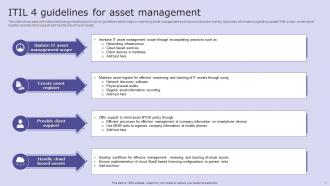
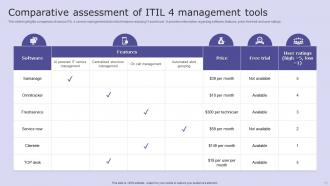
So for ITIL 4 tools, you'll want an ITSM platform first - ServiceNow's the gold standard but pricey, so Jira Service Management or Remedy work too. CMDBs are honestly a nightmare to implement but you really need them for tracking assets and dependencies. Don't sleep on process automation and monitoring tools either. Knowledge management systems help too, though half the team never updates them anyway. My advice? Pick tools that match what you're already doing instead of cramming ITIL into your existing mess. Start small with one process area and build from there.
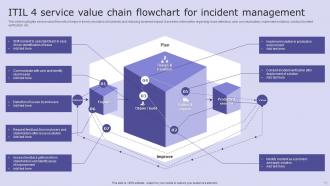
So ITIL 4 wants you separating incidents from service requests right away. Incidents = stuff that's broken and needs fixing ASAP. Don't worry about finding the root cause yet - that's problem management's job later. Service requests are when people want something new, and those should have clear approval workflows set up. Good categorization is huge here because it routes tickets to the right teams automatically. Honestly saves everyone from playing phone tag all day. Your service desk needs solid triage - automate whatever you can. Short version: fix what's broken fast, manage requests with proper process. Makes life way easier.
-
Much better than the original! Thanks for the quick turnaround.
-
Thrilled to see several customizable templates catering various verticals and industries.