


Itil V3 Processes And Itil 4 Practices Itil Overview





Try Before you Buy Download Free Sample Product
 Impress Your
 Audience
 100%
100% Editable
 Save Hours
 of Time


Our Itil V3 Processes And Itil 4 Practices Itil Overview are topically designed to provide an attractive backdrop to any subject. Use them to look like a presentation pro.
People who downloaded this PowerPoint presentation also viewed the following :
Itil V3 Processes And Itil 4 Practices Itil Overview with all 6 slides:
Use our Itil V3 Processes And Itil 4 Practices Itil Overview to effectively help you save your valuable time. They are readymade to fit into any presentation structure.





FAQs for Itil V3 Processes And Itil 4
Okay so ITIL has five stages - Service Strategy, Design, Transition, Operation, and Continual Service Improvement. Picture it as a cycle where each feeds the next. Strategy figures out what services you'll offer, Design maps out how to build them. Transition is the rollout phase (honestly, this is where most companies mess up). Operation handles daily stuff once everything's live. CSI sits around all of it, constantly tweaking things. Oh and figure out where your org currently is in this cycle first - makes it way easier to know what processes to tackle. Don't try doing everything at once, you'll just burn out your team.
So ITIL basically makes your IT stuff actually matter to the business instead of just... existing. First thing - figure out what the company really wants and what customers need. Then build your IT services around that. Way better than just measuring uptime and boring tech stats, right? Focus on business wins like getting products out faster or happier customers. Oh and you gotta keep tweaking things when priorities change - businesses pivot constantly. The whole point is talking their language instead of confusing everyone with technical jargon. It's really about proving IT delivers actual value.
So ITIL is basically your game plan when everything hits the fan. It walks you through logging stuff, figuring out what's urgent, and actually fixing things without losing track of anything. The whole point is getting services back up fast while keeping people in the loop. One thing that always confuses people - there's a difference between incidents (when stuff breaks) and problems (why it broke in the first place). Honestly, I'd just start with the basic ticket system and categorizing things properly. Don't overcomplicate it at first. Your team can handle the fancier stuff once they're not drowning in the basics.
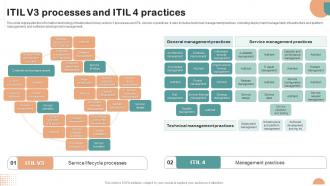
So basically ITIL 4 ditched the old rigid process-heavy approach from v3. Now it's way more flexible with 34 practices you can actually mix and match - which is honestly such a relief. The new version plays nice with Agile and DevOps too. Instead of following those prescribed lifecycle stages, you get value streams and this whole service value system thing. Oh, and there's this four dimensions model that considers people, tech, partners, and workflows together (makes way more sense). If you're stuck on v3, definitely check out ITIL 4's service value chain - it'll probably save you tons of headaches.
So ITIL is basically like having a game plan for IT stuff instead of just winging it. Pick one area that's driving you crazy right now - maybe incident management or change control - and start there. Your team won't be running around putting out fires constantly, which honestly is a lifesaver. It helps you be proactive rather than always reacting to disasters. Communication gets better between teams too. Customers end up happier because things actually work and get fixed faster. The whole thing gives you real metrics so you can see what's actually helping vs what's just busy work.
ITIL's honestly pretty solid for small businesses, not just the corporate giants. Your systems become way more reliable and when stuff breaks, you'll fix it faster. Less downtime = more money, obviously. The best part? You stop reinventing solutions every single time - I swear some teams spend forever on simple fixes that could be done in minutes. Documentation saves your butt too when Bob from IT suddenly quits or goes on vacation. Just don't go crazy trying to implement everything at once. Pick incident management first, get that working, then expand from there.
So ITIL's CSI phase is basically your structured way to constantly improve services instead of just hoping things get better. Pick one service that's driving your users crazy and run it through the Plan-Do-Check-Act cycle. You'll identify what needs fixing, measure current performance, then implement changes step by step. The real game-changer? Using actual metrics and KPIs instead of guessing what works. I swear, half the time we think something's fine when users are quietly suffering. Start with one problematic service - you'll see real improvements fast and it beats the whole "wing it and pray" approach.
Honestly, the biggest pain points are usually pushback from your team, costs, and just how complicated it gets. People hate new processes - they see it as more red tape and bureaucracy. Training everyone costs a fortune, plus you might need new tools. Then there's customizing everything to actually work for your company, which takes forever. The documentation requirements are insane too, especially if you've got a smaller team. I'd say start tiny though - pick one or two processes, get some wins under your belt first. Once people see it's not totally terrible, you can expand from there.
ITIL's actually pretty great for risk management - gives you that structured framework to work with. Your visibility into services and incidents gets so much better, and honestly, compliance audits become way less of a nightmare. Change management processes catch risks early before they explode in your face. Service continuity planning keeps you ready for disasters too. All those standardized procedures and documentation? They handle like half your compliance headaches automatically. Oh, and definitely map your current risk register against ITIL processes first - you'll spot the gaps right away.
ITIL is more about processes than specific tools, honestly. You'll want an ITSM platform though - ServiceNow, Remedy, or Jira Service Management work well for incidents and change requests. Monitoring tools like Nagios help too, plus you'll need config databases and knowledge systems. Here's the thing: don't blow your budget on enterprise stuff right away. Start with what you've got and focus on nailing the processes first. I've seen teams get obsessed with fancy tools when their workflows are still a mess. Build up gradually once you know what actually works for your org.
ITIL's pretty flexible - works well with whatever you're already running. Most places I've worked just grab the pieces that make sense instead of doing the whole thing. You can throw it on top of COBIT for governance stuff, or mix it with Agile workflows. TOGAF too if you're doing enterprise architecture work. The practice-based setup is nice because you don't have to rip everything out and start over. Just map what frameworks you've got now, then see where ITIL practices might fill the holes. Honestly, full ITIL implementations are kind of overkill anyway.
Honestly, just focus on four main things: how fast you fix stuff, uptime percentages, whether users are happy, and what each service costs you. Most people get obsessed with incident metrics first - which yeah, makes sense. But also track if your changes actually work and whether you're catching problems early. Oh, and definitely measure first-call resolution at your service desk since that's huge for keeping people from getting frustrated. Don't try measuring everything though. Pick 3-4 that actually matter to your business and start there.
So ITIL basically makes IT teams and business people actually sit down and hash things out together. Business folks get pulled into service design meetings to define what they actually need. Both sides do regular check-ins during service improvement reviews - no more working in silos. The whole point is measuring IT success by business results instead of just tech stuff (which honestly seems like common sense but whatever). Your service catalog becomes this shared reference both teams can read. Oh, and start small - grab your main business stakeholders for your next service review. That's where the magic happens.
So there are four ITIL 4 levels to choose from. Foundation is where everyone starts - covers the basics and honestly isn't too bad. After that you've got Specialist modules that go deep into specific areas, Strategist which is all about digital transformation stuff, and Master at the top (that one's brutal from what I hear). You can't jump around though - gotta do them in order. Foundation first to see if you even like it, then pick whichever Specialist tracks match what you're actually doing at work. Makes the most sense that way.
So the Service Value System is basically this framework that connects all your ITIL stuff - practices, governance, improvements - into one big picture instead of having everything scattered around. Picture it like a blueprint showing how inputs move through your org and turn into actual value for customers. Pretty neat concept, honestly. You can spot bottlenecks way easier when you see how everything fits together. Plus it helps you figure out if your processes actually support what the business needs (spoiler: sometimes they don't). I'd start by comparing what you're doing now against the SVS model - you'll probably find some quick wins.
-
Easy to edit slides with easy to understand instructions.
-
Time saving slide with creative ideas. Help a lot in quick presentations..