

ITIL Problem Management Powerpoint Ppt Template Bundles





Try Before you Buy Download Free Sample Product
 Impress Your
 Audience
 100%
100% Editable
 Save Hours
 of Time


Our ITIL Problem Management Powerpoint Ppt Template Bundles are topically designed to provide an attractive backdrop to any subject. Use them to look like a presentation pro.
People who downloaded this PowerPoint presentation also viewed the following :
ITIL Problem Management Powerpoint Ppt Template Bundles with all 16 slides:
Use our ITIL Problem Management Powerpoint Ppt Template Bundles to effectively help you save your valuable time. They are readymade to fit into any presentation structure.







FAQs for ITIL Problem Management Powerpoint
Look, you're basically trying to stop playing whack-a-mole with the same problems over and over. Problem Management is about digging deeper - finding why incidents keep happening and actually fixing those root causes. Don't just slap band-aids on everything. Build up your knowledge base too, because trust me, documenting known errors and workarounds will save your team so much time later. The whole point is reducing how many tickets flood your service desk while making your services more reliable. Oh, and start with whatever's breaking most often - that's your low-hanging fruit right there.
So basically, Incident Management is "oh crap, fix this NOW" mode - you're just trying to get things working again fast. Problem Management happens after (or sometimes during) to figure out WHY it broke in the first place. Think of incidents as symptoms and problems as the actual disease. Like, you might slap a bandaid on something to restore service, but then you need to dig deeper so it doesn't happen again. Problem Management usually starts after big incidents or when you see the same stuff keeps breaking. Honestly, it's way more detective work than firefighting. The whole point is finding permanent fixes instead of just quick patches.
Think of Root Cause Analysis as detective work for IT problems. You're not just slapping band-aids on incidents anymore - you're digging into why they keep happening in the first place. So instead of fixing the same annoying issue every week, RCA helps you trace it back to the actual source. I usually start with the "5 Whys" method or those fishbone diagrams (they look weird but work great). The whole point is finding what's really broken so you can fix it once and be done. Without doing this detective work, you'll just keep putting out the same fires forever. Trust me, it's way more satisfying to solve something permanently than deal with it repeatedly.
So there's basically three ways ITIL spots problems. First is being proactive - you look at incident patterns and notice stuff like "hey, why do our servers always crash on Tuesday mornings?" (seriously, some of the weirdest patterns emerge). Then there's reactive detection when incidents get escalated because they're too messy for the service desk to handle. Your monitoring tools are the third piece - they'll flag performance issues before things blow up completely. Honestly, the whole point is catching stuff early instead of constantly firefighting incidents after the fact.
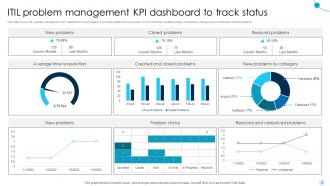
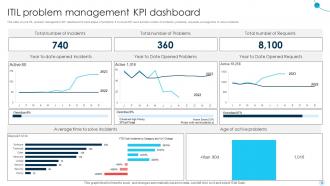
So there's a few ways to track if your Problem Management is actually working. Mean time to find root causes is big. Also look at repeat incidents - honestly, this one's my favorite because it shows whether you're really fixing stuff or just slapping temporary fixes on everything. Problem backlog size matters too, plus how old those problems are getting. Oh, and track whether you're finding problems proactively or just reacting to incidents all the time. Don't try to measure everything at once though - pick maybe 2-3 metrics that actually matter to your company and stick with tracking those consistently.
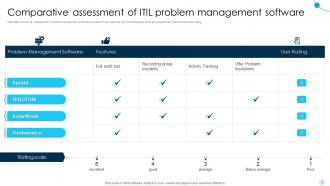
Most places go with ServiceNow, Remedy, or Jira Service Management - they're pretty solid for tracking problems and linking them to incidents. Plus they handle that known error database stuff. Smaller teams sometimes just use spreadsheets, but man, that gets chaotic quick. You definitely want something that plays nice with whatever you're using for incident management. Makes escalation way easier. Oh, and make sure it has templates for root cause analysis - fishbone diagrams, 5-whys, that kind of thing. Trust me, having it built into the platform saves tons of headache later.
ITIL helps you actually improve Problem Management instead of just running in circles. Track your resolution times and whether root cause fixes actually work - nobody wants to keep fighting the same fires over and over. Monthly reviews of problem closure reports are solid for spotting patterns you might've missed. The Process Improvement Plan thing is genuinely useful for finding workflow gaps (I know, sounds boring but it works). Knowledge sharing between teams matters too, otherwise you lose everything when Bob from IT finally quits. Start small with the metrics - don't try tracking everything at once or you'll burn out.
So known errors are like your cheat sheet for problems you've already dealt with. You know the root cause and have a workaround ready, even if the permanent fix isn't done yet. When similar incidents come up, your service desk can just grab the workaround instead of going through that whole painful investigation again. Honestly saves so much time and frustration. The trick is keeping your database searchable and current - I've seen too many teams let theirs get outdated and then wonder why nobody uses it. Users stay happy, tickets get resolved faster. Win-win.
Honestly, getting different teams together is a game changer for fixing problems. You'll catch stuff that would totally fly under the radar otherwise. Like, your dev team might spot a pattern while infrastructure sees the dependency issues - suddenly you're not just guessing anymore. I've seen too many places where teams just email back and forth for weeks when they could've solved it in one meeting. Set up regular sessions with reps from each area beforehand. That way when something breaks, you're not scrambling to figure out who to call or what everyone's supposed to do.
Honestly, the hardest part is convincing people to dig deeper instead of slapping band-aids on everything. Everyone wants the quick fix - who has time for actual root cause analysis, right? Leadership often sees problem management teams as expensive overhead rather than necessary investment. Plus your data's probably a mess anyway. Garbage incident records make spotting patterns basically impossible. My advice? Pick a few high-impact problems first. Once you show some wins, people start listening. Then you can slowly expand from there. Don't try to boil the ocean on day one.
So Problem Management is basically about stopping the same crap from breaking over and over again. You dig into what's actually causing those repeat incidents instead of just patching them up each time. Way better than constantly putting out fires, right? Your users get fewer headaches, services stay up more often, and your team can focus on real work instead of emergency mode 24/7. Honestly works way better than I expected when we first tried it. Start with whatever keeps breaking the most - track those incidents back to see what's really going wrong underneath.
Start with clear roles - who finds issues, investigates, and approves fixes. Your policy needs to cover everything from detection to post-incident reviews. Honestly, getting people to actually stick to the process is the hardest part! Don't forget escalation procedures and priority levels. Set SLAs your team can realistically hit, not some fantasy timeline. Regular reviews help you tweak things as you go. Oh, and make sure it plays nice with your current incident and change management stuff - learned that one the hard way. Otherwise you're just creating more chaos.
Look, communication makes or breaks everything in problem management. Multiple teams are involved, users are affected - everyone's freaking out basically. Keep people in the loop about progress, workarounds, timelines. Otherwise you'll get a flood of duplicate tickets that just slow you down more. Don't wait for people to ask - send updates regularly, even if there's no big news yet. Radio silence makes people panic and start guessing what's wrong. Be upfront about what you know and don't know. Set clear expectations for when they'll hear from you next, then actually follow through.
Problem Management is basically your early warning system for business continuity planning. You're already doing root cause analysis and tracking repeat incidents, right? That data shows you exactly where your weak spots are. Think of it like this - your known error database is pure gold for figuring out what'll actually break and how fast you can fix it. Every permanent fix you roll out means fewer disaster scenarios to worry about later. Oh, and definitely review your problem records every quarter to keep your risk assessments current. Makes a huge difference.
Oh totally! JPMorgan tracked their ATM problems and cut downtime by 40% once they found the real causes. Delta thought weather was screwing up their flights, but turns out their scheduling software was ancient. Netflix does this stuff too when streams crash everywhere. Honestly, most companies just panic and fix whatever's broken in the moment. The smart ones actually dig into why things keep breaking. You should start writing down what keeps going wrong - I bet you'll spot patterns you didn't notice before. Way better than constantly putting out the same fires over and over.
-
I can say with full confidence that all your business, academic, or professional work requirements will be sufficed with SlideTeam. Their gallery is as rich as 2Million+!!
-
The quality of the templates is as fine as it could get. It was a purchase well made!