


Kaizen Event Powerpoint Ppt Template Bundles





Try Before you Buy Download Free Sample Product
 Impress Your
 Audience
 100%
100% Editable
 Save Hours
 of Time


Our Kaizen Event Powerpoint Ppt Template Bundles are topically designed to provide an attractive backdrop to any subject. Use them to look like a presentation pro.
People who downloaded this PowerPoint presentation also viewed the following :
Kaizen Event Powerpoint Ppt Template Bundles with all 39 slides:
Use our Kaizen Event Powerpoint Ppt Template Bundles to effectively help you save your valuable time. They are readymade to fit into any presentation structure.











FAQs for Kaizen Event Powerpoint
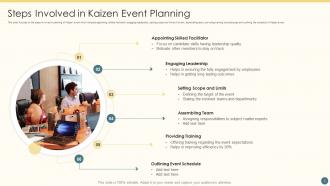
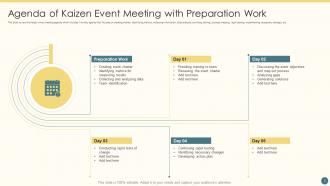
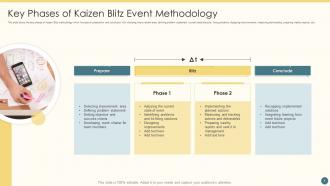
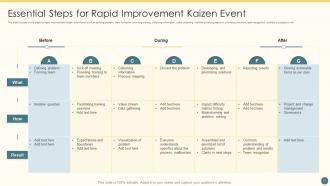
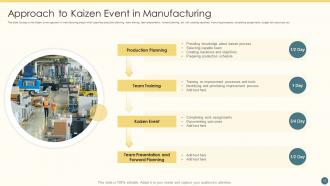
Start by figuring out your problem scope and getting the right team together. Gather your baseline data first - you'll need it. Map out your current process before diving in. During the actual event (usually 3-5 days), analyze root causes and brainstorm solutions. Quick wins should happen right away. Honestly, most teams try to bite off way more than they can chew here, so stay focused. Document everything as you go and make action plans for the bigger stuff. Here's the thing though - if you don't set up follow-up meetings to track progress, all your hard work just evaporates.
Definitely start by walking around the actual workplace first - gemba they call it. Just observe what's really going on vs what you think is happening. Talk to the people doing the work daily, they usually know exactly where things get screwed up. Pull your data too: cycle times, defects, customer complaints, bottlenecks from your value stream maps. Oh and check old suggestion boxes or improvement ideas that got shelved - there's often gold in there. The whole point is mixing hard numbers with what employees are telling you. That way your team won't waste time fixing the wrong stuff during the event.
So there's usually a team leader running the show and keeping discussions on track. Someone takes notes to capture all the ideas - that role sucks but it's necessary lol. You'll have a timekeeper plus subject matter experts who actually know the process inside and out. The "devil's advocate" role is pretty fun though - you get to challenge ideas without being a jerk about it. Everyone else jumps in with solutions and tests stuff out. Roles can switch around during the event, which is nice so you're not stuck doing one thing. Just don't let those "aha!" moments slip by without writing them down.
You absolutely need your leadership actually showing up, not just sending some generic kickoff email then vanishing. Make sure they're removing roadblocks and giving your team real authority to implement changes immediately - otherwise you'll get stuck in endless approval loops later. Protect the team's time too so people aren't getting dragged into random meetings mid-process. Oh, and this is huge: get leadership to commit to acting on recommendations within 30 days. I've seen way too many great initiatives just die because leaders took forever to respond. The momentum completely disappears if you wait too long.
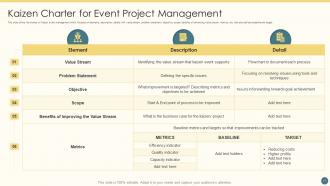
So you'll want to measure both the hard numbers and the softer stuff. Track things like how much faster processes run, defect rates, productivity gains - you know, the obvious metrics that tie back to what you're trying to fix. But honestly, don't ignore customer satisfaction and how your team feels about the changes. Those matter just as much, maybe more. Oh, and definitely check if improvements actually stick around after a month or two. Pick maybe 3-5 key things to focus on before you start - trust me, trying to measure everything later is a nightmare. The financial metrics are straightforward but the people side tells the real story.
Get your team to pick which processes are driving them crazy - they'll actually care when it's their choice. Mix frontline people with managers so you're not just guessing what the real issues are. Pizza legitimately helps, but what matters more is proving you'll actually DO something with their ideas. I've seen too many "brainstorming sessions" where nothing changes afterward. Be super clear about who makes final decisions and stick to it. Pull in the quiet people somehow - they usually have the best insights. Quick wins are everything though. Celebrate small fixes publicly so people know this isn't just corporate theater.
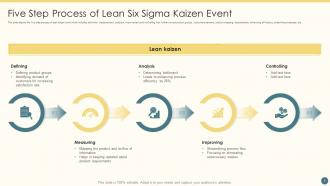
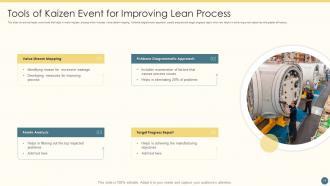
So for Kaizen events, there's a bunch of tools that actually work pretty well. The 5 Whys is great for getting to root causes - just keep asking "why" until you hit the real issue. Fishbone diagrams help map out all the factors contributing to problems. PDCA (Plan-Do-Check-Act) is honestly my favorite because you can test stuff fast and pivot if needed. Value stream mapping shows you where all the waste is hiding in your processes. Oh, and don't skip Gemba walks - seeing the actual work area makes a huge difference. A3 problem-solving keeps everything organized on one page, which is clutch when you're trying to document solutions. Pick whatever fits your specific problem best.
So Kaizen Events are way more focused - think 3-5 days of intense, hands-on work versus Six Sigma's months of data crunching. You grab your team, spot a problem, and fix it right there on the floor. Six Sigma gets really deep into statistics and measurement phases (which honestly can drag on forever). Kaizen's about quick, small changes your people can actually see working immediately. My old manager used to love these because they got everyone pumped about improvement. If you want fast wins and don't have months to spare, definitely try a Kaizen Event first.
Right after it ends, assign someone specific to own each action item - not just "the team" because that never works. Set up weekly check-ins at first to see what's actually getting done. I'd put 30, 60, and 90-day reviews on your calendar now before you forget. Keep sharing wins with leadership so it doesn't just disappear into some forgotten spreadsheet. If things start losing steam, throw in a quick refresher meeting. Honestly, the biggest mistake is treating this like a one-time thing instead of an ongoing process. Maybe throw in some calendar reminders too.
Take tons of photos - before and after shots are your best friend here. Write up a quick one-page thing showing what you fixed and how. I always use the same template because otherwise these reports turn into a hot mess. Email that summary to everyone who cares, stick photos on the team board, talk about the wins in your next meeting. Make it so clear that anyone reading it instantly gets what happened, even if they weren't around. Oh, and set a reminder to check back in 30 days - you'd be surprised how often "fixes" don't actually stick.
Ugh, the worst part is always people going "but we've always done it this way" - that attitude kills everything. You'll also deal with scope creep and folks sliding back into old habits afterward. Get leadership on board first, that's huge. Set clear boundaries on what you're actually fixing before you start. Oh and definitely explain WHY you're changing things, not just what's changing - people need to buy into it. Here's the thing though: you absolutely have to schedule follow-up meetings later. I've seen so many good improvements just... disappear because nobody checked if they stuck.
Dude, visual management is a game-changer for Kaizen events. Seriously makes such a difference. Get some boards up showing where you are now vs where you want to be, plus all your action items and metrics. Makes everything super clear for the whole team. Problems jump out at you right away instead of hiding for days (which always happens otherwise). Honestly, I'd just grab some whiteboards and sticky notes to start - don't overcomplicate it. You can always add fancier stuff as you go. It's basically like giving your team one shared brain so everyone's on the same page.
Make it part of everyone's regular week - give people 30 minutes to work on small improvements. Have managers ask "what did you improve?" during one-on-ones and celebrate those wins publicly. Honestly, those little changes often stick better than huge overhauls anyway. Create simple suggestion systems without crazy approval processes. When someone pitches an idea, respond fast - even if it's a no, explain why. The trick is valuing small progress as much as big breakthroughs. Oh, and don't make it feel like extra work on top of their real jobs, or people will just ignore it.
Dude, follow-up is literally what makes or breaks these Kaizen things. I've watched so many teams nail the event then completely forget about it two weeks later - it's painful. You gotta schedule check-ins to see if people are actually sticking with the changes. Track your numbers too, because sometimes what looks good on paper doesn't work in practice. The heavy lifting honestly happens after everyone goes home, not during the actual event. Set up monthly reviews for like three months minimum or you'll just slide back into the same old mess.
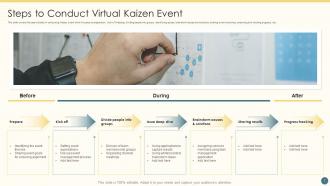
Oh totally, breakout rooms are your friend here - they keep people focused instead of zoning out. I'd say cap sessions at 90 minutes though, people's attention just dies after that. Digital whiteboards work great for process mapping too. Make sure everyone downloads the tools beforehand (learned that one the hard way). Each breakout needs a strong facilitator or it turns into chaos. The trick is keeping that collaborative energy alive through screens - encourage tons of interaction and document everything in real time. Honestly, start small with a pilot event first to work out the tech kinks.
-
I want to thank SlideTeam for the work that they do, especially their customer service.
-
I loved the hassle-free signup process. A few minutes and, I had this giant collection of beautiful designs.