


KYC Transaction Monitoring Tools For Business Safety Complete Deck




Try Before you Buy Download Free Sample Product
 Impress Your
 Audience
 100%
100% Editable
 Save Hours
 of Time


Transaction monitoring software helps detect suspicious patterns and transactions in digital or fiat currencies. Grab our KYC Transaction Monitoring Tools for Business Safety template. It is well-designed and assists financial institutions in knowing their customers and taking appropriate legal action against any money laundering or financial crime risk by rapidly assessing risk levels. Our AML System deck describes the significance, benefits, industrial statistics of transaction monitoring, etc., for implementation. It also compares and contrasts traditional and automated transaction monitoring approaches. Our TM System PPT provides strategies for improving transaction monitoring systems, which can assist financial institutions and businesses reduce financial crimes, frauds, risks, and money laundering activities. These include customer segmentation, suspicious activity reporting SAR, anti-money laundering strategies, threshold management, etc. Additionally, Our Automatic Transaction Monitoring module describes the roles and responsibilities of the financial security department. Lastly, it exhibits the KPI dashboards, metrics, impact analysis, costs, etc., related to transaction monitoring. Get access right away.
People who downloaded this PowerPoint presentation also viewed the following :
Content of this Powerpoint Presentation
Slide 1: This slide introduces KYC Transaction Monitoring Tools for Business Safety. Commence by stating Your Company Name.
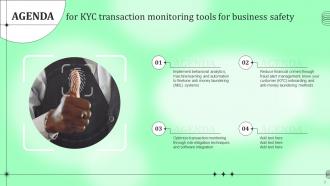
Slide 2: This slide depicts the Agenda of the presentation.
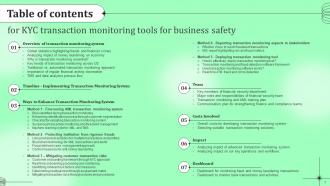
Slide 3: This slide incorporates the Table of contents.
Slide 4: This slide highlights the Title for the Topics to be discussed further.
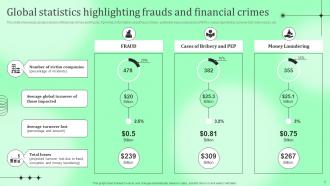
Slide 5: This slide showcases global scenario of financial crimes and frauds.
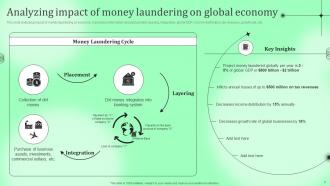
Slide 6: This slide analyzes the impact of money laundering on economy.
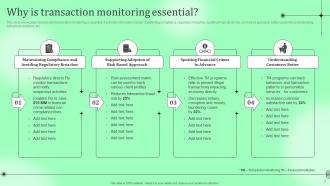
Slide 7: This slide showcases reasons why transaction monitoring is essential.
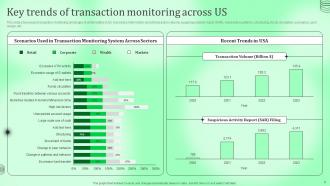
Slide 8: This slide exhibits the transaction monitoring landscape of united states (US).
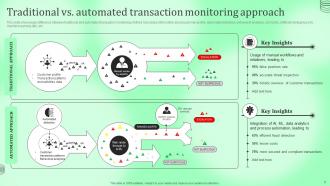
Slide 9: This slide presents the difference between traditional and automated transaction monitoring method.
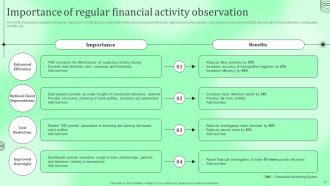
Slide 10: This slide reveals the importance of regular transaction monitoring.
Slide 11: This slide represents transaction monitoring system process flow.
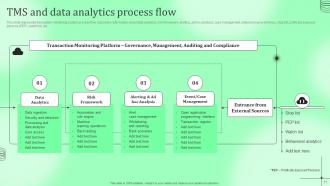
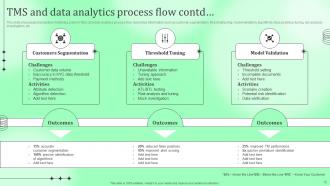
Slide 12: This slide continues the transaction monitoring system (TMS) and data analytics process flow.
Slide 13: This slide incorporates the Heading for the Contents to be covered in the next template.
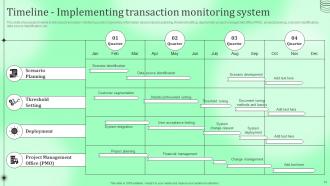
Slide 14: This slide highlights the timeline to introduce transaction monitoring system.
Slide 15: This slide mentions the Title for the Ideas to be covered further.
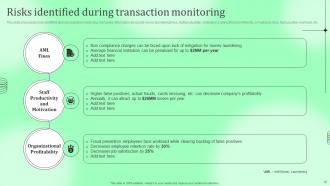
Slide 16: This slide showcases risks identified during transaction monitoring.
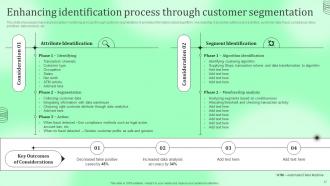
Slide 17: This slide showcases incorporates the transaction monitoring process through customer segmentation.
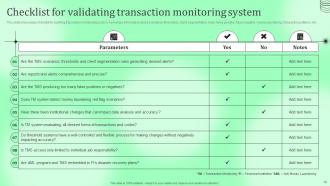
Slide 18: This slide exhibits the checklist for auditing transaction monitoring system.
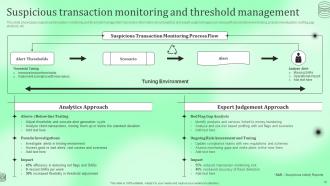
Slide 19: This slide portrays the suspicious transaction monitoring and threshold management.
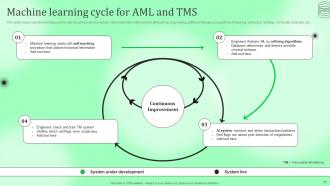
Slide 20: This slide talks about the machine learning cycle for checking financial transactions.
Slide 21: This slide presents the Heading for the Ideas to be discussed next.
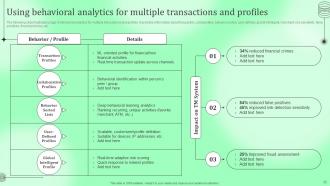
Slide 22: The following slide illustrates usage of behavioral analytics for multiple transactions and profiles.
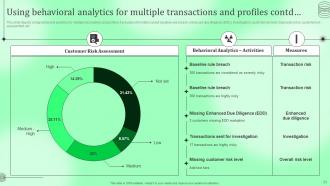
Slide 23: This slide depicts Using behavioral analytics for multiple transactions and profiles.
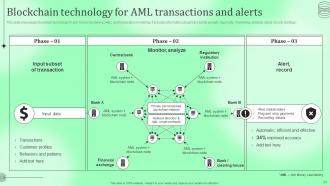
Slide 24: This slide mentions the blockchain technology for anti money laundering (AML) and transaction monitoring.
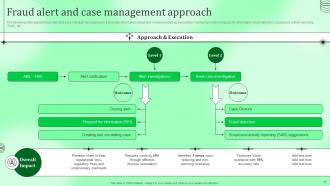
Slide 25: The following slide depicts the fraud alert and case management approach.
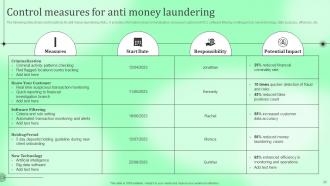
Slide 26: This slide deals with the Control measures for anti money laundering.
Slide 27: This slide includes the Title for the Components to be further discussed.
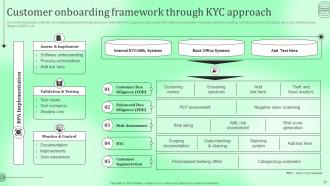
Slide 28: This slide showcases customer onboarding framework through know your customer (KYC) approach.
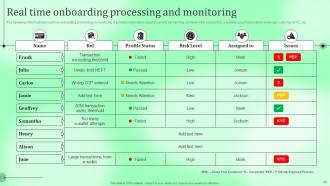
Slide 29: The following slide illustrates real time onboarding, processing an monitoring.
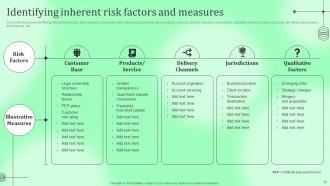
Slide 30: This slide emphasizes on identifying inherent risk factors and measures.
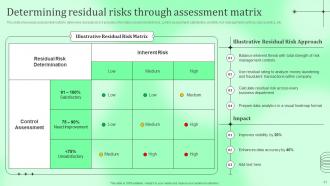
Slide 31: This slide reveals the assessment matrix to determine residual risks.
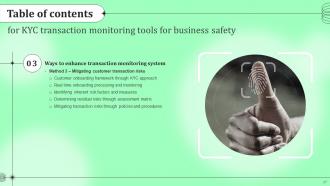
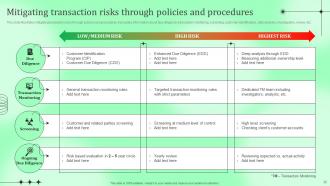
Slide 32: This slide displays mitigating transaction risks through policies and procedures.
Slide 33: This slide indicates the Heading for the Topics to be discussed further.
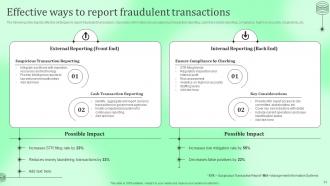
Slide 34: This slide depicts effective strategies to report fraudulent transactions.
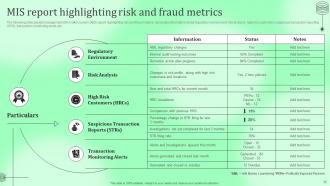
Slide 35: This slide portrays the management information system (MIS) report highlighting risk and fraud metrics.
Slide 36: This slide exhibits the Title for the Topics to be covered in the upcoming template.
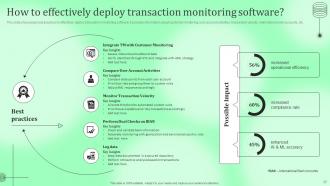
Slide 37: This slide highlights the best practices to effectively deploy transaction monitoring software.
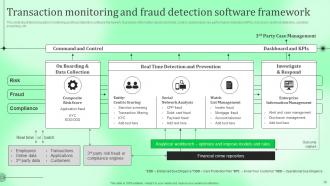
Slide 38: This slide illustrates transaction monitoring and fraud detection software framework.
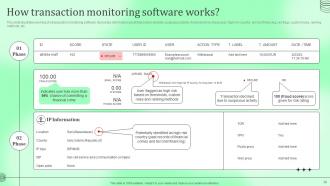
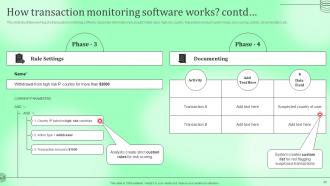
Slide 39: This slide represents the working of a transaction monitoring software.
Slide 40: This slide demonstrates the working of a transaction monitoring software.
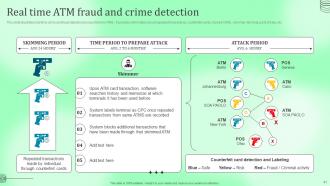
Slide 41: This slide shows the real time crime and fraud detection process flow for ATMS.
Slide 42: This slide incorporates the Heading for the Components to be further discussed.
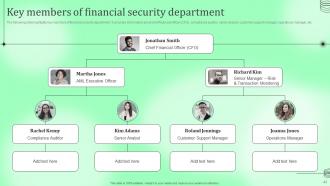
Slide 43: The following slide highlights key members of financial security department.
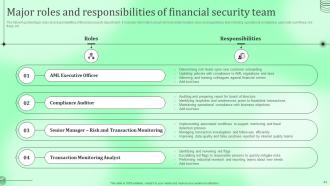
Slide 44: This slide exhibits the Major roles and responsibilities of financial security department.
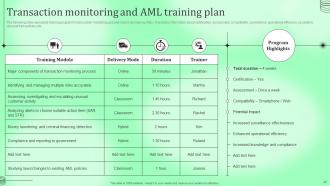
Slide 45: The following slide represents training program for transaction monitoring and anti money laundering (AML).
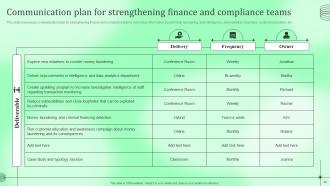
Slide 46: This slide showcases communication plan for strengthening finance and compliance teams.
Slide 47: This slide elucidates the Title for the Ideas to be covered in the forth-coming template.
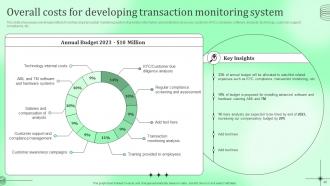
Slide 48: This slide presents the overall expenditure for enhancing transaction monitoring system.
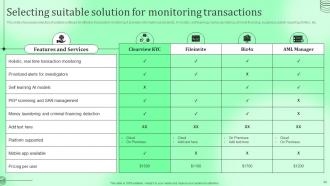
Slide 49: This slide talks about the selection of suitable software for effective transaction monitoring.
Slide 50: This slide indicates the Heading for the Ideas to be discussed next.
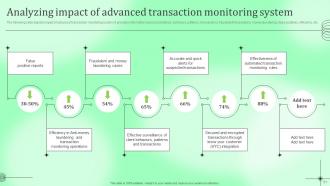
Slide 51: The following slide depicts impact of advanced transaction monitoring system.
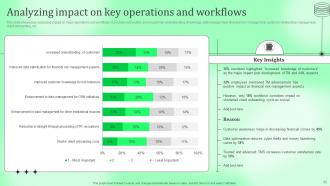
Slide 52: This slide deals with assessing impact on major operations and workflows.
Slide 53: This slide portrays the Title for the Contents to be covered in the upcoming template.
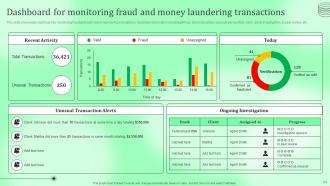
Slide 54: This slide represents the dashboard for monitoring fraudulent and money laundering transactions.
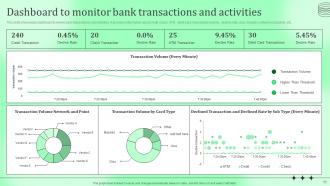
Slide 55: This slide showcases dashboard to review bank transactions and activities.
Slide 56: This is the Icons slide containing all the Icons used in the plan.
Slide 57: This slide is used for showing some Additional information.
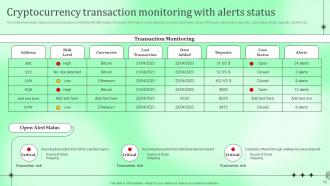
Slide 58: This slide displays cryptocurrency transaction monitoring with alert status.
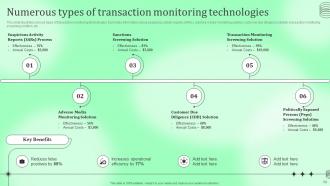
Slide 59: This slide illustrates various types of transaction monitoring technologies.
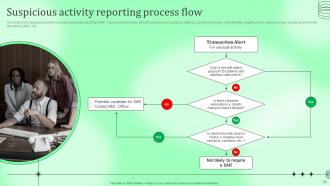
Slide 60: This slide showcases process flow of suspicious activity reporting (SAR).
Slide 61: This is the About us slide. State your organizational information here.
Slide 62: This is Meet our team slide for highlighting the information related to team members.
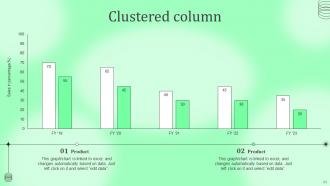
Slide 63: This slide reveals the Clustered column.
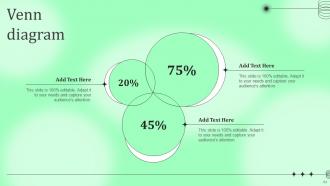
Slide 64: This is the Venn diagram slide.
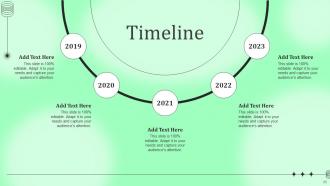
Slide 65: This slide displays the firm's Timeline.
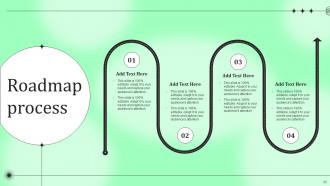
Slide 66: This slide elucidates the Roadmap process.
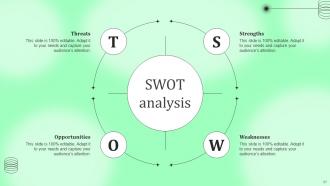
Slide 67: This slide depicts the SWOT analysis.
Slide 68: This is the 30, 60, 90 Days plan slide for effective planning.
Slide 69: This slide showcases the company's vision, mission & goal.
Slide 70: This is the Thank You slide for acknowledgement.
KYC Transaction Monitoring Tools For Business Safety Complete Deck with all 75 slides:
Use our KYC Transaction Monitoring Tools For Business Safety Complete Deck to effectively help you save your valuable time. They are readymade to fit into any presentation structure.










FAQs for KYC Transaction Monitoring Tools For Business
Key components include real-time transaction screening, automated risk scoring algorithms, customer due diligence databases, regulatory compliance frameworks, and suspicious activity reporting tools. These technologies streamline compliance operations by flagging unusual patterns, cross-referencing sanctions lists, and generating audit trails, with many financial institutions finding that integrated monitoring systems significantly reduce false positives while enhancing regulatory transparency.
Regulatory requirements significantly shape KYC transaction monitoring through mandated reporting thresholds, real-time surveillance standards, and cross-border compliance frameworks that vary by jurisdiction. Financial institutions must navigate complex regulatory landscapes, with banks and fintech companies adapting their monitoring systems to meet local requirements while maintaining global operational efficiency, ultimately delivering enhanced compliance and reduced regulatory risk.
Technology enhances KYC transaction monitoring accuracy through AI-powered pattern recognition, machine learning algorithms, real-time data analytics, automated risk scoring, and behavioral analysis tools. These technologies streamline compliance processes by detecting suspicious activities faster, reducing false positives, and enabling continuous customer profile updates, ultimately delivering more precise risk assessments and regulatory compliance.
Data analytics enhances KYC transaction monitoring by employing machine learning algorithms, pattern recognition, and behavioral analysis to detect anomalies in real-time. These technologies enable financial institutions to identify unusual transaction patterns, flag high-risk customers, and automate compliance reporting, while significantly reducing false positives and operational costs, ultimately delivering faster threat detection and stronger regulatory compliance.
Common challenges include integration complexity with existing systems, high false positive rates requiring manual review, regulatory compliance across multiple jurisdictions, data quality issues, and significant implementation costs. Many financial institutions find that balancing comprehensive monitoring with operational efficiency presents ongoing difficulties, while ensuring real-time processing capabilities and maintaining customer experience standards requires strategic resource allocation and technology investment.
Organizations balance customer privacy with thorough KYC checks through privacy-by-design frameworks, data minimization techniques, encrypted data processing, and transparent consent mechanisms. These approaches enable banks and financial institutions to conduct comprehensive risk assessments while protecting sensitive information, ultimately delivering regulatory compliance and enhanced customer trust in an increasingly scrutinized financial landscape.
Best practices for maintaining an up-to-date customer database include implementing automated data validation systems, establishing regular review cycles, integrating real-time data feeds, conducting periodic customer outreach campaigns, and utilizing advanced analytics for anomaly detection. These approaches streamline compliance operations by reducing manual errors, enhancing data accuracy, and ensuring regulatory adherence, with many financial institutions finding that proactive database maintenance significantly improves risk assessment capabilities while minimizing compliance costs.
More frequent transaction monitoring significantly enhances risk management by enabling faster detection of suspicious activities, reducing false positives through better pattern recognition, and ensuring real-time compliance with regulatory requirements. Financial institutions implementing continuous monitoring systems can identify potential money laundering or fraud within minutes rather than days, ultimately delivering stronger customer protection and regulatory compliance while minimizing operational losses.
Machine learning algorithms enhance KYC transaction monitoring by detecting unusual patterns, reducing false positives, adapting to evolving fraud techniques, automating risk scoring, and enabling real-time analysis of large transaction volumes. These technologies streamline compliance operations by improving accuracy, accelerating suspicious activity detection, and minimizing manual review requirements, ultimately delivering faster customer onboarding and enhanced regulatory adherence.
Businesses can measure KYC transaction monitoring effectiveness through false positive rates, detection accuracy, processing times, regulatory compliance scores, and customer experience metrics. Financial institutions increasingly track alert resolution speeds, staff productivity improvements, and cost per transaction monitored, with many finding that automated systems reduce manual review workloads by 60-80% while enhancing suspicious activity identification.
False positives in KYC transaction monitoring create operational inefficiencies, increased compliance costs, and customer friction through delayed transactions and account freezes. While these alerts help institutions maintain regulatory compliance, they also strain resources by requiring manual review processes, potentially damage customer relationships through service interruptions, and divert attention from genuine threats, with many banks finding that optimizing detection algorithms ultimately reduces costs while enhancing security effectiveness.
Cross-border transactions complicate KYC compliance by introducing multiple regulatory frameworks, varying documentation standards, currency conversion complexities, and jurisdictional reporting requirements that institutions must navigate simultaneously. These challenges create operational friction through extended verification processes, higher compliance costs, and potential delays in transaction approvals, with many financial institutions finding that enhanced automated monitoring systems and standardized data protocols ultimately streamline international compliance management.
When suspicious transactions are identified through KYC monitoring, organizations should immediately flag the activity, conduct enhanced due diligence investigations, document all findings comprehensively, and file suspicious activity reports with relevant regulatory authorities as required. These systematic steps enable financial institutions, banks, and fintech companies to maintain regulatory compliance while protecting against money laundering and fraud, ultimately delivering enhanced security and operational transparency.
Training employees enhances KYC transaction monitoring effectiveness by improving pattern recognition skills, ensuring regulatory compliance understanding, and developing sophisticated risk assessment capabilities. Through comprehensive education programs, financial institutions enable staff to identify suspicious activities more accurately, reduce false positives, and streamline investigation processes, ultimately delivering faster compliance responses and stronger fraud prevention outcomes.
Future trends in KYC transaction monitoring include AI-powered behavioral analytics, real-time risk scoring, blockchain-based identity verification, predictive compliance modeling, and integrated regulatory reporting platforms. These technologies revolutionize fraud detection by analyzing customer patterns instantly, automating suspicious activity alerts, and streamlining regulatory compliance, with many financial institutions finding that enhanced monitoring delivers faster transaction processing and significantly improved risk management.
-
“As you have innovative ideas and they are all customizable, this saves a huge chunk of your time to prepare well-read presentations.”
-
Definitely a time saver! Predesigned and easy-to-use templates just helped me put together an amazing presentation.