


Man In The Middle Attack Monotone Icon In Powerpoint Pptx Png And Editable Eps Format




Try Before you Buy Download Free Sample Product
 Impress Your
 Audience
 100%
100% Editable
 Save Hours
 of Time


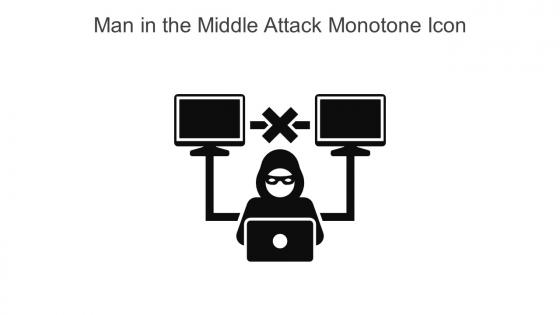
This Man in the middle attack monotone icon in powerpoint pptx png and editable eps format is a 100 percent editable icon. The downloaded file will have this icon in EPS, PNG and Powerpoint pptx format and is perfect for your next project. It has a simple yet stylish design.
People who downloaded this PowerPoint presentation also viewed the following :
Man In The Middle Attack Monotone Icon In Powerpoint Pptx Png And Editable Eps Format with all 6 slides:
Use our Man In The Middle Attack Monotone Icon In Powerpoint Pptx Png And Editable Eps Format to effectively help you save your valuable time. They are readymade to fit into any presentation structure.





FAQs for Man In The Middle Attack Monotone Icon In Powerpoint Pptx Png And
A Man In The Middle (MITM) attack occurs when cybercriminals secretly intercept and potentially alter communications between two parties, positioning themselves as invisible intermediaries in digital conversations. These attacks operate by exploiting unsecured networks, compromised routers, or malicious software, with financial institutions and retail organizations increasingly finding that robust encryption, secure authentication protocols, and network monitoring deliver enhanced security and customer trust.
Common MITM attack methods include ARP spoofing, DNS spoofing, Wi-Fi eavesdropping, SSL stripping, and session hijacking. These techniques enable attackers to intercept communications by positioning themselves between users and networks, compromising sensitive data in banking, retail, and corporate environments, ultimately highlighting the need for enhanced security protocols and encrypted connections.
Encrypted communications can be compromised through certificate spoofing, SSL stripping, and rogue access points that intercept data before encryption occurs. These attack vectors enable cybercriminals to bypass HTTPS protections by establishing fraudulent connections, downgrading secure protocols, and creating malicious network endpoints, ultimately exposing sensitive business data and customer information across banking, e-commerce, and corporate environments.
Wireless networks significantly increase MITM attack risks through unsecured connections, weak encryption protocols, rogue access points, and signal interception vulnerabilities that create multiple entry points for attackers. These network weaknesses enable cybercriminals to position themselves between users and legitimate services, with many organizations in banking, retail, and healthcare finding that implementing robust wireless security protocols, network monitoring, and encryption standards ultimately delivers enhanced data protection and reduced breach exposure.
Organizations detect MITM attacks through network monitoring tools, SSL certificate validation, traffic analysis, and behavioral anomaly detection systems. These technologies identify suspicious patterns by monitoring encrypted connections, validating certificate authenticity, and analyzing data flow irregularities, with many financial institutions and healthcare providers finding that multi-layered detection approaches significantly reduce breach response times and enhance overall security posture.
Sensitive data types most vulnerable to MITM attacks include login credentials, financial information, personal identification details, healthcare records, and corporate communications. Banking transactions, email exchanges, and e-commerce purchases face particularly high risks, with cybercriminals targeting unencrypted transmissions to steal passwords, credit card numbers, and confidential business data, ultimately compromising organizational security and customer trust.
Individuals can safeguard against MITM attacks by using encrypted connections (HTTPS), avoiding public Wi-Fi for sensitive activities, enabling two-factor authentication, keeping software updated, and verifying website certificates. These security practices work by creating multiple layers of protection, encryption, and authentication verification, with many users finding that combining these approaches significantly reduces vulnerability while maintaining seamless digital experiences.
SSL stripping and session hijacking are sophisticated MITM attack techniques that exploit different vulnerabilities in web communications and user sessions. SSL stripping forces connections from secure HTTPS to unencrypted HTTP, while session hijacking steals authentication tokens, with both enabling attackers to intercept sensitive data, ultimately compromising user privacy and organizational security across banking, retail, and corporate environments.
Attackers typically use tools like Wireshark, Ettercap, Bettercap, SSLstrip, and Burp Suite to execute MITM attacks through packet interception, ARP spoofing, and traffic manipulation. These sophisticated tools enable cybercriminals to compromise network communications, steal sensitive data, and bypass security protocols, with many organizations increasingly investing in advanced network monitoring and encryption technologies to counter these evolving threats.
User education significantly reduces MITM attack risks by teaching employees to verify website certificates, recognize phishing attempts, avoid unsecured networks, and identify suspicious authentication requests. Through comprehensive security training programs, organizations enhance their human firewall capabilities, with many companies finding that well-informed staff serve as the first line of defense, ultimately delivering stronger overall cybersecurity posture.
Conducting penetration tests for MITM vulnerabilities requires explicit written authorization, clear scope definitions, data protection compliance, and adherence to local cybersecurity regulations. These ethical testing practices enable organizations to strengthen network security, demonstrate regulatory compliance, and protect customer data, with many financial institutions and healthcare providers finding that proactive vulnerability assessments ultimately deliver enhanced security postures and reduced breach risks.
VPNs significantly reduce MITM attack risks by creating encrypted tunnels between devices and servers, masking IP addresses, and authenticating connections through secure protocols. While VPNs provide robust protection for remote workers and public WiFi users, organizations must ensure proper implementation and regular updates, with many financial institutions and healthcare providers finding that enterprise-grade VPN solutions deliver enhanced security and operational confidence.
Digital certificates serve as digital passports that verify server authenticity through cryptographic signatures, certificate authorities, public key infrastructure, and chain-of-trust validation. By establishing secure encrypted channels between clients and verified servers, certificates enable organizations in banking, e-commerce, and healthcare to prevent attackers from intercepting communications, ultimately delivering authenticated connections and protecting sensitive data exchanges.
Network segmentation limits MITM attack impact by isolating critical systems, restricting lateral movement between network zones, and containing breaches within specific segments. Through strategic network isolation, organizations can protect sensitive data flows, minimize attack surface exposure, and maintain operational continuity, with many financial institutions and healthcare providers finding segmentation significantly reduces breach scope and recovery time.
Emerging technologies include quantum cryptography, blockchain-based authentication, AI-powered threat detection, zero-trust network architectures, and advanced certificate transparency systems. These innovations enhance security by creating tamper-proof communication channels, real-time anomaly detection, and distributed verification mechanisms, with many financial institutions and healthcare organizations finding that quantum-resistant encryption ultimately delivers unprecedented protection against sophisticated interception attempts.
-
“I really like the convenient operation and professionalism I saw on the SlideTeam website. I want to express my regards and appreciation to the team.”
-
The PPTs are extremely simple to modify. Thank you for providing the slides that are ready to be used. They assist me in saving a lot of time.