


Market Research Company Profile Powerpoint Presentation Slides CP CD V
A Company profile describes all the relevant elements of a business, which helps the investors and stakeholders evaluate the businesss value and performance. Check out our professionally designed Market Research Company Profile PowerPoint presentation. First, it covers a brief overview of the company, which mentions that it is an American information, data, and market measurement firm. It also highlights the companys values, facts and figures, and leadership team. Additionally, the module covers global solutions, which include audience measurement solutions, media planning marketing solutions, and content metadata solutions. It also consists of the products position across the media ecosystem, content metadata and new services, capital allocation strategy, USP, and key clients. Moreover, the PPT represents the stakeholder engagement strategy, one product roadmap, investment thesis, international growth drivers, development initiatives, employee count, SWOT analysis, and competitor analysis. At last, it emphasizes company financials, revenue, operating income, revenue growth trend, EPS, free cash flow, EBITDA, TAM, and growth rate. This deck also covers the future financial performance evaluation with 2024 ESG goals. Get access to our 100 percentage editable company profile template now.
A Company profile describes all the relevant elements of a business, which helps the investors and stakeholders evaluate th..


















-

- Google Slides is a new FREE Presentation software from Google.
- All our content is 100% compatible with Google Slides.
- Just download our designs, and upload them to Google Slides and they will work automatically.
- Amaze your audience with SlideTeam and Google Slides.
-

Want Changes to This PPT Slide? Check out our Presentation Design Services
-

- WideScreen Aspect ratio is becoming a very popular format. When you download this product, the downloaded ZIP will contain this product in both standard and widescreen format.
-

- Some older products that we have may only be in standard format, but they can easily be converted to widescreen.
- To do this, please open the SlideTeam product in Powerpoint, and go to
- Design ( On the top bar) -> Page Setup -> and select "On-screen Show (16:9)” in the drop down for "Slides Sized for".
- The slide or theme will change to widescreen, and all graphics will adjust automatically. You can similarly convert our content to any other desired screen aspect ratio.
Compatible With Google Slides

Get This In WideScreen
You must be logged in to download this presentation.


Do you want to remove this product from your favourites?
PowerPoint presentation slides
Enthrall your audience with this Market Research Company Profile Powerpoint Presentation Slides CP CD V Increase your presentation threshold by deploying this well-crafted template. It acts as a great communication tool due to its well-researched content. It also contains stylized icons, graphics, visuals etc, which make it an immediate attention-grabber. Comprising forty eight slides, this complete deck is all you need to get noticed. All the slides and their content can be altered to suit your unique business setting. Not only that, other components and graphics can also be modified to add personal touches to this prefabricated set.

People who downloaded this PowerPoint presentation also viewed the following :
Content of this Powerpoint Presentation
Slide 1: This slide displays the title Market Research Company Profile.
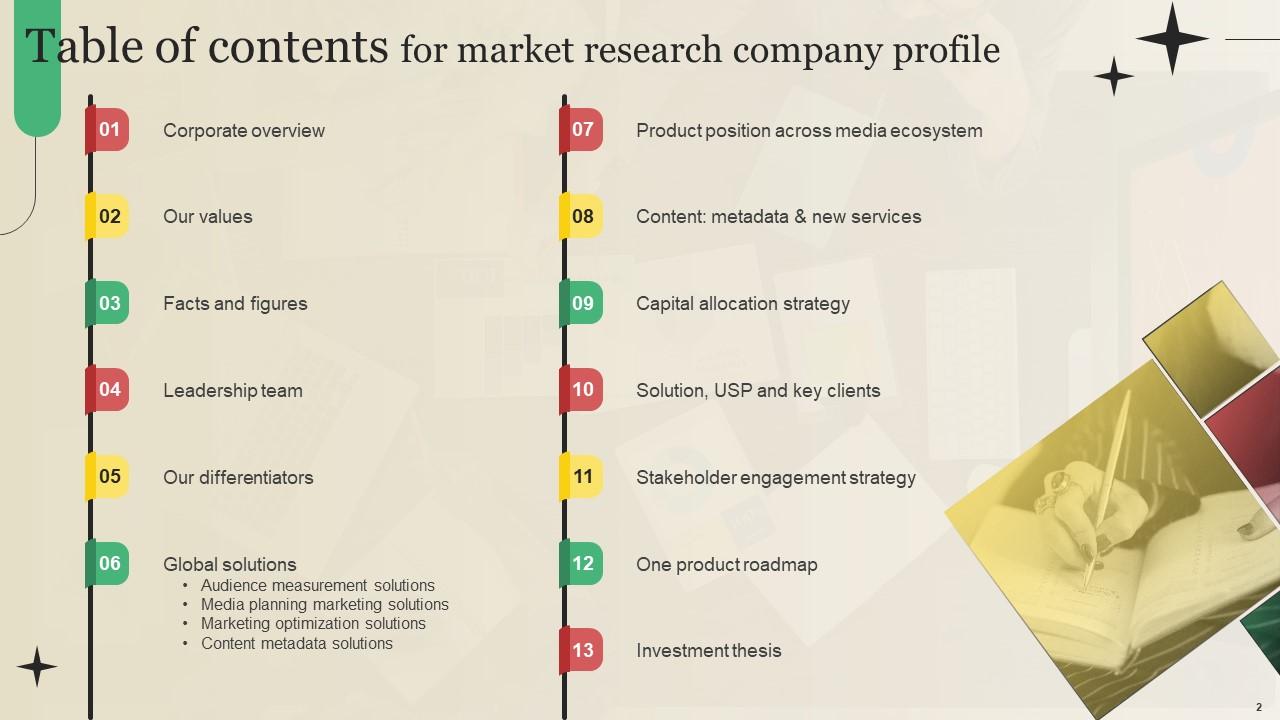
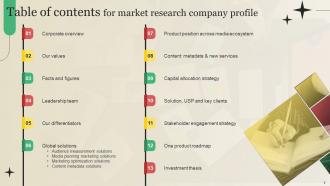
Slide 2: This slide exhibit table of content.
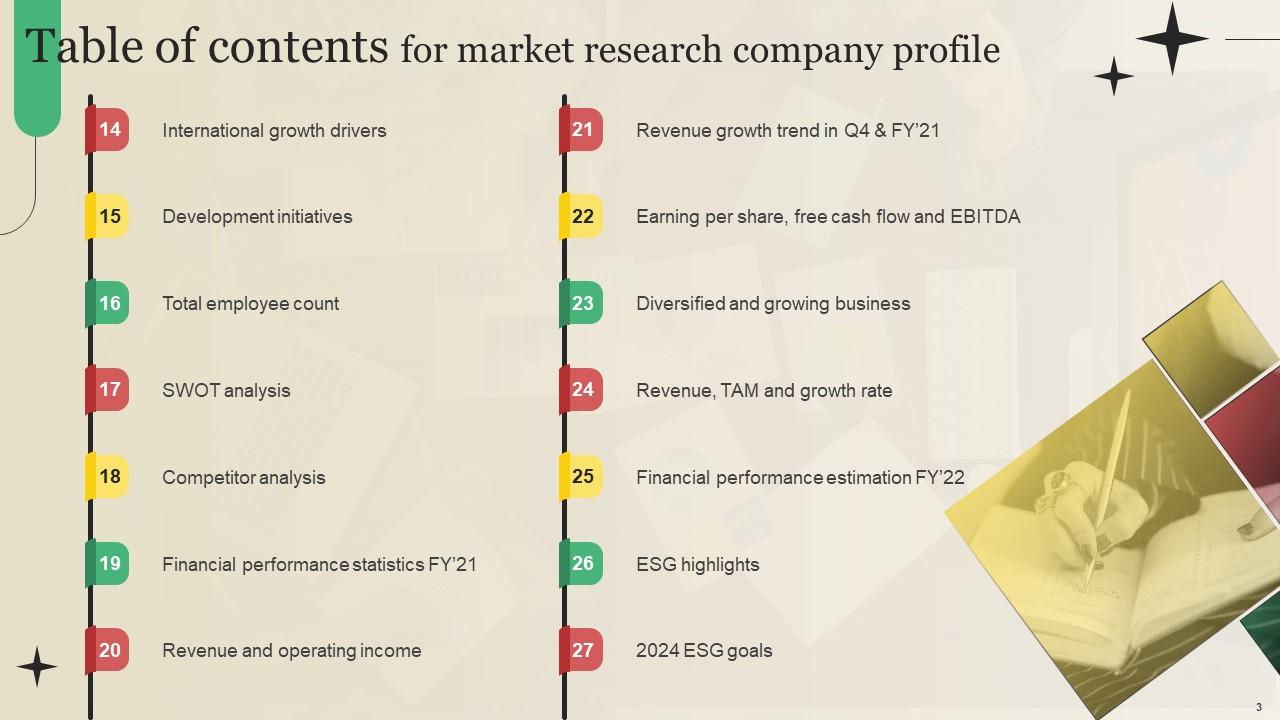
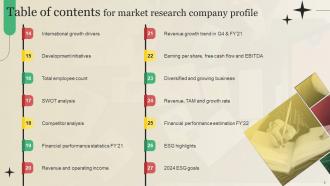
Slide 3: This slide exhibit table of content.
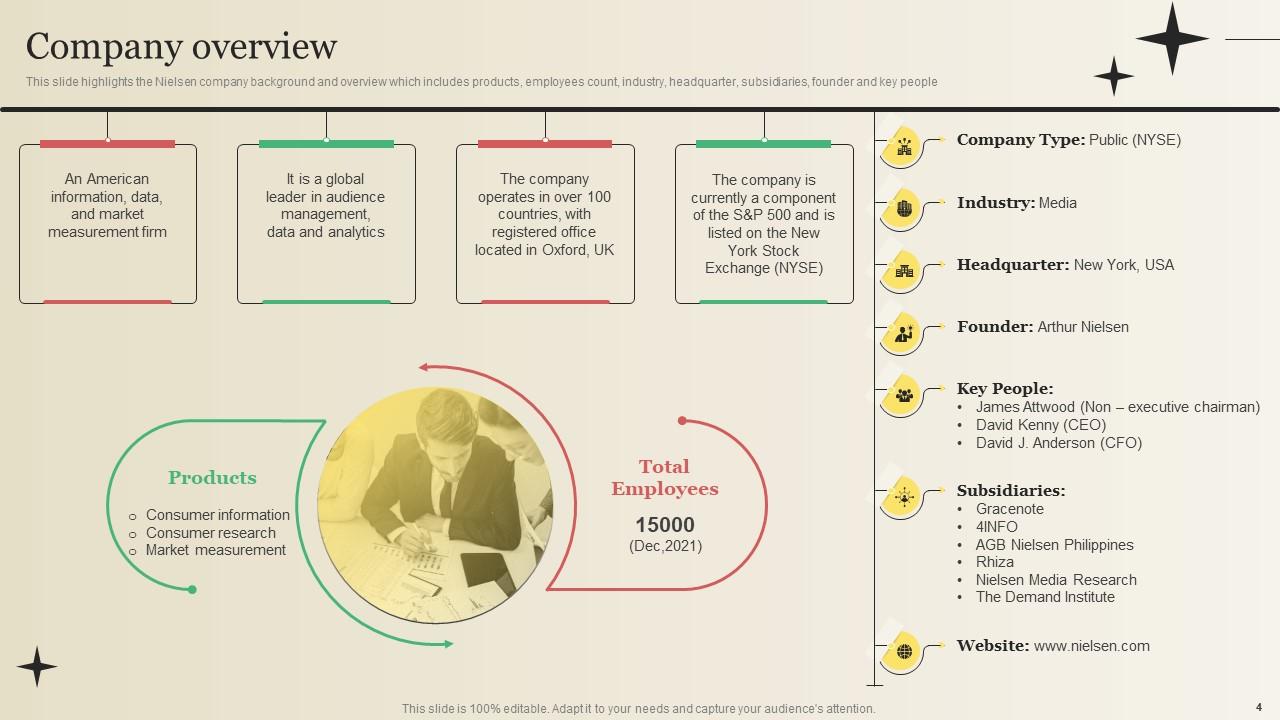
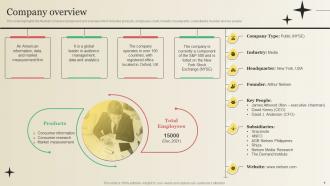
Slide 4: This slide highlights the Nielsen company background and overview which includes products, employees count, industry, headquarter.
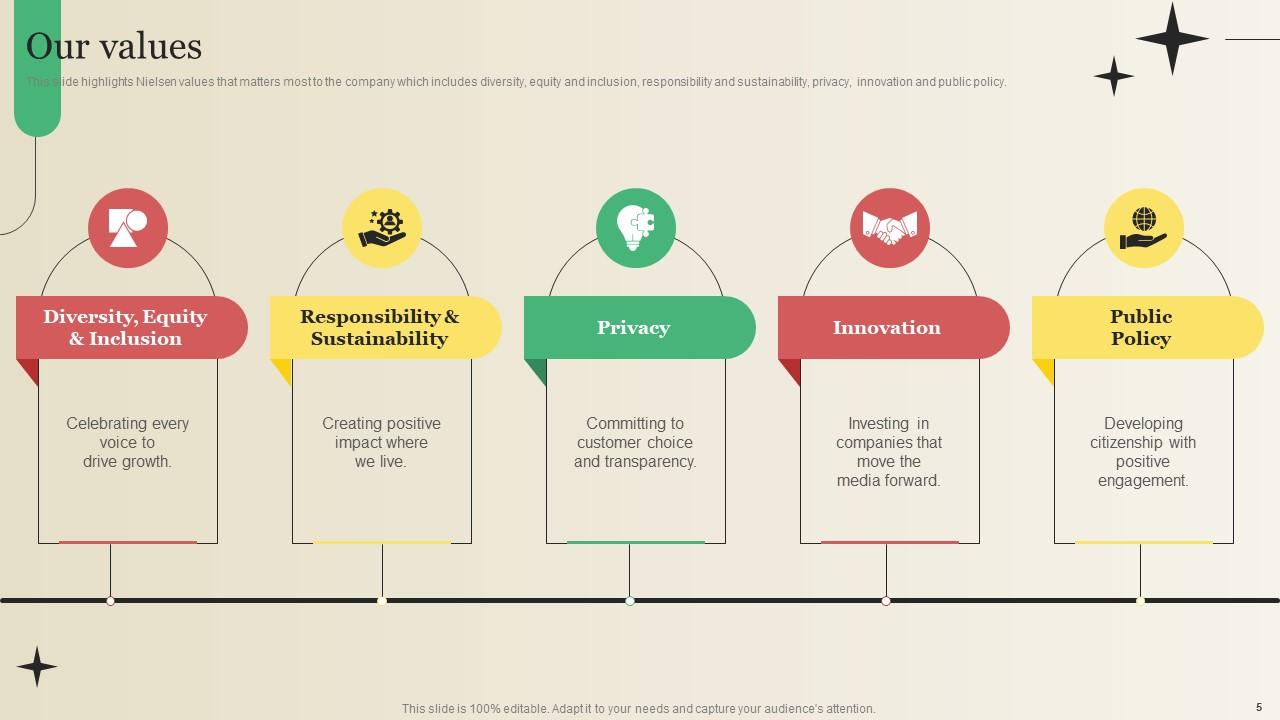
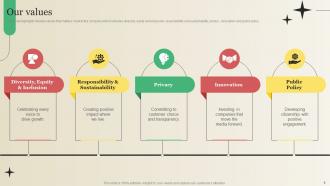
Slide 5: This slide highlights Nielsen values that matters most to the company.
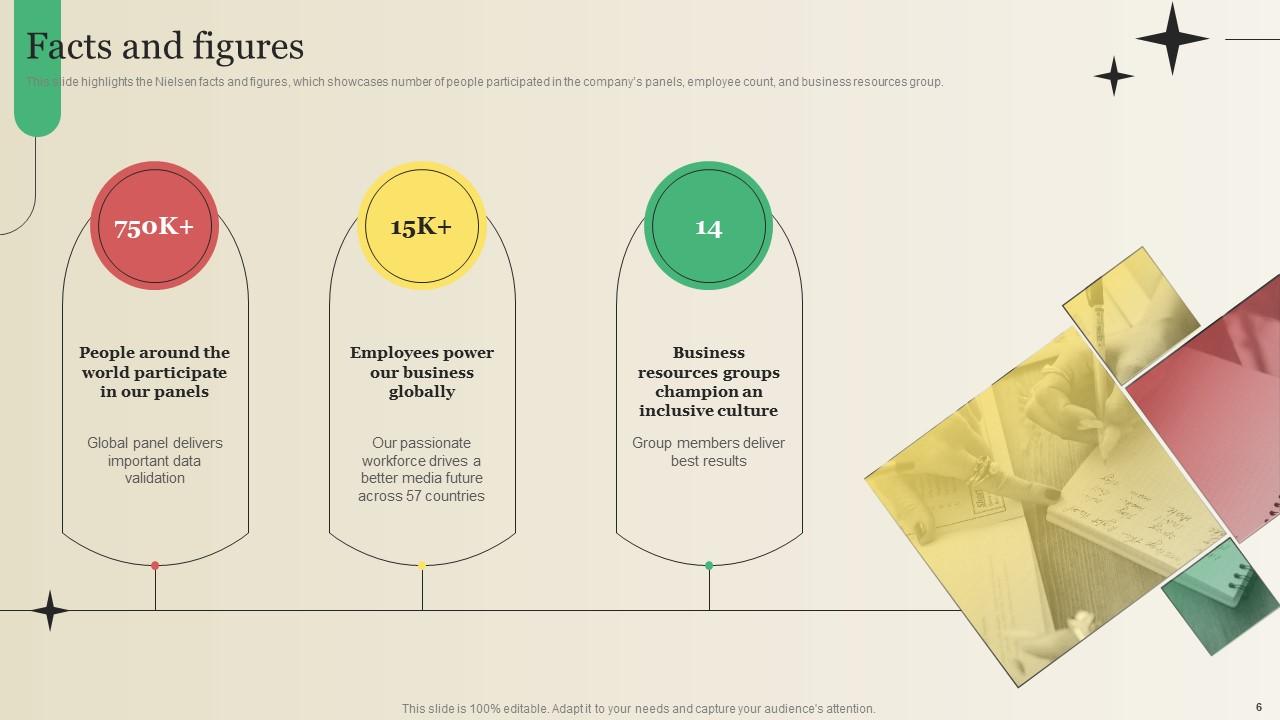
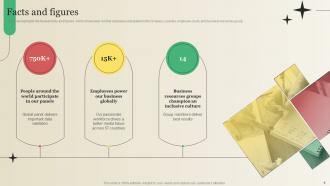
Slide 6: This slide highlights the Nielsen facts and figures, which showcases number of people participated in the company’s panels, employee count.
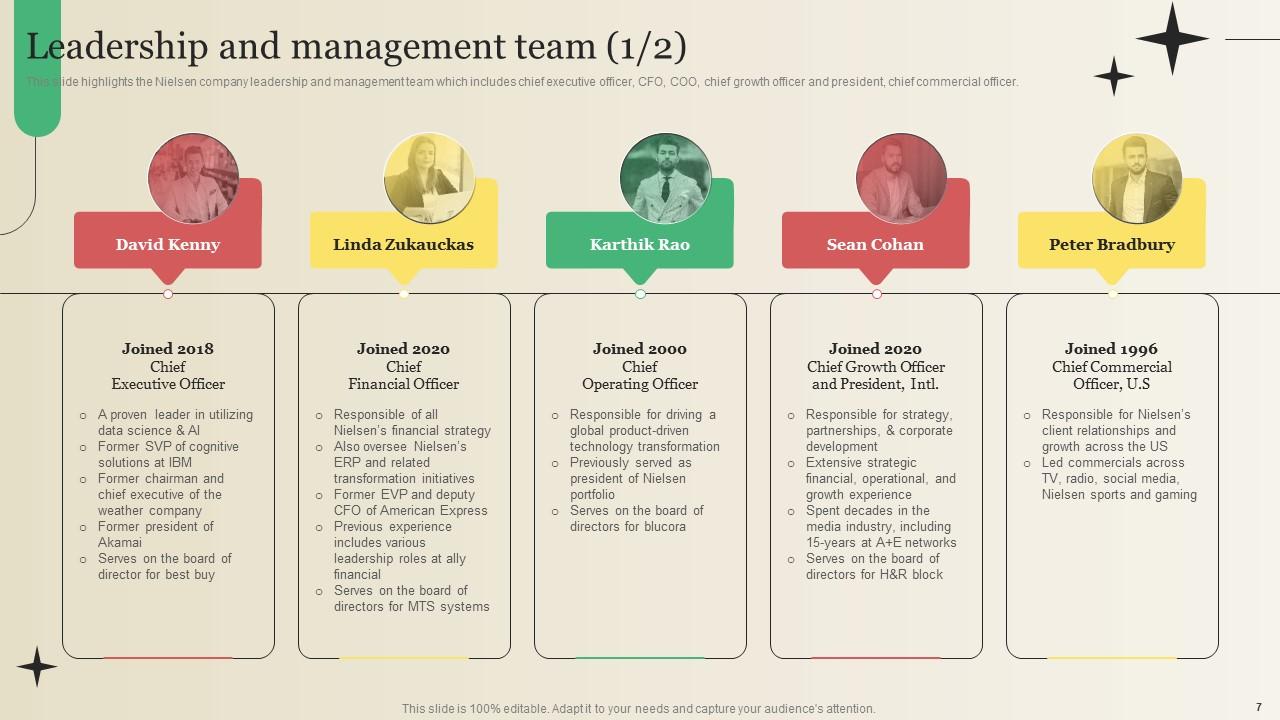
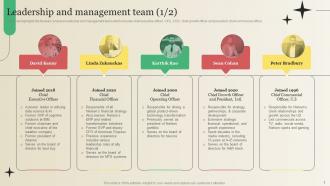
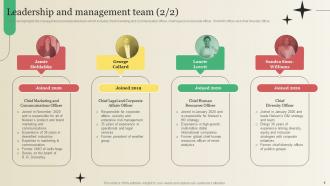
Slide 7: This slide highlights the Nielsen company leadership and management team which includes chief executive officer, CFO, COO, chief growth officer.
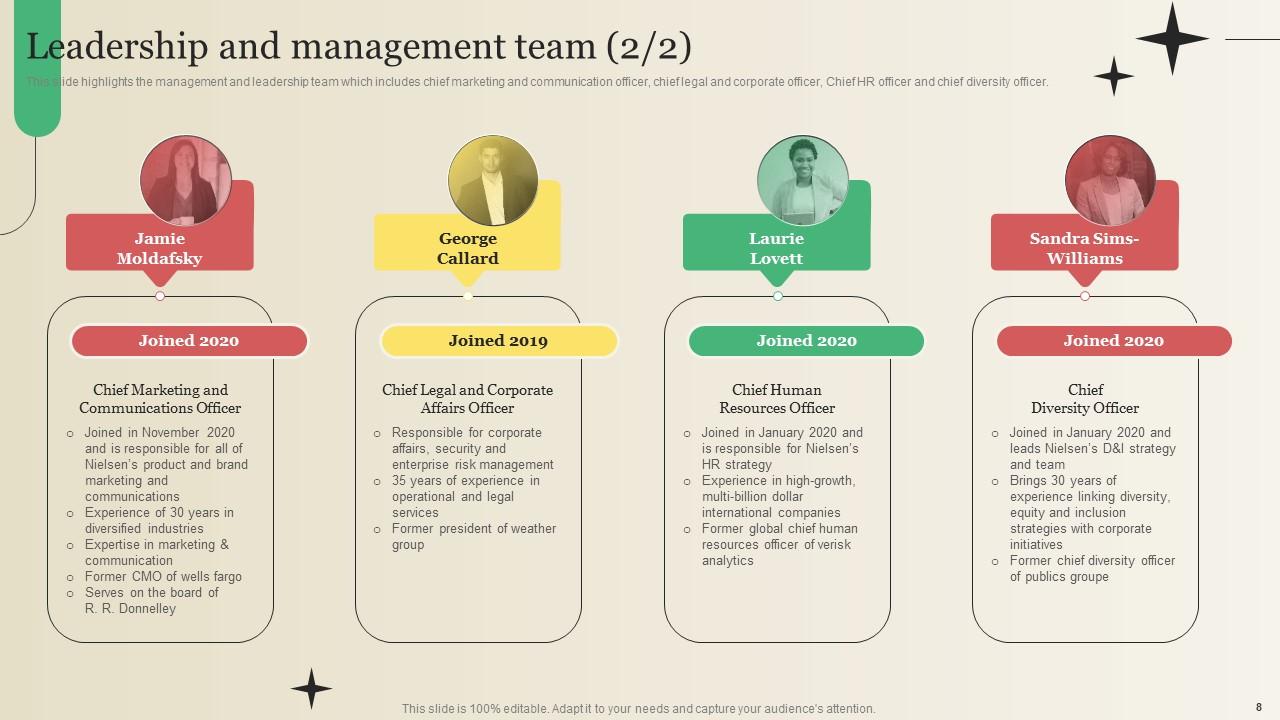
Slide 8: This slide highlights the management and leadership team.
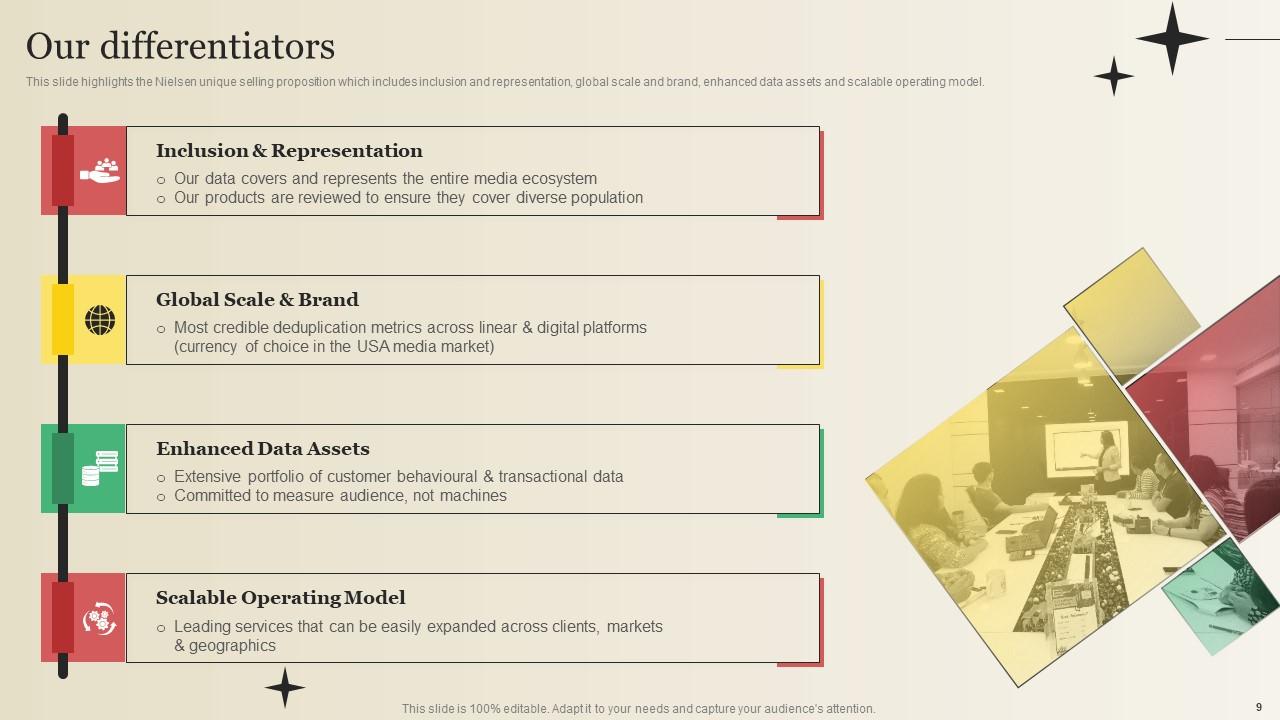
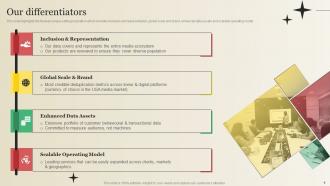
Slide 9: This slide highlights the Nielsen unique selling proposition.
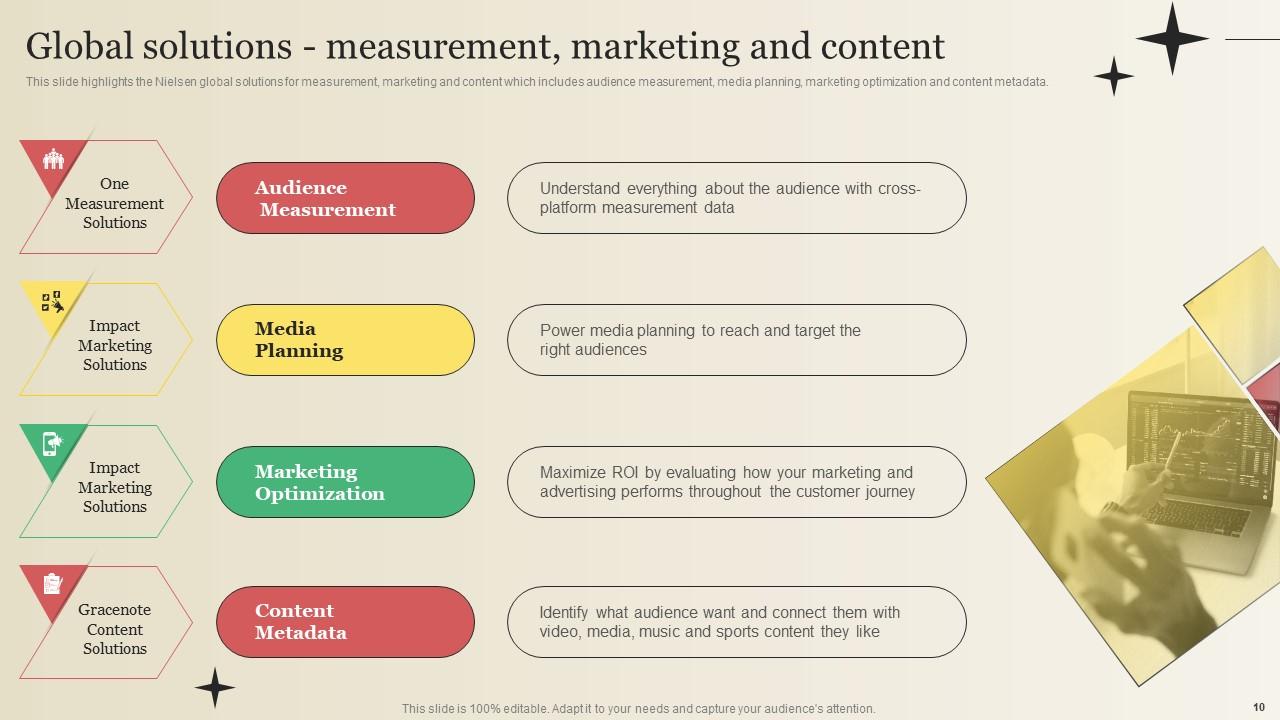
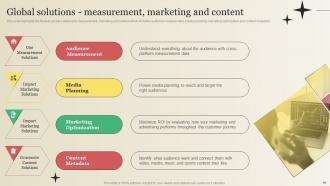
Slide 10: This slide highlights the Nielsen global solutions for measurement, marketing and content.
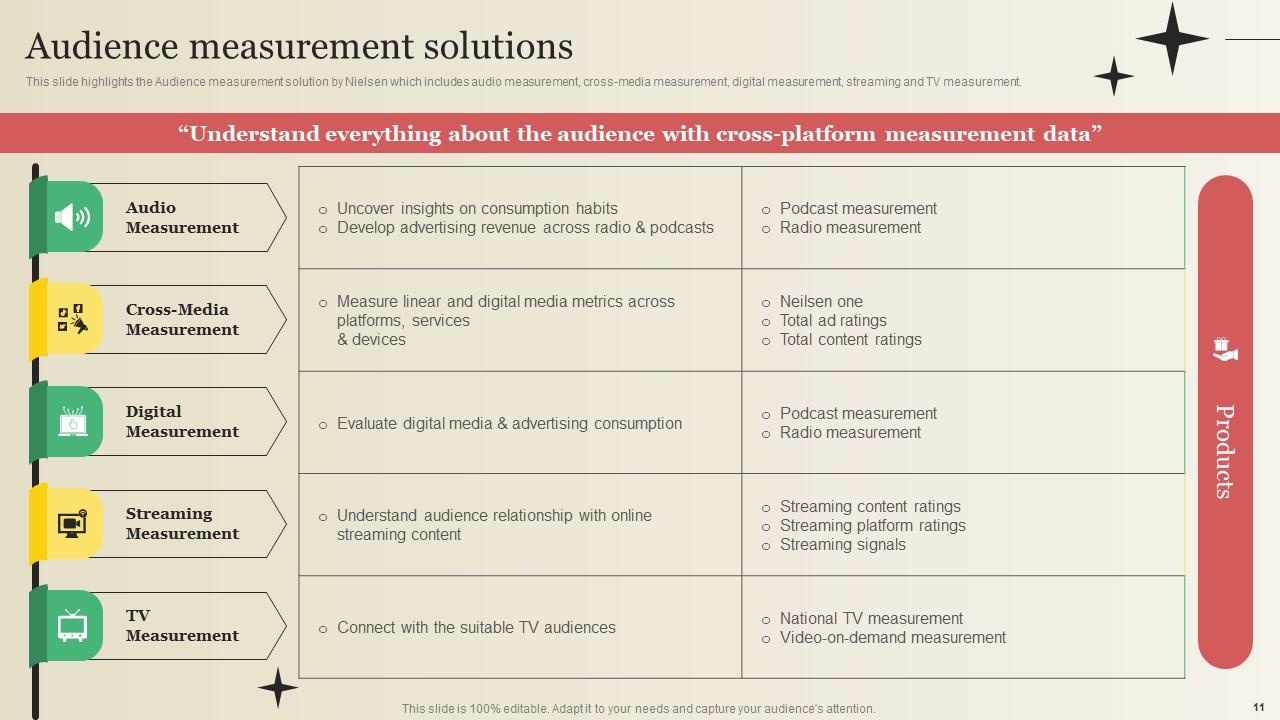
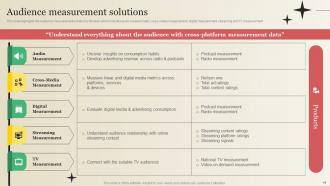
Slide 11: This slide highlights the Audience measurement solution by Nielsen.
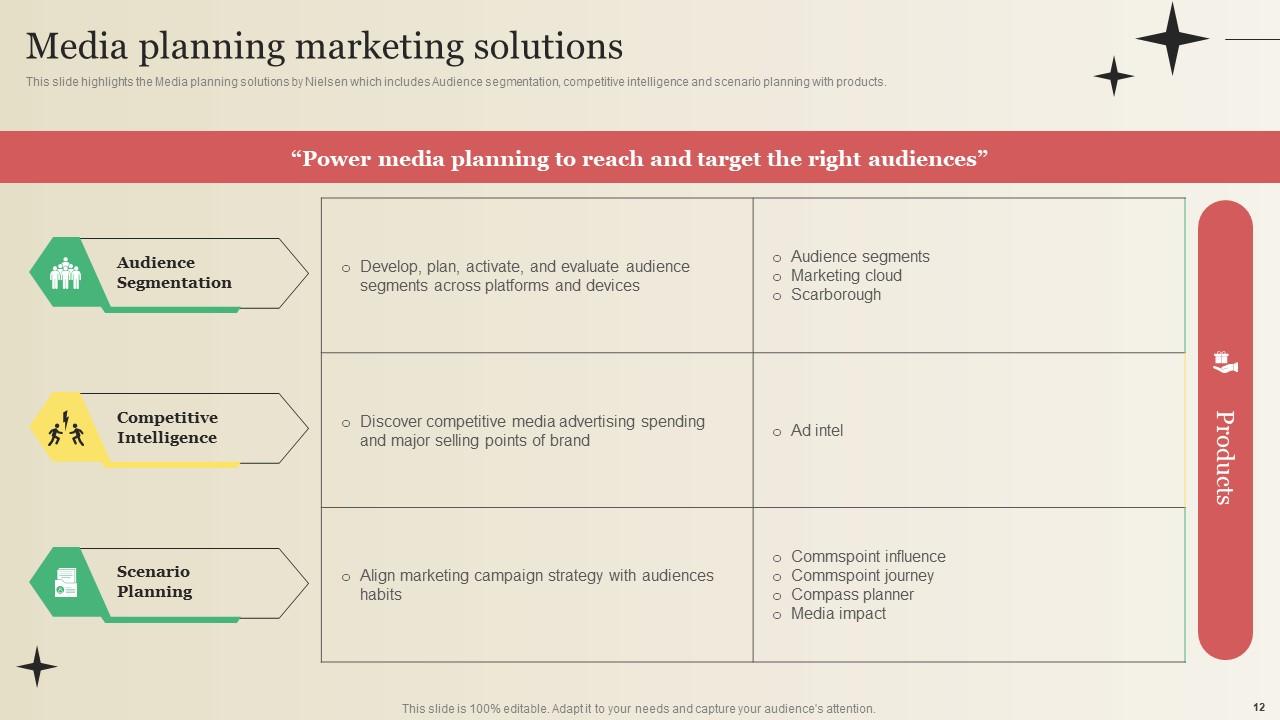
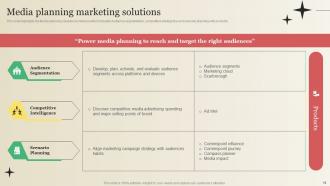
Slide 12: This slide highlights the Media planning solutions by Nielsen.
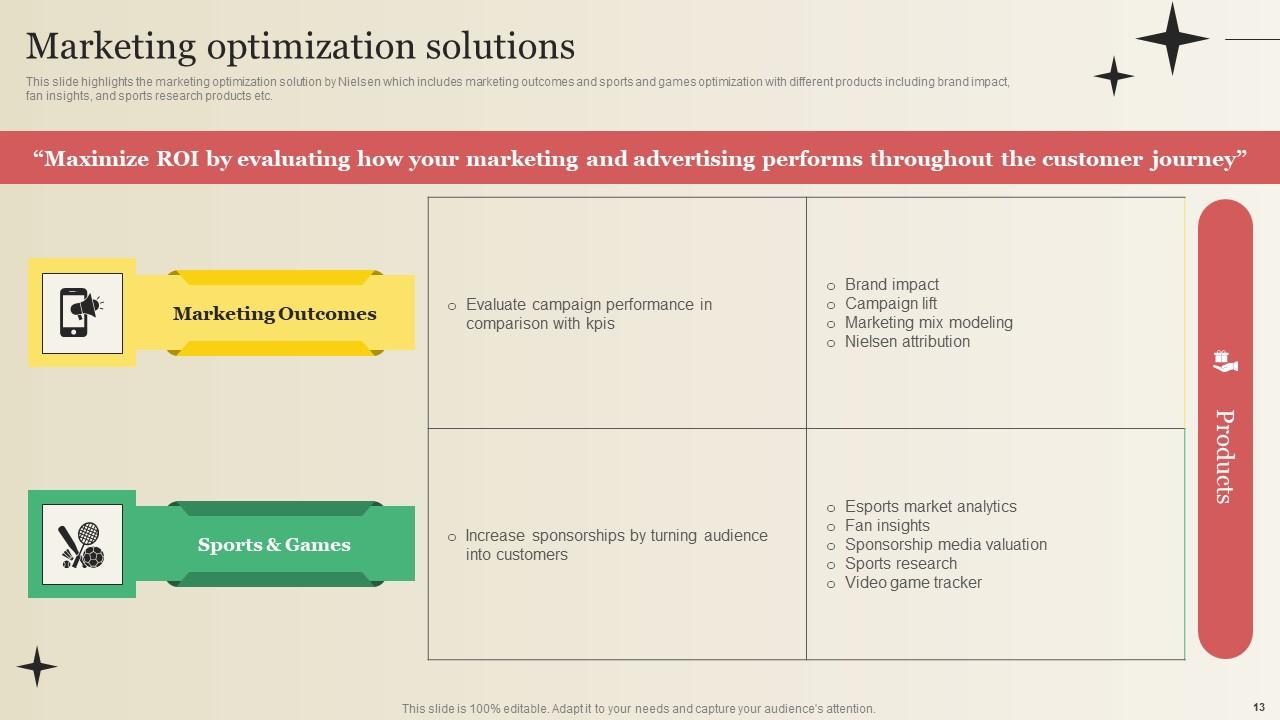
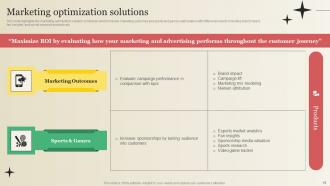
Slide 13: This slide highlights the marketing optimization solution by Nielsen.
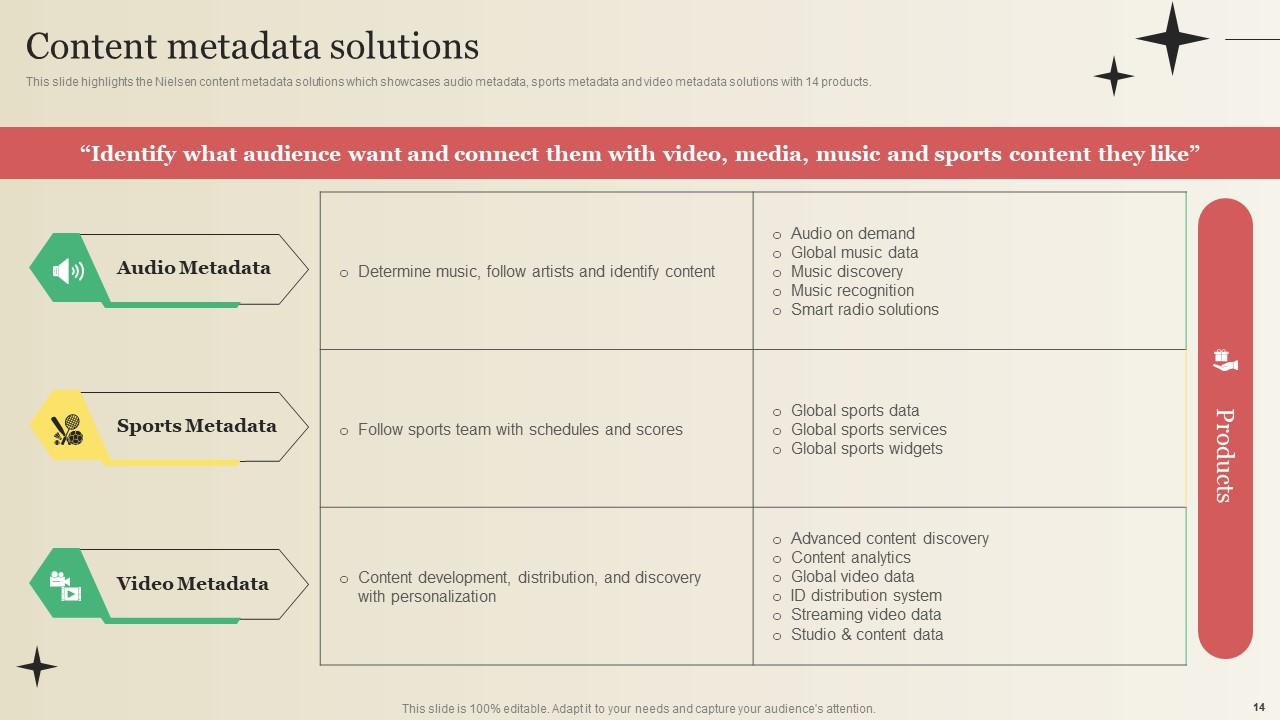
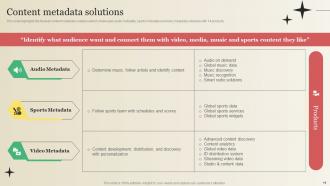
Slide 14: This slide highlights the Nielsen content metadata solutions which showcases audio metadata, sports metadata and video metadata solutions.
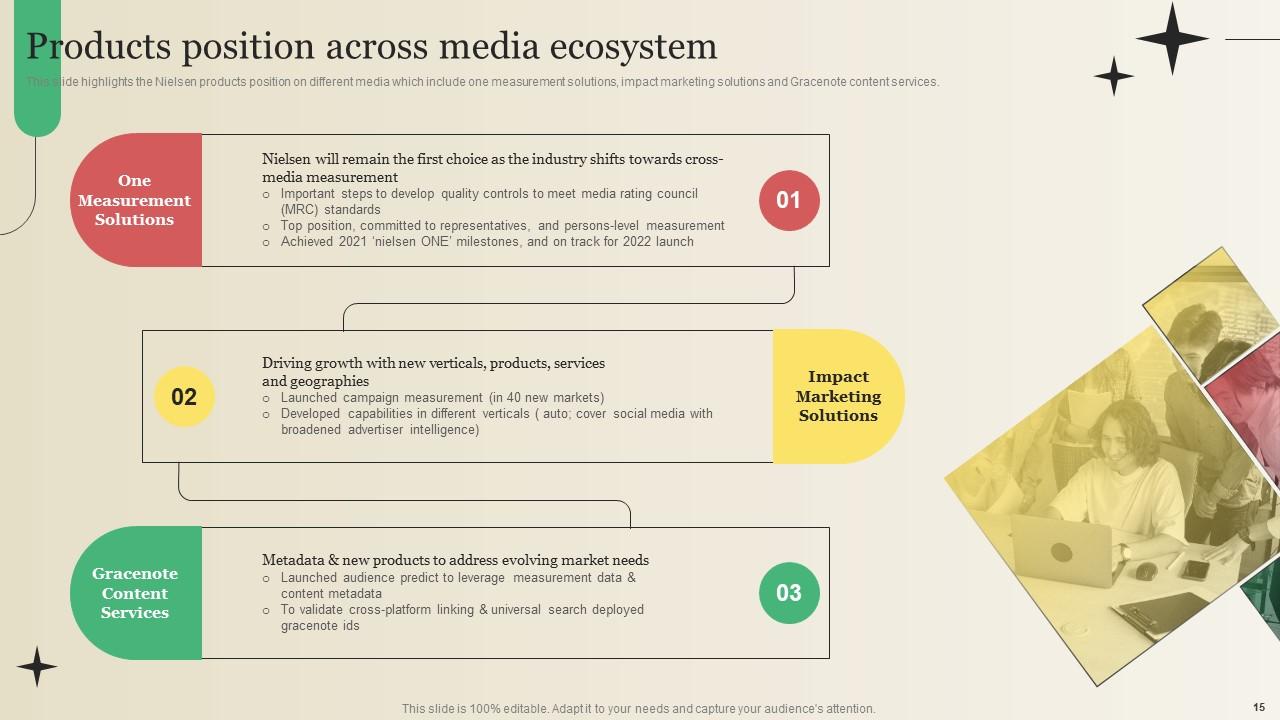
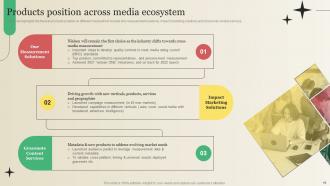
Slide 15: This slide highlights the Nielsen products position on different media.
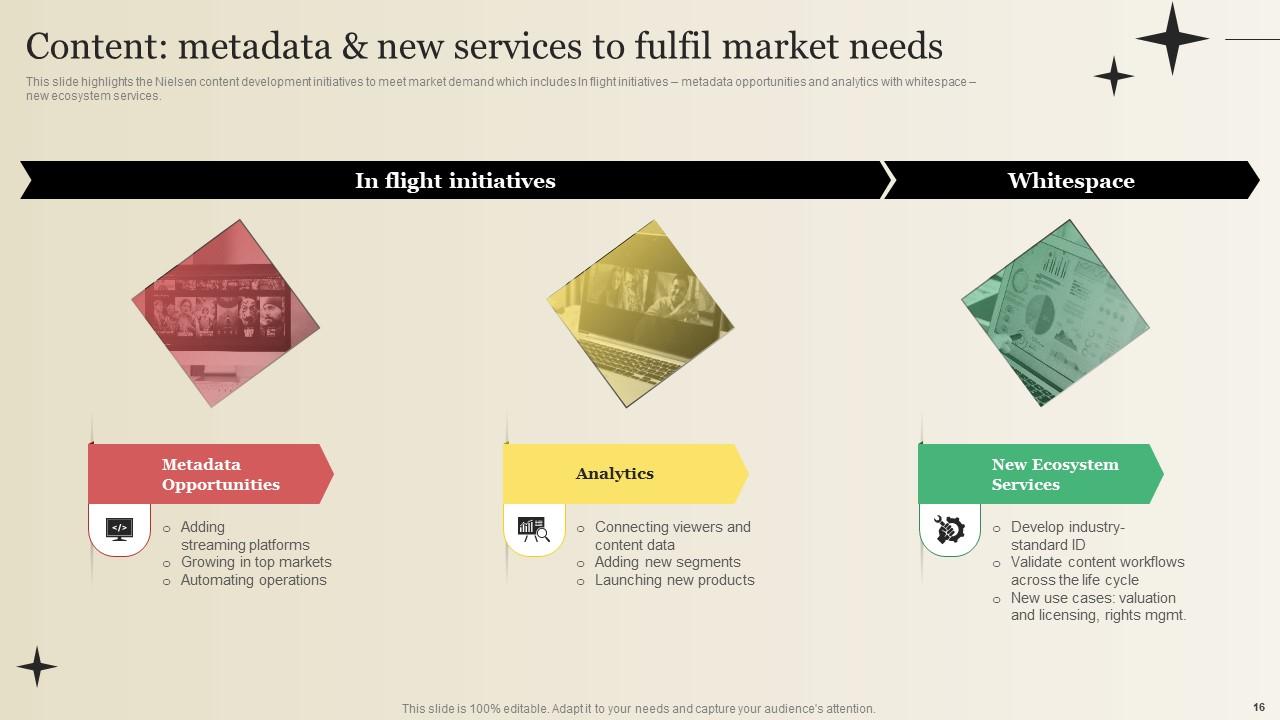
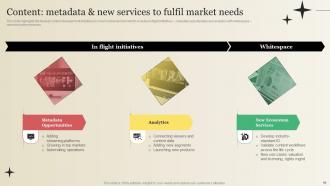
Slide 16: This slide highlights the Nielsen content development initiatives to meet market demand.
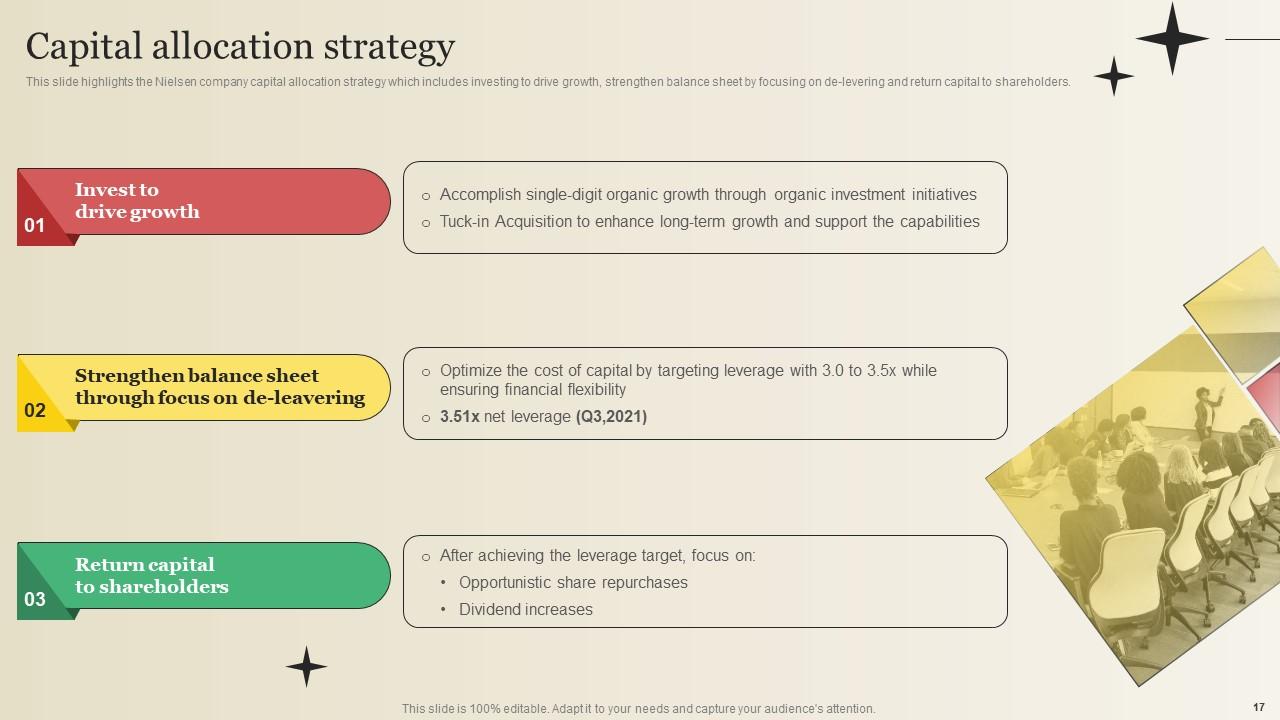
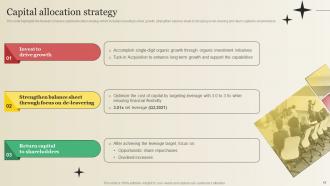
Slide 17: This slide highlights the Nielsen company capital allocation strategy.
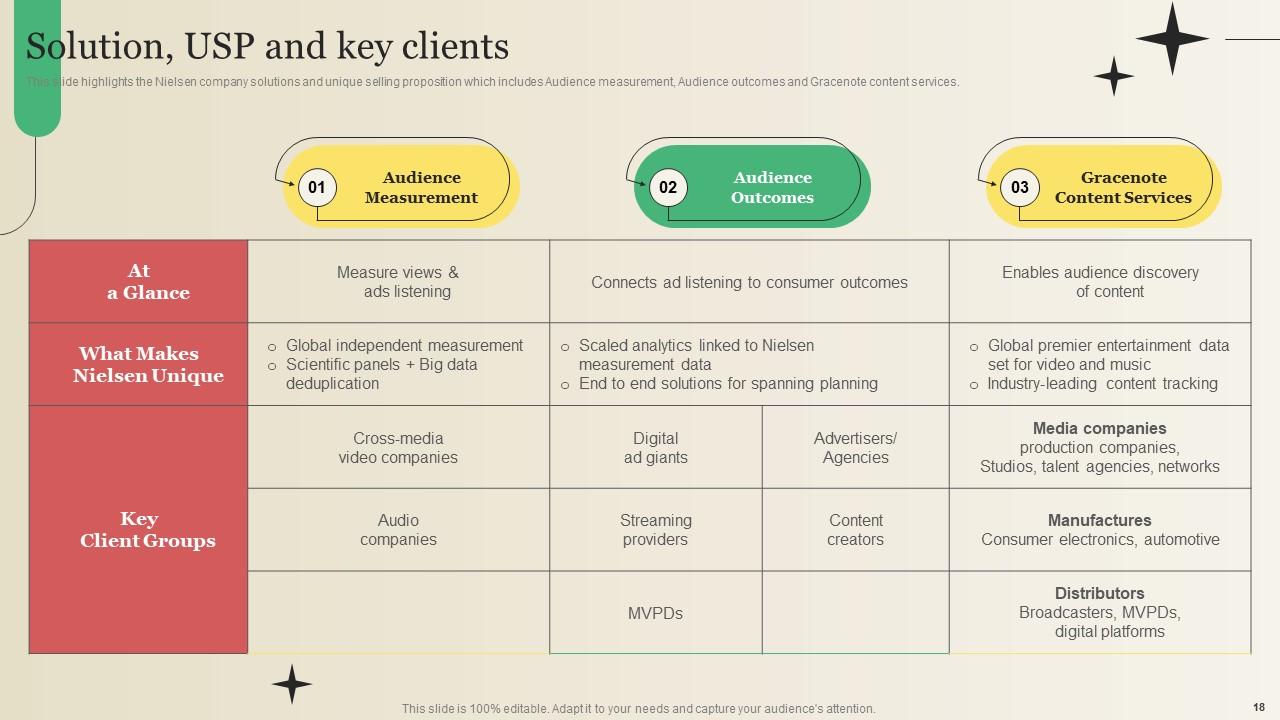
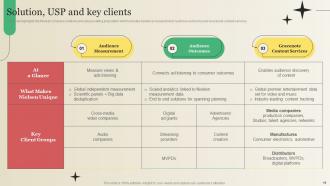
Slide 18: This slide highlights the Nielsen company solutions and unique selling proposition.
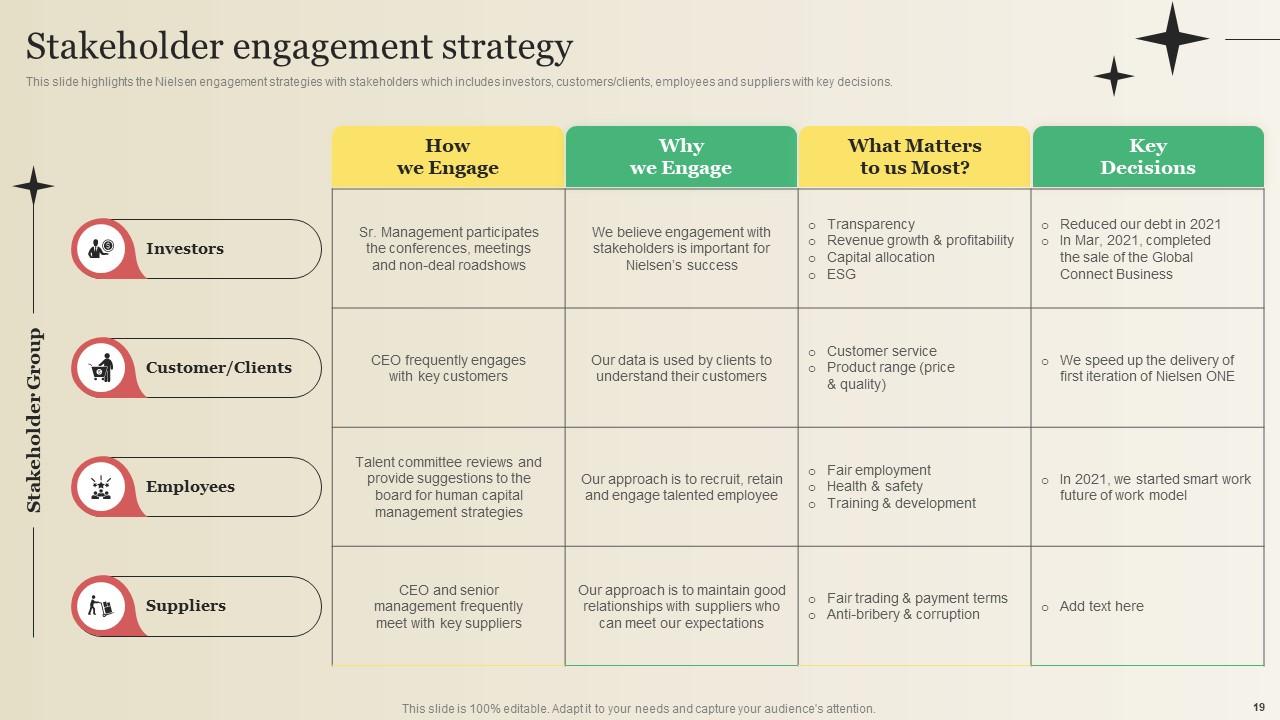
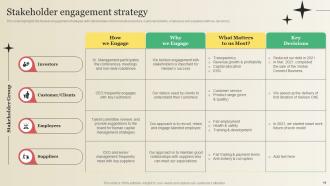
Slide 19: This slide highlights the Nielsen engagement strategies with stakeholders.
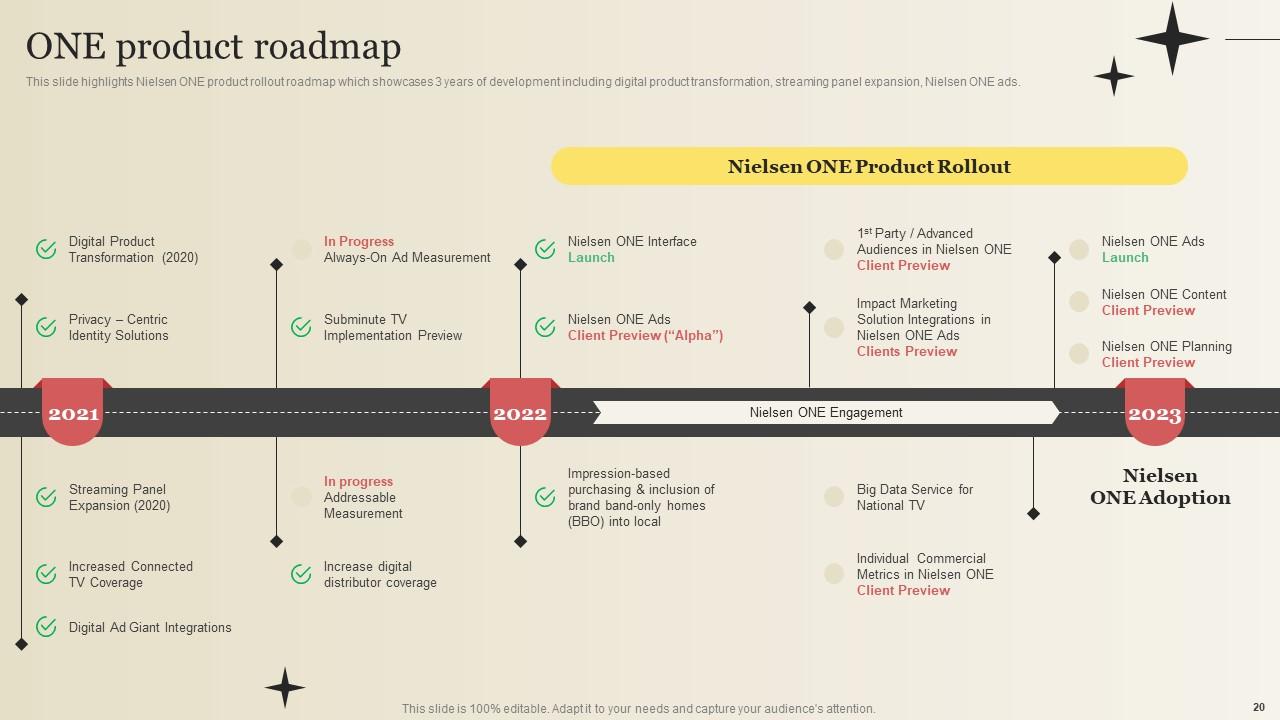
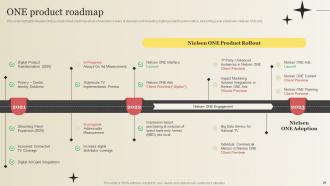
Slide 20: This slide highlights Nielsen ONE product rollout roadmap which showcases 3 years of development.
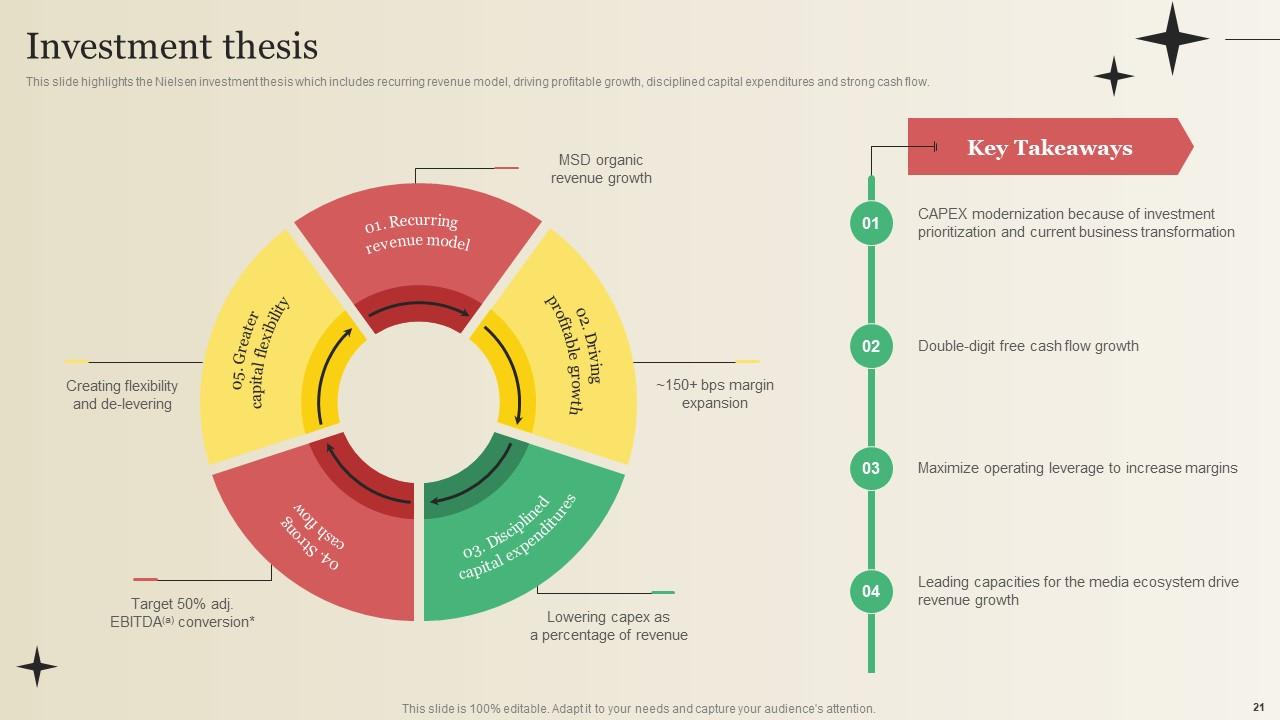
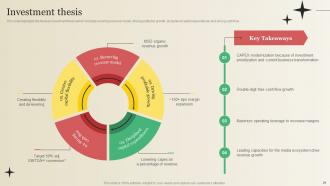
Slide 21: This slide highlights the Nielsen investment thesis which includes recurring revenue model.
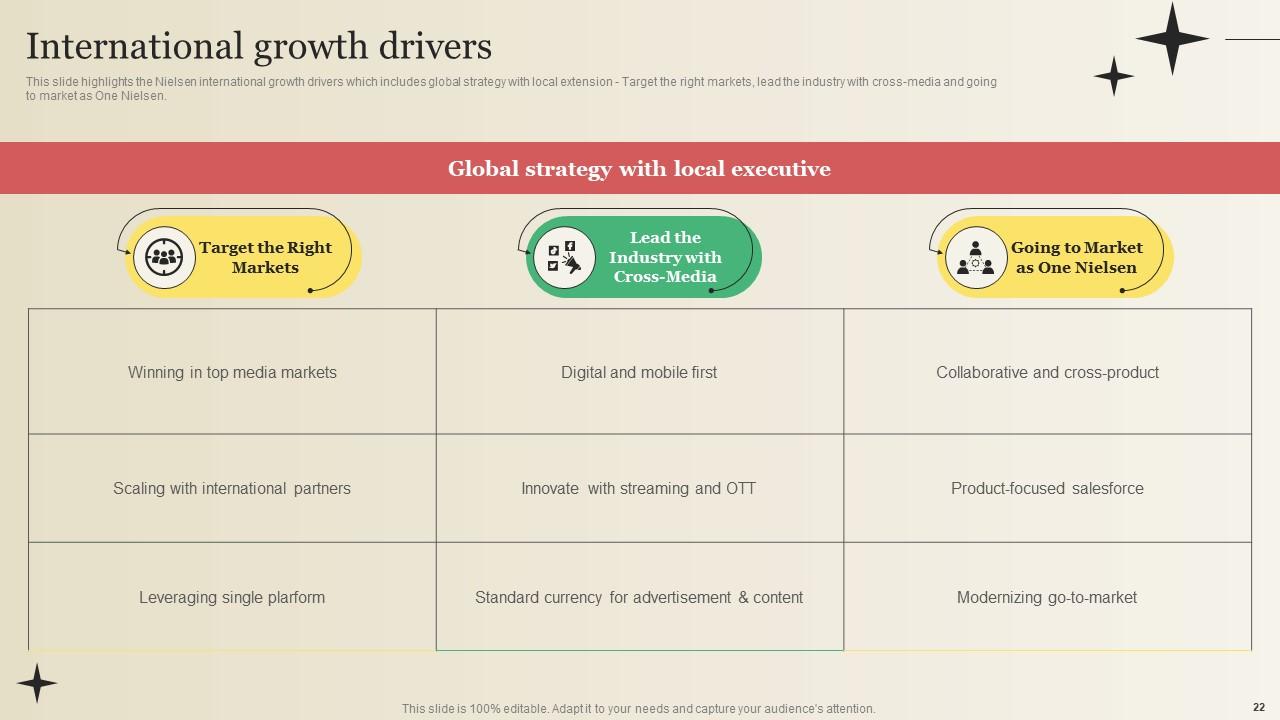
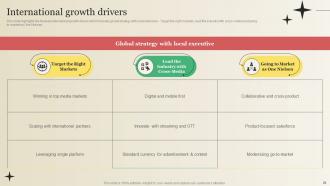
Slide 22: This slide highlights the Nielsen international growth drivers which includes global strategy with local extension.
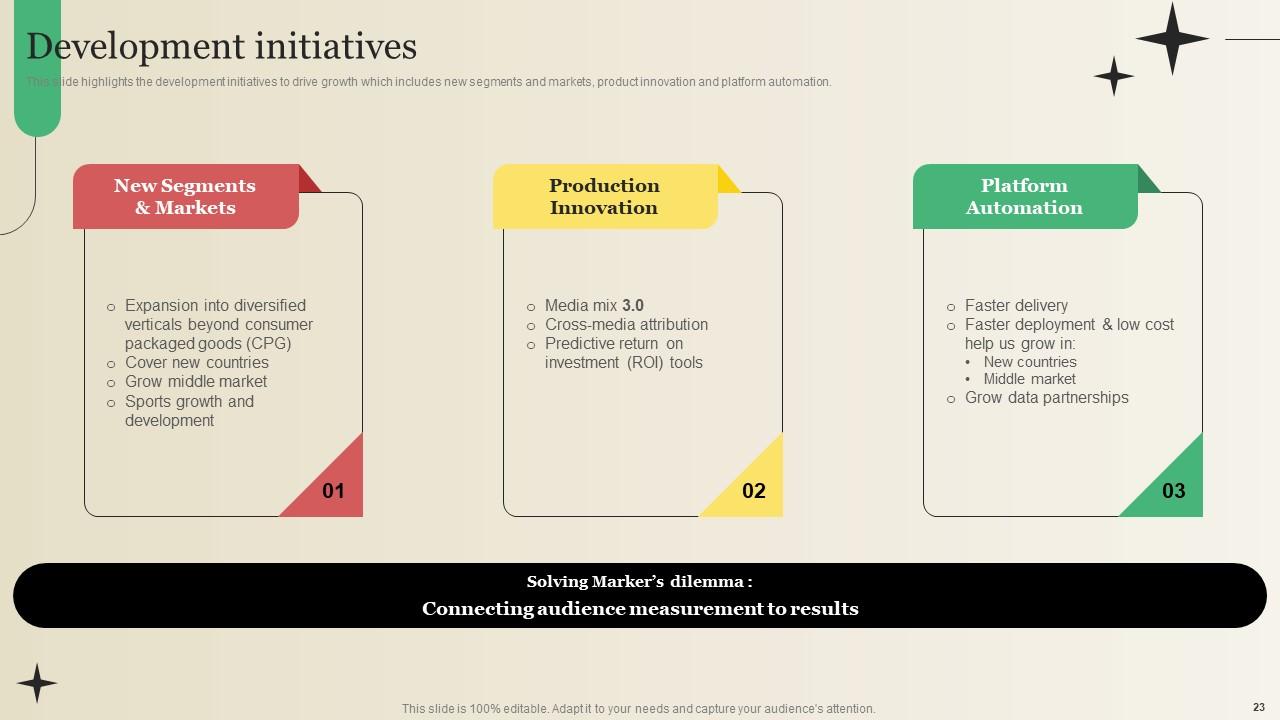
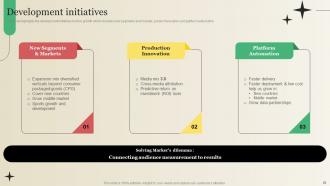
Slide 23: This slide highlights the development initiatives to drive growth.
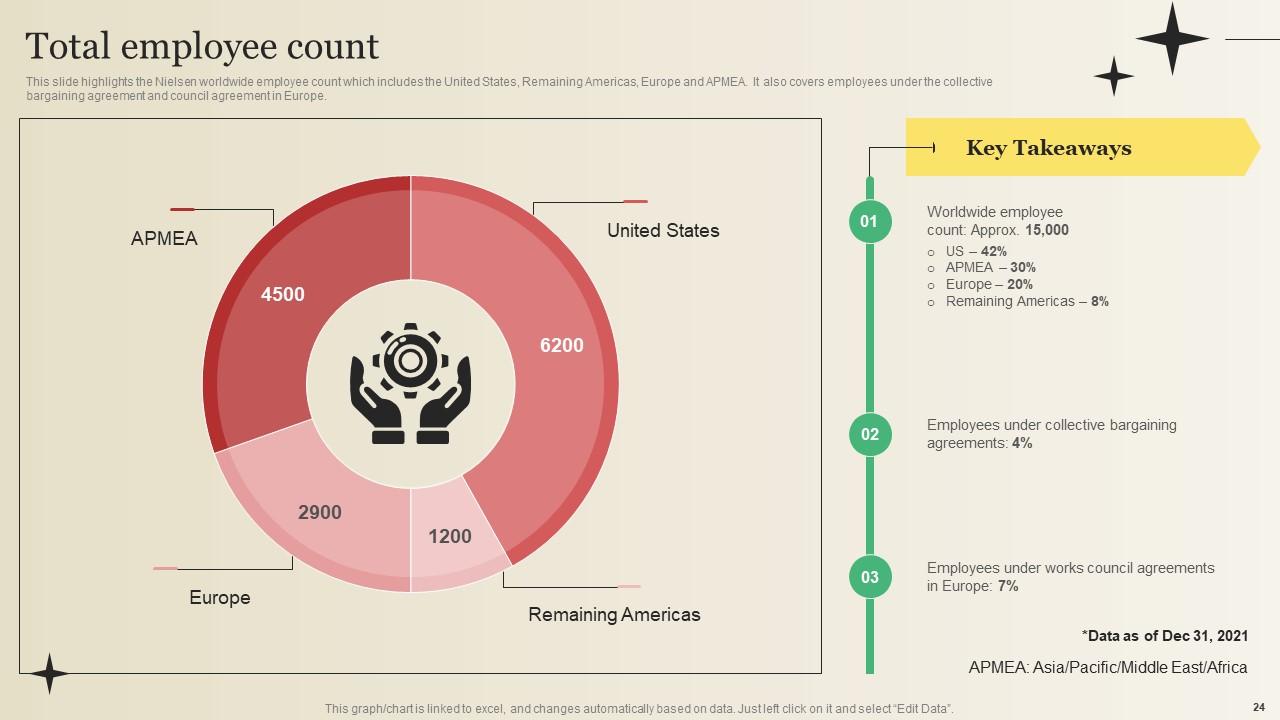
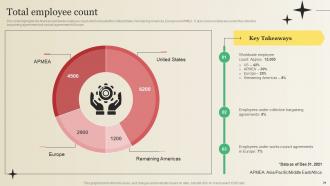
Slide 24: This slide highlights the Nielsen worldwide employee count which includes the United States, Remaining Americas, Europe and APMEA.
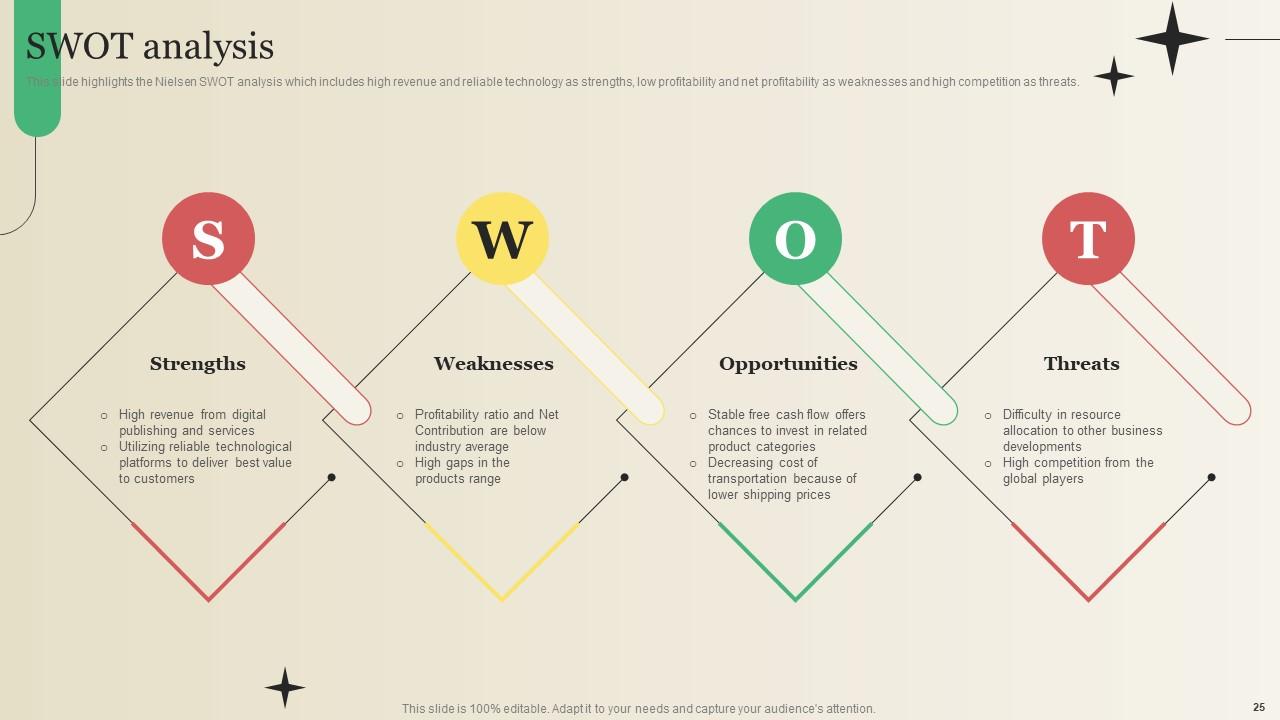
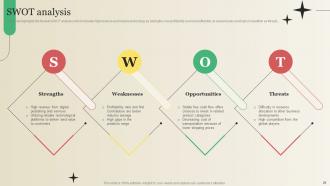
Slide 25: This slide highlights the Nielsen SWOT analysis which includes high revenue and reliable technology as strengths, low profitability.
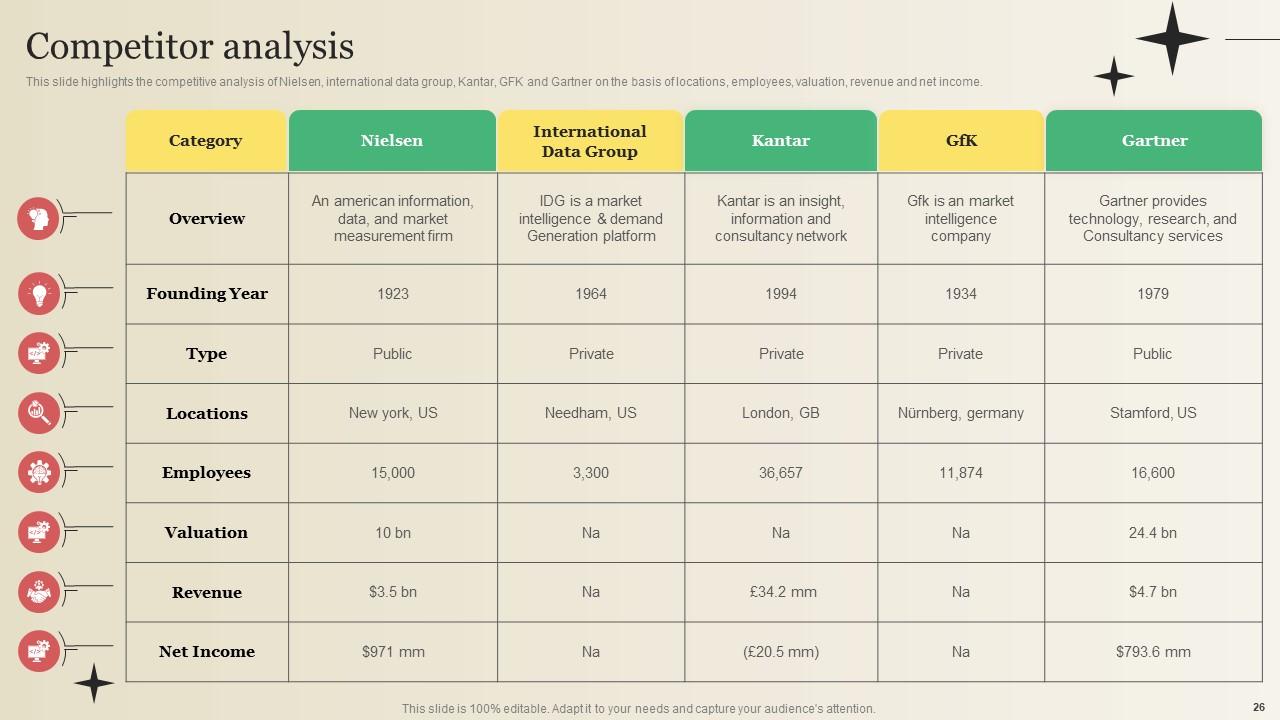
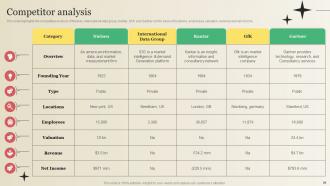
Slide 26: This slide highlights the competitive analysis of Nielsen, international data group, Kantar, GFK and Gartner.
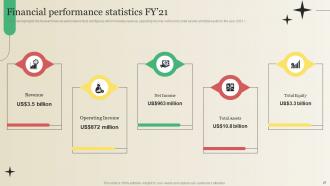
Slide 27: This slide highlights the Nielsen financial performance facts and figures.
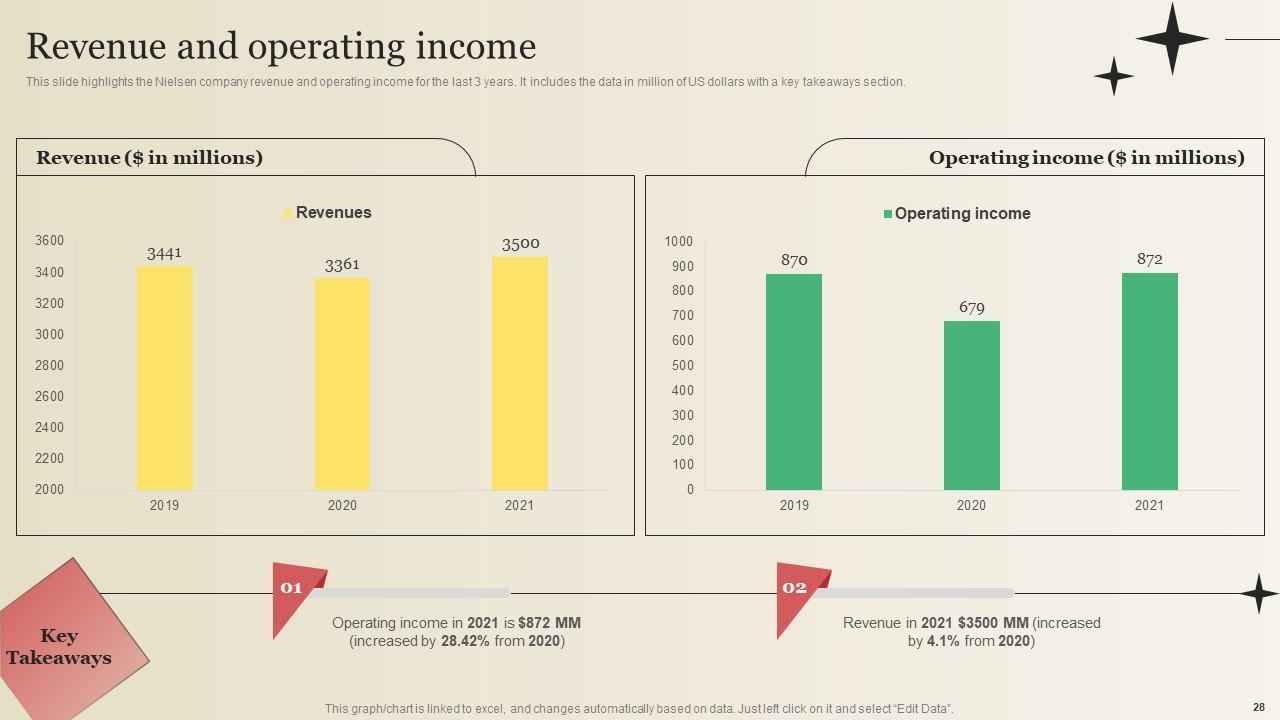
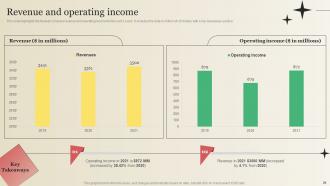
Slide 28: This slide highlights the Nielsen company revenue and operating income for the last 3 years.
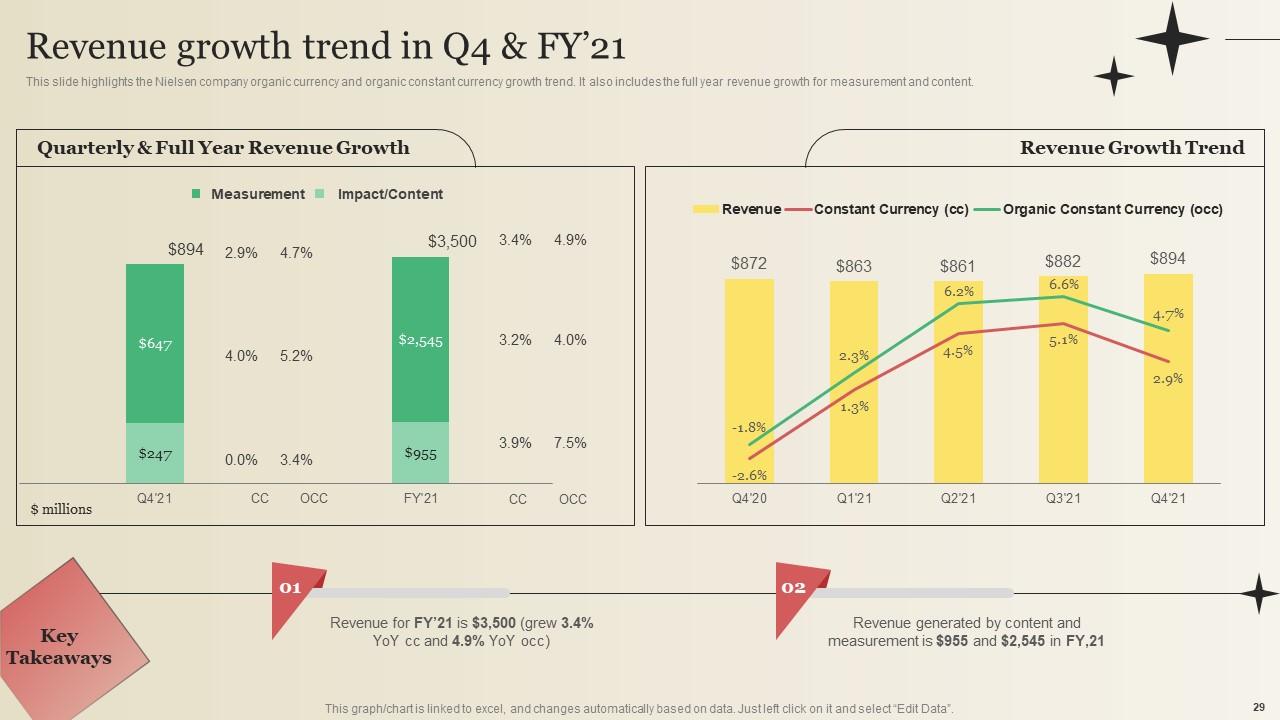
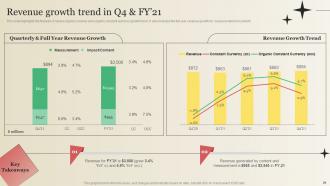
Slide 29: This slide highlights the Nielsen company organic currency and organic constant currency growth trend.
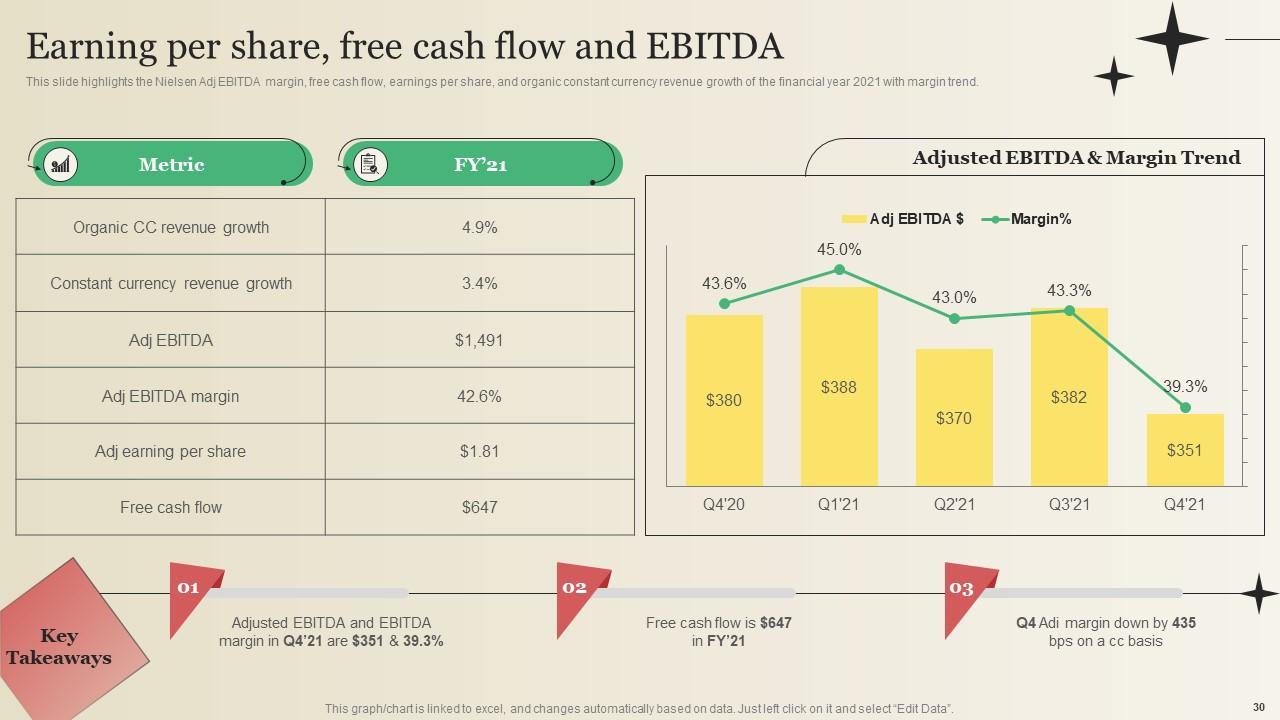
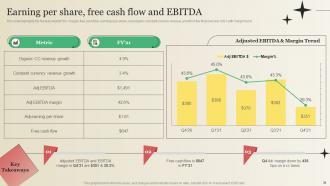
Slide 30: This slide highlights the Nielsen Adj EBITDA margin, free cash flow, earnings per share, and organic constant currency revenue growth.
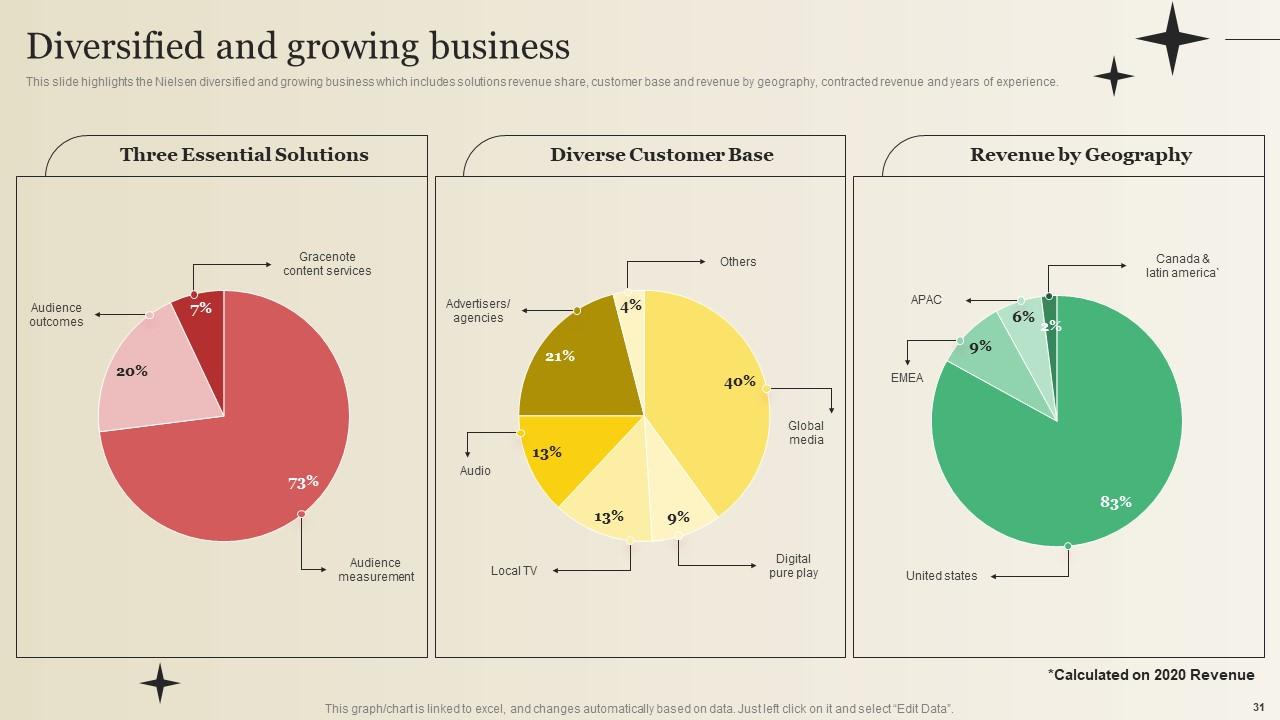
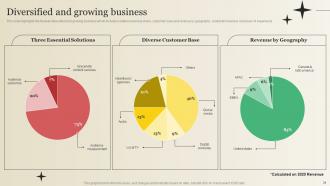
Slide 31: This slide highlights the Nielsen diversified and growing business which includes solutions revenue share, customer base and revenue by geography.
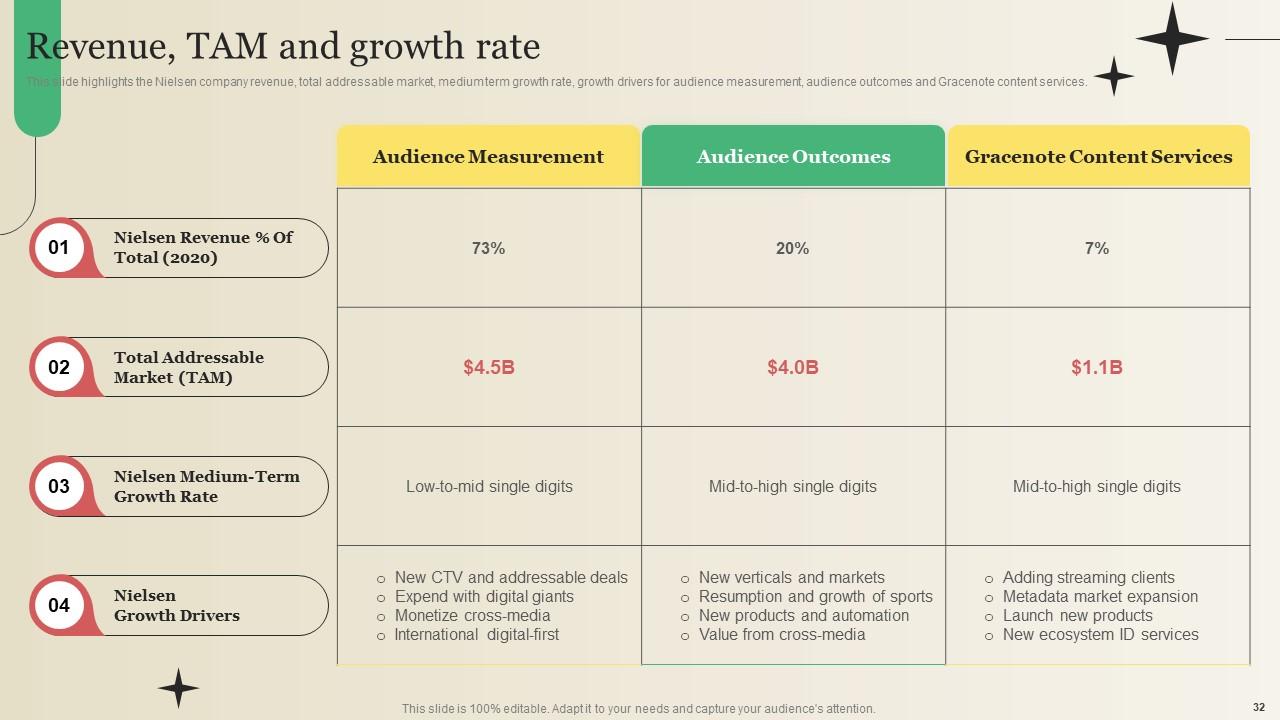
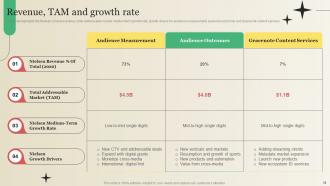
Slide 32: This slide highlights the Nielsen company revenue, total addressable market, medium term growth rate, growth drivers.
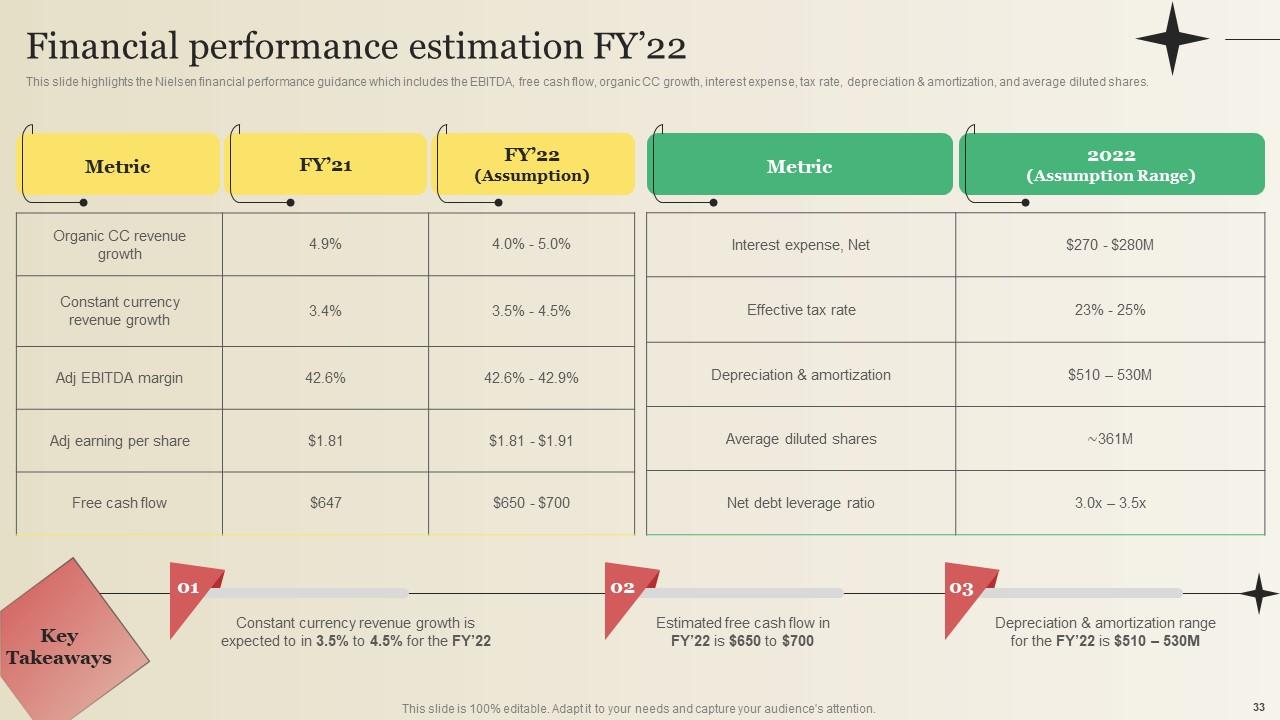
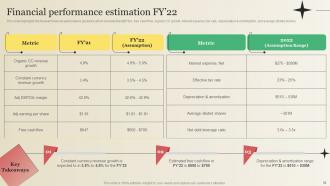
Slide 33: This slide highlights the Nielsen financial performance guidance which includes the EBITDA, free cash flow, organic CC growth, interest expense.
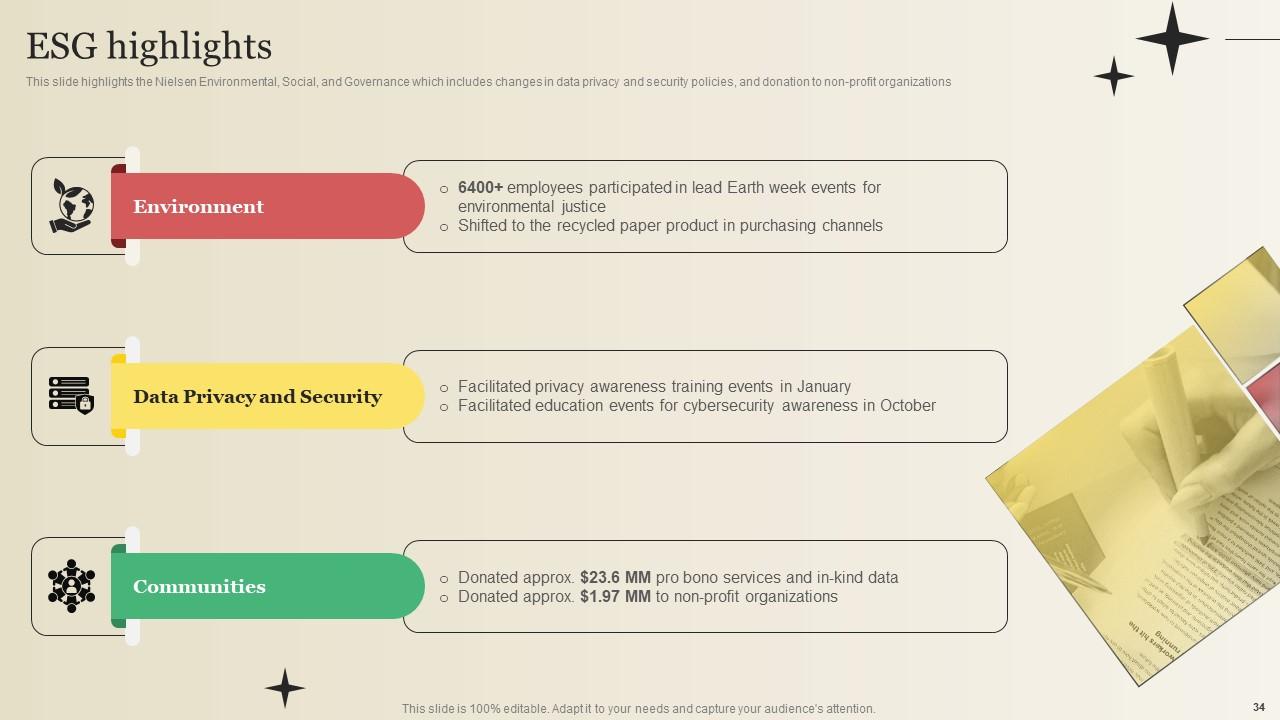
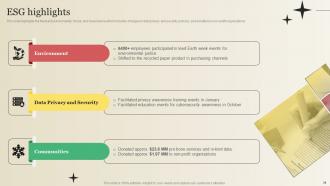
Slide 34: This slide highlights the Nielsen Environmental, Social, and Governance which includes changes in data privacy and security policies.
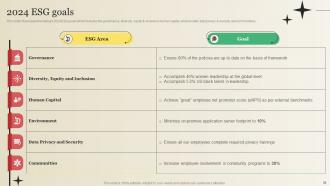
Slide 35: This slide showcases the Nielsen 2024 ESG goals which includes the governance, diversity, equity & inclusion, human capital, environment.
Slide 36: This is the icons slide.
Slide 37: This slide presents title for additional slides.
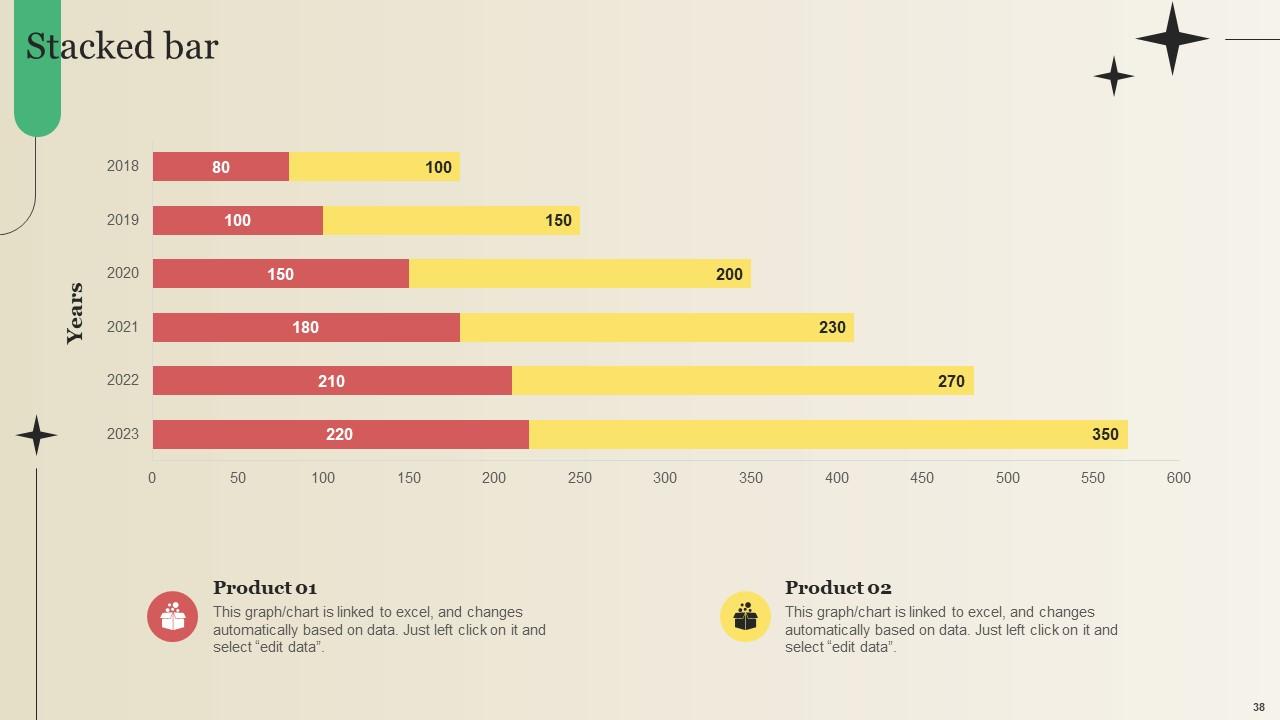
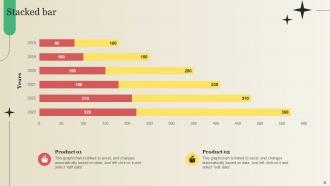
Slide 38: This slide display Stacked bar for different products.
Slide 39: This slide display Quotes.
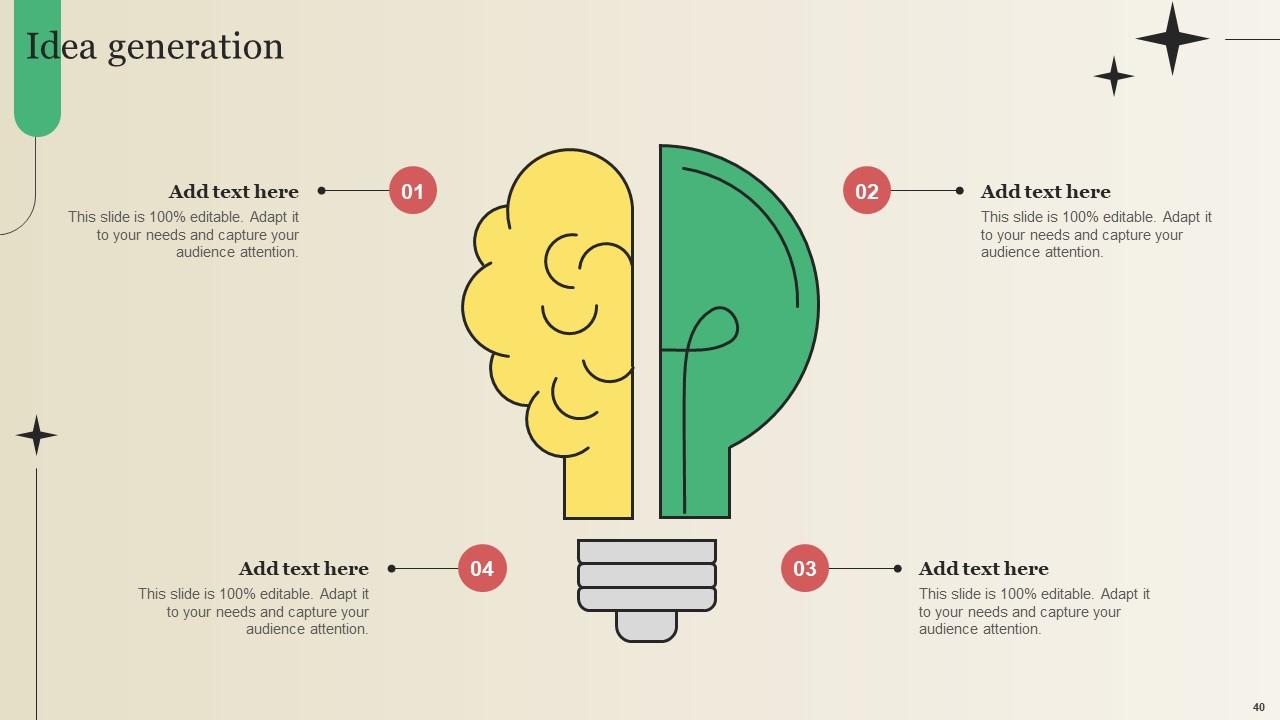
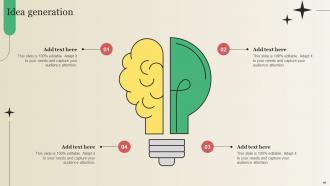
Slide 40: This slide exhibits ideas generated.
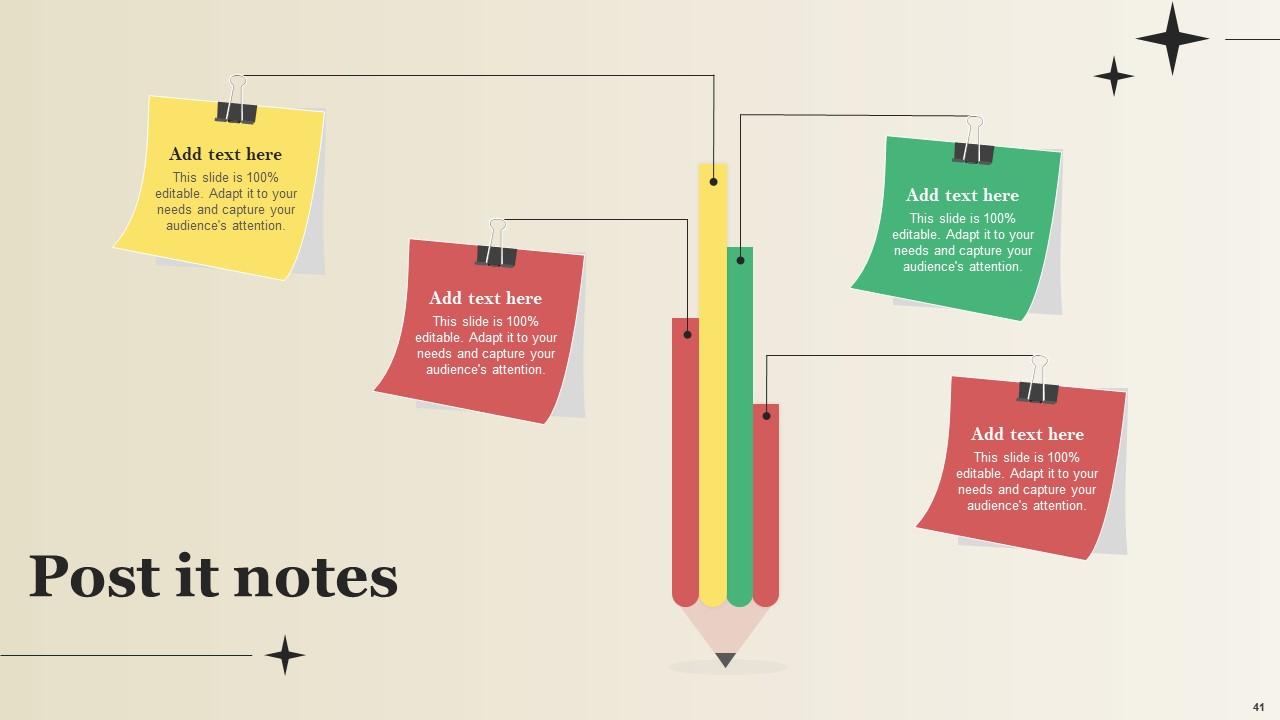
Slide 41: This slide depicts posts for past experiences of clients.
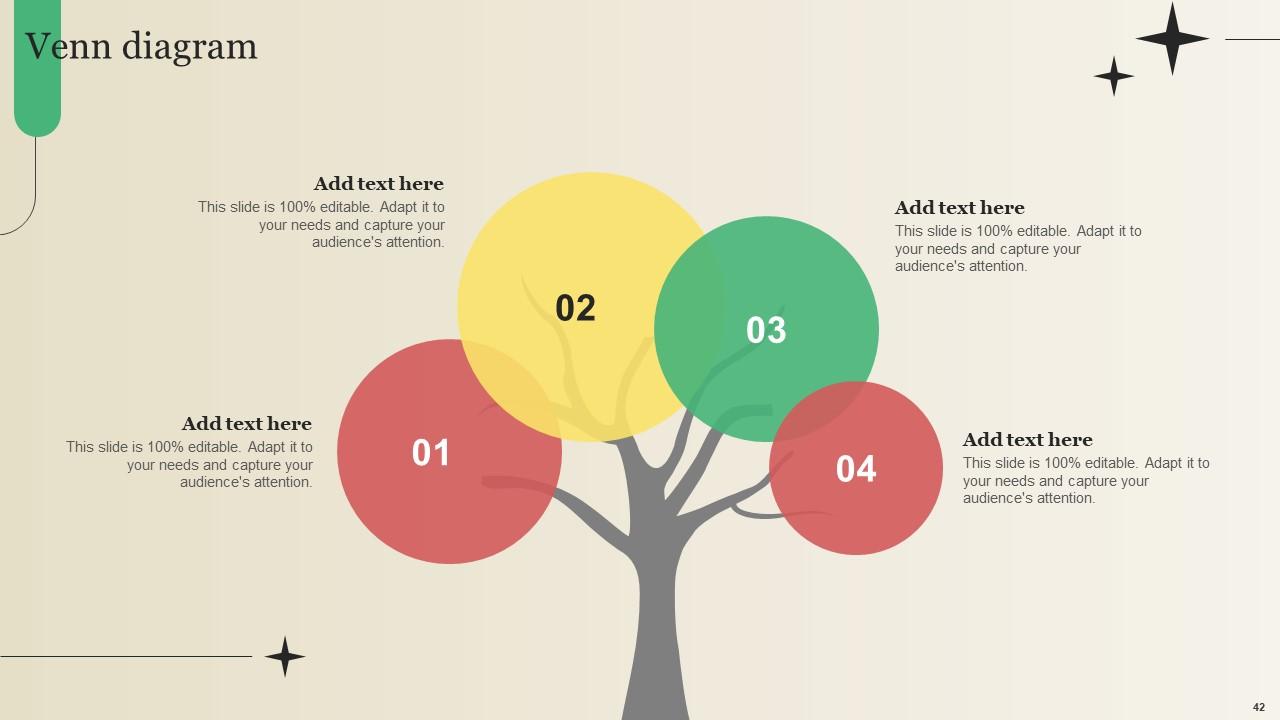
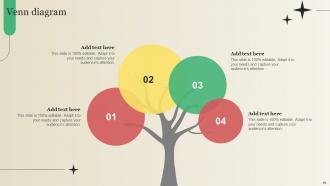
Slide 42: This slide display Venn diagram.
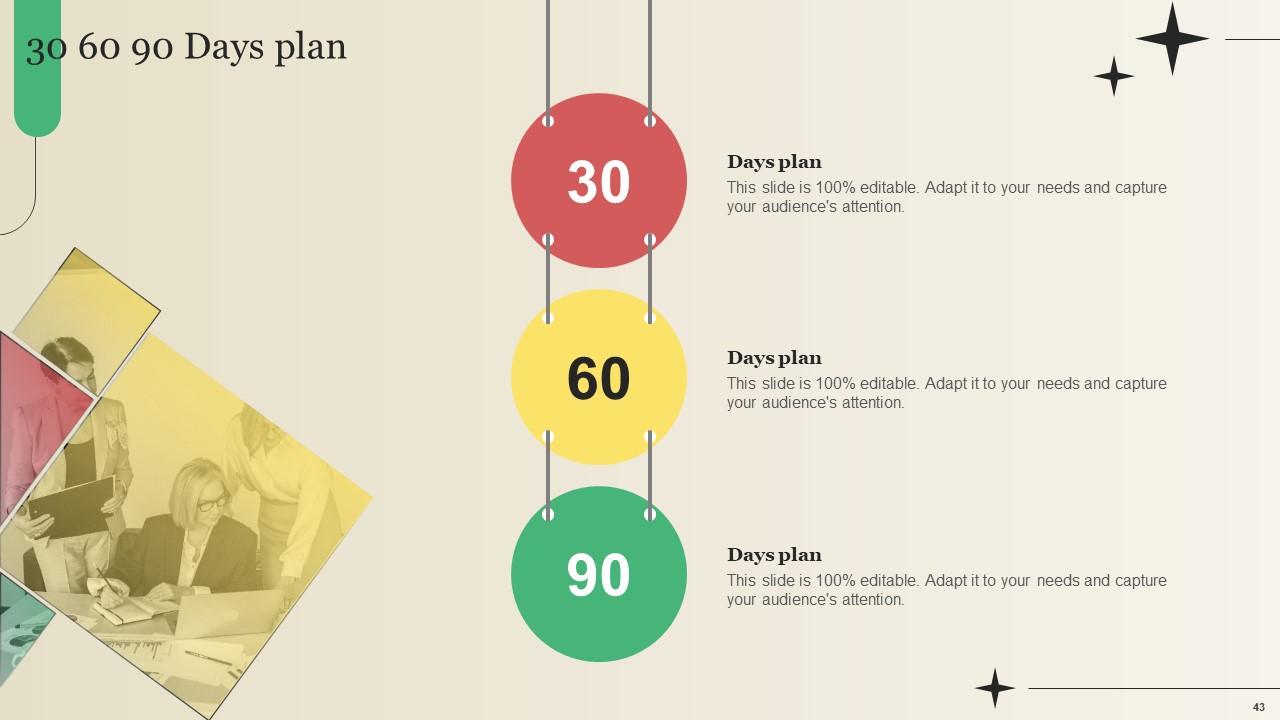
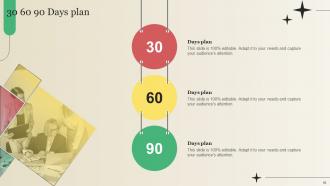
Slide 43: This slide depicts 30-60-90 days plan for projects.
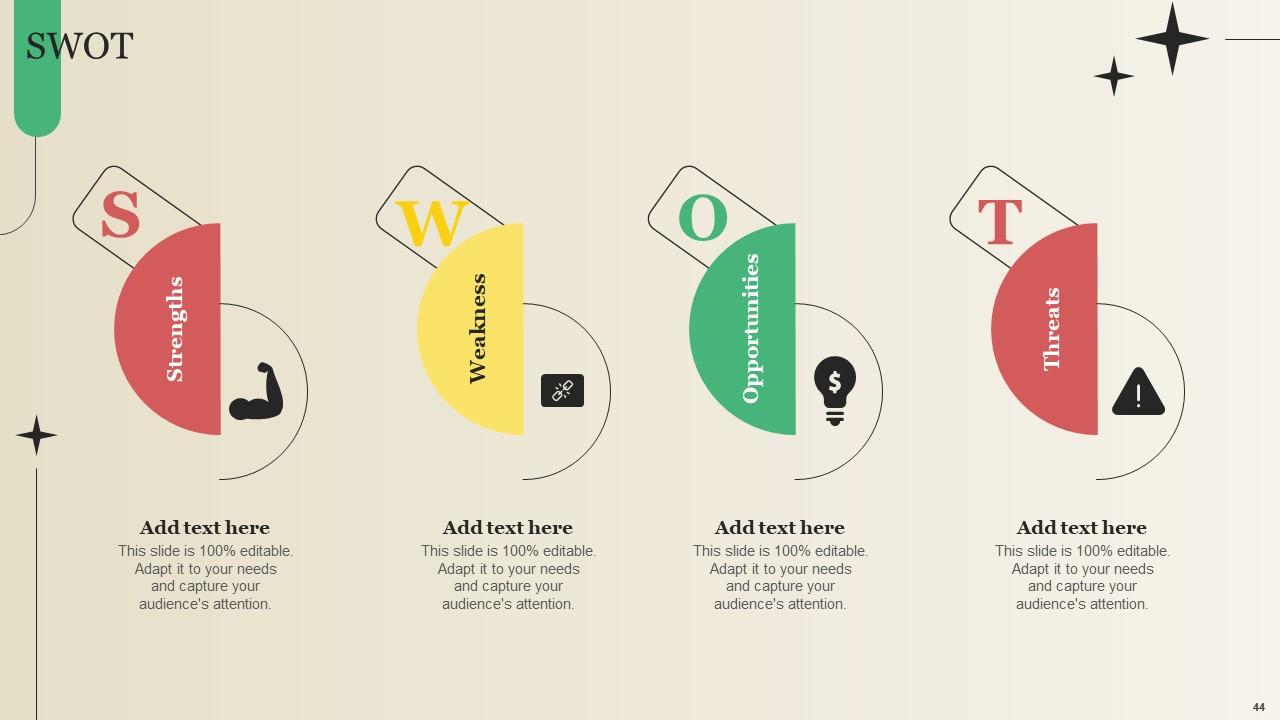
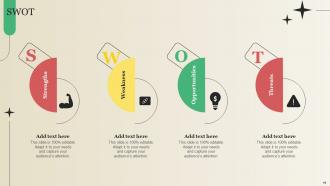
Slide 44: This slide display SWOT.
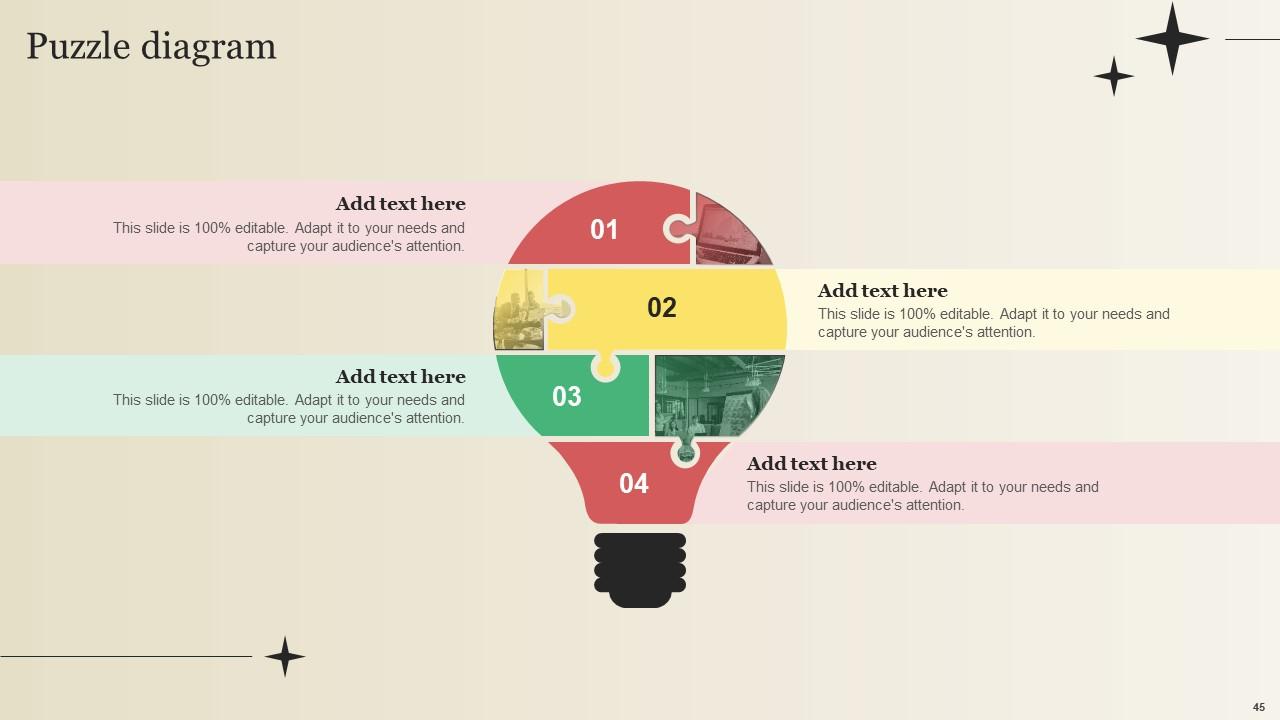
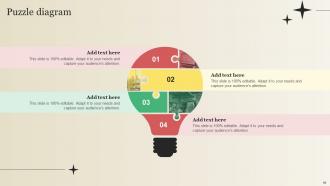
Slide 45: This slide shows puzzle for displaying elements of company.
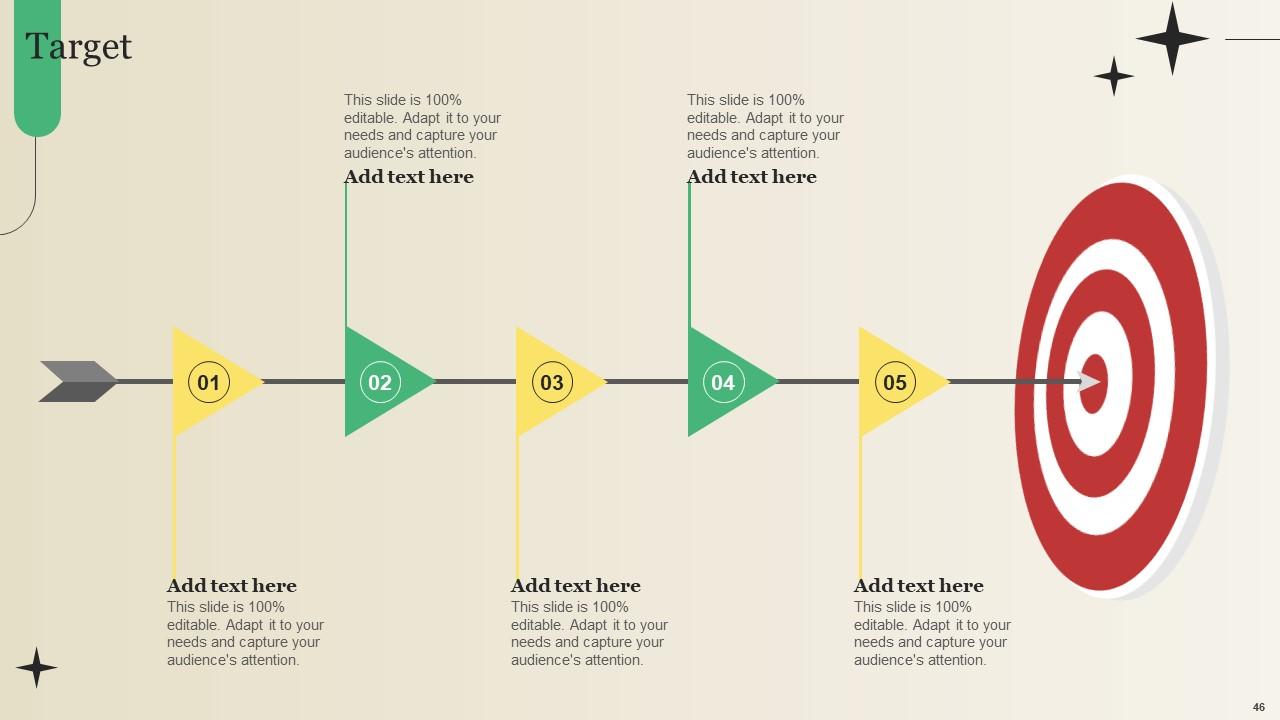
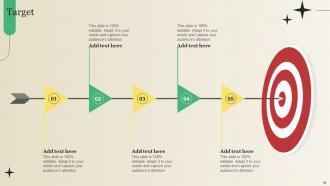
Slide 46: This slide showcase Target.
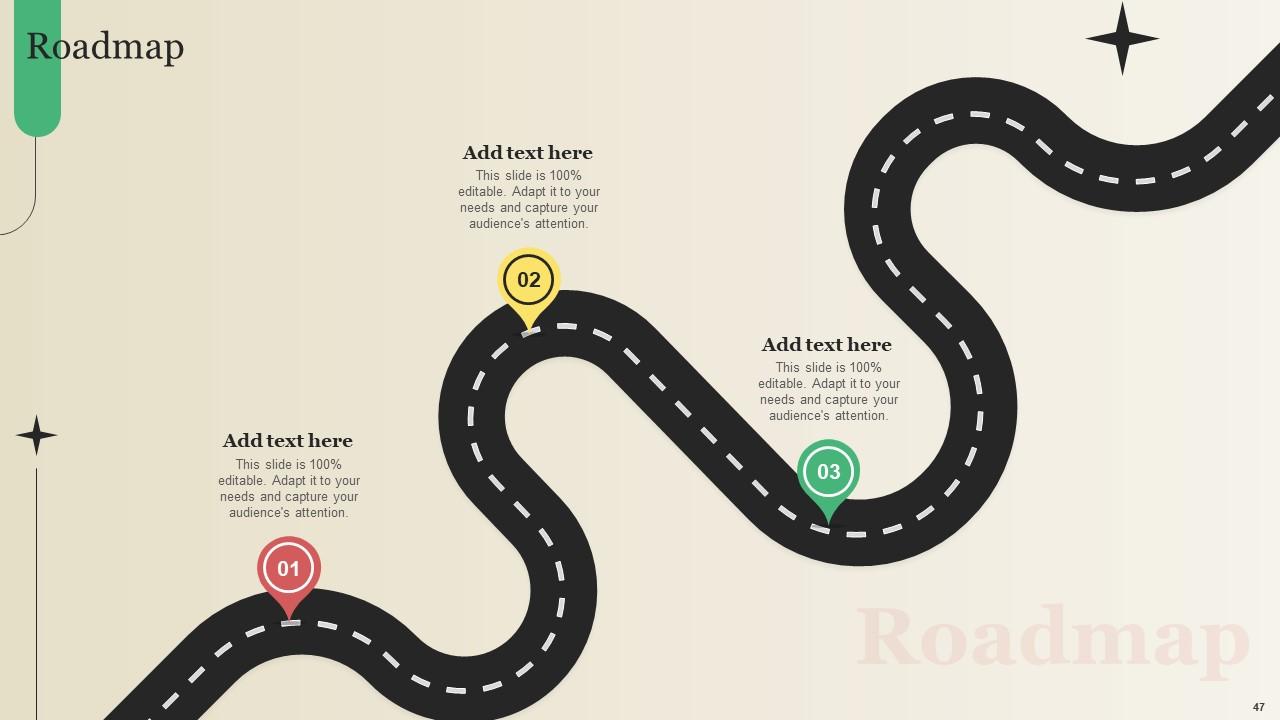
Slide 47: This slide shows roadmap of company.
Slide 48: This is thank you slide & contains contact details of company like office address, phone no., etc.
Market Research Company Profile Powerpoint Presentation Slides CP CD V with all 53 slides:
Use our Market Research Company Profile Powerpoint Presentation Slides CP CD V to effectively help you save your valuable time. They are readymade to fit into any presentation structure.
-
Mesmerized with the fantastic collection! Super sleek, relevant infographics.
-
Their products can save your time, effort and money. What else you need. All in one package for presentation needs!
