


Company marketing analysis report powerpoint presentation slides
In order to capture the market in terms of value and volume, it is required to have the compiled data in the best possible way of PPT slide. Current trends in market attractiveness and dynamics can be well taken care by compiling data in company marketing analysis report PowerPoint presentation slides. By making a handy record of industry analysis in the form of presentation layout, it becomes easy to track international practices. With the help of modern graphics compiled in company marketing presentation design, it becomes easy to focus on some basic areas which include deciding on purpose, targeting the customers, gathering information, analyzing the same and putting it all to work. The PPT slide show works wonders to formulate your unique value proposition before you work on your marketing campaign. Even if it is a comparative market analysis, all you need is to invest your time and add information as rest of the job has already been done for you in the company marketing analysis PPT layout Our Company Marketing Analysis Report Powerpoint Presentation Slides assure your ideas get artistic company. They give them a gift of great handiwork.


































You must be logged in to download this presentation.


Do you want to remove this product from your favourites?
 Impress your
 audience
 100%
100% Editable
 Save Hours
 of Time
PowerPoint presentation slides
Easy proofing and editing is an add on feature of presentation visual. Presentation slide is useful in business management and market analysis. Basic theme yet it can modified with respect to parameters like font, color and layout. Attractive color scheme gives a professional look to PPT slide. Conversion into PDF or JPG formats is not at all time consuming. PPT graphic offers font and graphic size which can be understood from a distance. Company’s logo or additional information is easy to add.

People who downloaded this PowerPoint presentation also viewed the following :
Content of this Powerpoint Presentation
Slide 1: This slide introduces Company Marketing Analysis Report. State Your Company Name and begin.
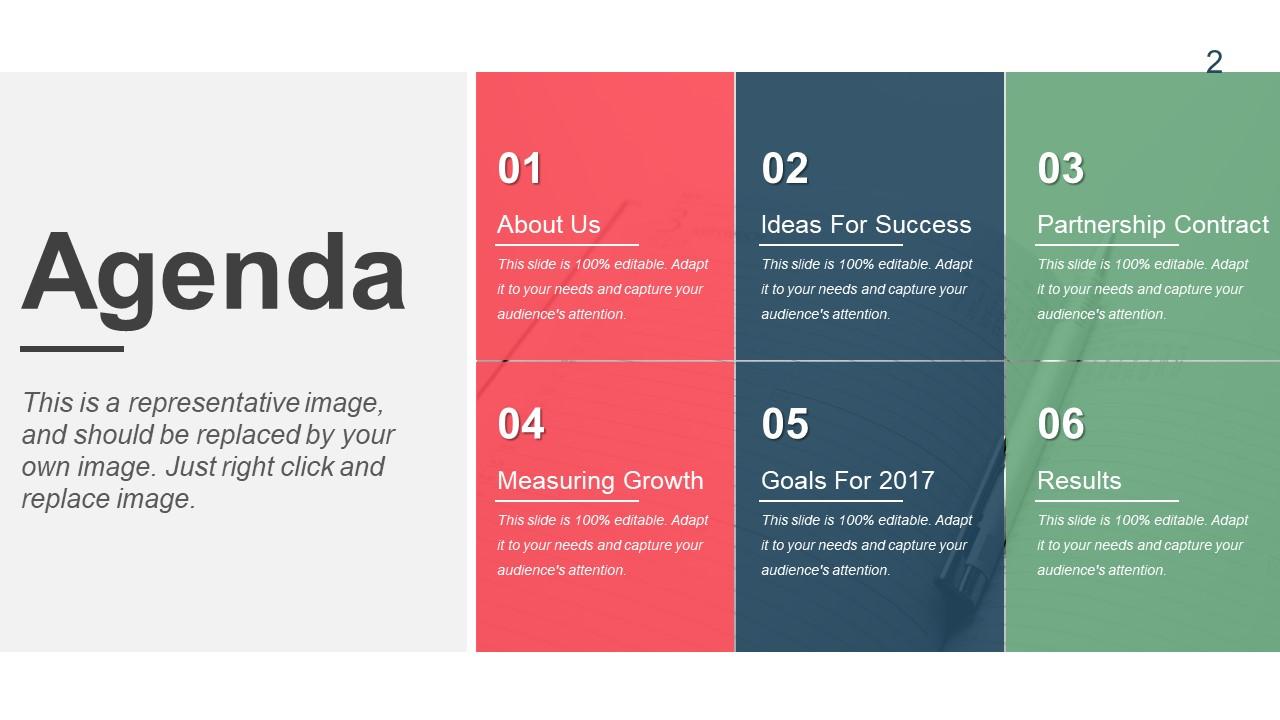
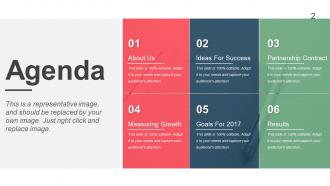
Slide 2: This is an Agenda slide. Present your agendas here.
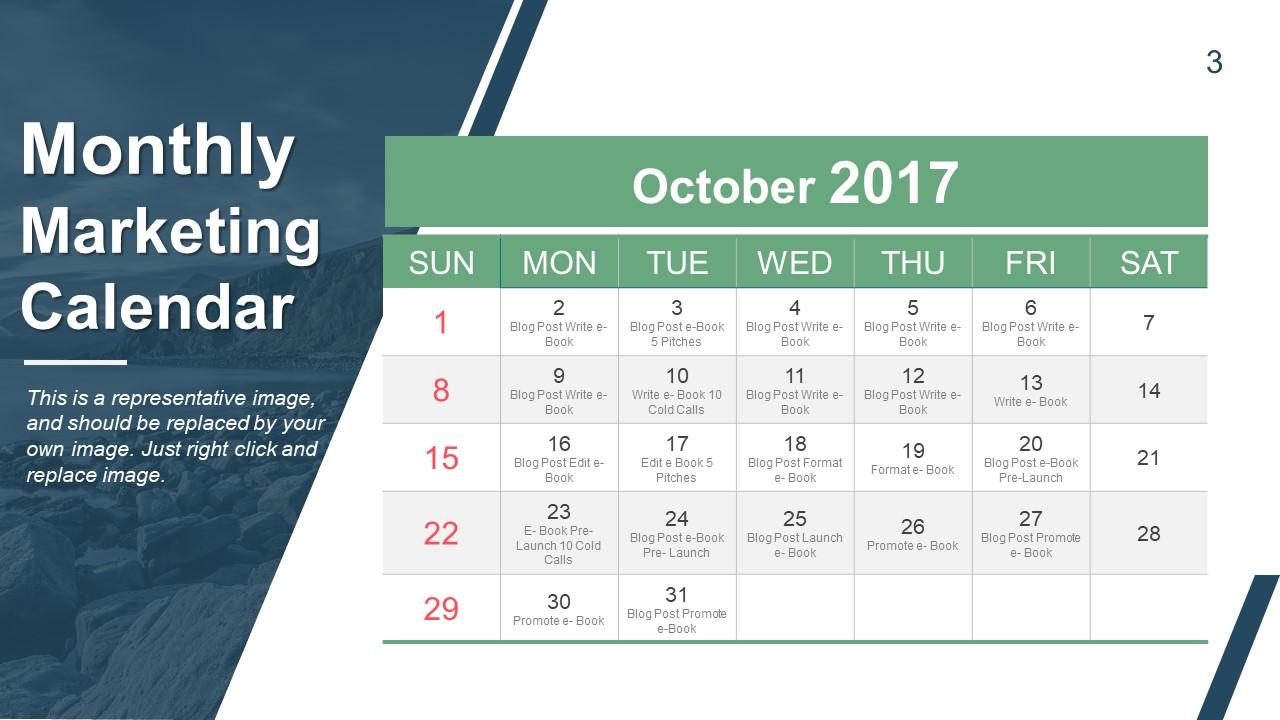
Slide 3: This slide showcases Monthly Marketing Calendar.
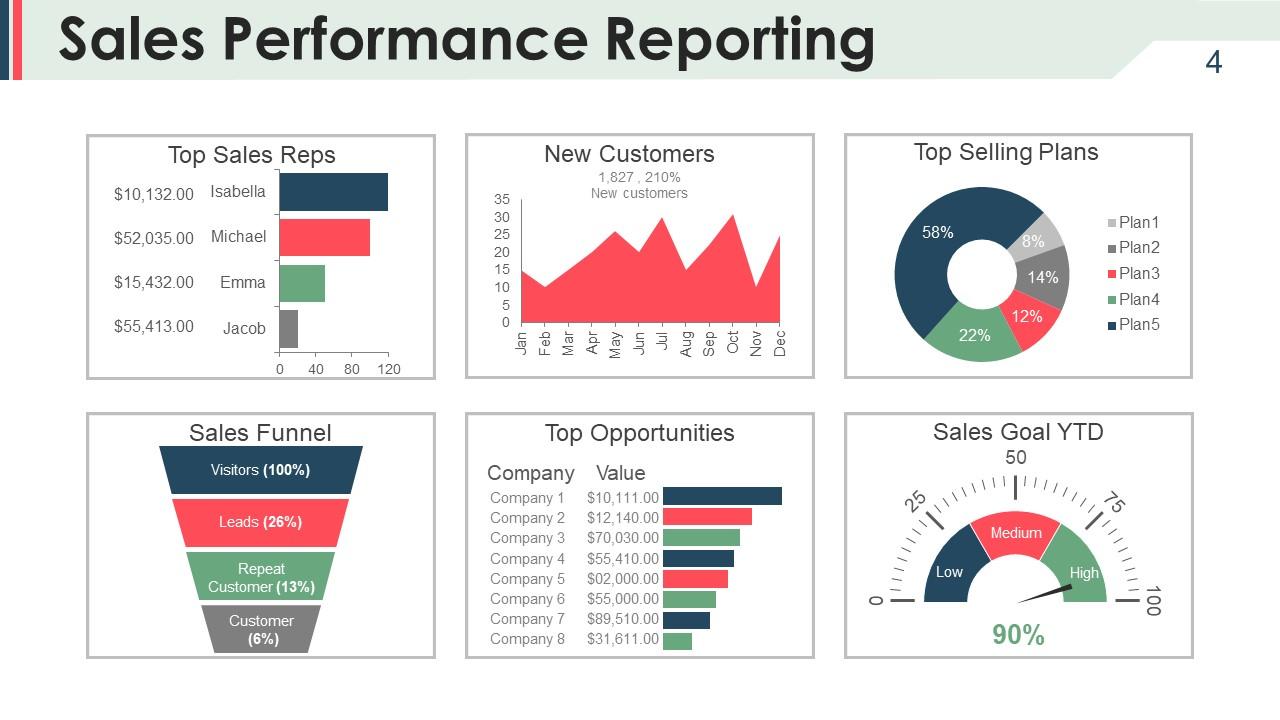
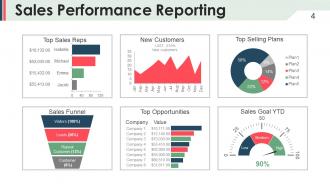
Slide 4: This slide shows Sales Performance Reporting dashboard displaying- TOP SELLING PLANS, TOP SALES REPS, SALES GOAL YTD, TOP OPPORTUNITIES, NEW CUSTOMER, SALES FUNNEL.
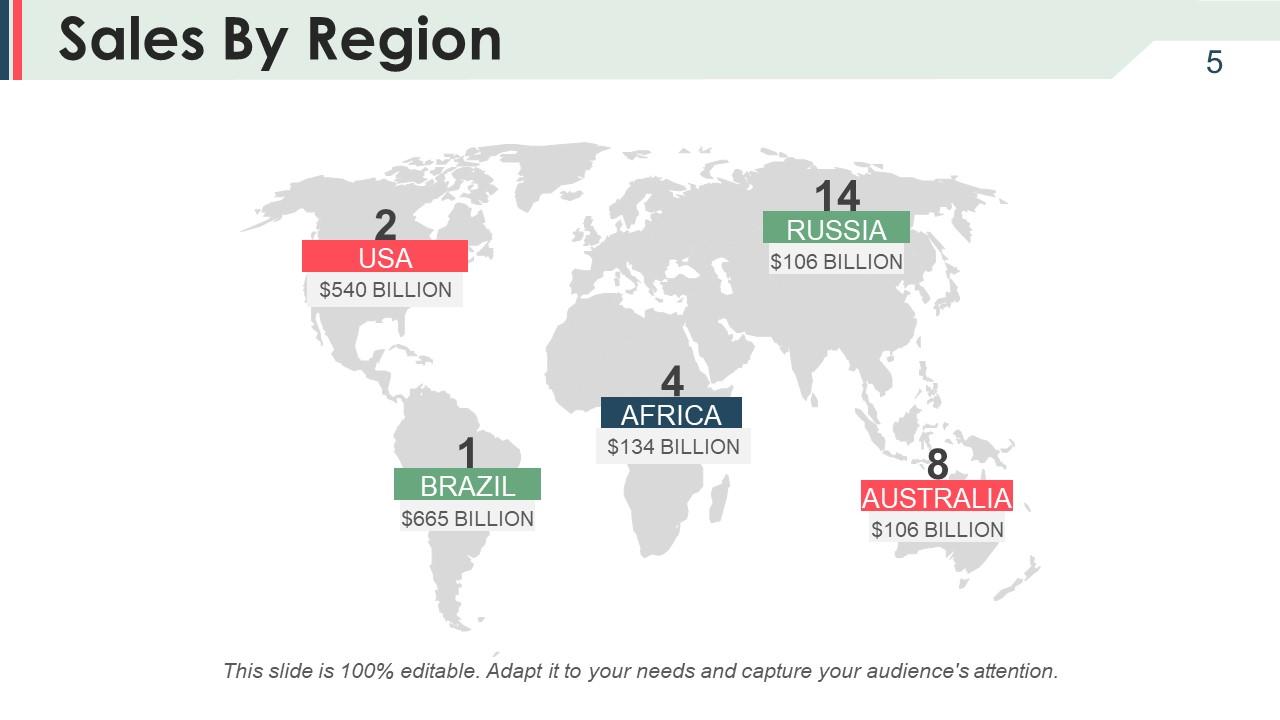
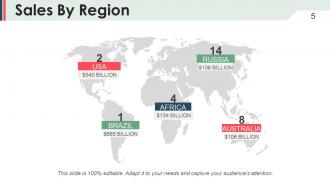
Slide 5: This slide presents Sales By Region on world map image.
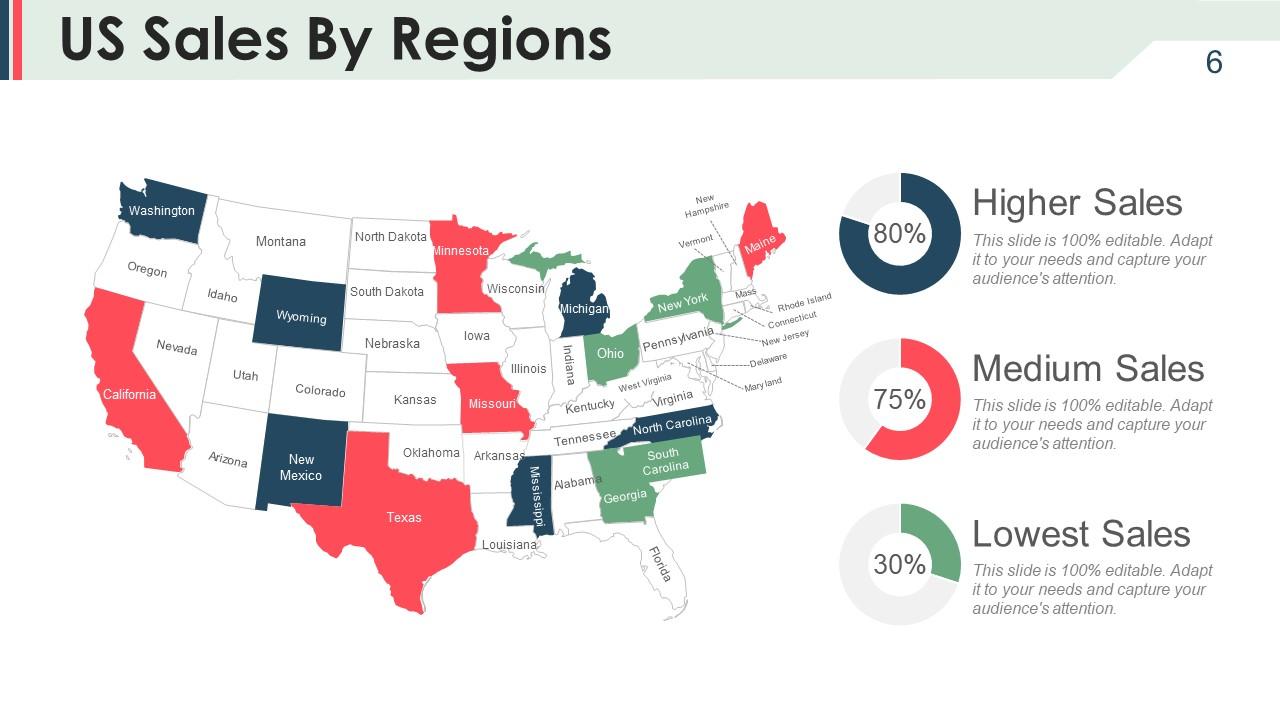
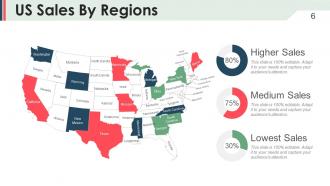
Slide 6: This slide presents US Sales By Region on US map image.
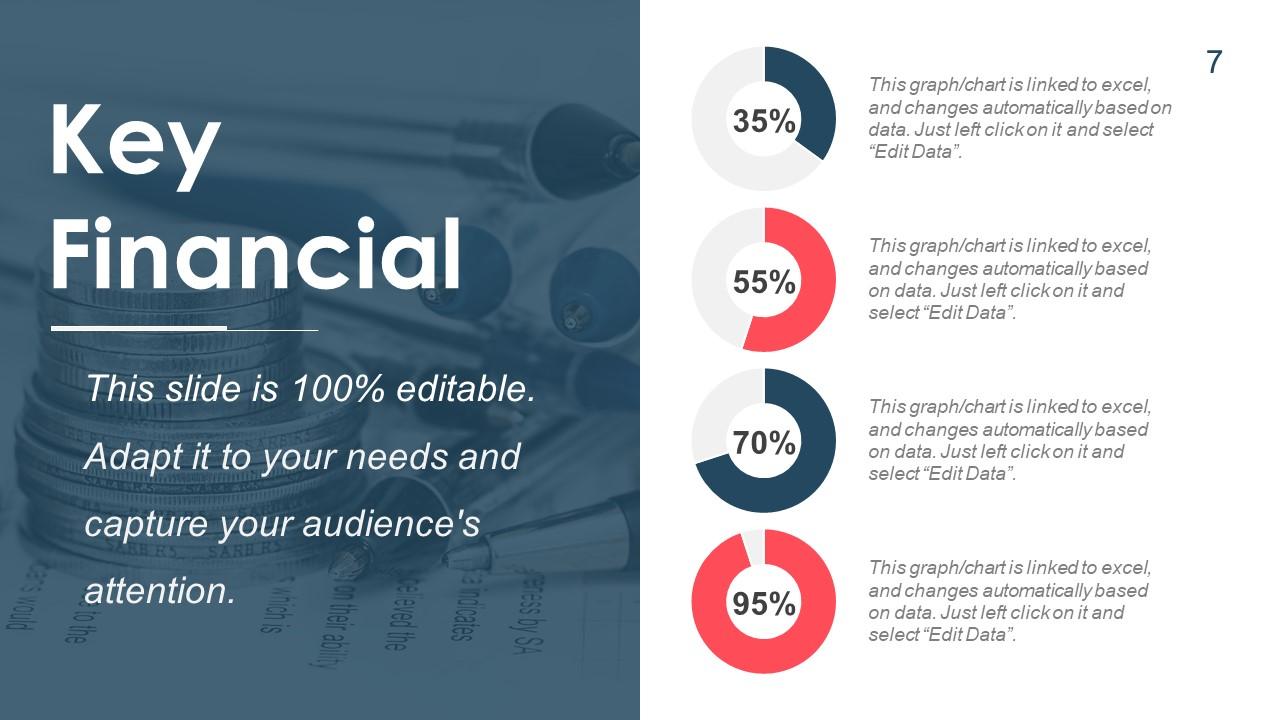
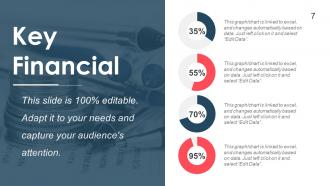
Slide 7: This slide presents Key Financial to showcase finance stuff, stats etc.
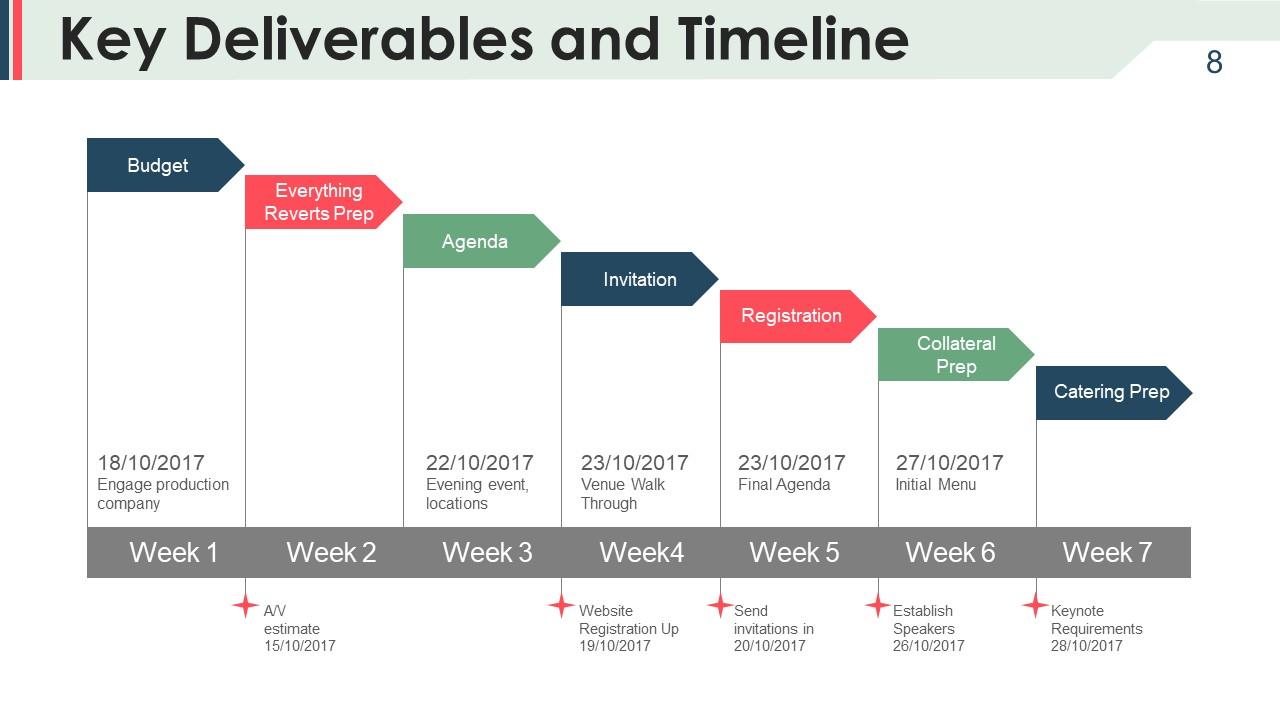
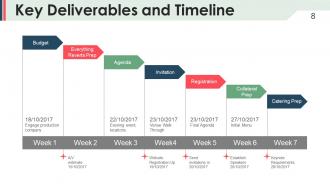
Slide 8: This is a Key Deliverables And Timeline slide.
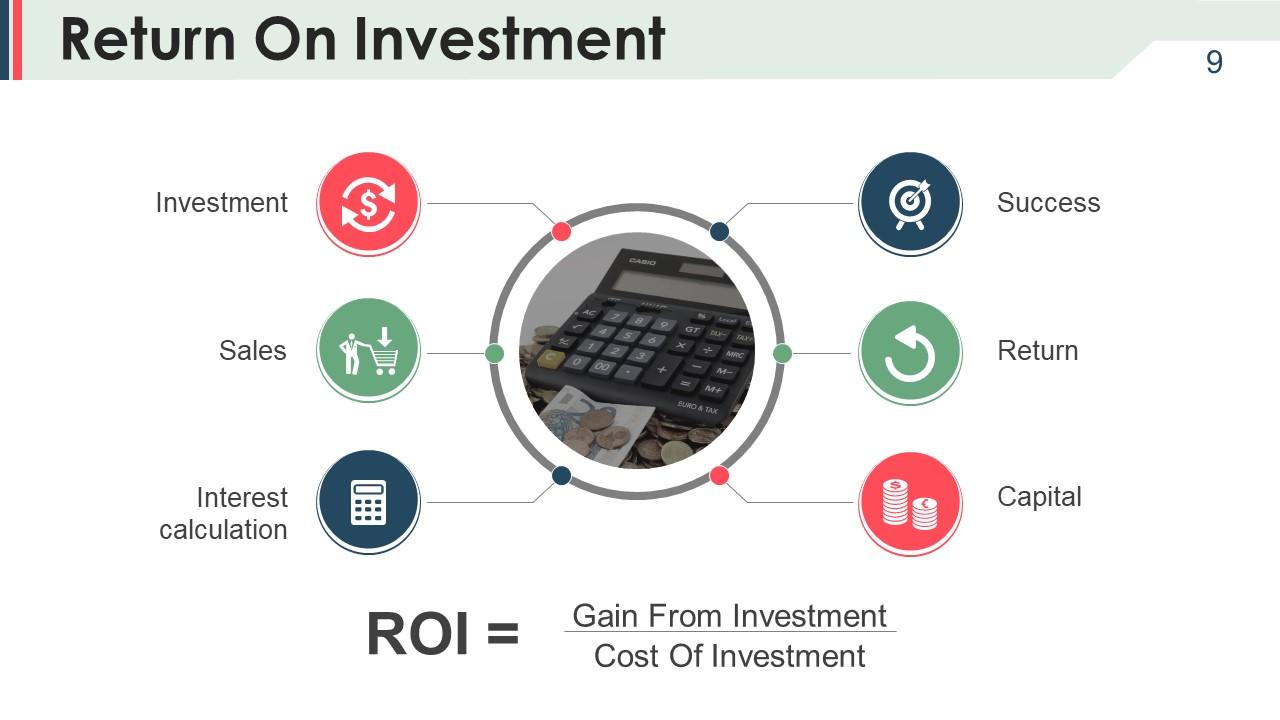
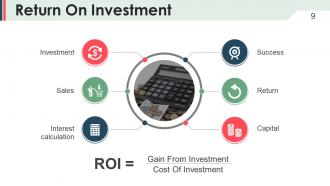
Slide 9: This slide presents Return On Investment of the business.
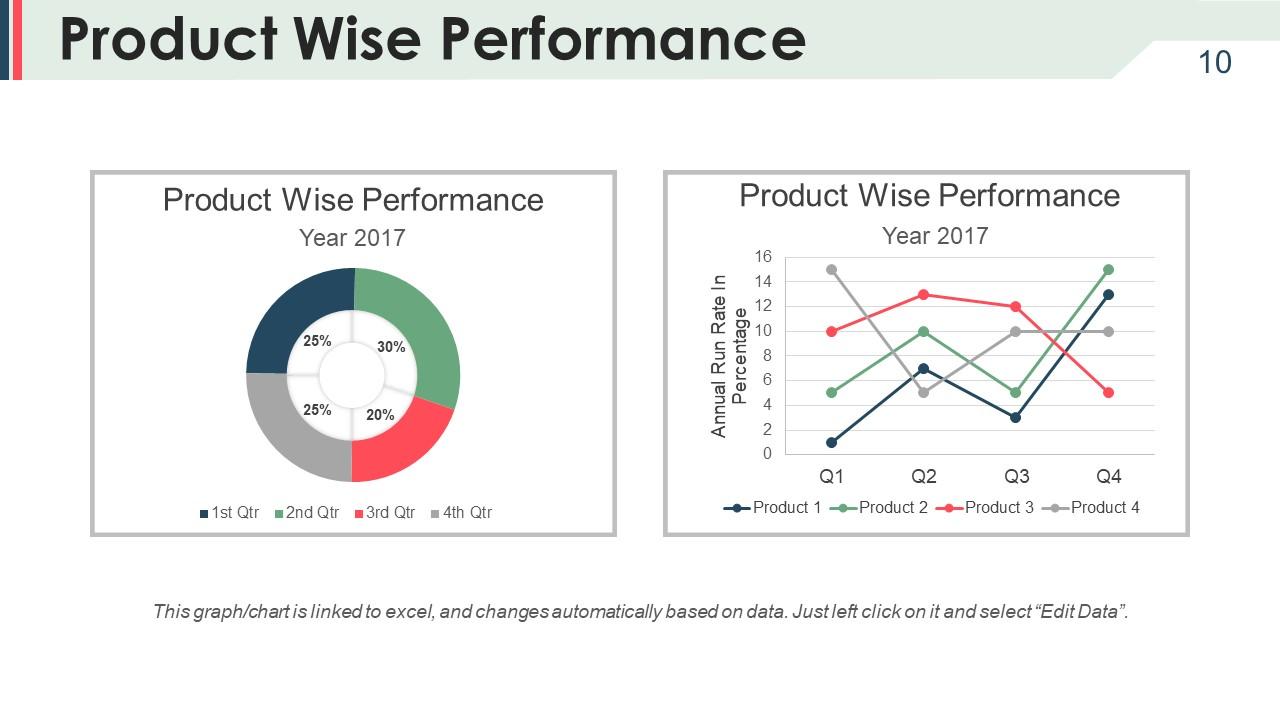
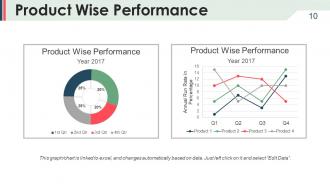
Slide 10: This slide displays Product Wise Performance in chart and graph form.
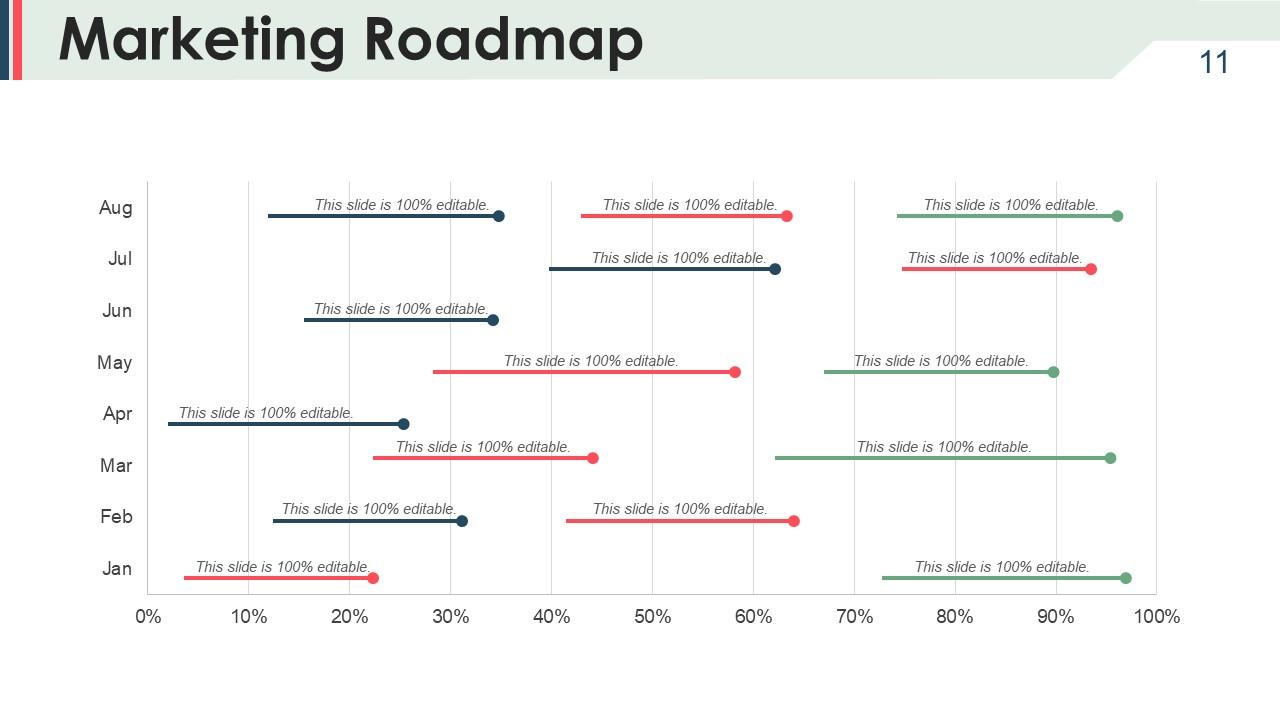
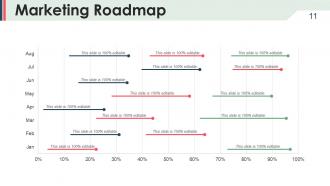
Slide 11: This is a Marketing Roadmap slide.
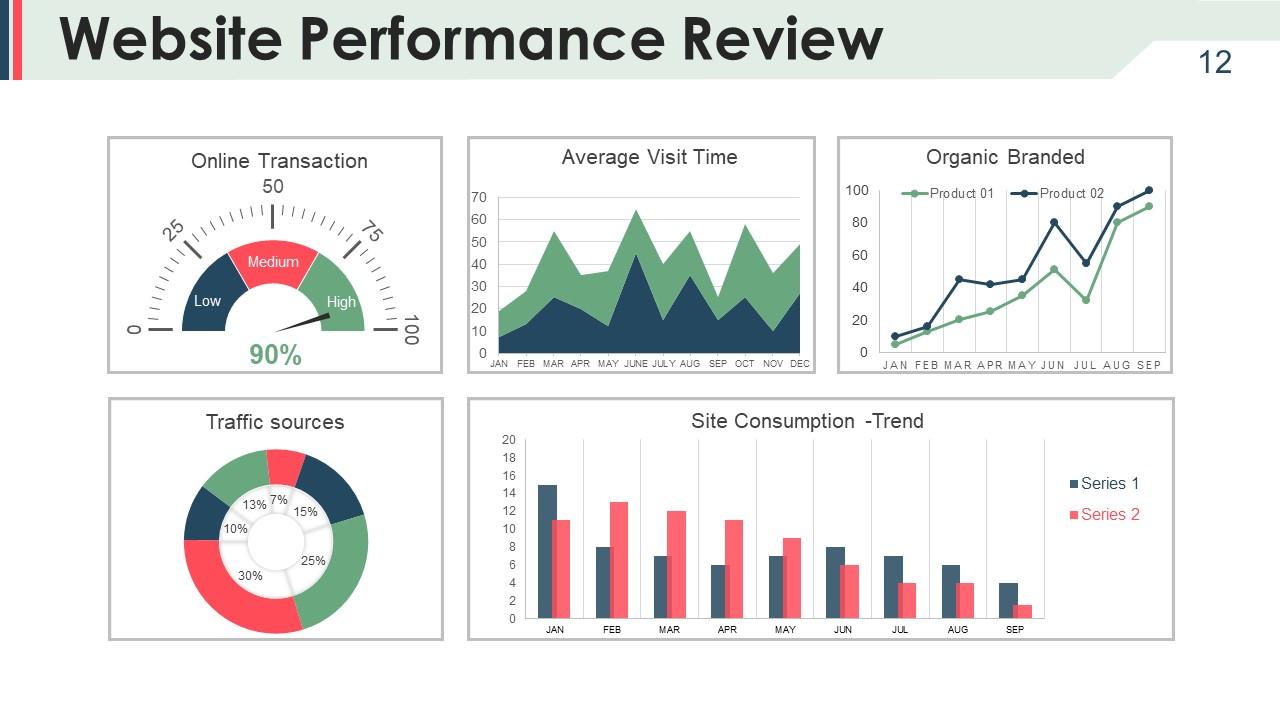
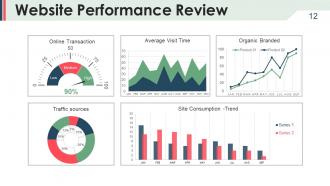
Slide 12: This slide showcases Website Performance Review dashboard displaying- Traffic Sources, Site Consumption - Trend, Organic - Branded, Online Transactions, Average Visit Time.
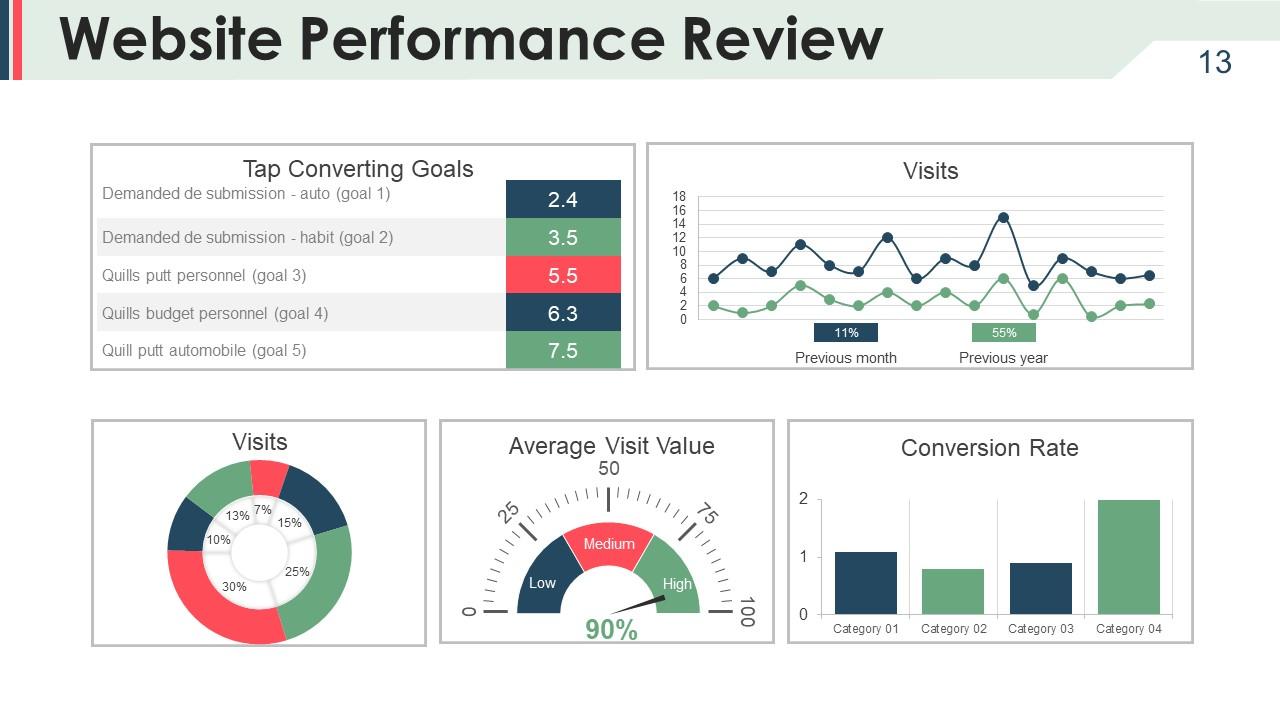
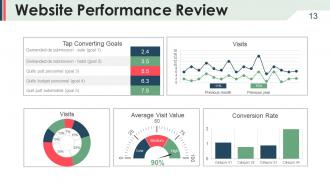
Slide 13: This slide showcases Website Performance Review dashboard displaying- Visits, Average visit value (goal), Conversion Rate, Visits, Top converting goals.
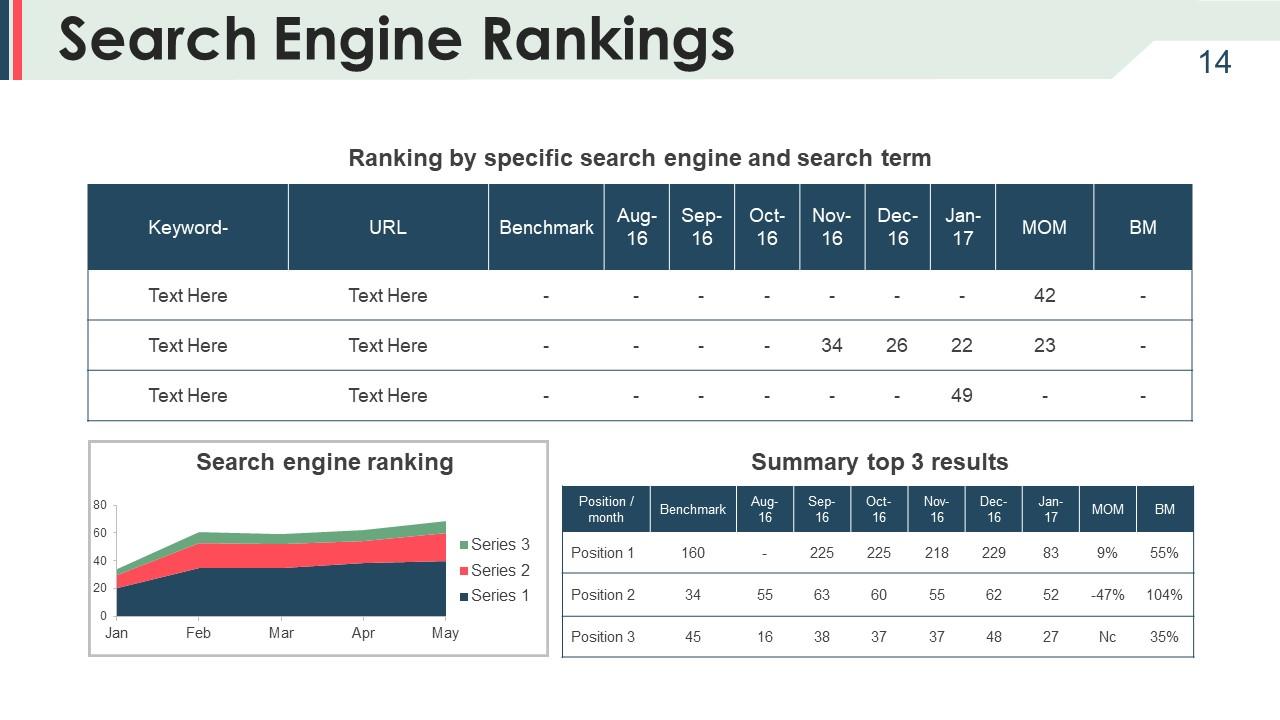
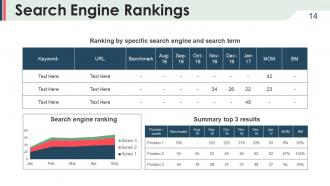
Slide 14: This slide presents Search Engine Rankings in tabular form.
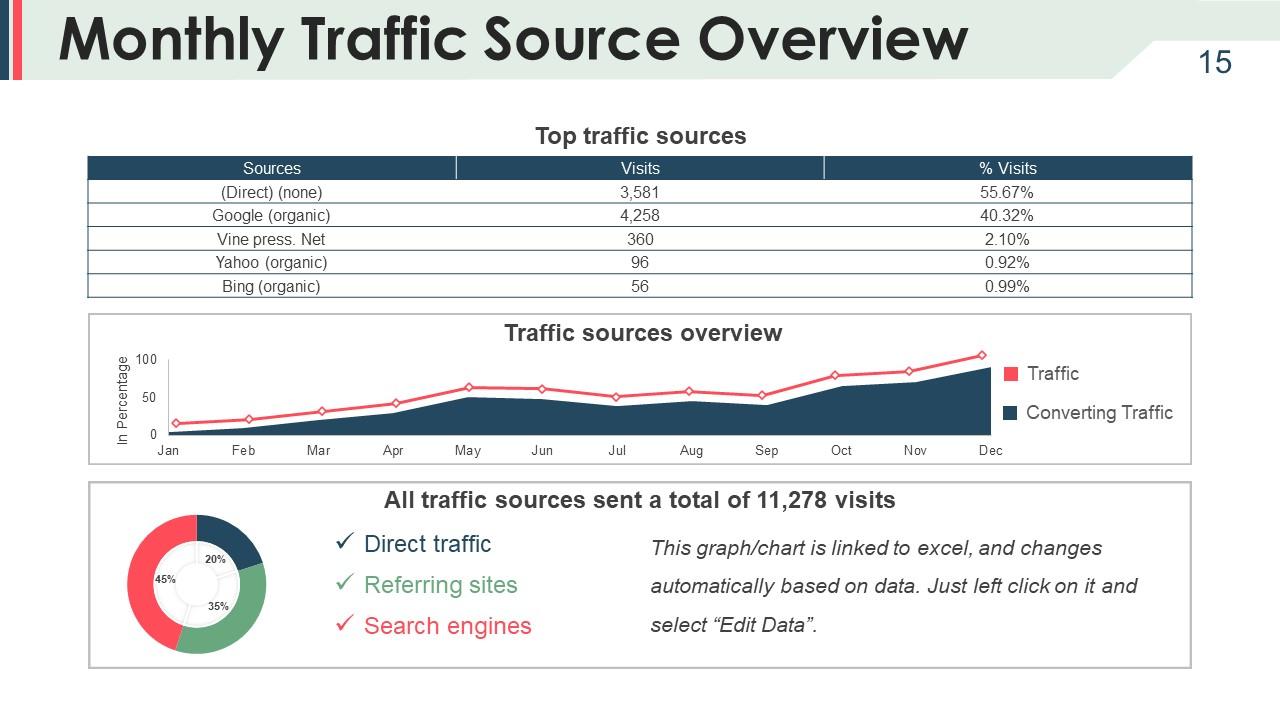
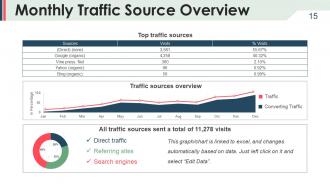
Slide 15: This slide shows Monthly Traffic Source Overview dashboard.
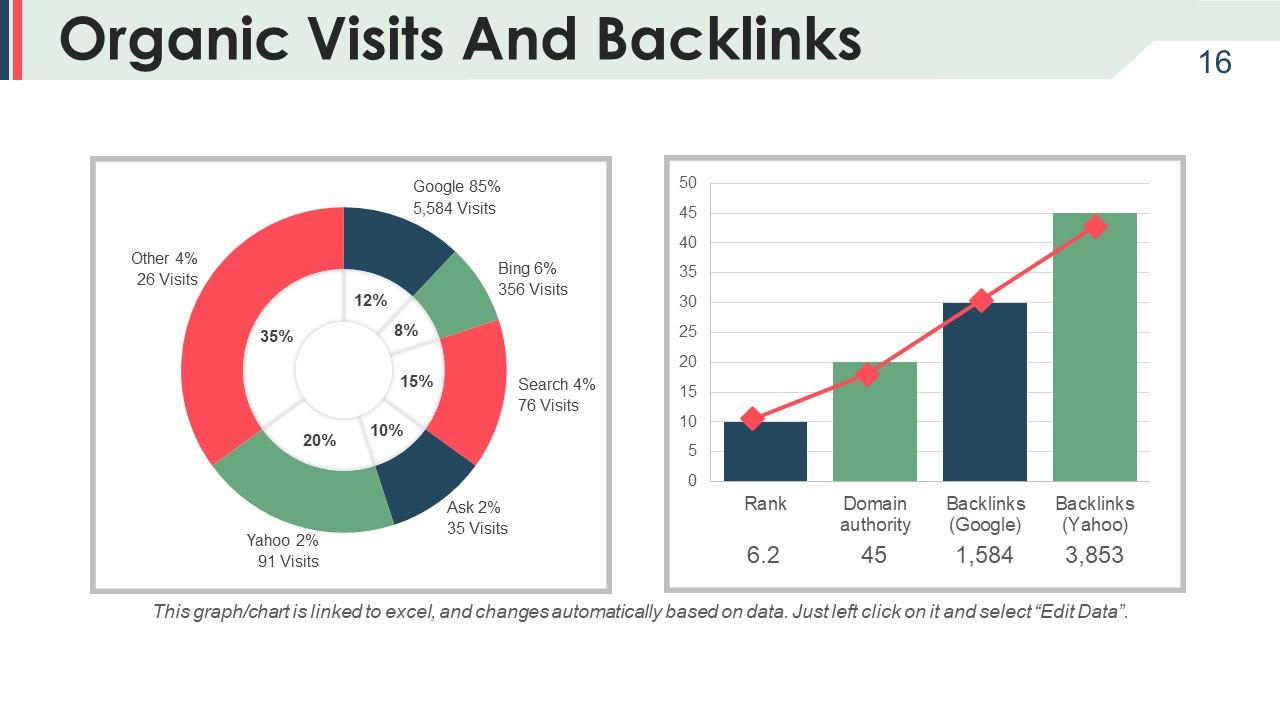
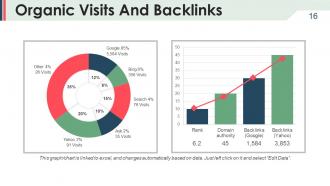
Slide 16: This slide showcases Organic Visits And Backlinks dashboard.
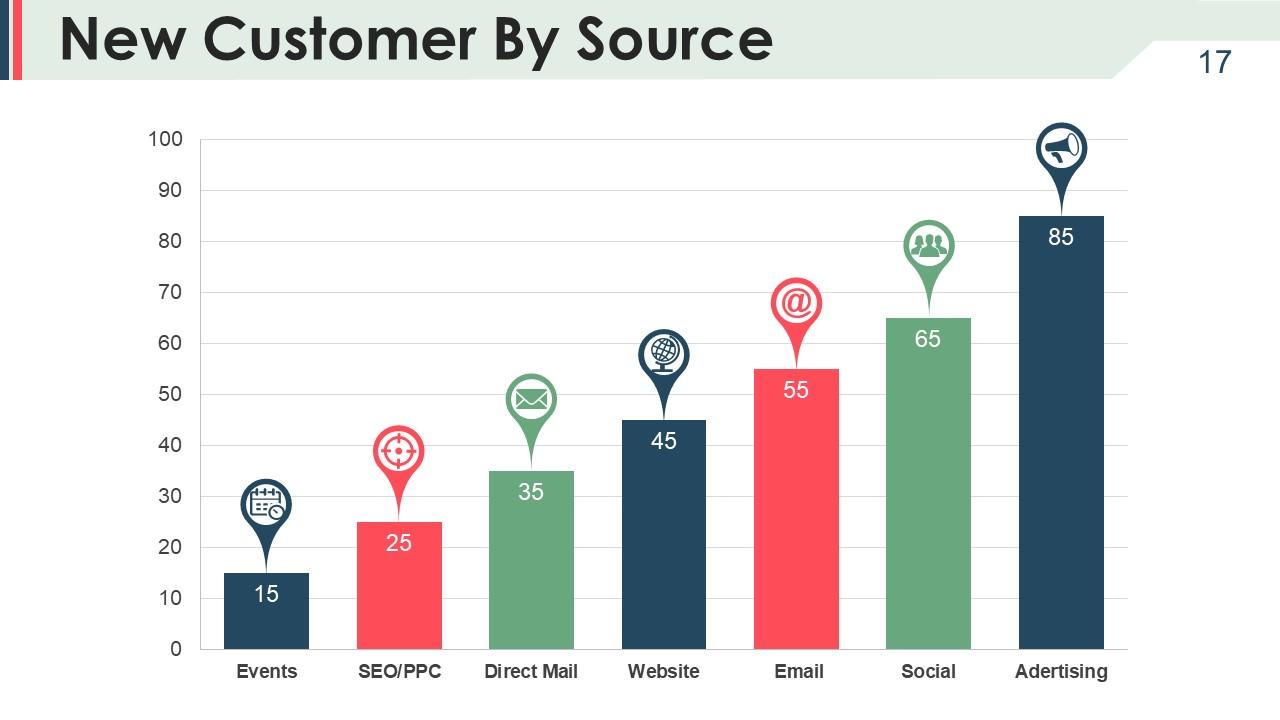
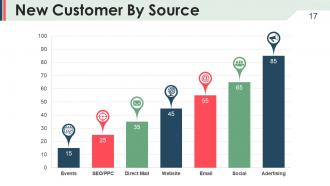
Slide 17: This slide presents New Customer By Source in graph form displaying- Events, Seo/PPC, Direct Mail, Website, Email, Social, Advertising.
Slide 18: This slide shows a Website Update Plan.
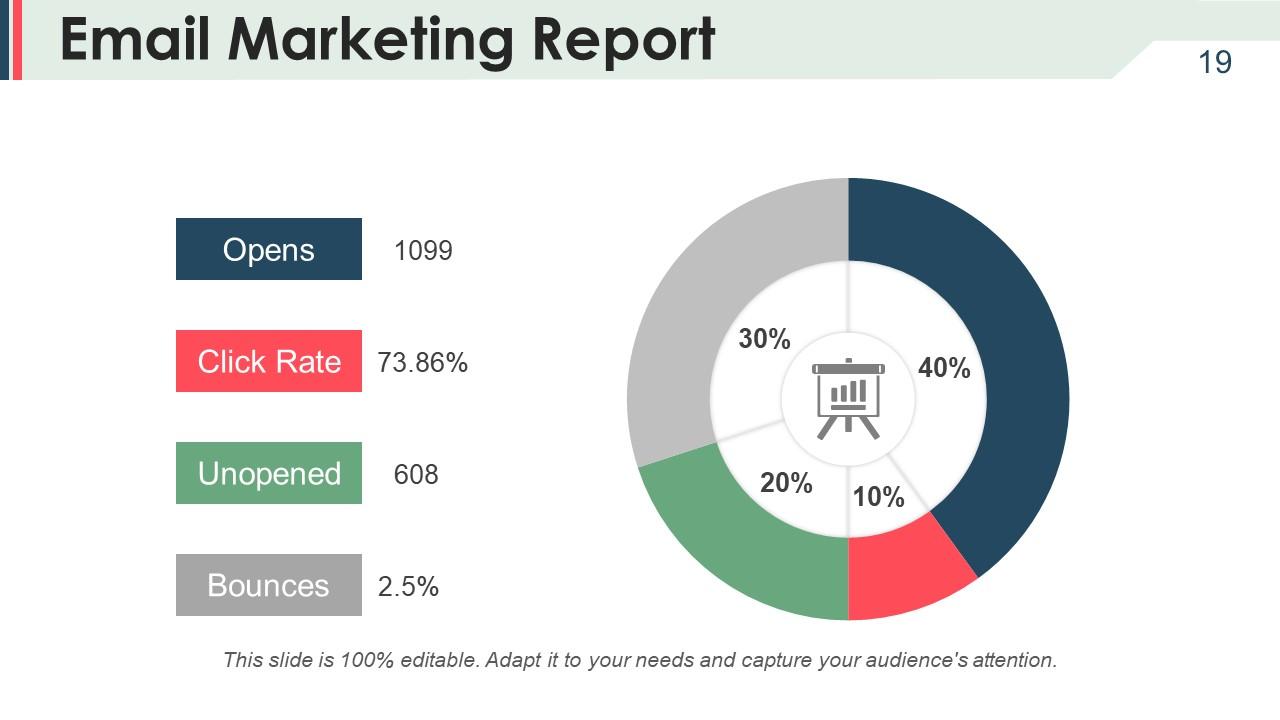
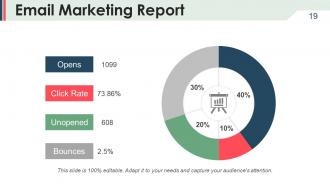
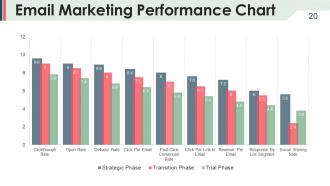
Slide 19: This slide presents an Email Marketing Performance Chart.
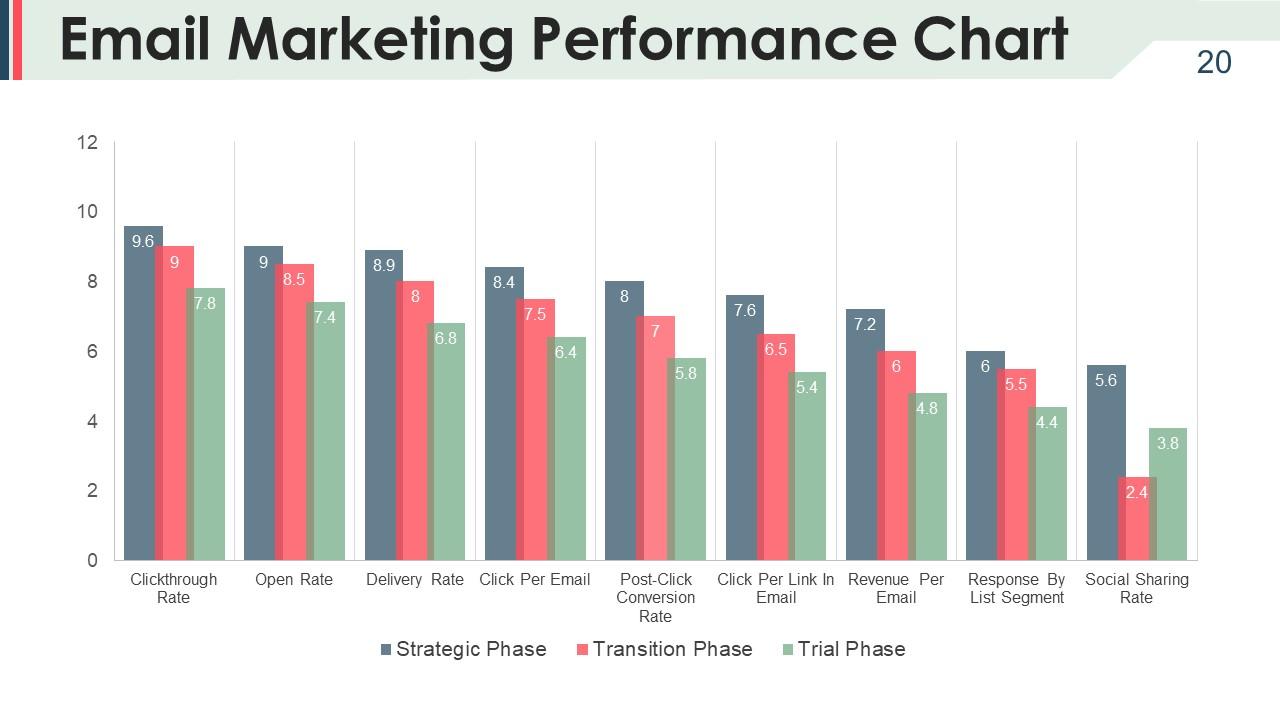
Slide 19: This slide presents a Marketing Performance Chart.
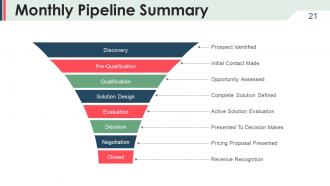
Slide 21: This slide shows Monthly Pipeline Summary displaying- Discovery, Pre-Qualification, Qualification, Solution Design, Evaluation, Decision, Negotiation, Closed, Prospect Identified, Opportunity Assessed, Active Solution Evaluation, Pricing Proposal Presented, Initial Contact Made, Complete Solution Defined, Presented To Decision Makes, Revenue Recognition.
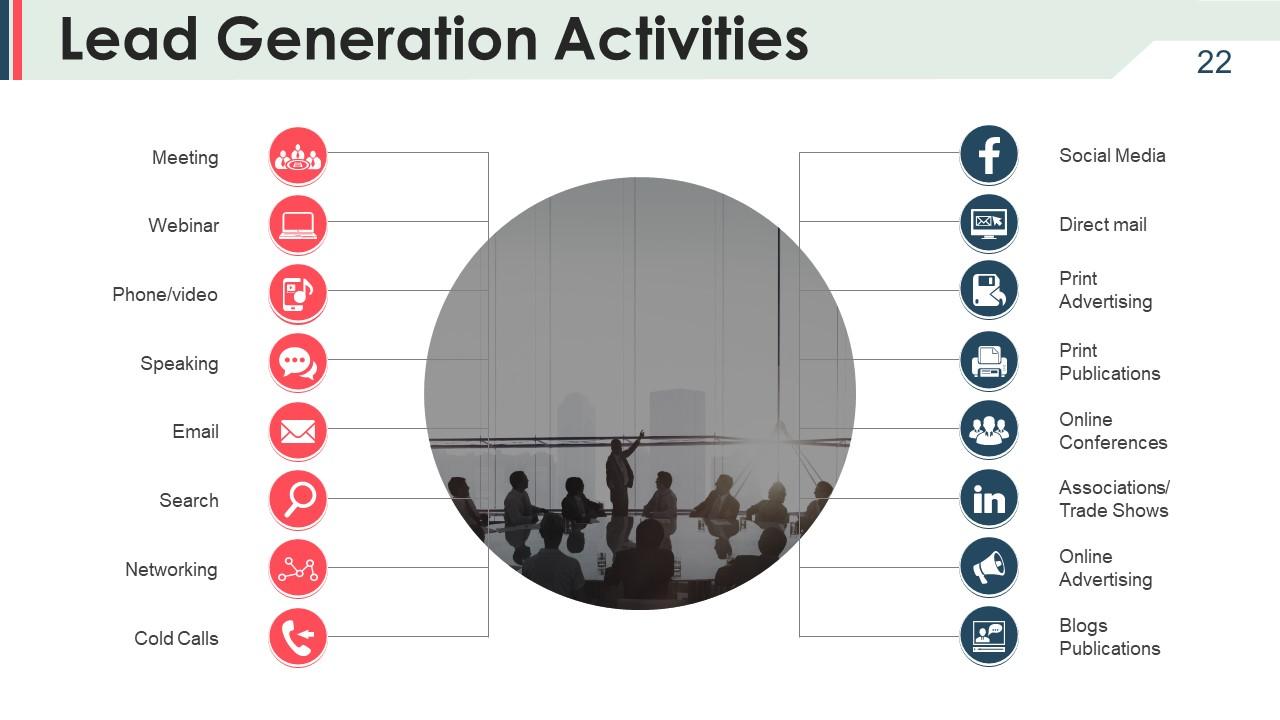
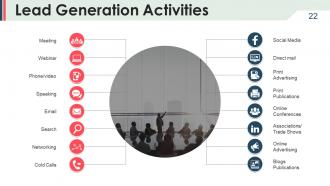
Slide 22: This slide shows Lead Generation Activities listed as- Networking, Speaking, Meeting, Print Publications, Direct mail, Cold Calls, Print Advertising, Associations/Trade Shows, Webinar, Blogs/Online Publications, Email, Search, Online Advertising, Phone/video, Group/Online Conferences, Social Media.
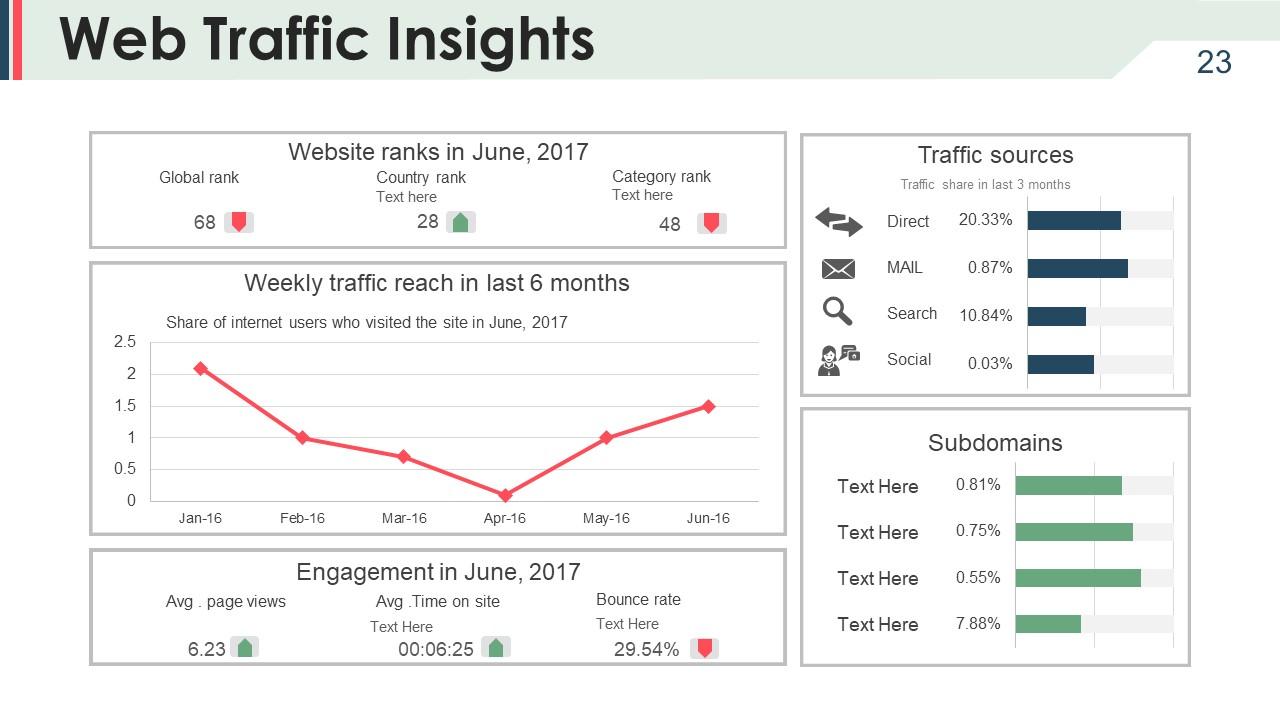
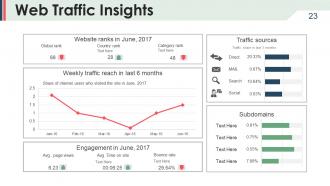
Slide 23: This slide shows Web Traffic Insights displaying- Traffic Sources, Traffic Share, Direct, Referrals, Search, Social, Mail, Display Ads, SUBDOMAINS, WEBSITE RANKS.
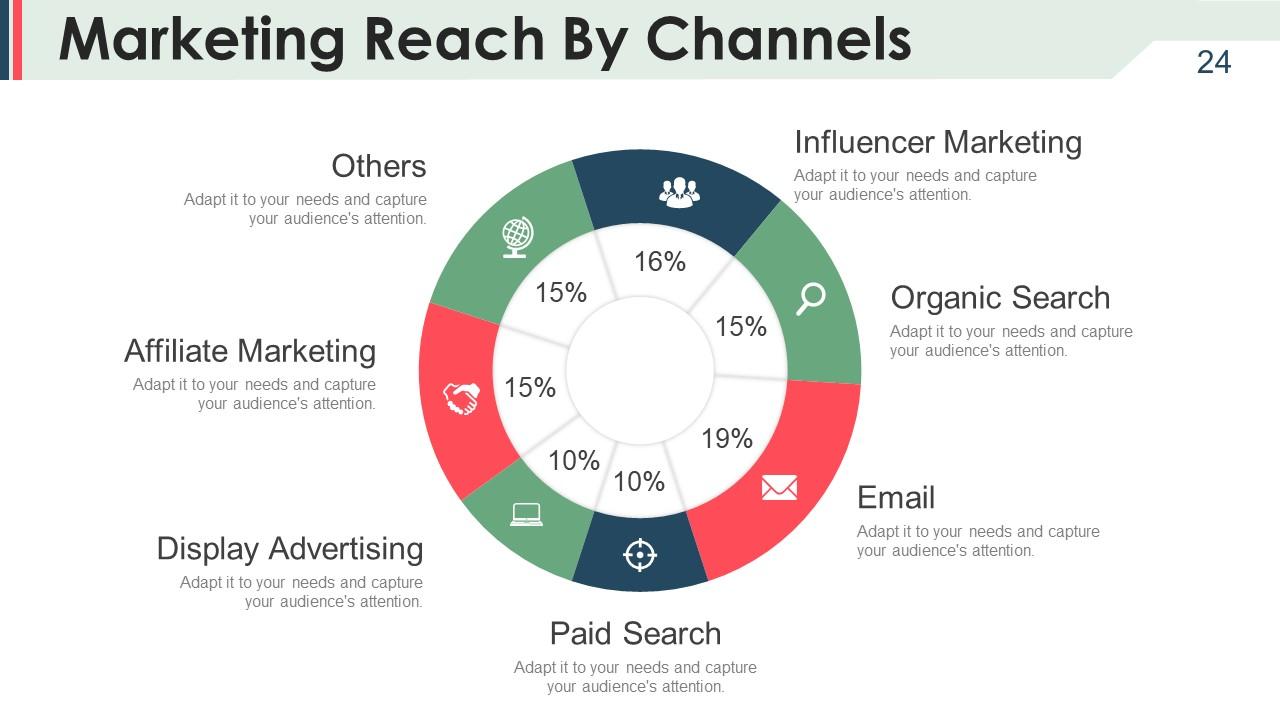
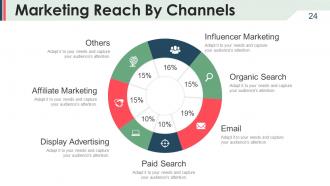
Slide 24: This slide displays Marketing Reach by Channels as- Organic Search, Email, Paid Search, Display Advertising, Affiliate Marketing, Influencer Marketing, Others.
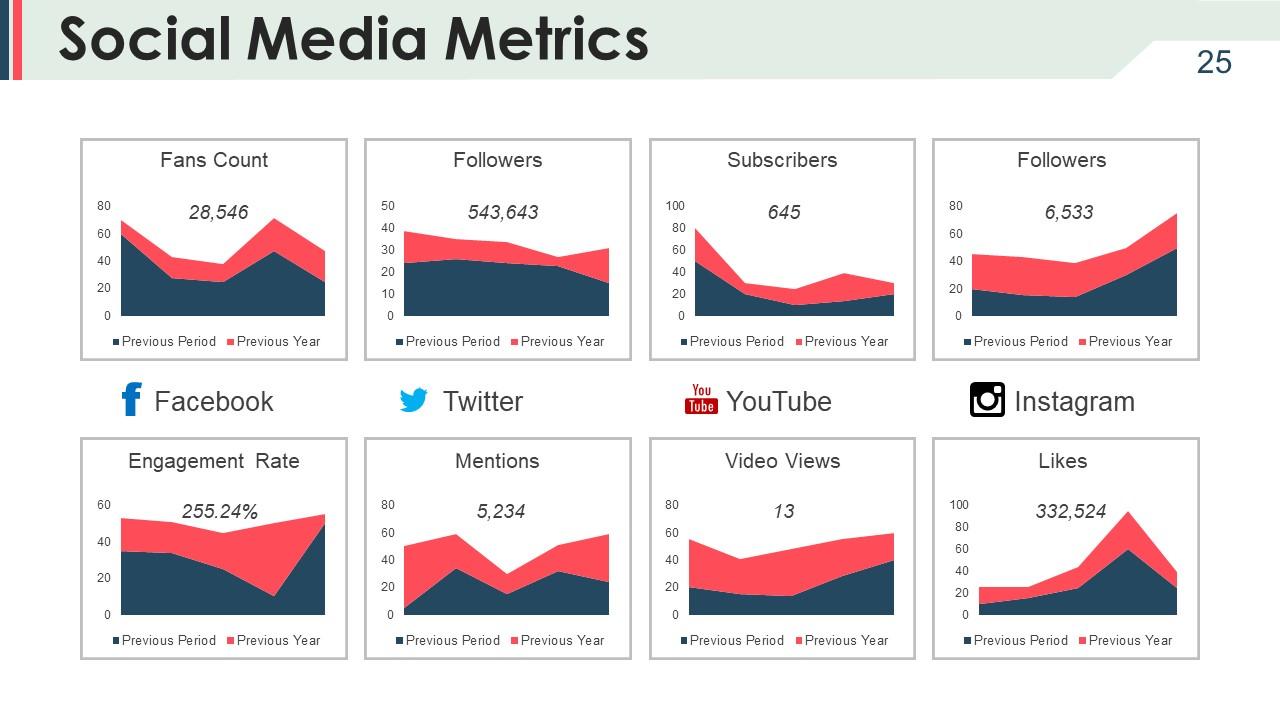
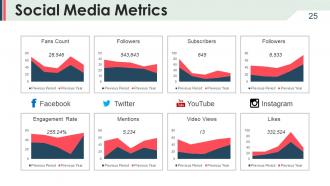
Slide 25: This is a Social Media Metrics slide in dashboard form.
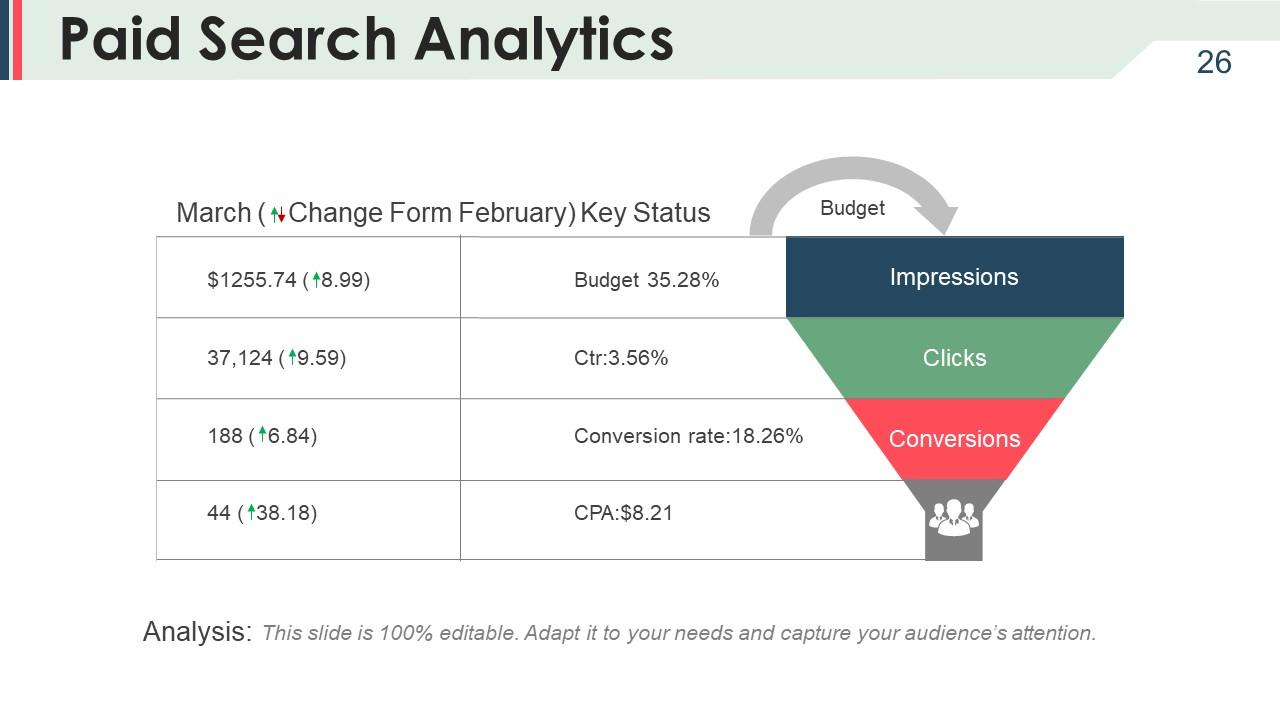
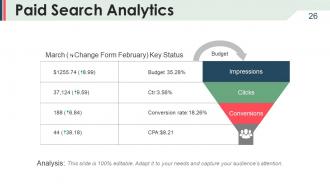
Slide 26: This slide showcases Paid Search Analytics showing- Impressions, Clicks, Conversions, Budget, Analysis as crucial factors.
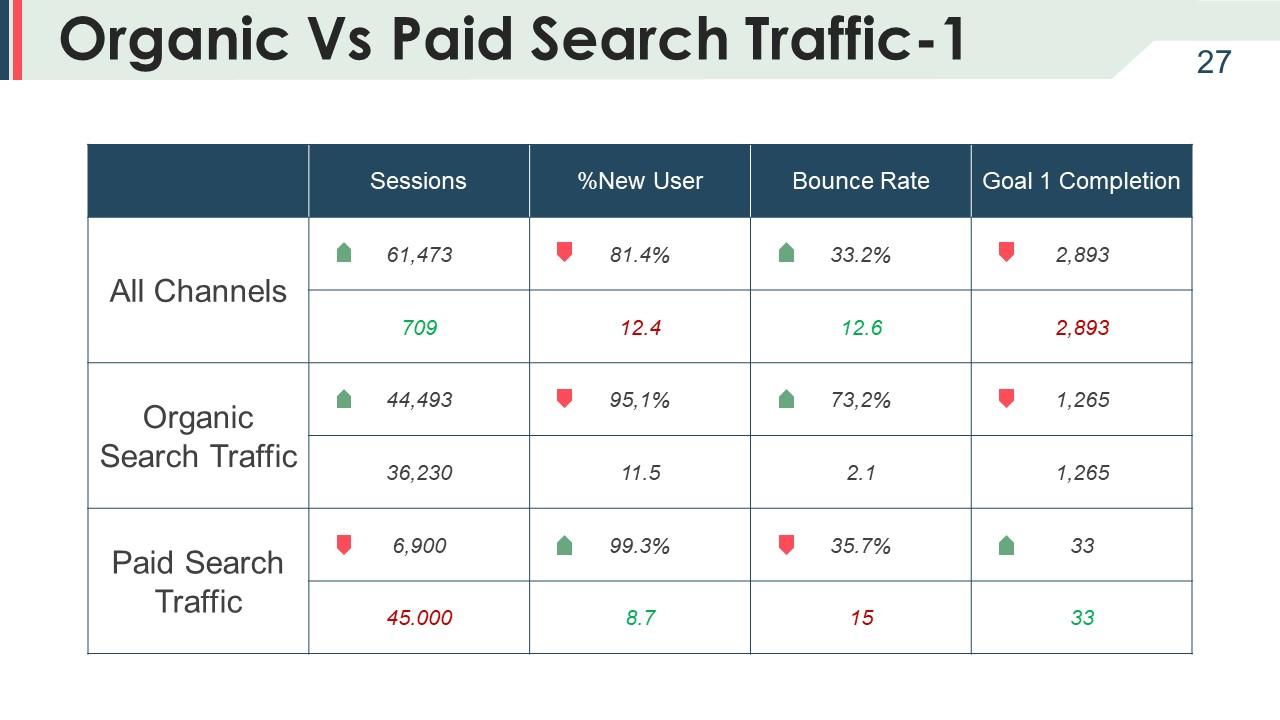
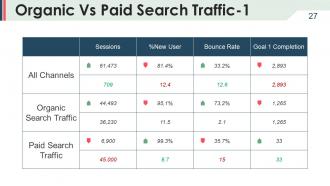
Slide 27: This slide displays Organic Vs Paid Search Traffic in tabular form.
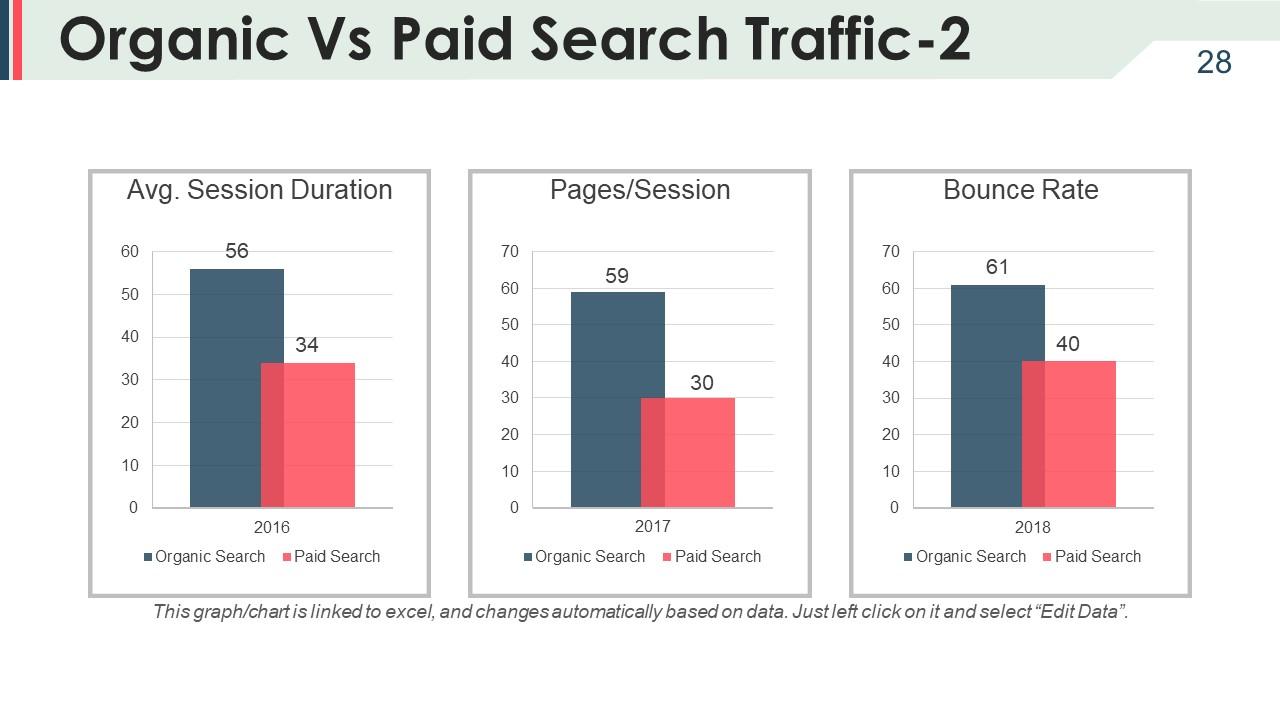
Slide 28: This slide displays Organic Vs Paid Search Traffic in graphical form.
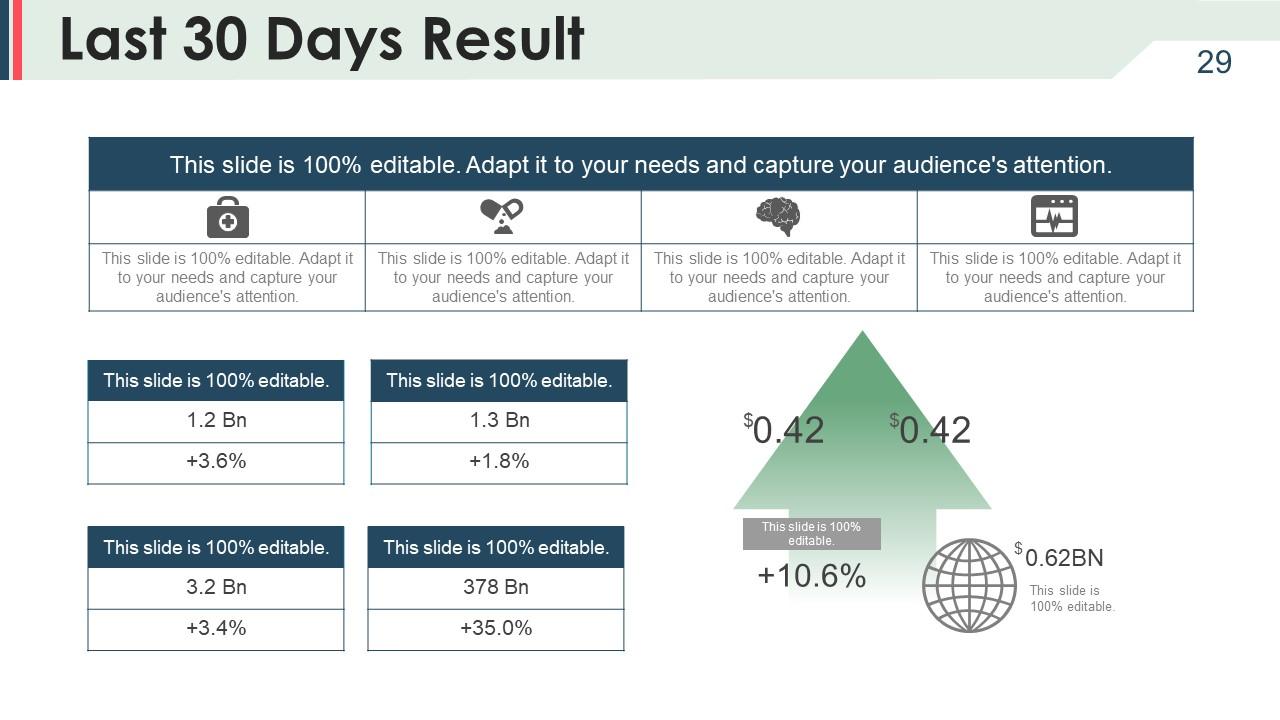
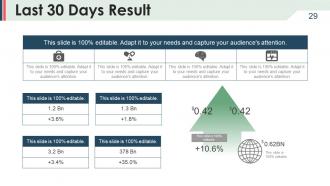
Slide 29: This slide presents Last 30 Days Results to be shown and calculated.
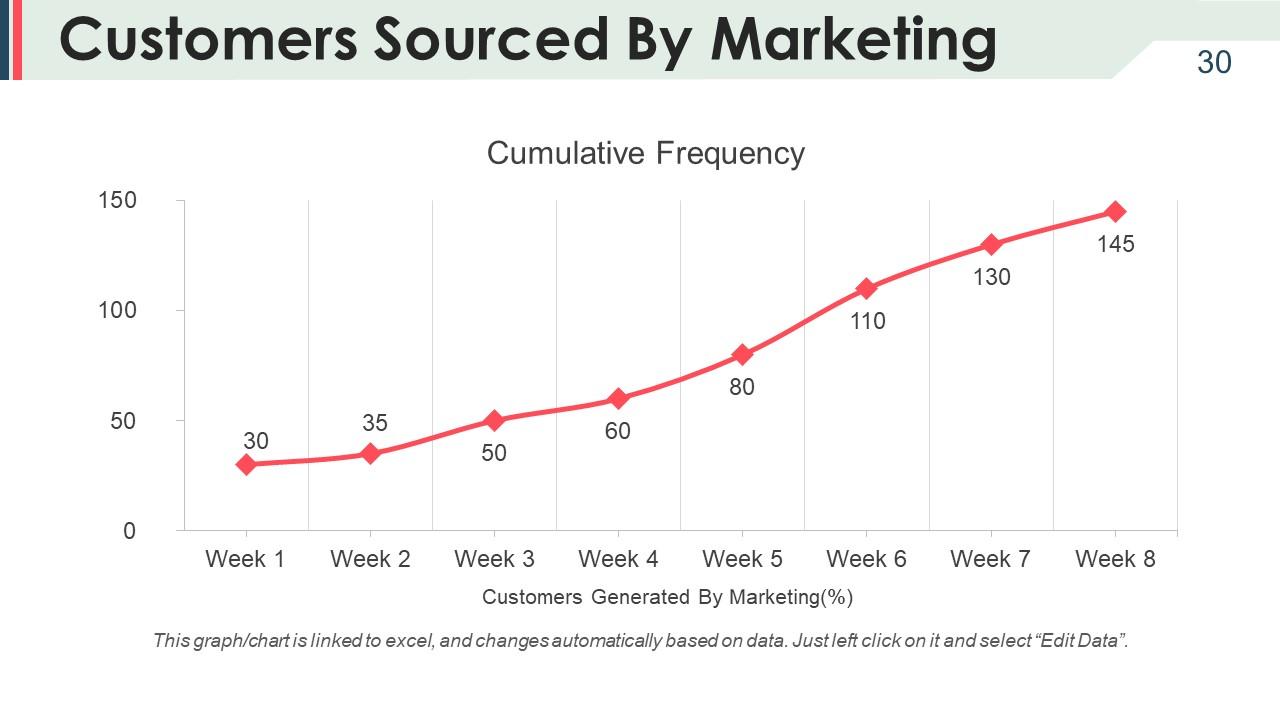
Slide 30: This slide showcases Customers Sourced By Marketing displaying graph for- Customers Generated By Marketing(%).
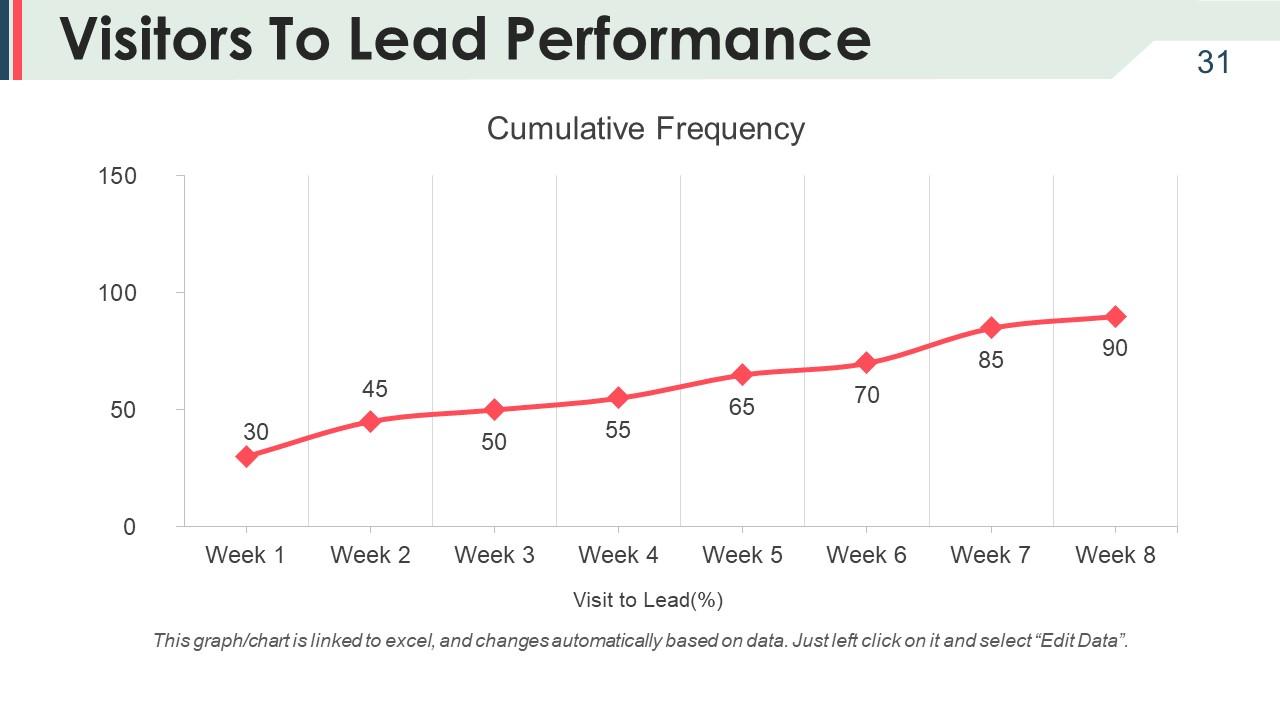
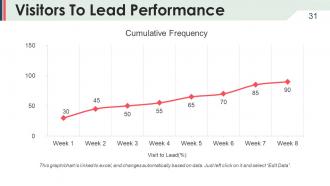
Slide 31: This is a Visitors To Lead Performance graphical slide.
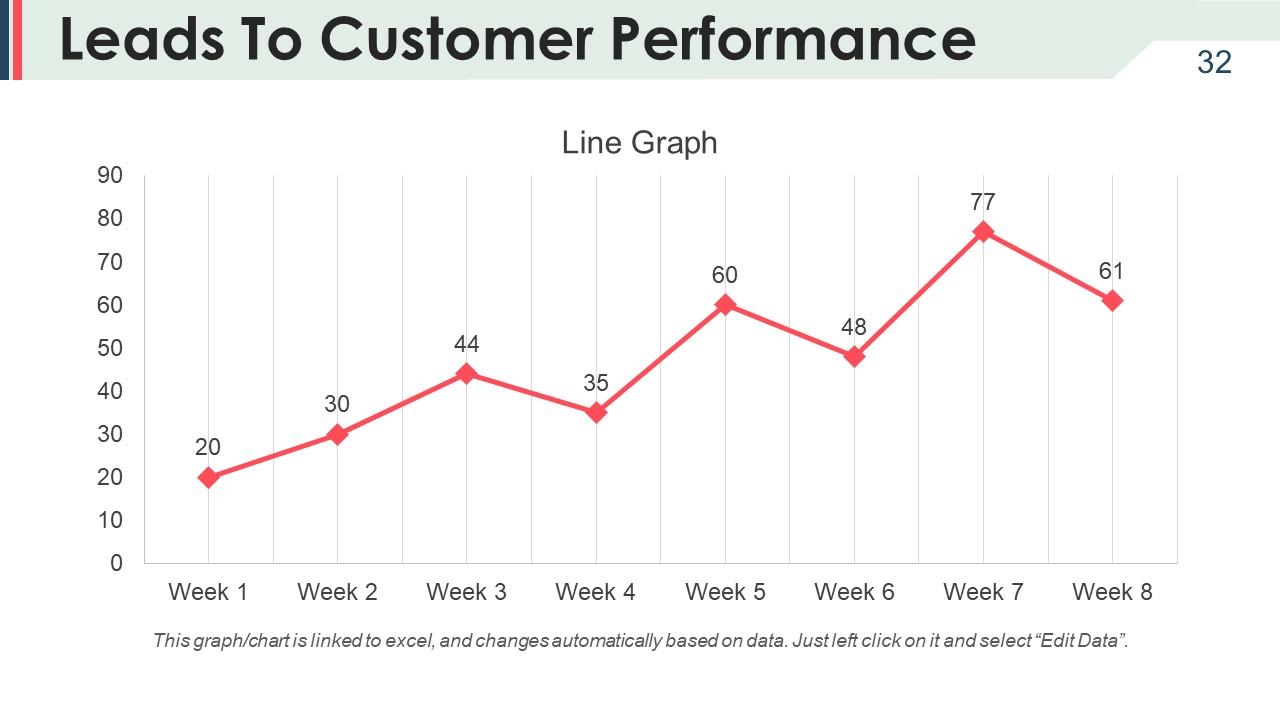
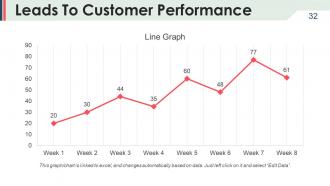
Slide 32: This slide shows Leads To Customer Performance in graphical form.
Slide 33: This slide helps display Channel Partners for marketing endeavors.
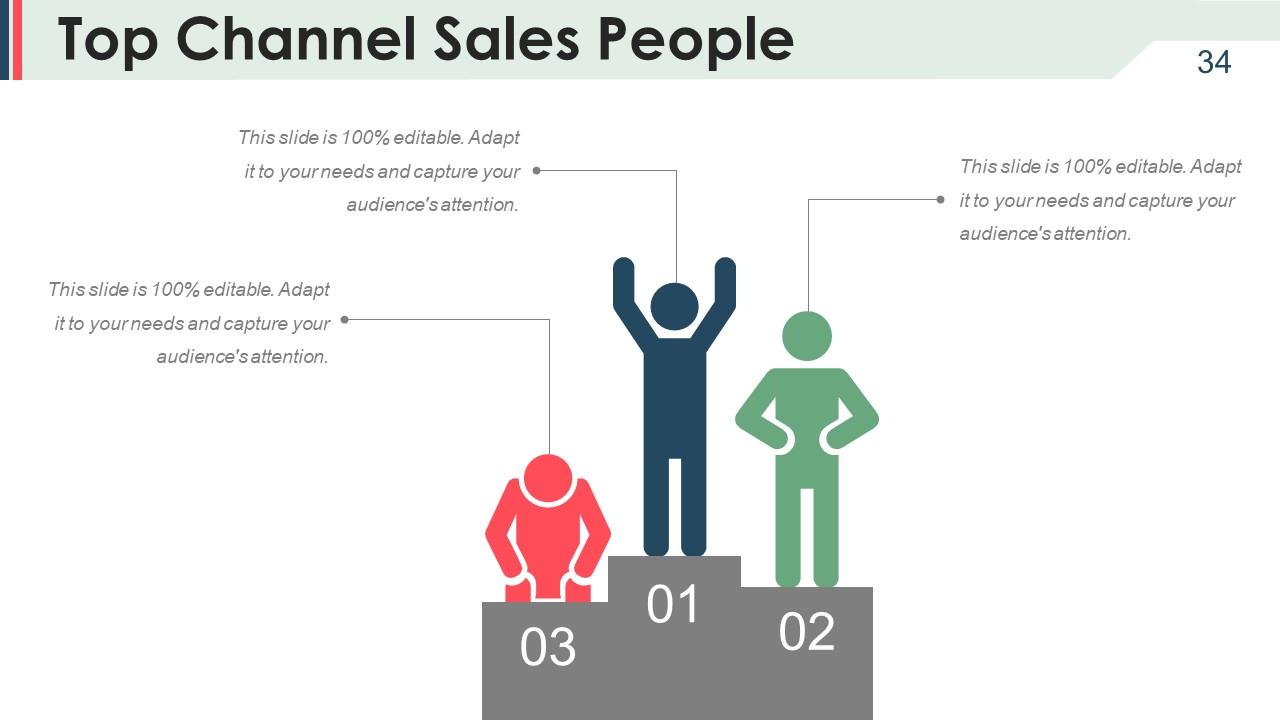
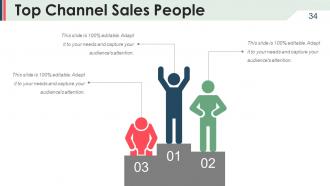
Slide 34: This slide showcases Top Channel Sales People.
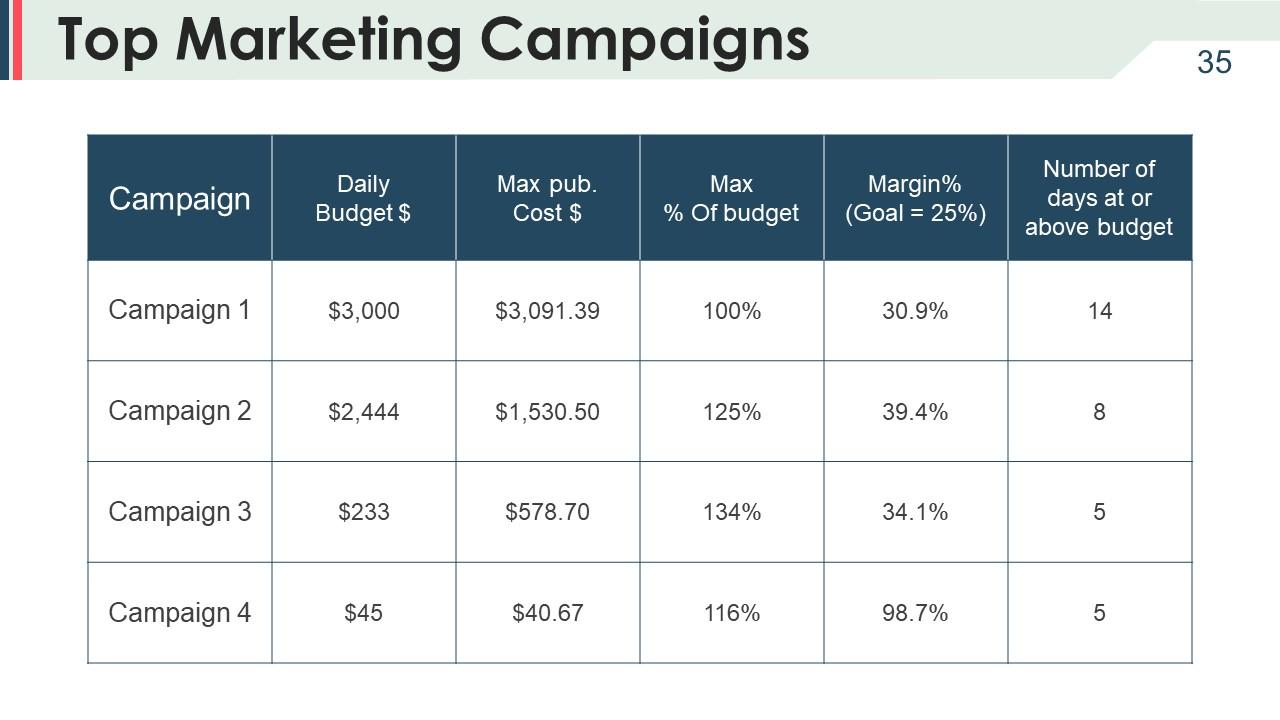
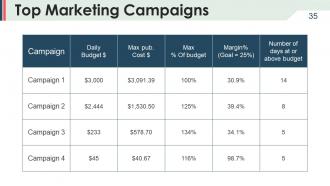
Slide 35: This slide displays Top Marketing Campaigns.
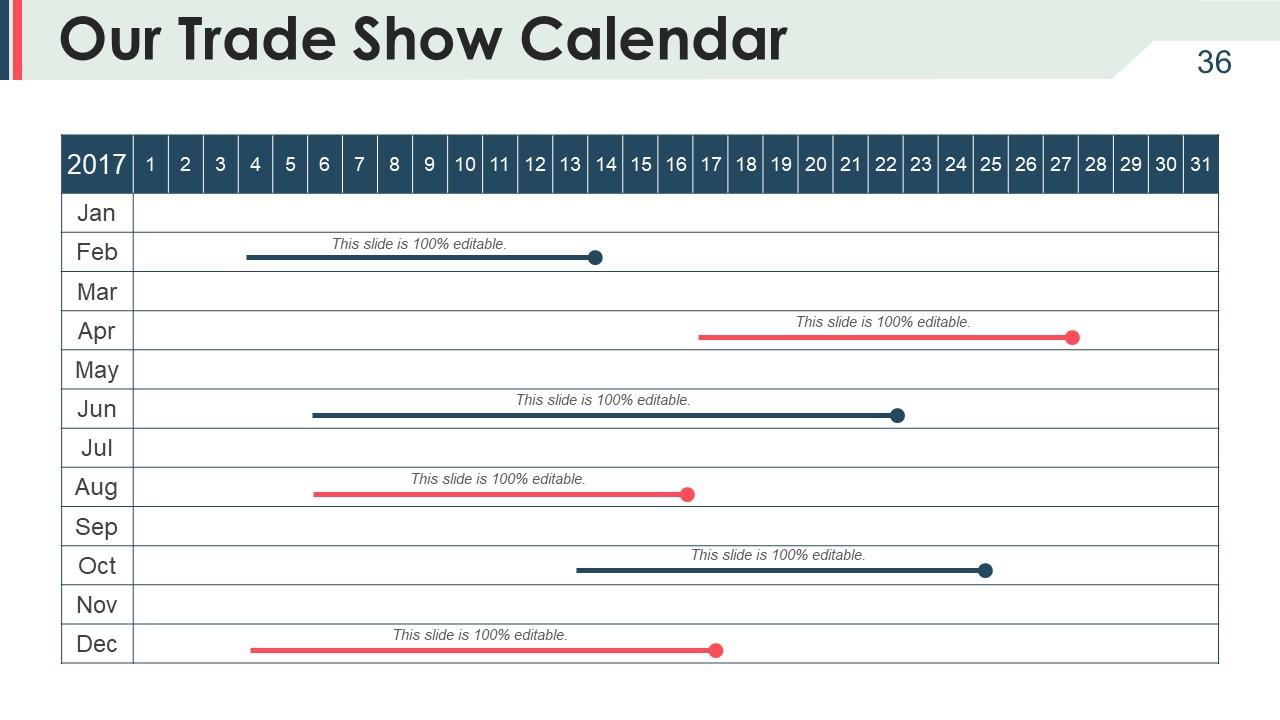
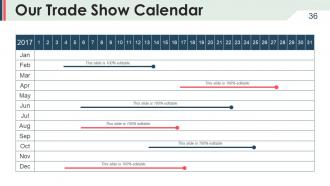
Slide 36: This is Our Trade Show Calendar slide.
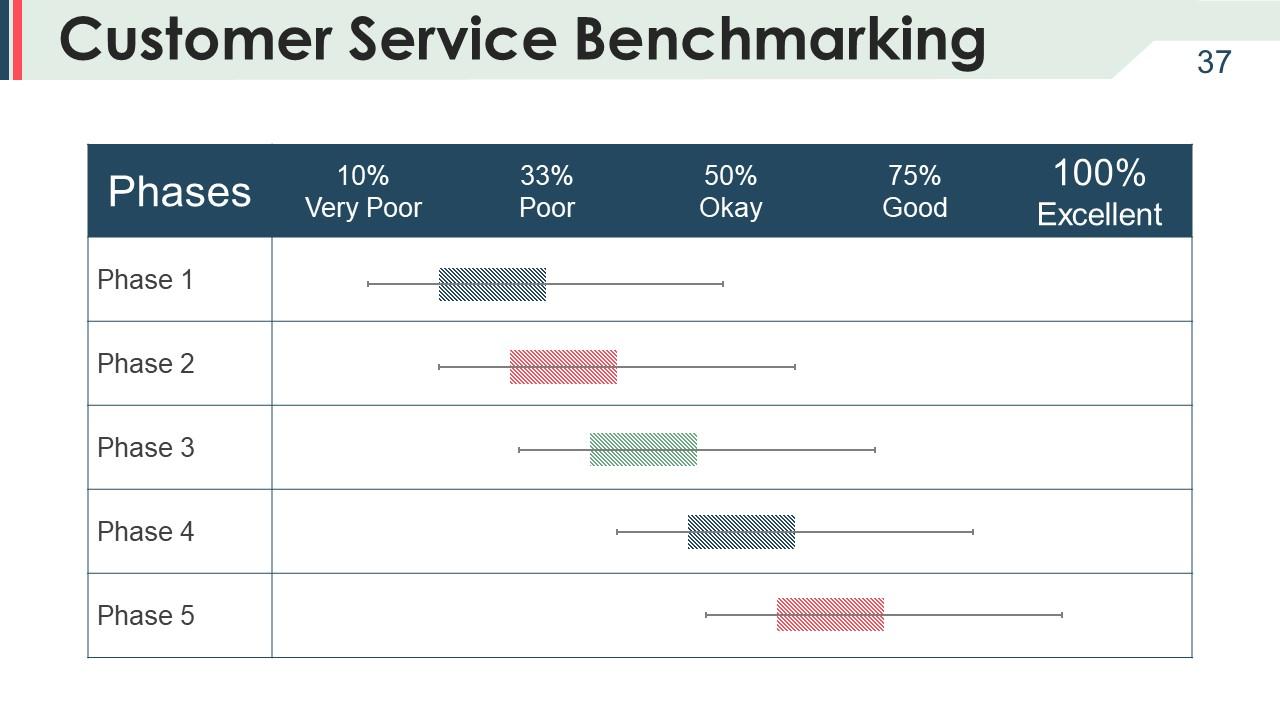
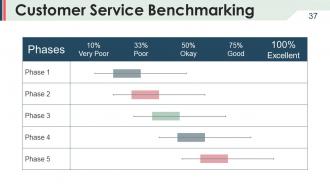
Slide 37: This slide presents Customer Service Benchmarking to be presented.
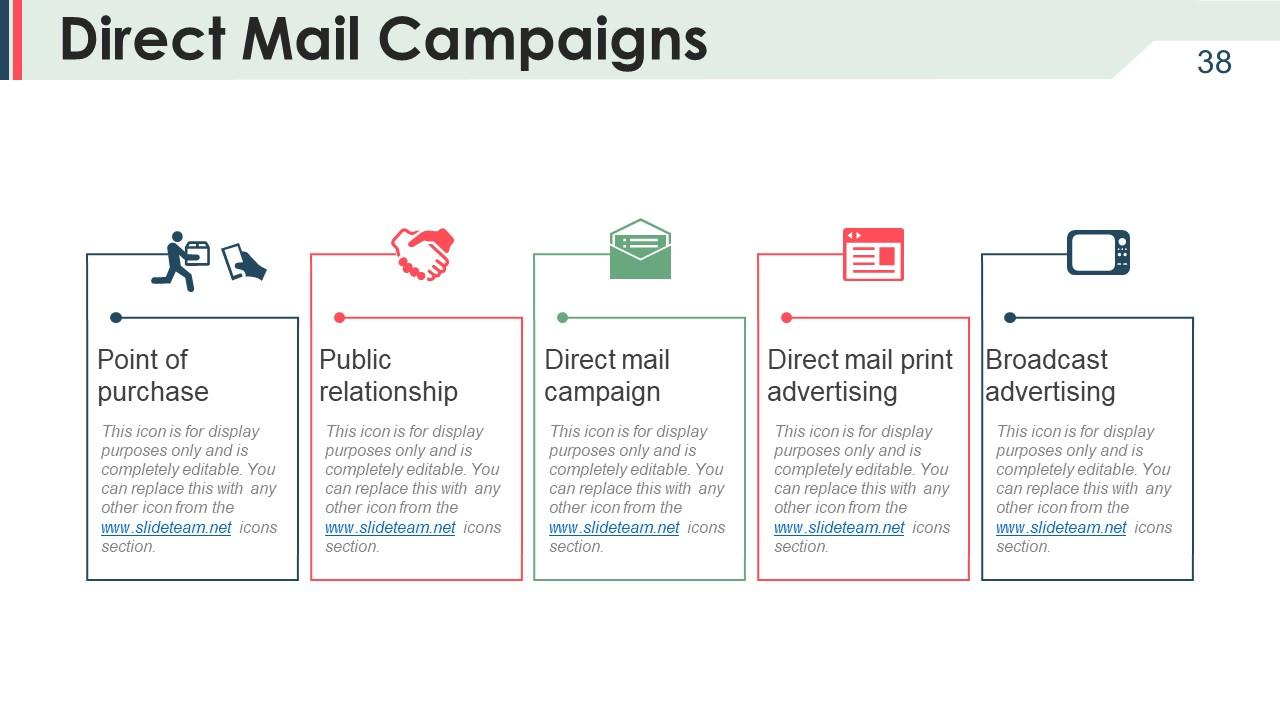
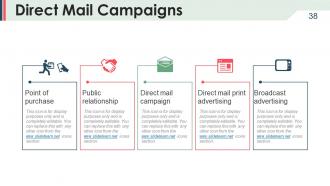
Slide 38: This slide presents Direct Mail of Campaigns. Point Of Purchase, Public Relationship, Direct Mail Campaign, Print Advertising, Broadcast Advertising.
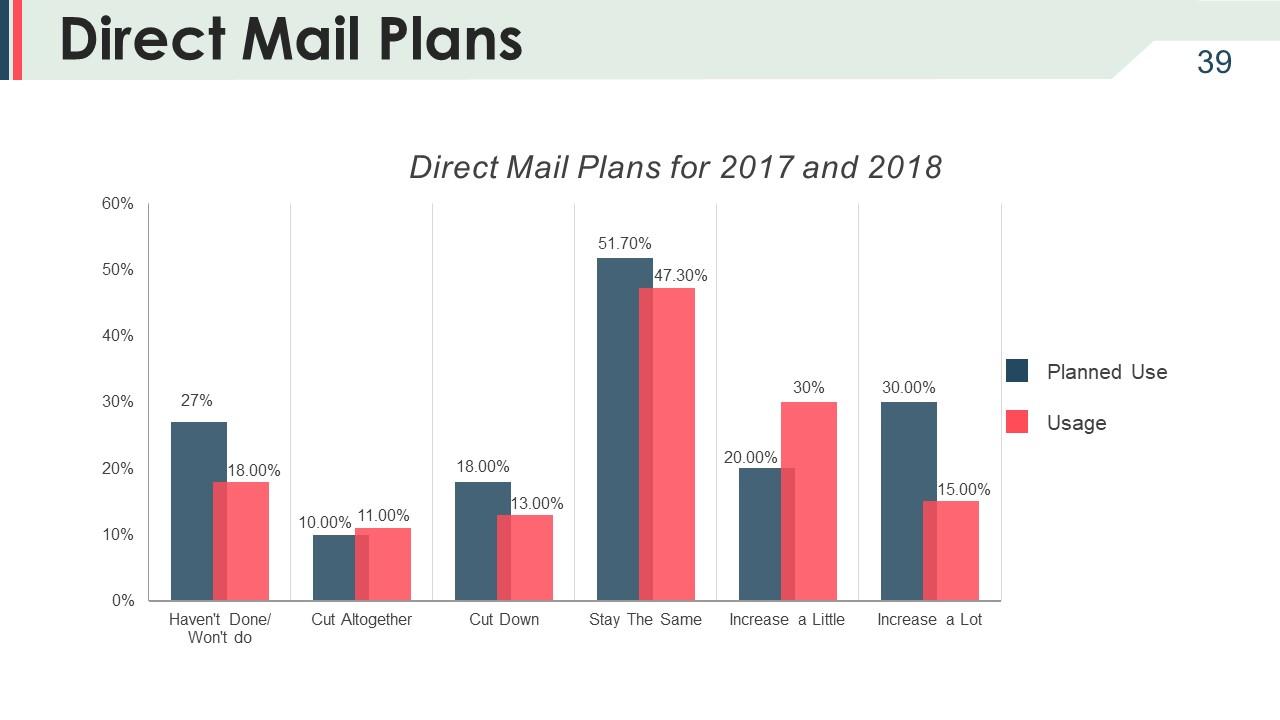
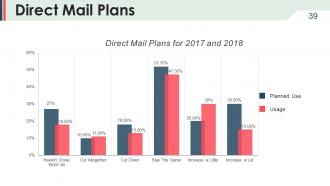
Slide 39: This slide presents Direct Mail Plans in graphical form.
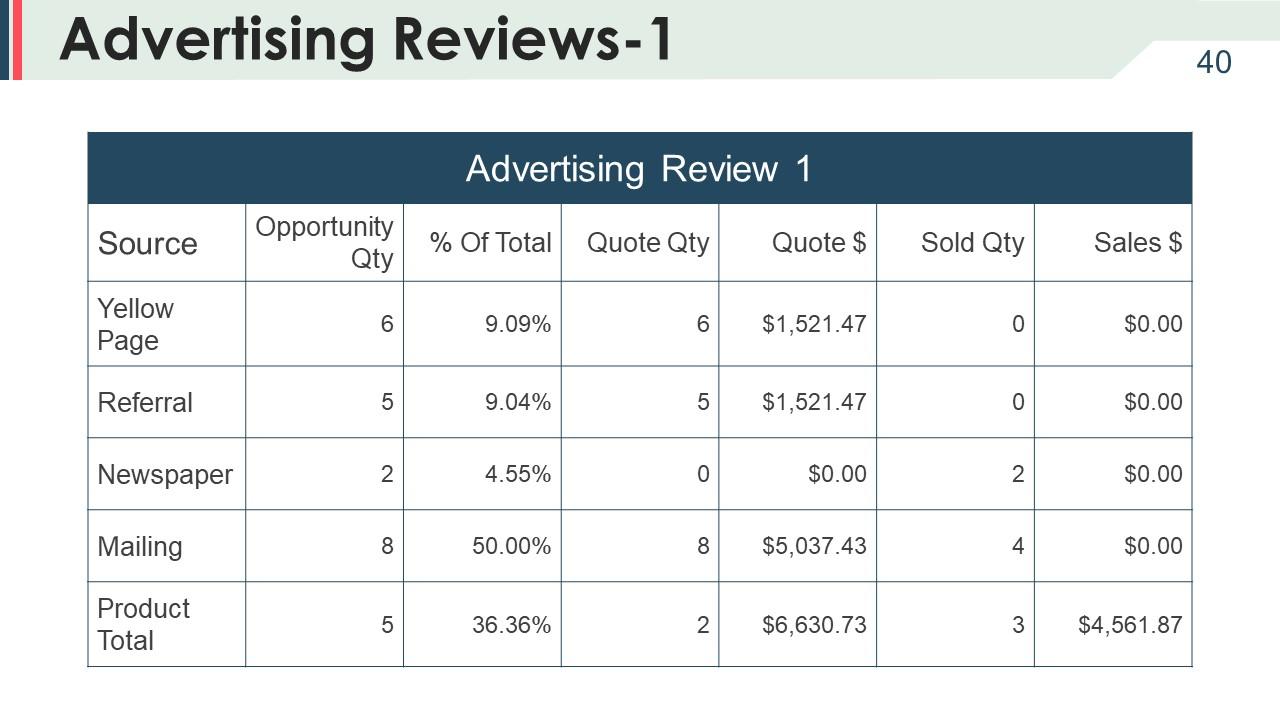
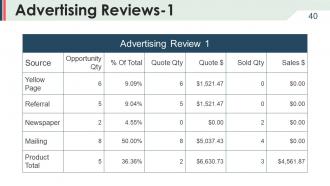
Slide 40: This slide presents Advertising Reviews in tabular form.
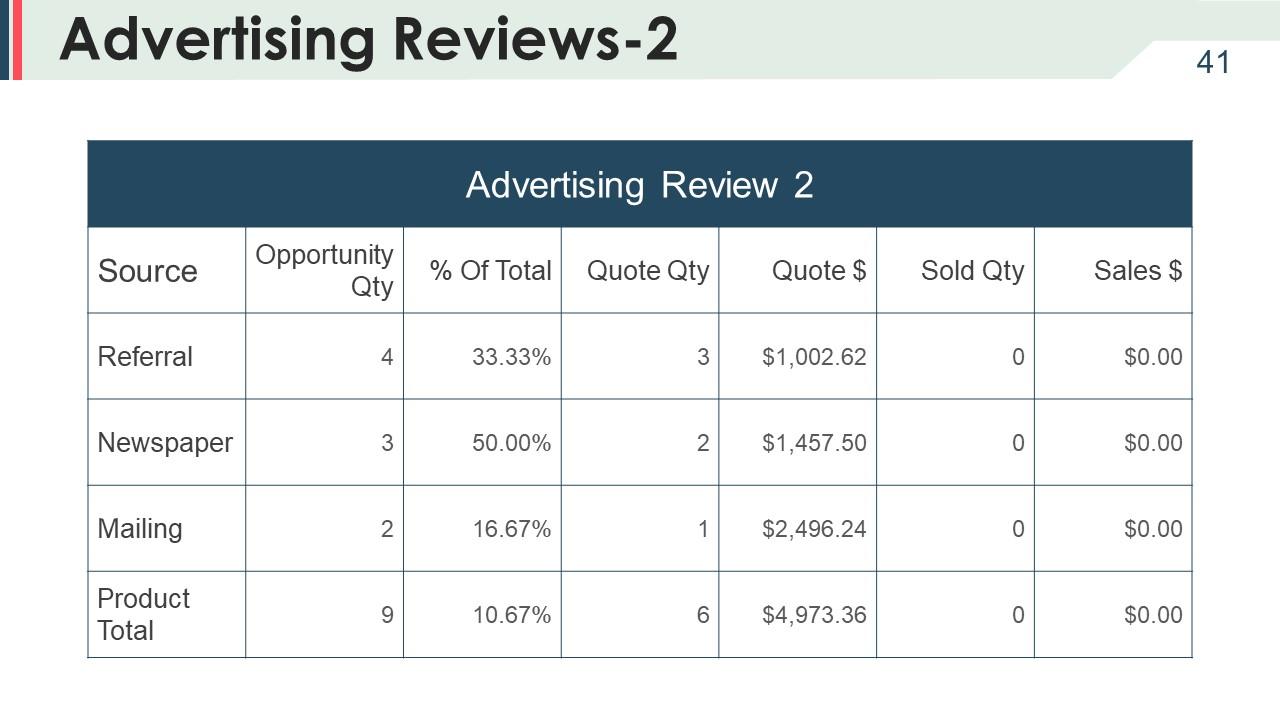
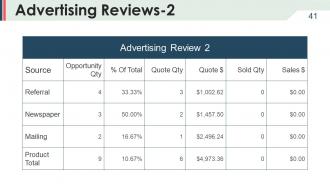
Slide 41: This slide presents Advertising Reviews in tabular form.
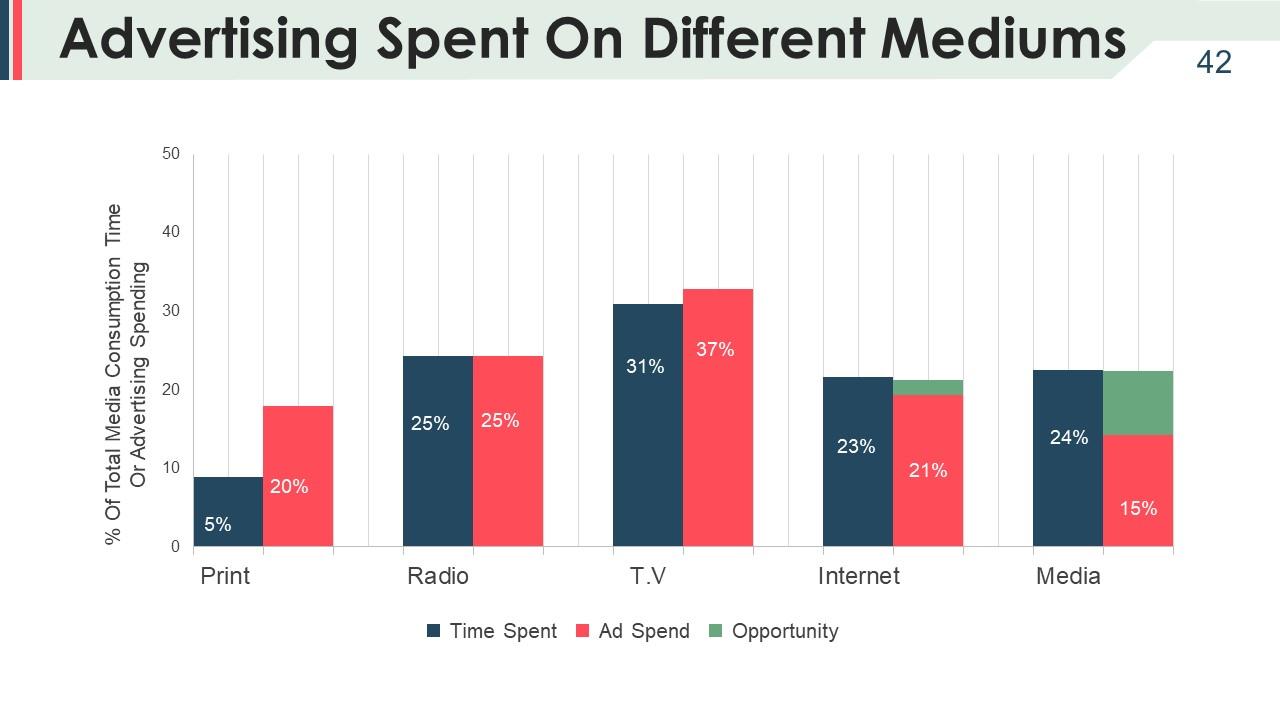
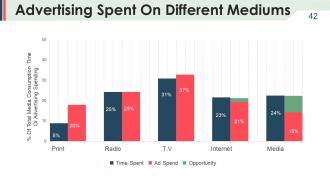
Slide 42: This slide showcases Advertising Spent On Different Mediums in graph form.
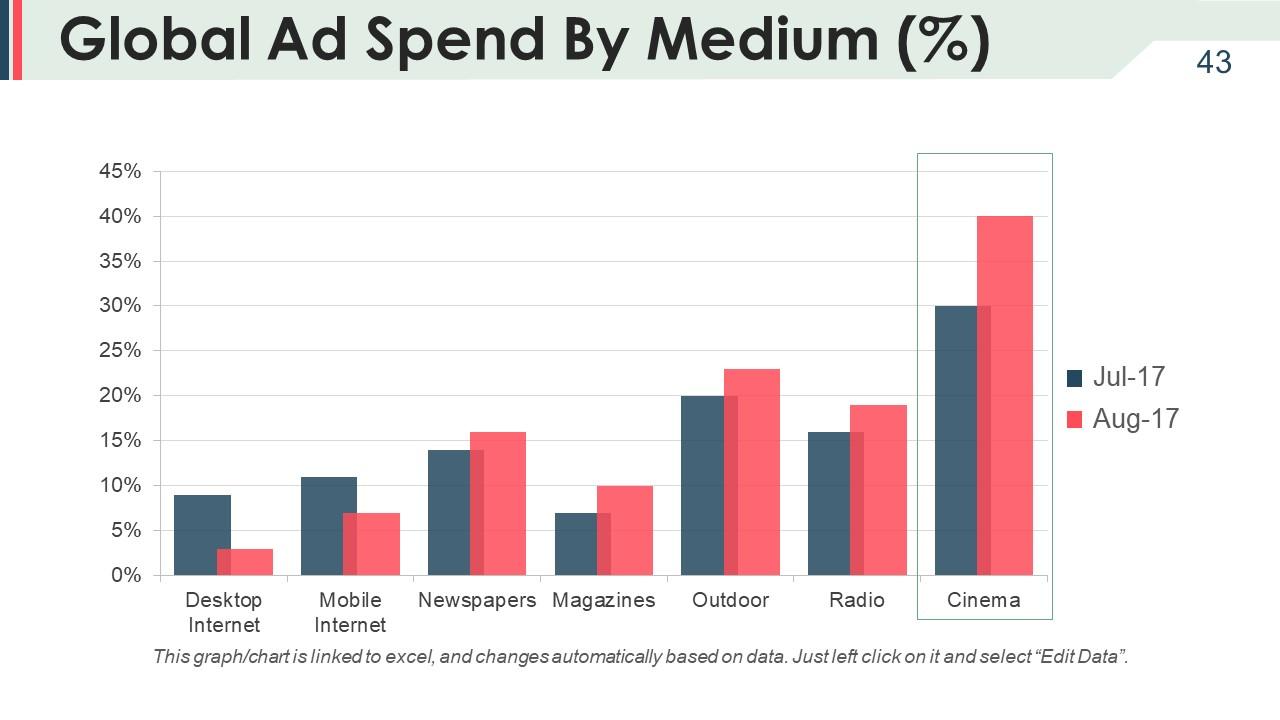
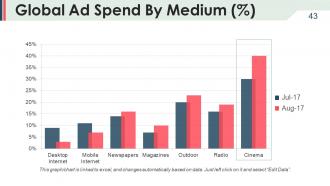
Slide 43: This slide presents Global Adspend By Medium(%).
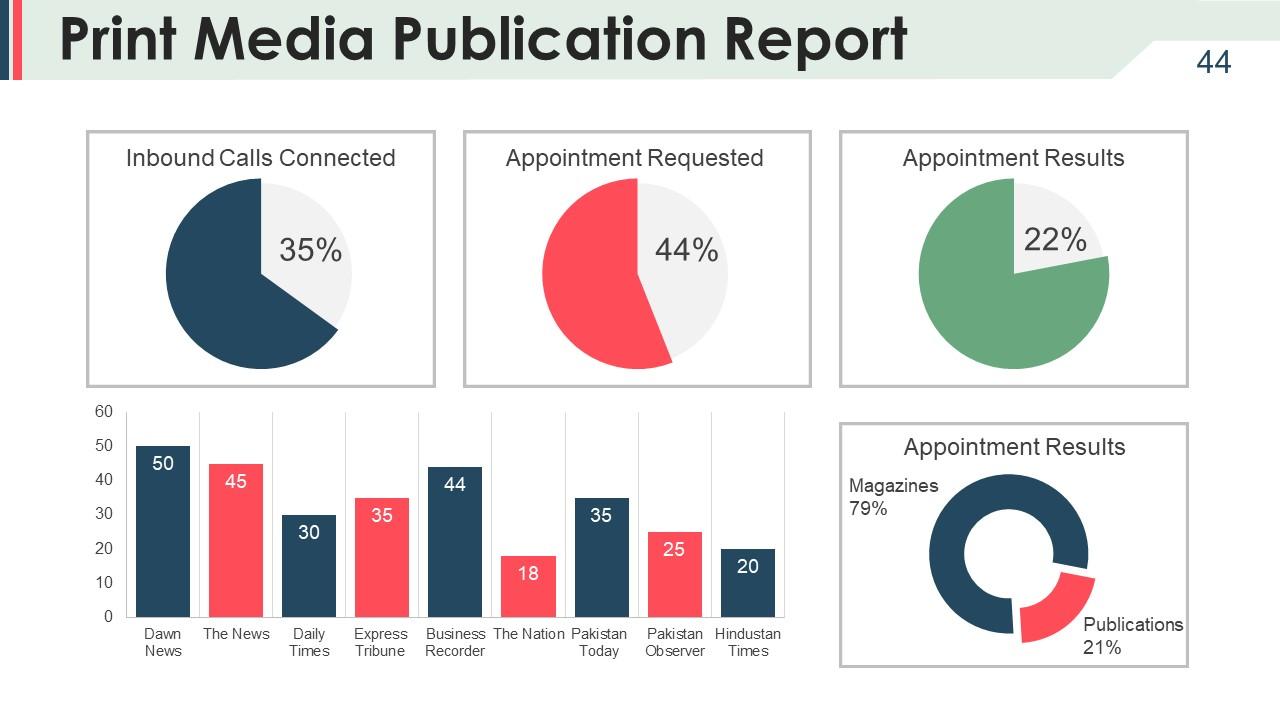
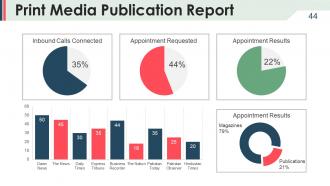
Slide 44: This slide showcases Print Media Publication Report in charts and graphs form.
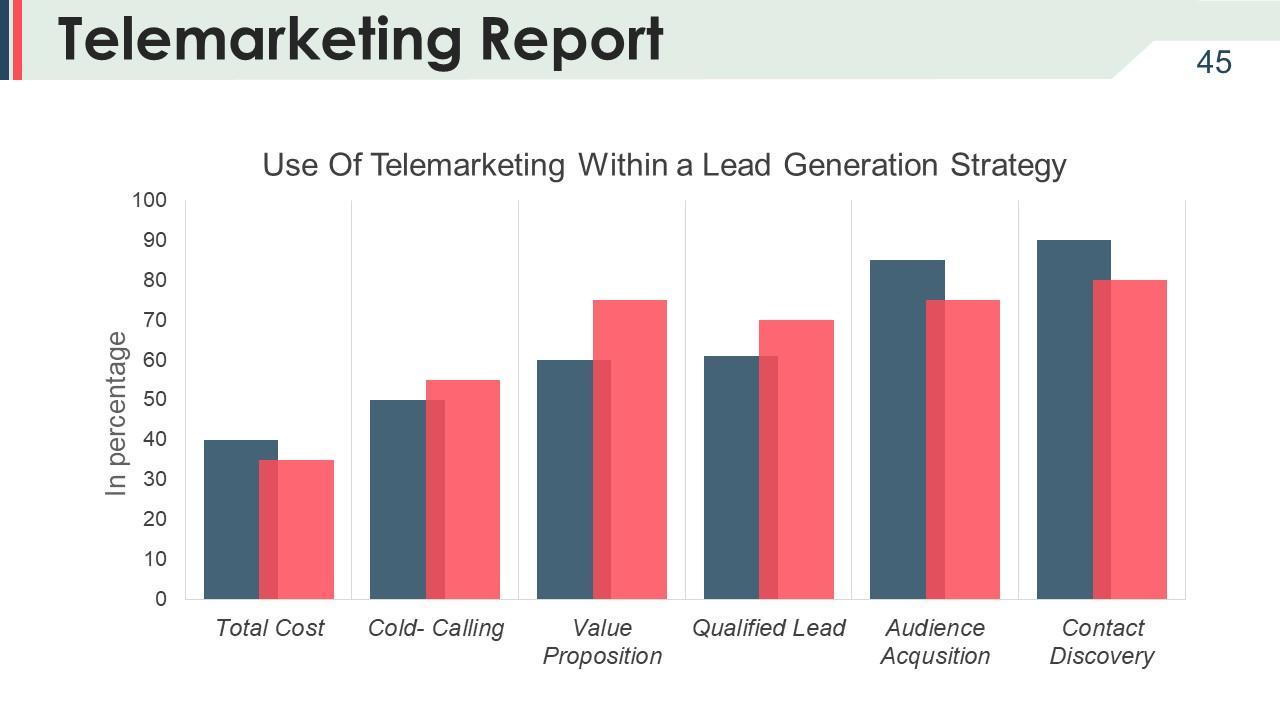
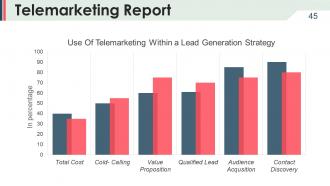
Slide 45: This slide shows Telemarketing Report in graphical form.
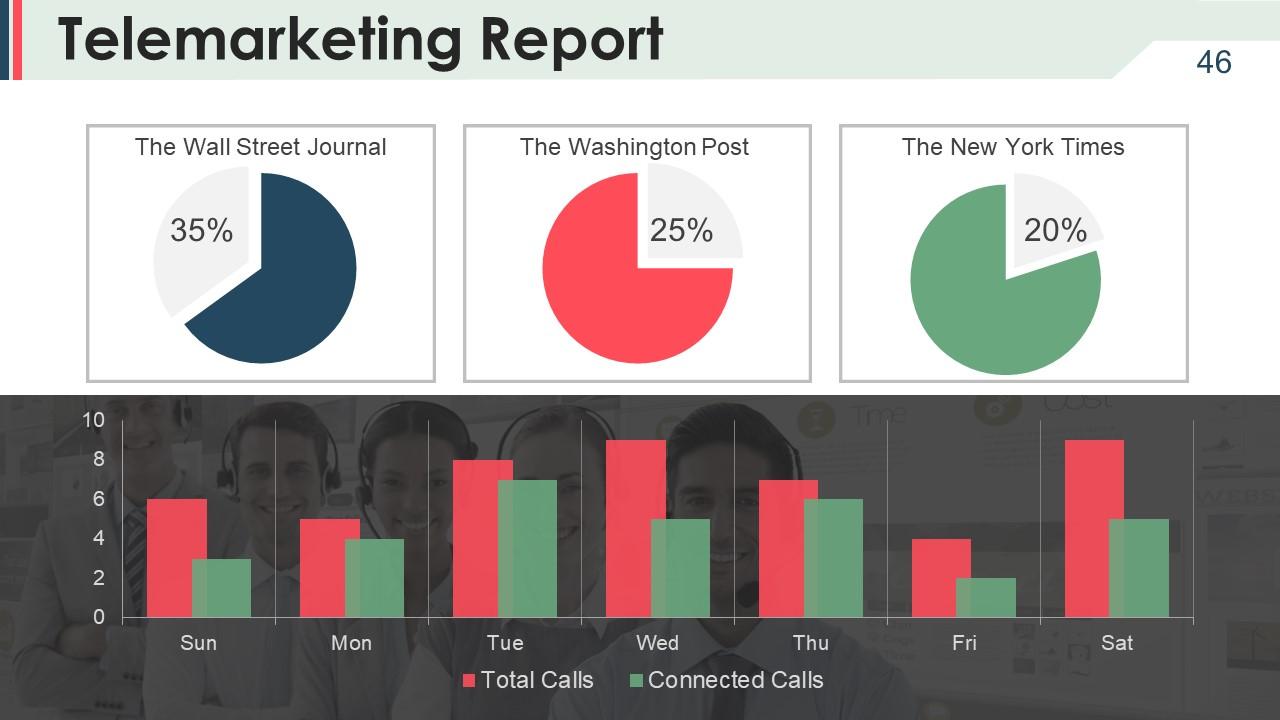
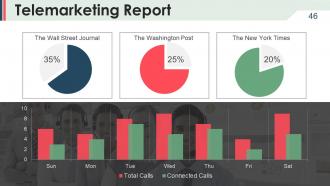
Slide 46: This slide shows Telemarketing Report in charts and graphs form.
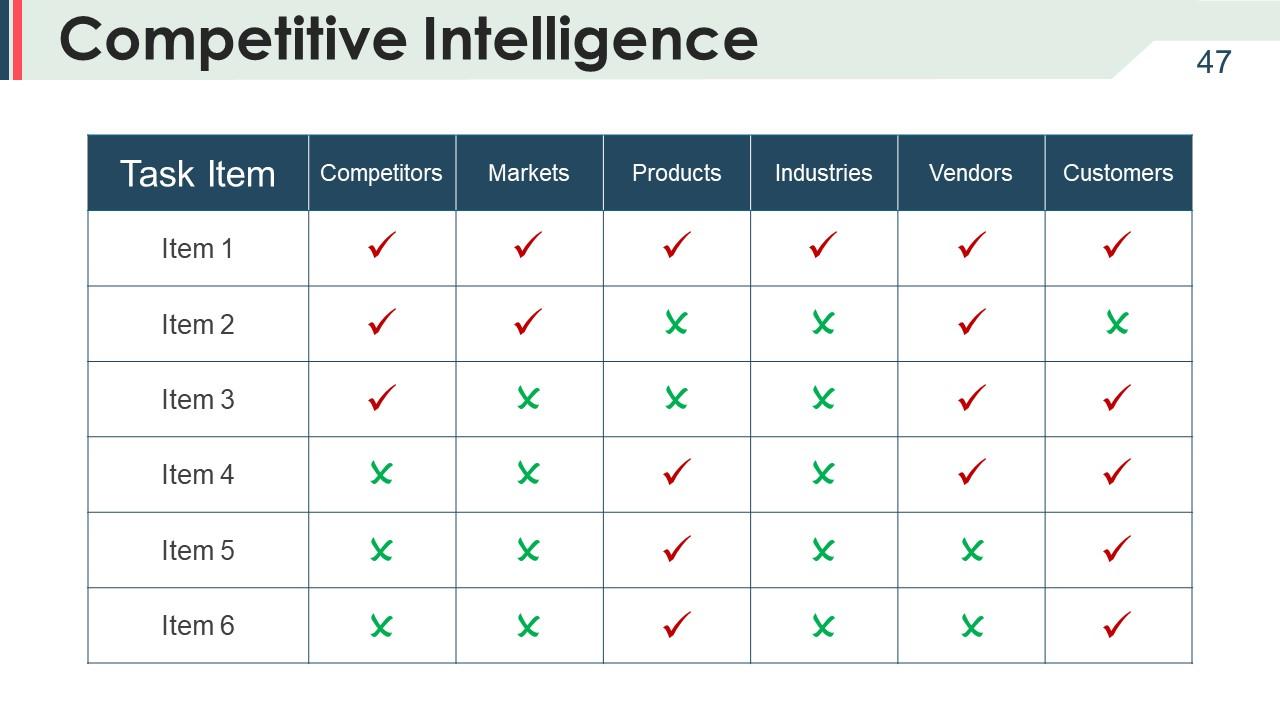
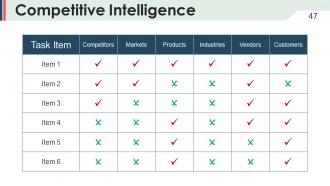
Slide 47: This is a Competitive Intelligence slide in tabular form.
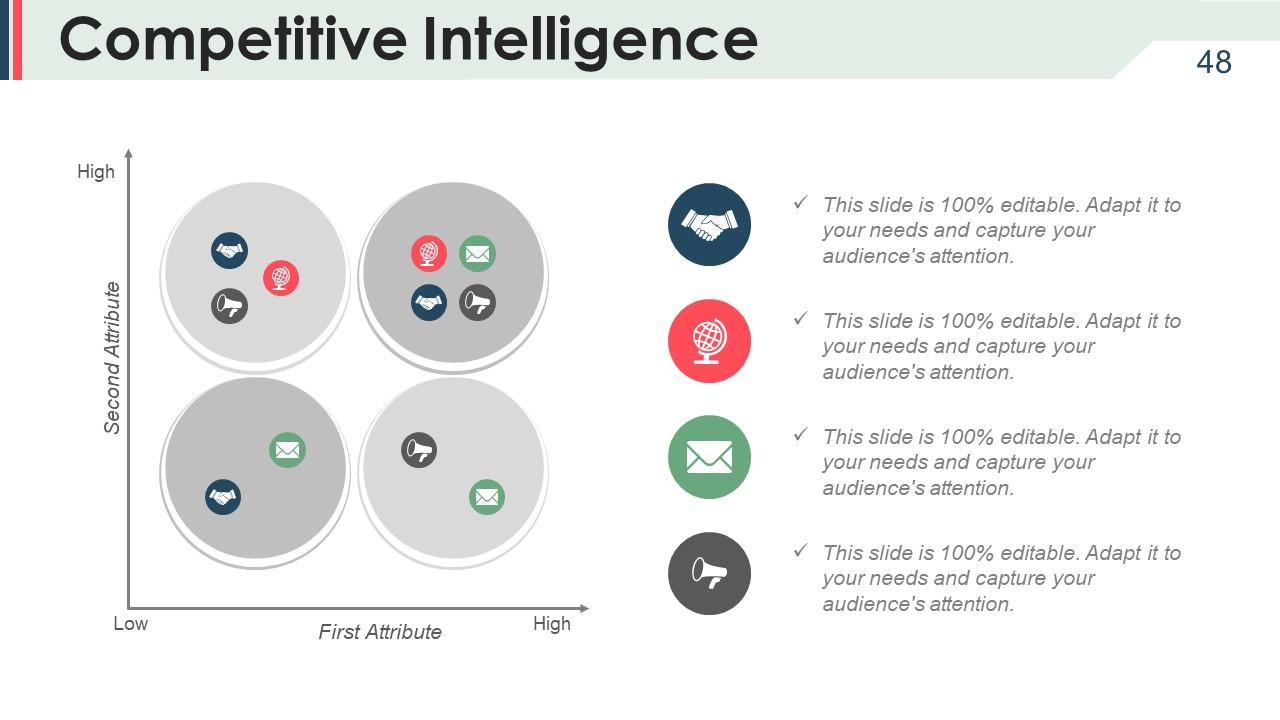
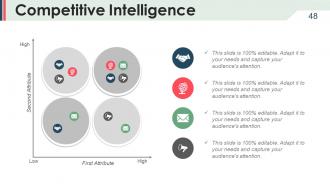
Slide 48: This is a Competitive Intelligence slide in matrix form.
Slide 49: This slide showcases Channel Promotional Events displaying- Press Release, Buy Back Program, Regional Events, Trade Shows, Referral Program.
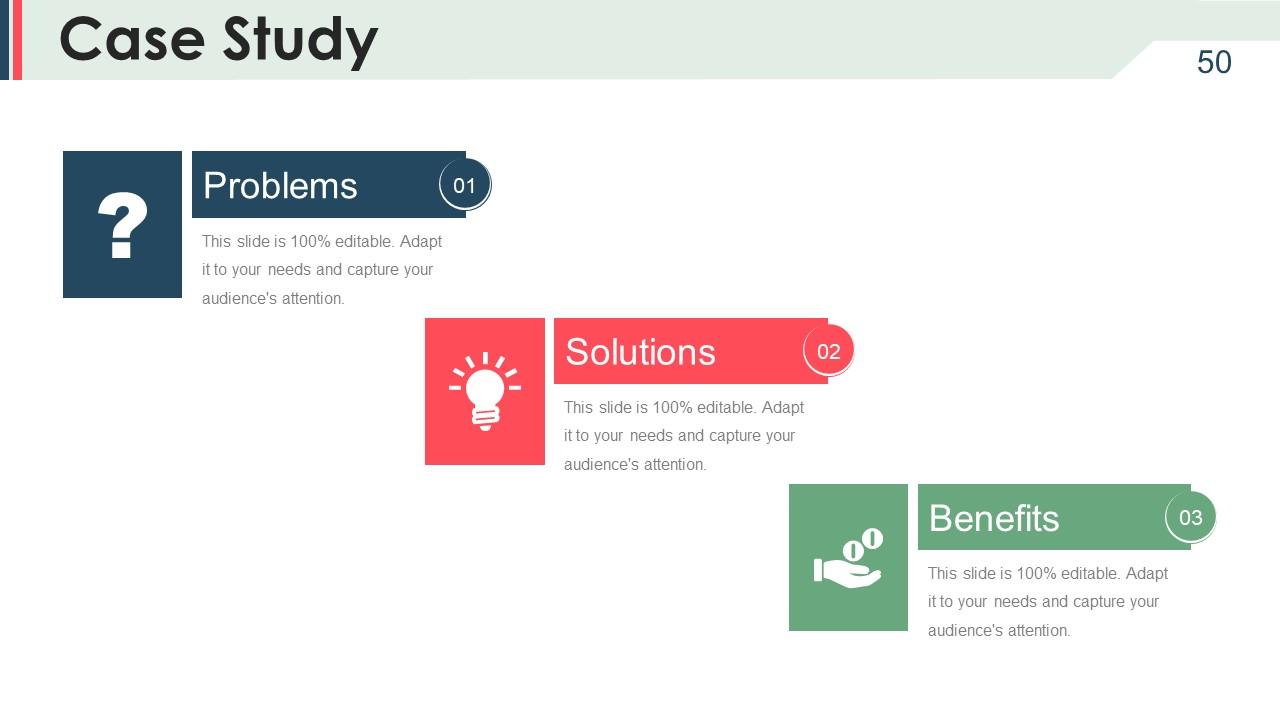
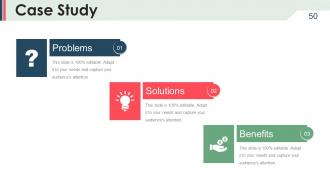
Slide 50: This is a Case Study slide.
Slide 51: This is a Customer Testimonials slide with name and designation to display.
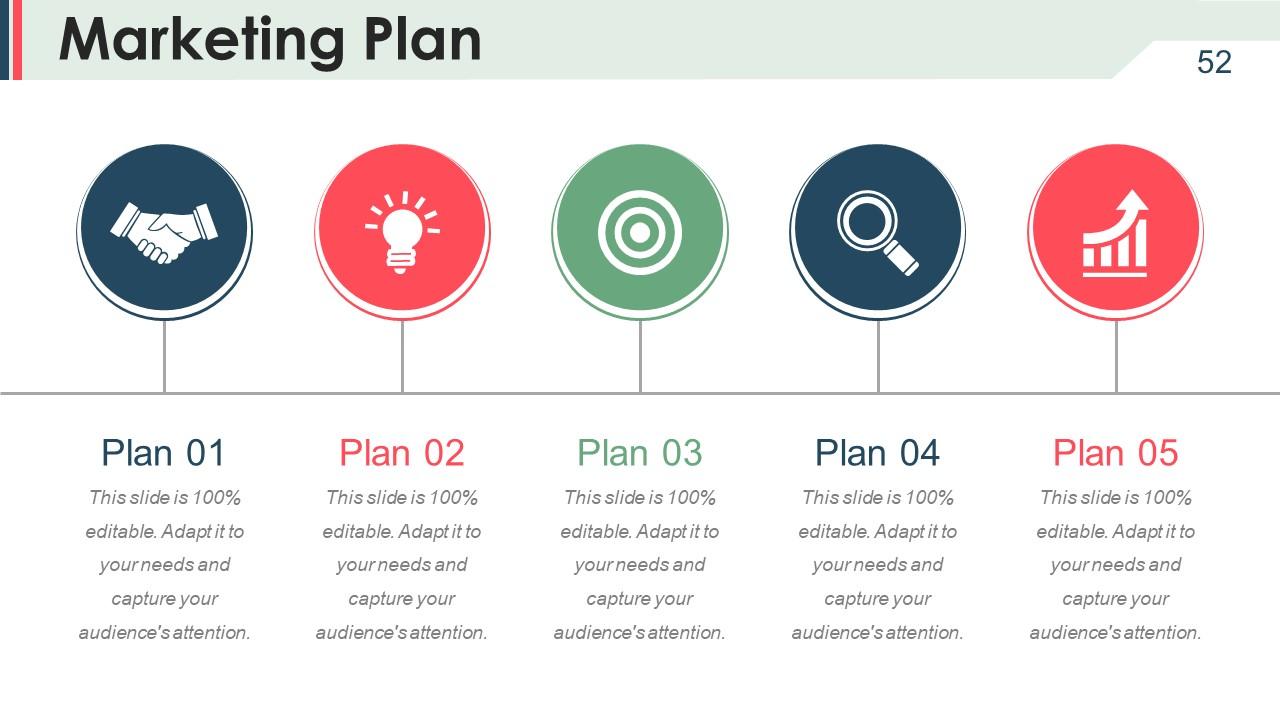
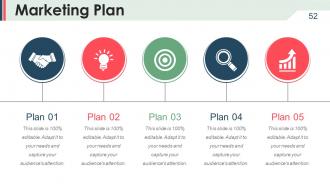
Slide 52: This is a Marketing Plan slide in creative icon imagery form.
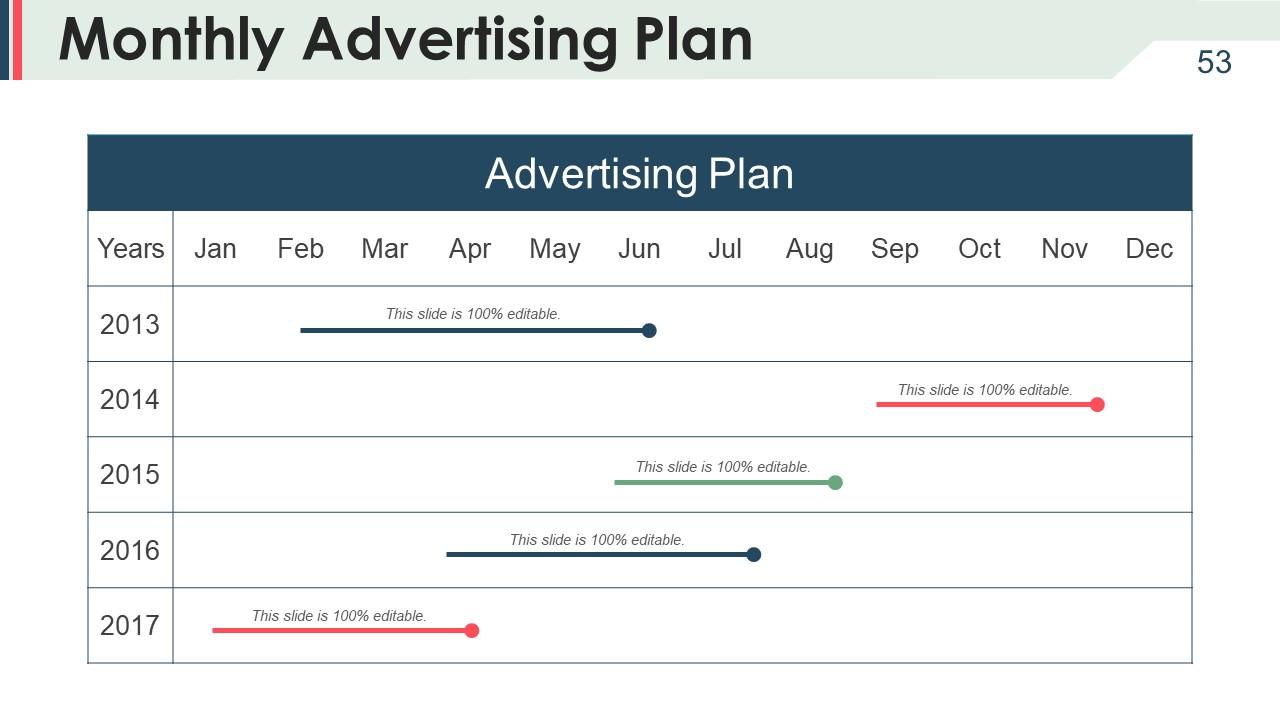
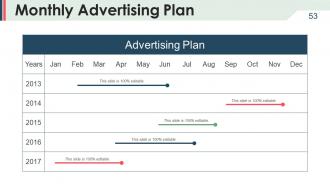
Slide 53: This slide presents a Monthly Advertising Plan.
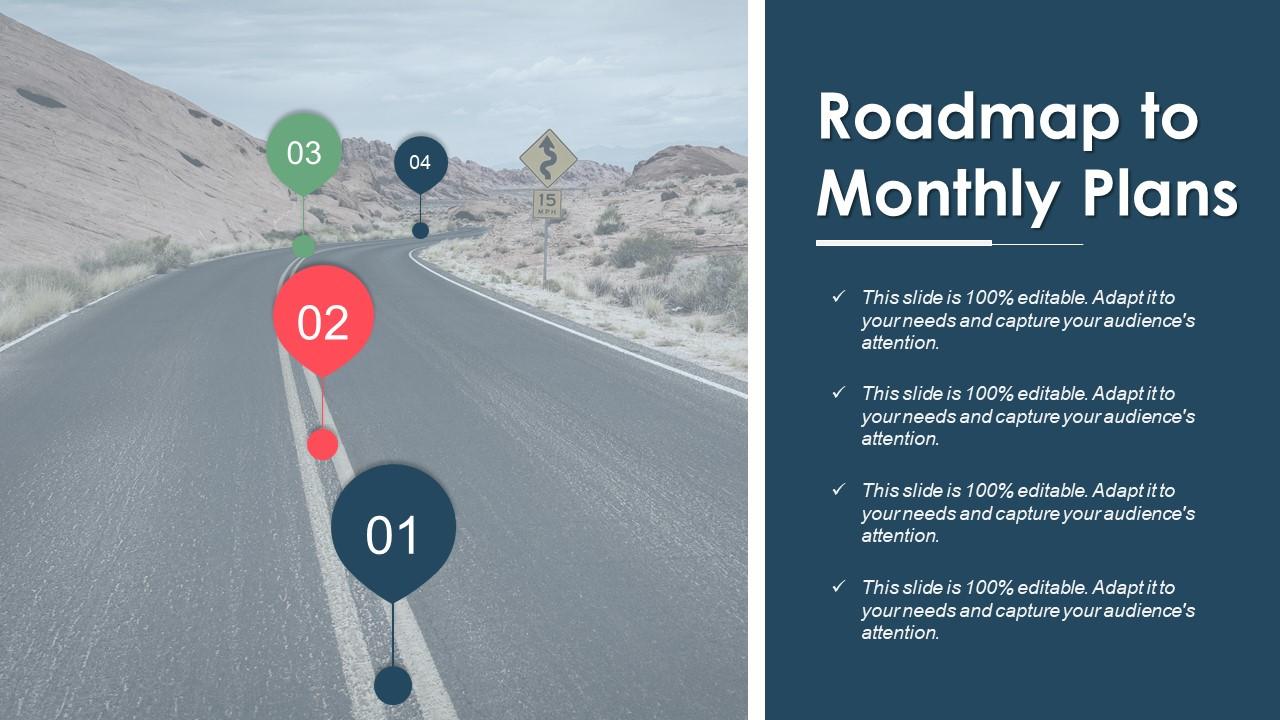
Slide 54: This is a Roadmap To Monthly Plans slide. Present growth, evolution, business journey etc. here.
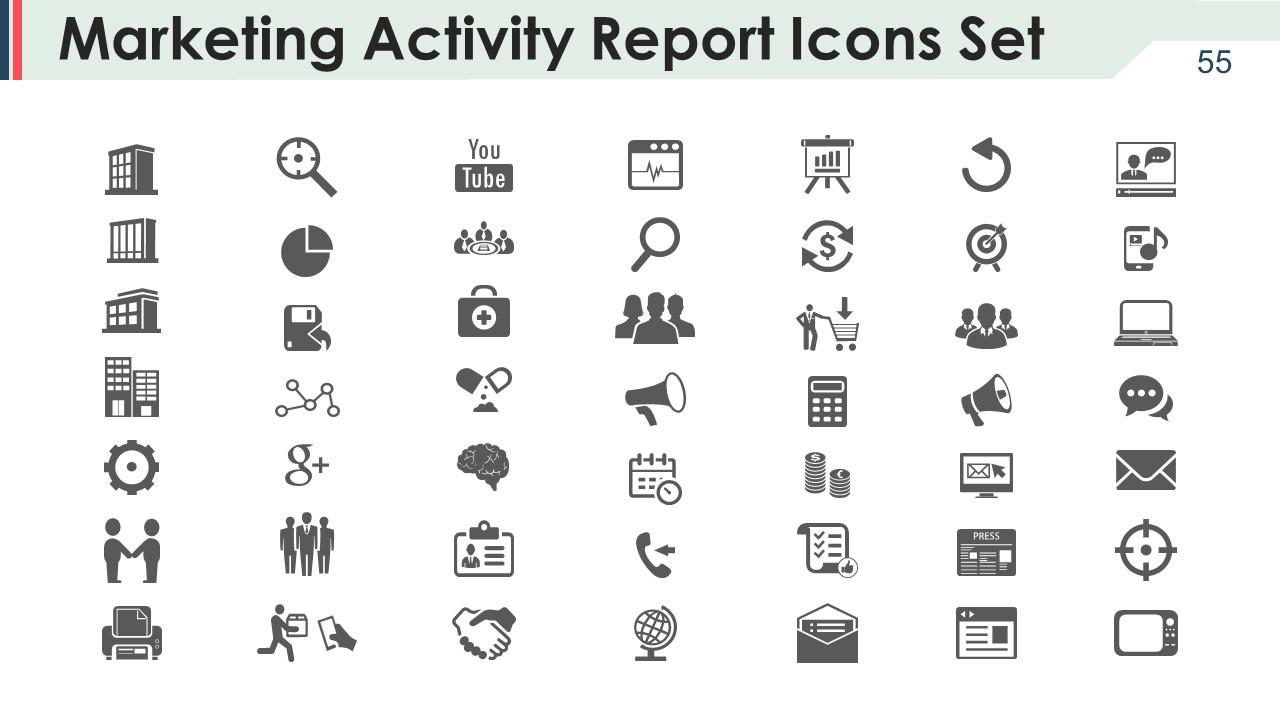
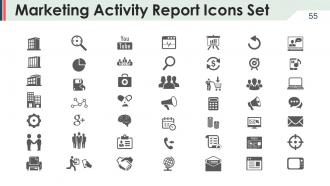
Slide 55: This is Marketing Activity Report Icons Set slide. You may use the icons as per need.
Slide 56: This slide is titled Additional Slides to move forward. You may alter/modify the slide content as per need.
Slide 57: This is Our Mission slide. State its nuances/ details here.
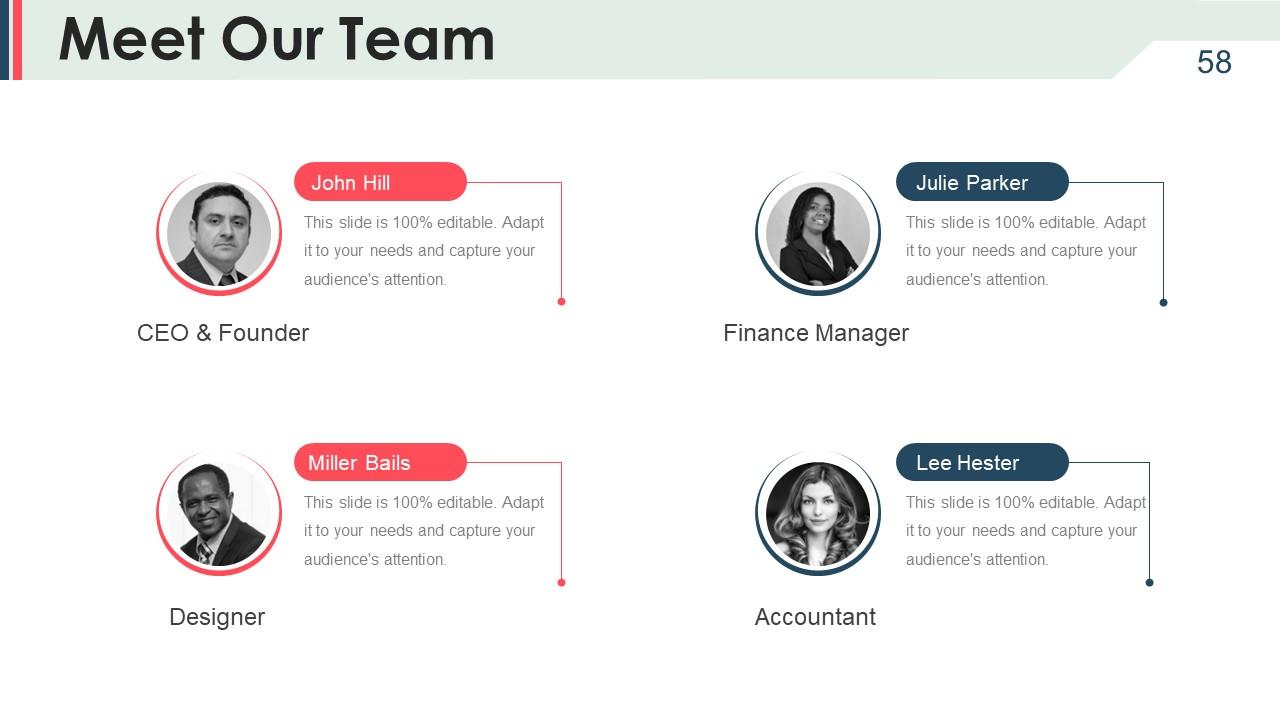
Slide 58: This is Meet Our team slide with name, designation and text boxes to state information.
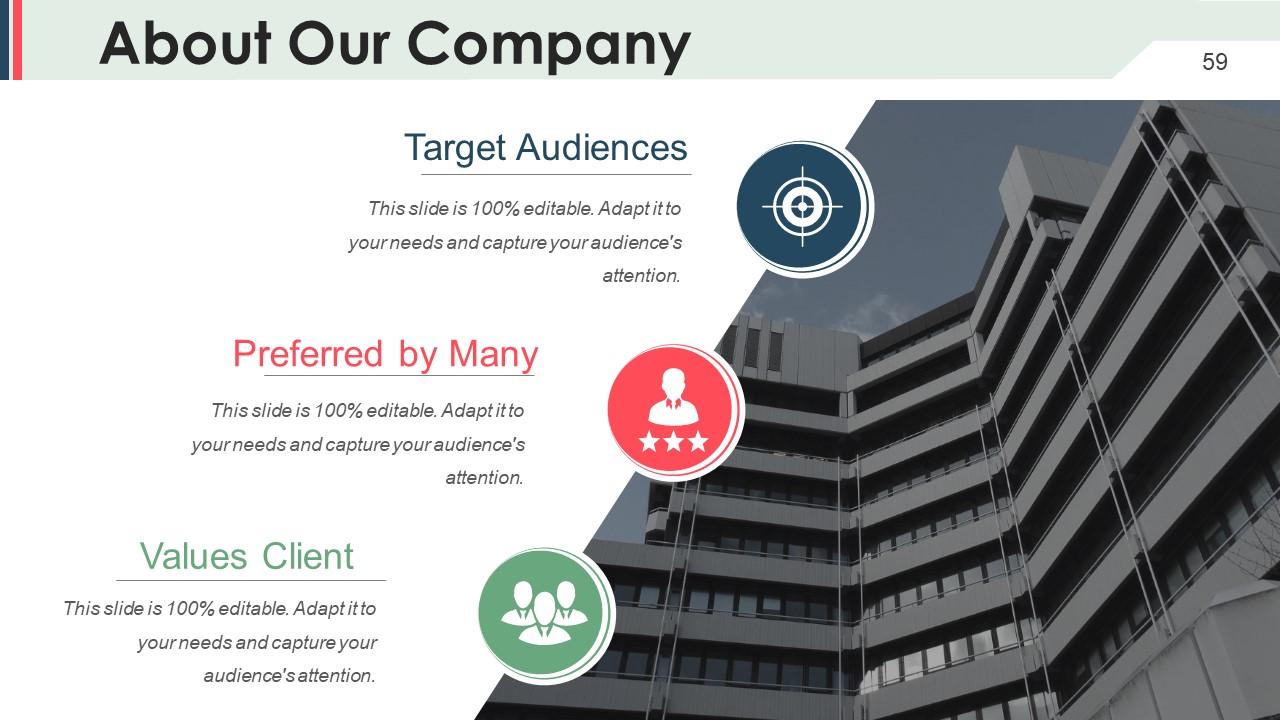
Slide 59: This is an About Our Company slide. State business aspects/about the company facts, figures etc. here.
Slide 60: This is Our Goal slide. State goals, targets etc. here.
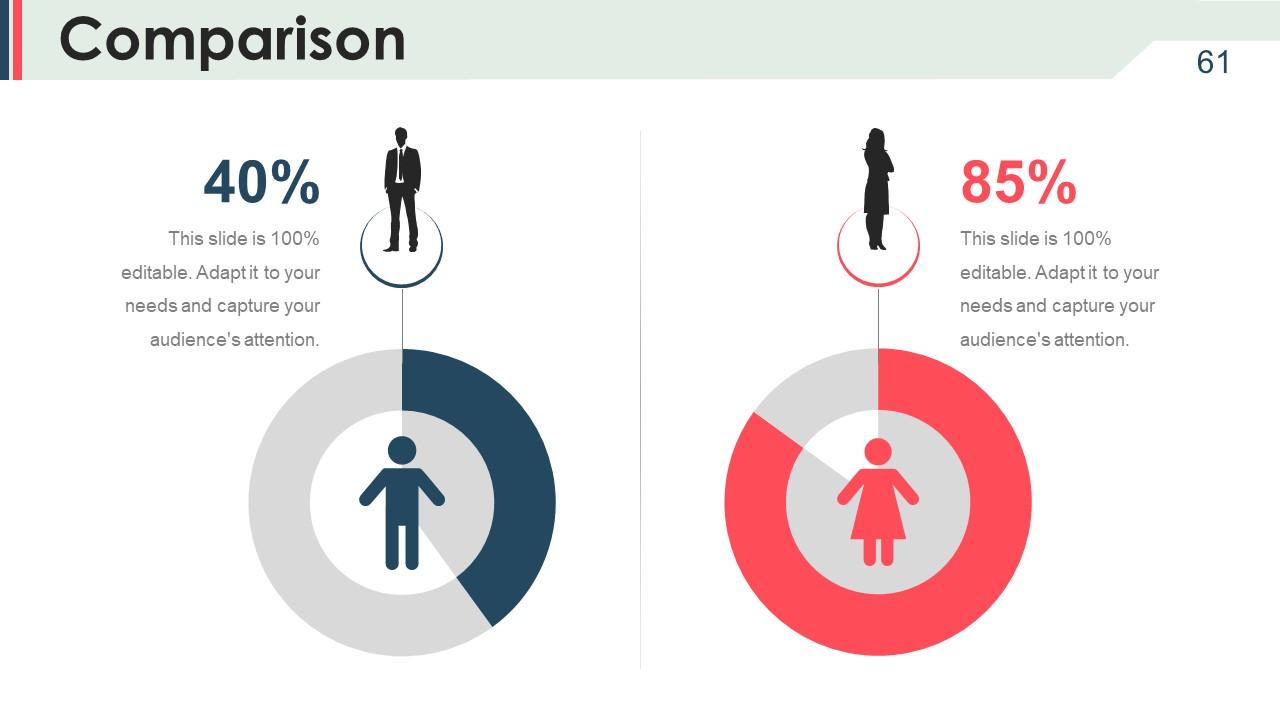
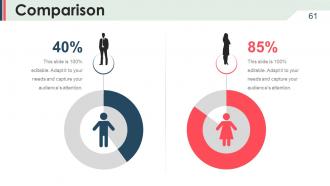
Slide 61: This is a Comparison slide to show comparison, information, specifications etc.
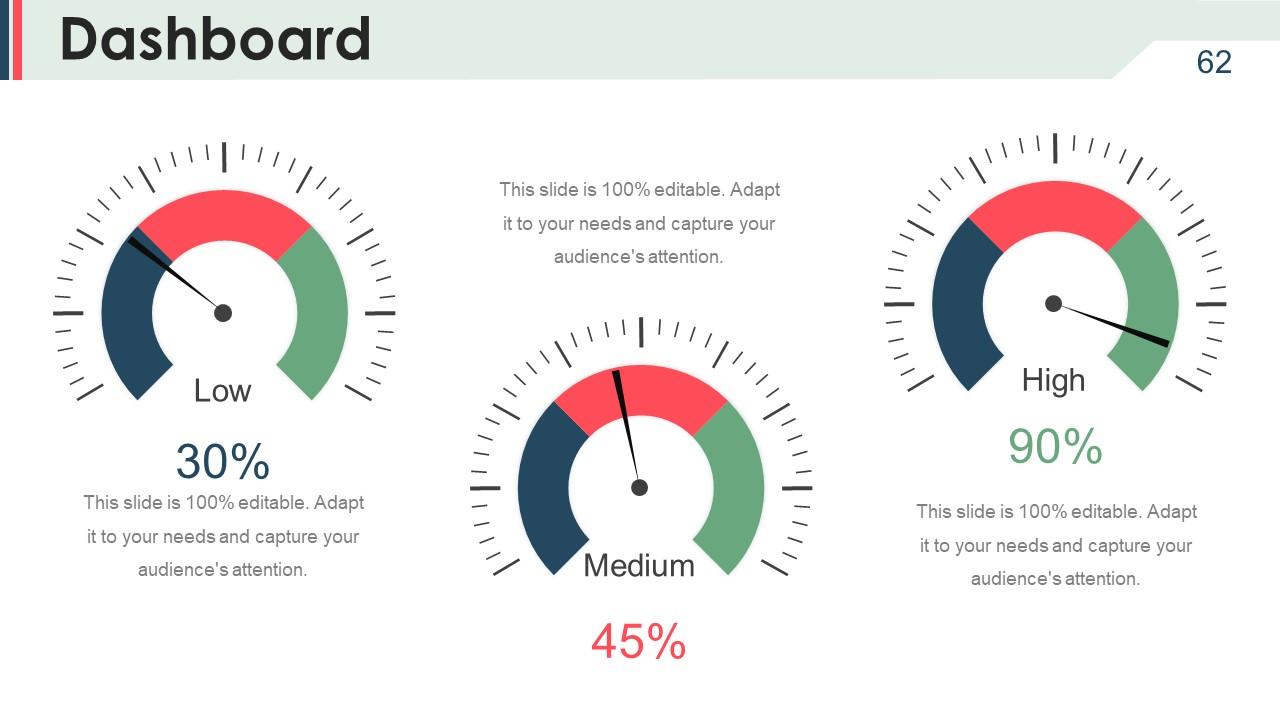
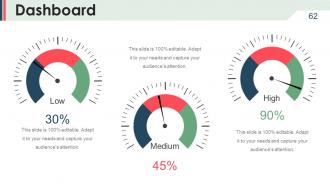
Slide 62: This is a Dashboard slide to state Low, Medium and High aspects, kpis, metrics etc.
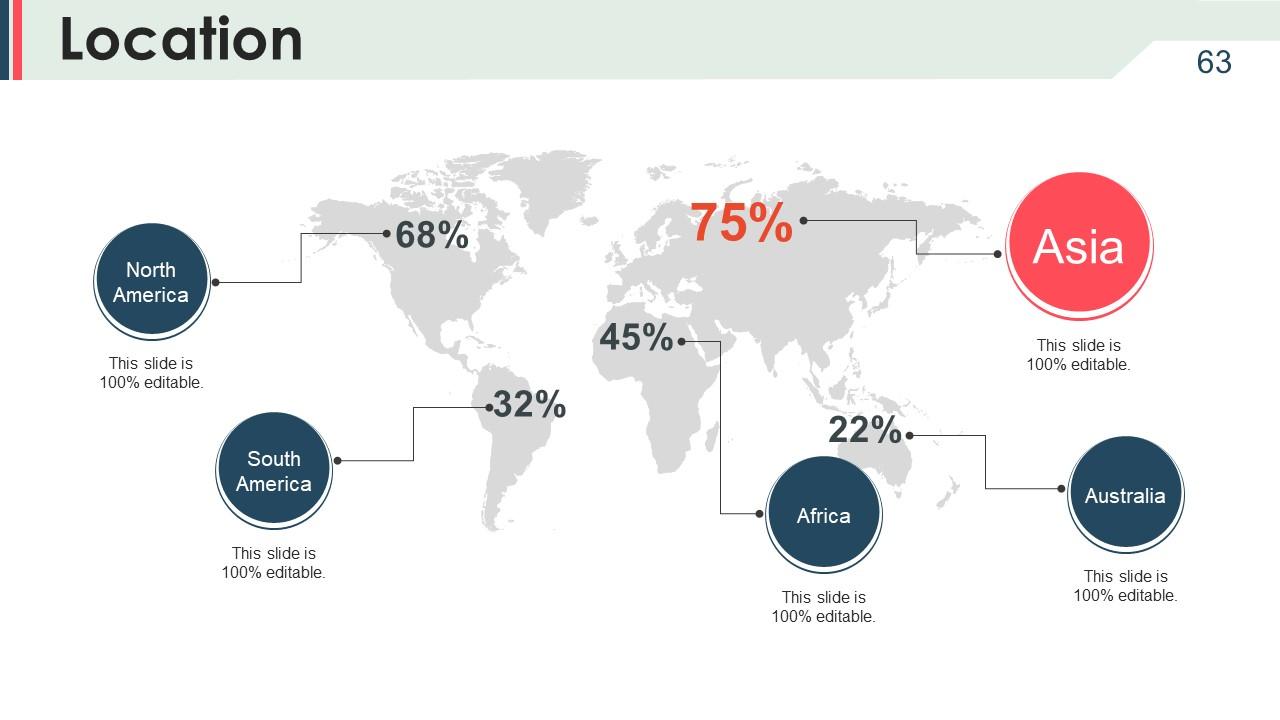
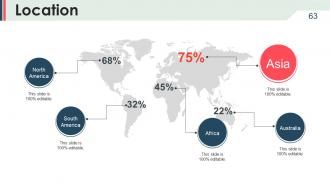
Slide 63: This is a Location slide to show global segregation, presence etc. on a world map and text boxes to make it explicit.
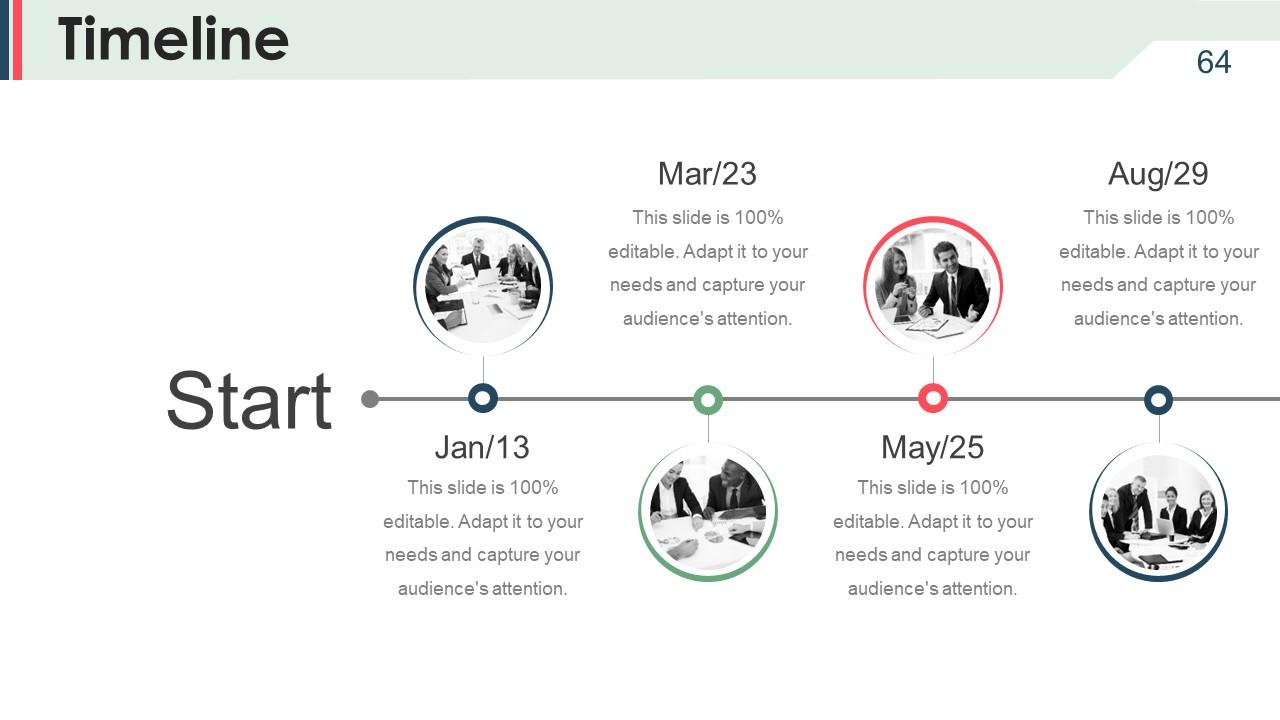
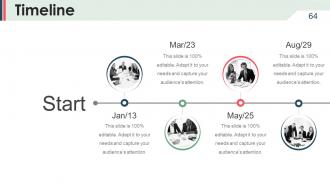
Slide 64: This is a Timeline slide to present important dates, journey, evolution, milestones etc.
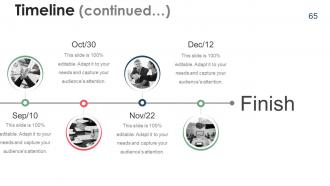
Slide 65: This is a Timeline slide to present important dates, journey, evolution, milestones etc.
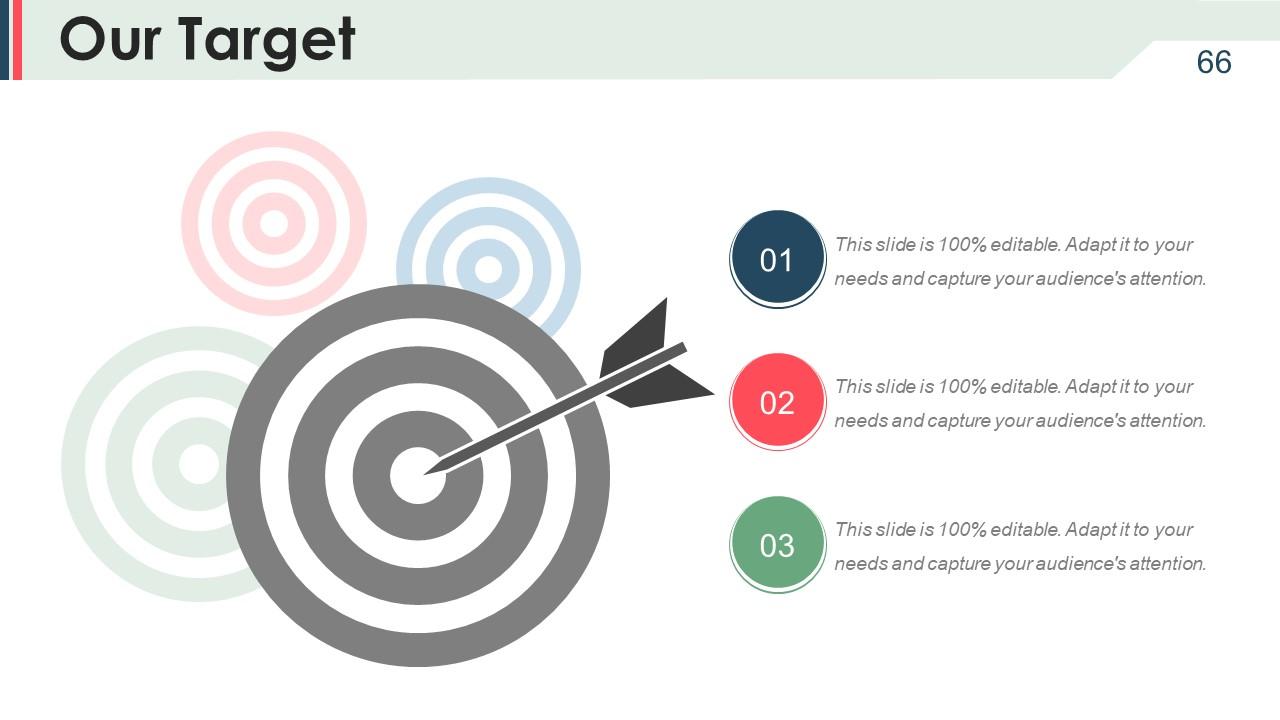
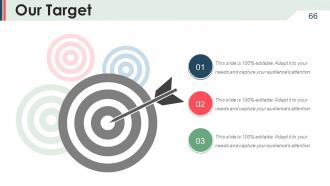
Slide 66: This is Our Target image slide. State targets, etc. here.
Slide 67: This is a Quotes slide. Convey message, beliefs etc. here. You amy change the entire slide content as per need.
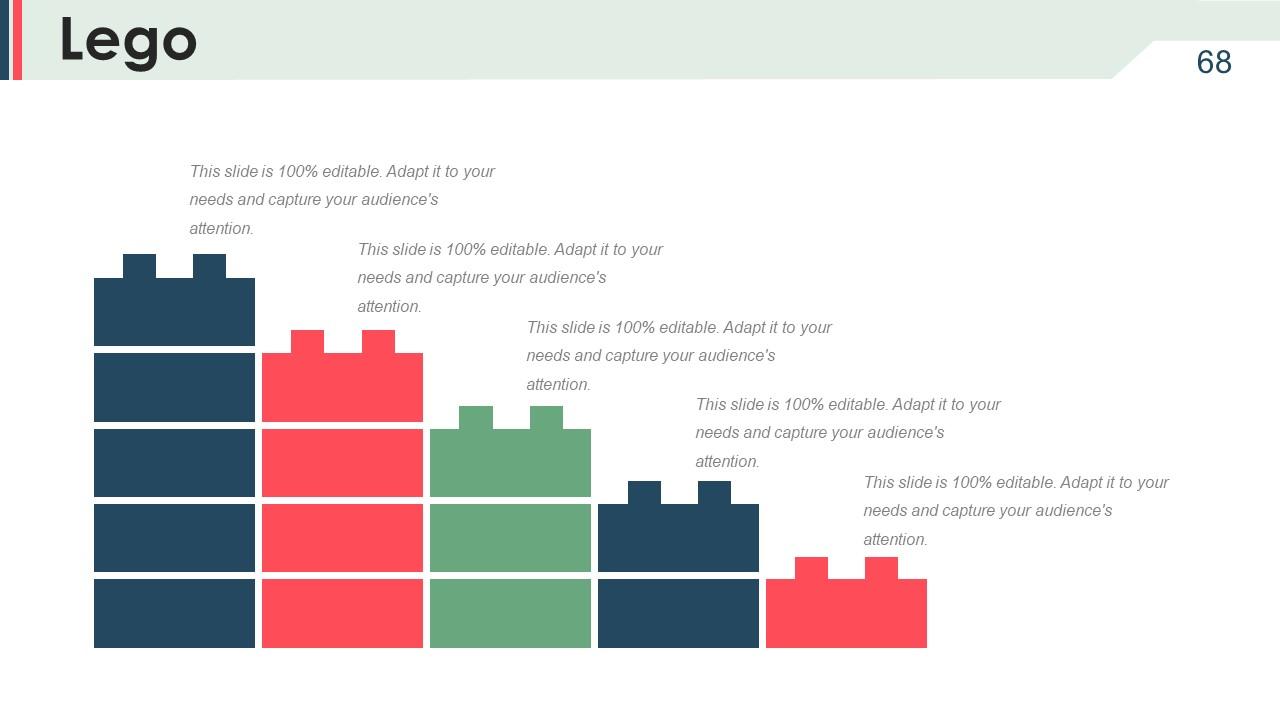
Slide 68: This is a LEGO slide with text boxes to show information, specifications etc.
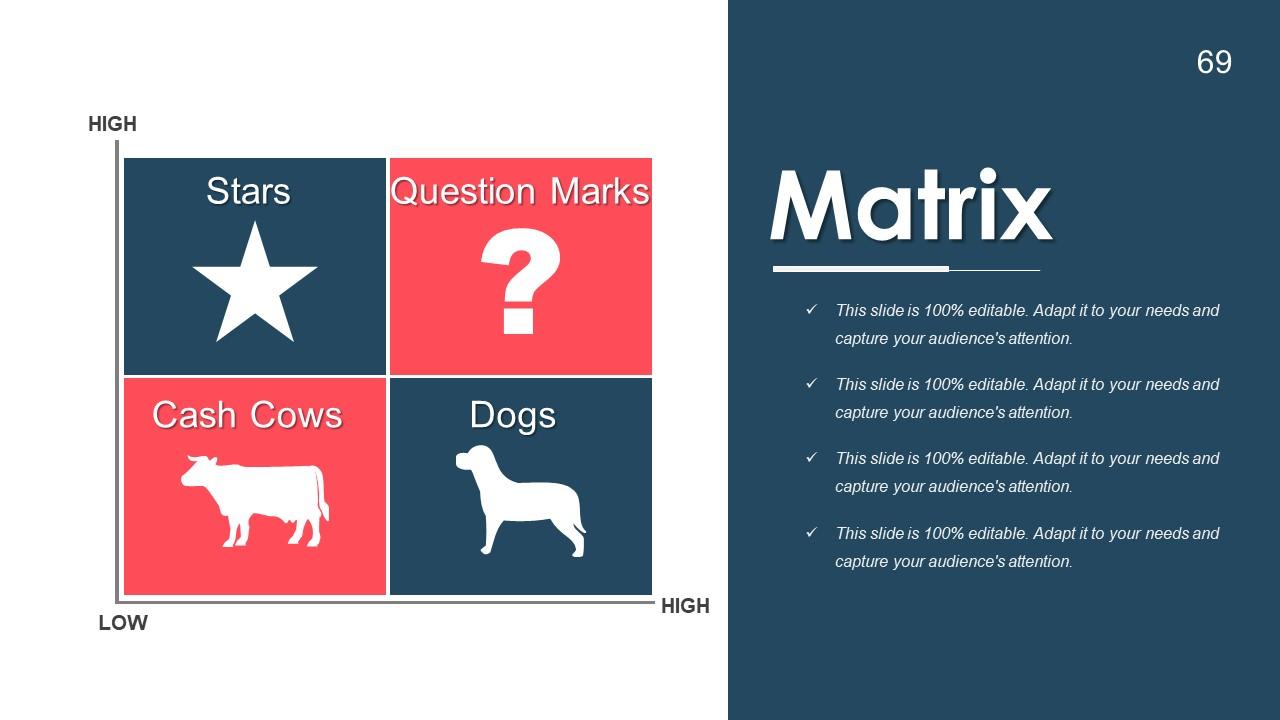
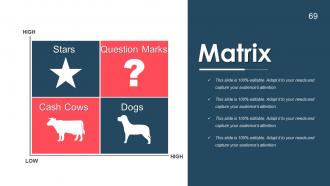
Slide 69: This is a Matrix slide to show information, comparison, specifications etc.
Slide 70: This slide shows Silhouettes with text boxes. State people related information, specifications etc. here.
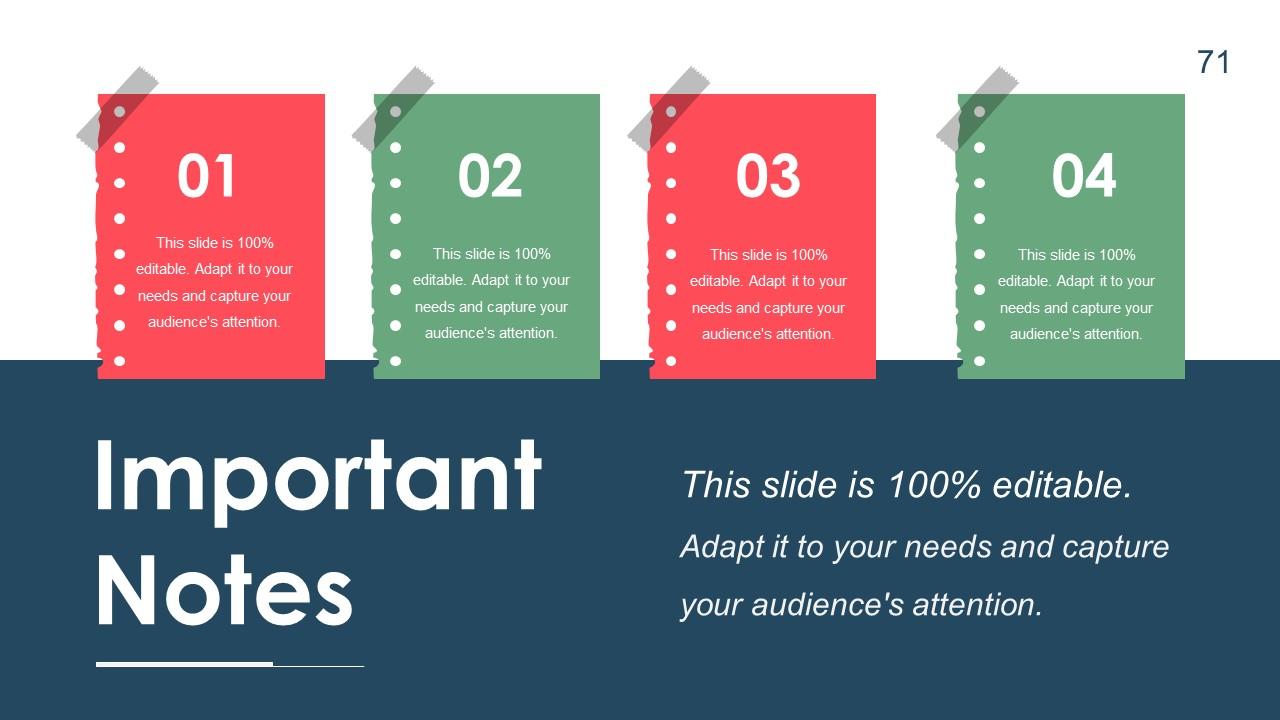
Slide 71: This is an Important Notes slide to mark reminders, events etc.
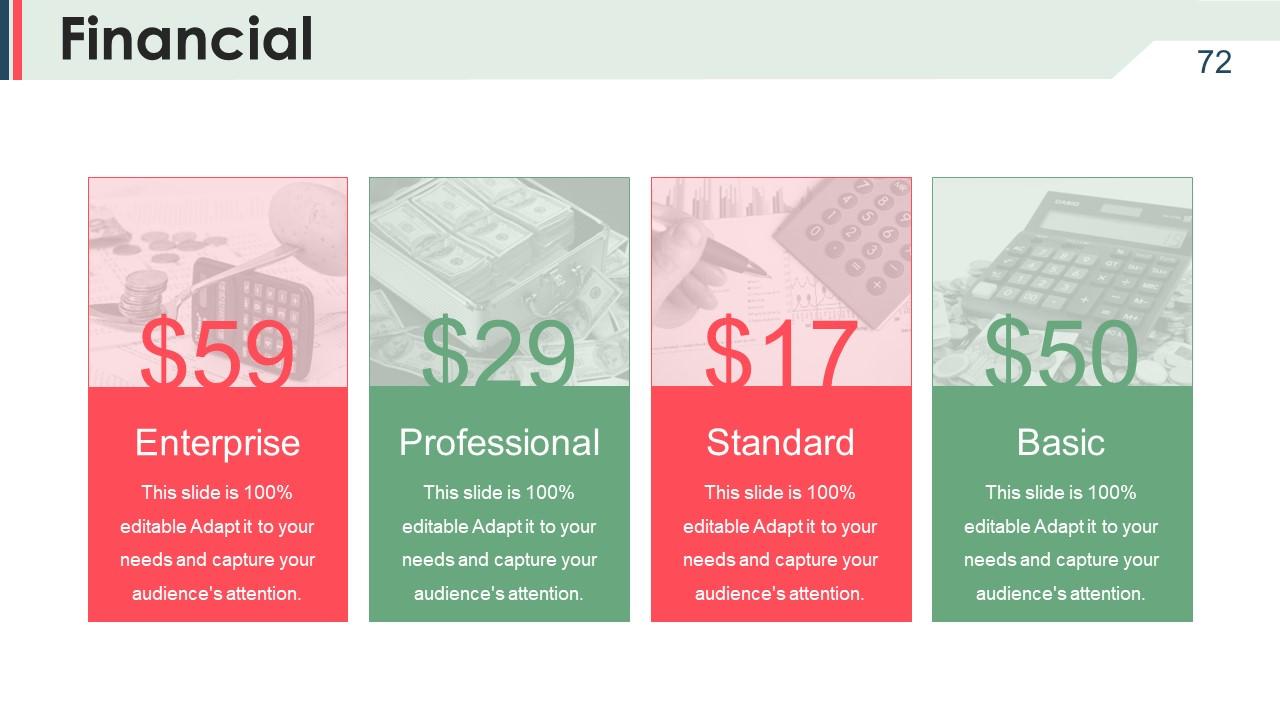
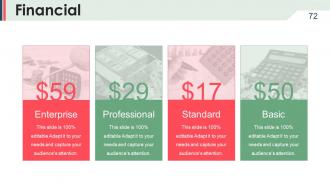
Slide 72: This is a Financial Score slide. State financial aspects etc. here.
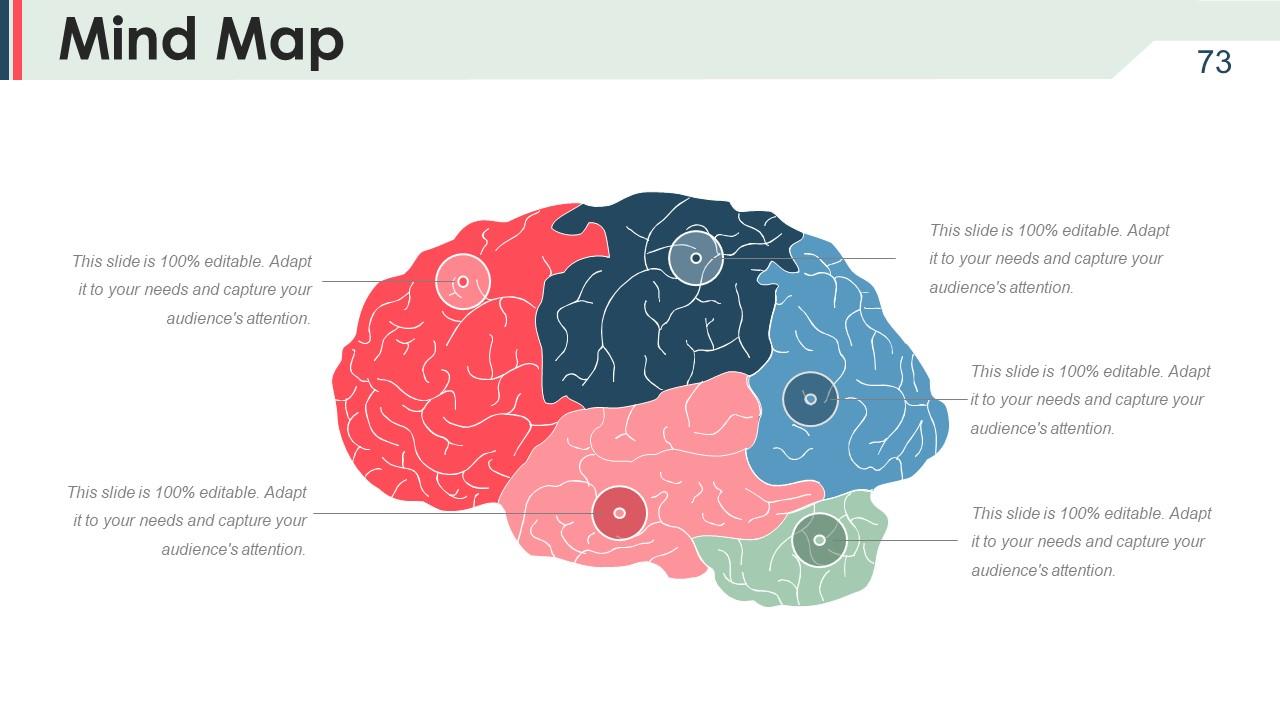
Slide 73: This is a Mind Map image slide to show information, specifications etc.
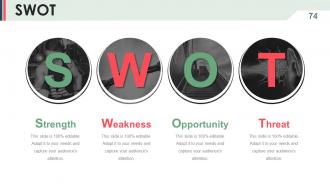
Slide 74: This is a SWOT Analysis slide.
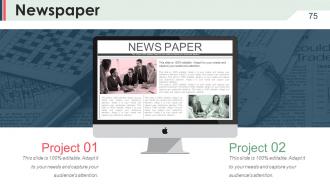
Slide 75: This is a Newspaper slide to show important information etc. You may alter the slide content as per need.
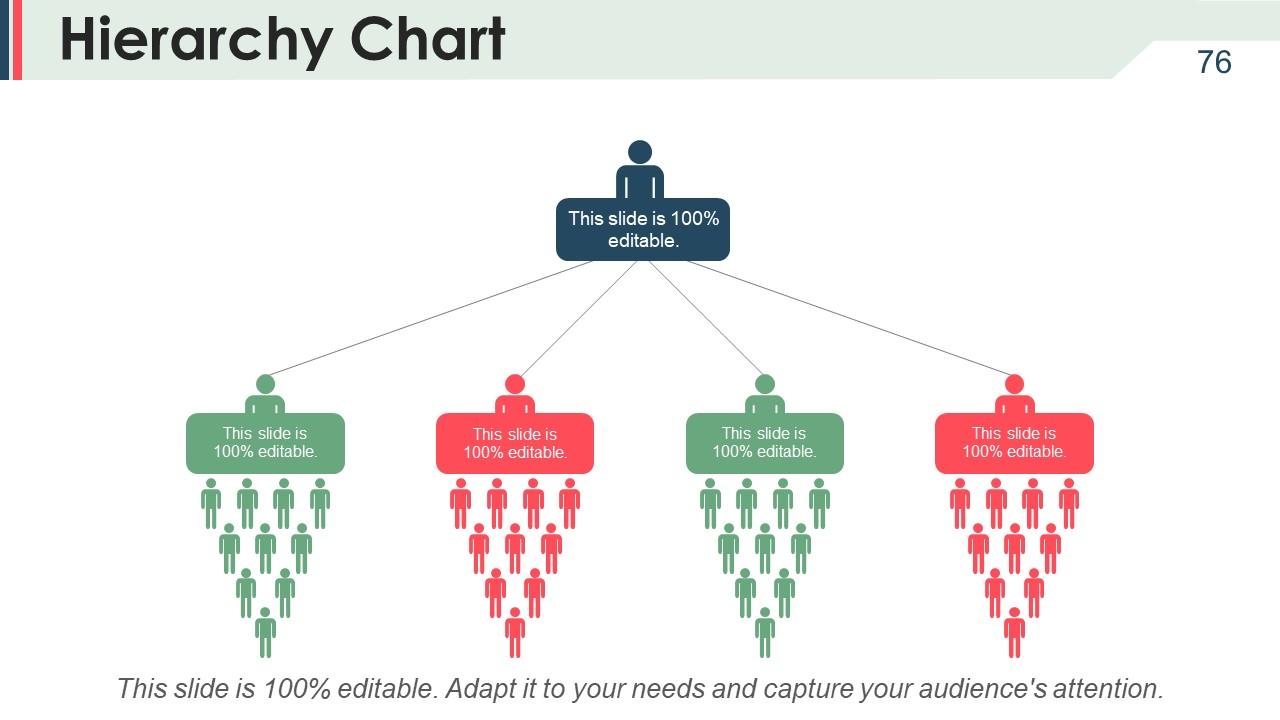
Slide 76: This is a Hierarchy Chart slide with text boxes to show information, organization/team specifications etc.
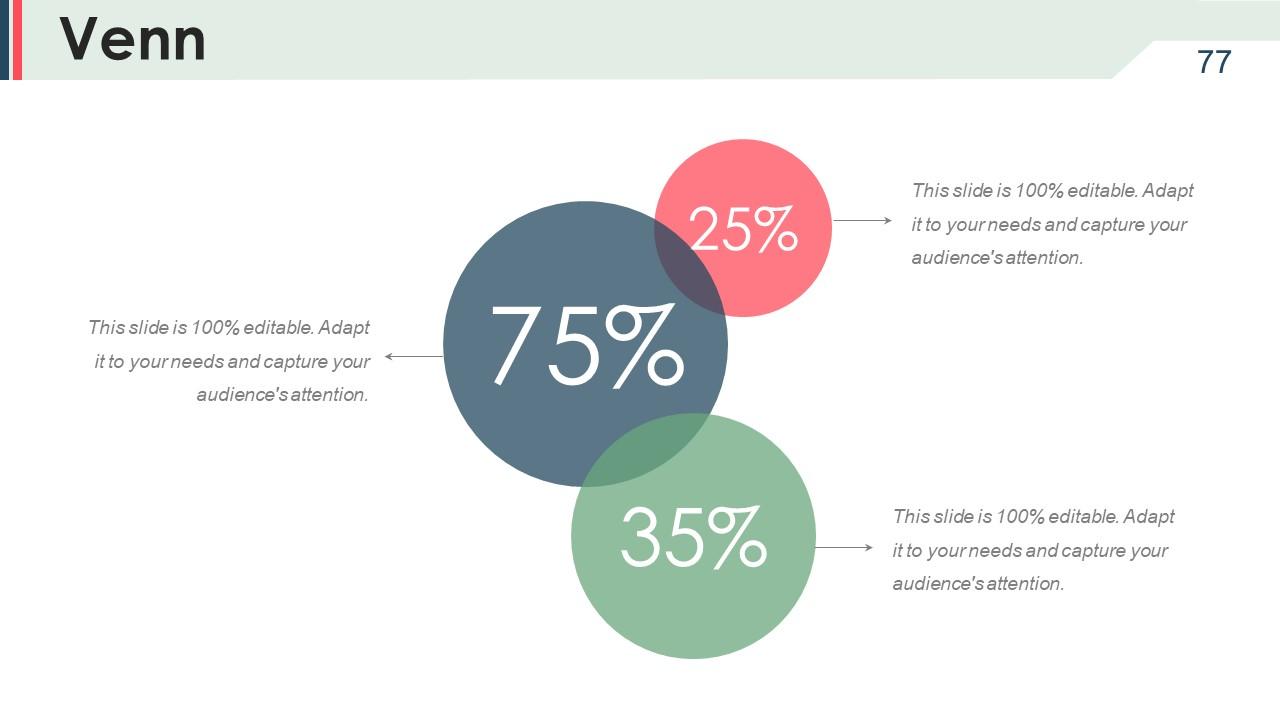
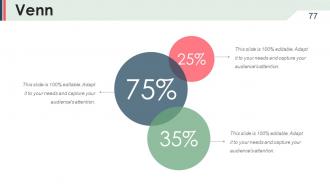
Slide 77: This is a Venn diagram image slide. State information, specifications etc. here.
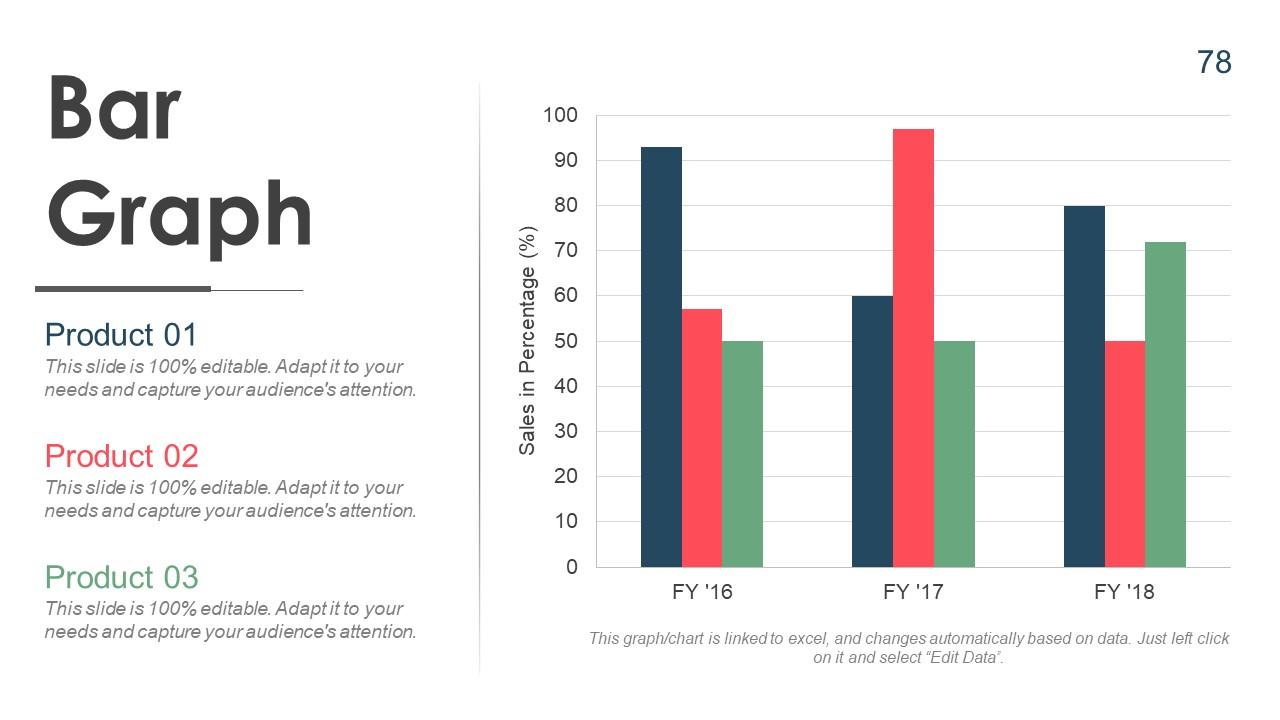
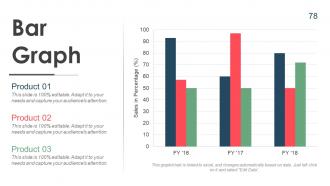
Slide 78: This is a Bar Graph slide to show product/entity comparison, specifications etc.
Slide 79: This is a Magnifying Glass image slide to show information, specifications etc.
Slide 80: This is a Thank You slide with Email Address, Address# street number, city, state, Contact Numbers.
Company marketing analysis report powerpoint presentation slides with all 80 slides:
Handle haphazard attempts with our Company Marketing Analysis Report Powerpoint Presentation Slides. Get folks to indulge in a concentrated effort.
-
The content is very helpful from business point of view.
-
Appreciate the research and its presentable format.
