


Marketing Environment Powerpoint PPT Template Bundles




Try Before you Buy Download Free Sample Product
 Impress Your
 Audience
 100%
100% Editable
 Save Hours
 of Time


Introducing our comprehensive PowerPoint PPT presentation on Marketing Environment This dynamic resource offers a deep dive into the crucial aspects of both micro and macro marketing. Dive into the world of market research and learn how it forms the foundation for successful marketing strategies. Uncover the significance of environmental scanning and how it helps businesses identify opportunities and threats in the ever-changing market landscape. Our PPT expertly covers key concepts, such as consumer behavior, competitive analysis, and market segmentation, providing a holistic understanding of the marketing environment. Engage your audience with visually appealing slides, informative content, and actionable insights. Equip yourself with the knowledge needed to navigate the complexities of todays marketing landscape and gain a competitive edge.
People who downloaded this PowerPoint presentation also viewed the following :
Marketing Environment Powerpoint PPT Template Bundles with all 22 slides:
Use our Marketing Environment Powerpoint PPT Template Bundles to effectively help you save your valuable time. They are readymade to fit into any presentation structure.
-
Marketing Environment
-

Marketing environmental strategic analysis tool
-

Impact of marketing environmental factors on customers
-
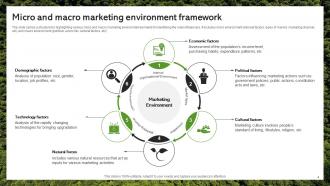
Micro and macro marketing environment framework
-

Various elements of micro marketing environment
-

Key components of marketing environment structure
-
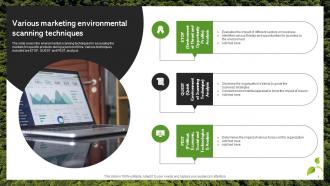
Various marketing environmental scanning techniques
-

PESTEL marketing environmental analysis tool
-
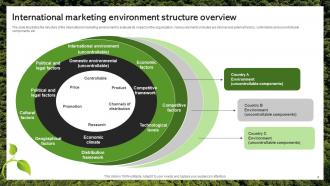
International marketing environment structure overview
-

Environmental forces influencing international marketing
-

Internal and external marketing environment framework
-

Marketing environmental scanning for beverage company
-

Macro marketing environment factors overview
-

Marketing ecology and environmental forces icon
-
Marketing environment research analysis icon
-
Icon for factors affecting brand marketing environment
-

Marketing Environment
-

-

-

-

-

FAQs for Marketing Environment Powerpoint
So there's two levels to watch - micro and macro stuff. Micro is your direct contacts: customers, competitors, suppliers, distributors. Macro covers the big picture like economic trends, tech changes, cultural shifts, regulations. Everything's connected though! When the economy tanks, customers spend less, competitors pivot, then your supplier deals get weird. I'd do quarterly check-ins on both levels since changes ripple everywhere. Actually, I learned this the hard way when we missed a tech shift that completely changed our industry dynamics. Worth staying on top of.
Honestly, the economy basically controls everything about how you price and market stuff. Good times? Go premium, talk lifestyle benefits. Recession hits? Switch to value messaging fast - people want practical benefits and affordability. Inflation's the worst though - sometimes you're better off shrinking package sizes than jacking up prices. Your messaging needs to be flexible, and so does your budget. Watch those economic indicators closely so you can pivot before everyone else figures it out. It's all about timing really.
Honestly, consumer behavior is what makes or breaks your marketing game. When people start shopping differently or caring about new stuff, you've gotta pivot fast. Look at mobile - that basically turned retail upside down overnight. People's preferences don't just affect your campaigns either, they bring in new competitors and push tech innovation too. The whole sustainability thing is a perfect example of how consumer values can reshape entire markets. I'd say watch those behavioral trends like a hawk - they'll tell you where things are heading way before anyone else catches on.
Dude, the tracking capabilities now are honestly insane - you can follow someone's entire journey from first click to purchase. Real-time analytics, personalized targeting, instant feedback loops that barely existed five years ago. But here's the flip side: everyone's drowning in info and has zero attention span. Your messaging has to be razor sharp or you're toast. The brands crushing it right now? They're using AI for personalization but somehow still feel human. Oh and probably worth checking which tech tools you're actually using vs just bleeding money on subscriptions you forgot about.
Honestly, your competitors are gonna keep you on your toes whether you like it or not. Watch what they're pricing, when they launch stuff, how they're talking to customers. But here's the thing - don't just copy them like everyone else does. Look for the gaps they're missing instead. I set up Google alerts for my main competitors (probably check them too much tbh) and do a deeper dive every few months. You want to stay informed without going crazy obsessing over every move they make. It's more about finding your own angle than playing copycat.
So basically split it into two parts - what's happening inside your company (strengths, weaknesses, resources) versus outside stuff like competitors and market conditions. SWOT analysis is kinda outdated but honestly? Still works pretty well for the overview. After that, dig into who you're competing against and how customers actually behave. Oh and don't just do this once and forget about it - that's where most people mess up. I'd say quick monthly checks work, then go deeper every quarter. Markets change way too fast these days to wing it.
Honestly, understanding your audience's cultural background and values is everything in marketing. People's spending habits are shaped by their beliefs, age, and lifestyle trends - you can't ignore that stuff. Take luxury cars, for example. Baby boomers and millennials will respond to completely different messaging. Your whole approach changes based on who you're targeting - the channels you pick, how you position products, even your tone. Cultural shifts happen fast too, so you've got to stay aware or risk looking totally out of touch with what people actually care about.
Oh man, regulations totally mess with your marketing game. Pharma companies can't just throw around health claims without FDA breathing down their necks. Financial stuff? You're stuck with those mind-numbing disclosure statements everywhere. Food labels need nutrition facts, and don't get me started on GDPR - that privacy law flipped data collection upside down for tech companies. Even basic email marketing has CAN-SPAM rules now. Honestly, the smartest thing you can do is bake compliance right into your strategy from the start. Way better than scrambling to fix everything later when you're already in trouble.
Oh dude, start with PESTLE analysis - that's Political, Economic, Social, Technological, Legal, Environmental stuff. Covers like 80% of what you need. SWOT's solid too for internal strengths/weaknesses and external threats. Porter's Five Forces helps with competitive stuff but honestly it can get kinda dense. Quick competitor analysis is always smart. Customer segmentation studies are useful but maybe save those for later? I'd just dive into PESTLE first since it's super straightforward and hits all the big external factors that'll actually mess with your marketing strategy. Way less overwhelming than trying to do everything at once.
Ugh, global stuff totally messes with local marketing - it's crazy how fast things change! Like when COVID hit, people's spending habits flipped overnight. Your messaging can suddenly sound completely wrong. I've watched brands scramble to redo entire campaigns because of this. You'll want to stay on top of world events and keep your plans flexible. Have some crisis templates ready to go. Short sentences work better when everything's chaotic. The key is setting up quick decision processes so you can pivot fast - and trust me, you will need to pivot. World events are basically guaranteed curveballs at this point.
So here's the thing - people's buying habits totally shift with the seasons, and you've gotta plan your marketing around that. Nobody's shopping for winter coats in May, right? Instead, they're booking summer trips and buying swimwear. I learned this the hard way when I launched a campaign at completely the wrong time once. Anyway, the smart move is getting ahead of these patterns. Beach resorts start their "escape the winter blues" ads in December. Gyms go all-in on New Year's resolution messaging in late December. Map out when your customers are actually thinking about your product and plan campaigns way ahead of time.
Honestly, going green isn't optional anymore if you want customers to actually buy your stuff. People will straight up boycott brands they think are trashing the planet - it's wild how much they care now. So yeah, you've gotta weave environmental messaging into everything you do. But here's the thing: don't fake it. Customers can spot greenwashing instantly and they'll roast you for it. Instead, figure out what sustainable things you're already doing - maybe it's your packaging or supply chain - then tell real stories about that. Your entire product lifecycle becomes content now. Skip the fake "eco" labels and just be honest about your impact.
Check your audience data every few months and adjust everything - messaging, where you post, even your products. Your crowd getting older? Time to ditch TikTok for Facebook (ugh, I know). Income shifts matter too, plus lifestyle changes and what's trending culturally. Gen Z growing? They want authentic stuff and values-driven content, not corporate BS. Mobile-first is huge for them. Don't wait until you're irrelevant to pivot - that's way harder to recover from. Set quarterly reviews so you catch these shifts early. Better to adapt your tone and ad spend before your competitors do.
Honestly, you've gotta spread your bets around - don't put everything in one political basket. Make friends with local officials and stakeholders (networking is annoying but it works). Diversify supply chains across regions so if one place goes sideways, you're not toast. Skip the international news sometimes and dig into local sources instead - that's where the real intel is. Partner with companies who actually know the local scene. Oh, and have backup plans ready before shit hits the fan. Exit strategies, alternative markets, the whole nine yards. Trust me on this one.
Dude, analytics is seriously a game-changer for marketing stuff. You'll be able to see what your customers are actually doing instead of just guessing. Track your competitors too - like what campaigns they're running and whether they're working. The trend-spotting thing is probably my favorite part though, you can catch stuff before everyone else jumps on it. Oh and you can figure out how to split up your audience properly, plus predict if economic weirdness will mess with your campaigns. I'd say start small - just pick one thing you really want to understand and go deep on that first. Way less overwhelming.
-
They helped us design the pamphlets for our church’s food drive! The people loved the design, and I’m happy to say it was successful. Thank you, SlideTeam!
-
I am glad to have come across Slideteam. I was searching for some unique presentations and templates for my business. There are a lot of alternatives available here.