


Merchandising Plan Powerpoint Ppt Template Bundles




Try Before you Buy Download Free Sample Product
 Impress Your
 Audience
 100%
100% Editable
 Save Hours
 of Time


Our Merchandising Plan Powerpoint Ppt Template Bundles are topically designed to provide an attractive backdrop to any subject. Use them to look like a presentation pro.
People who downloaded this PowerPoint presentation also viewed the following :
Merchandising Plan Powerpoint Ppt Template Bundles with all 19 slides:
Use our Merchandising Plan Powerpoint Ppt Template Bundles to effectively help you save your valuable time. They are readymade to fit into any presentation structure.
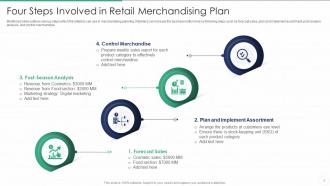
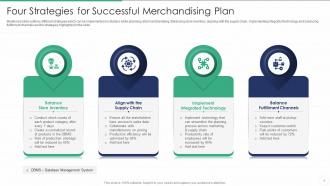
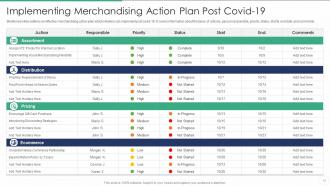
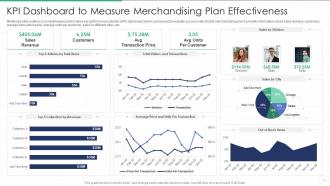





FAQs for Merchandising Plan Powerpoint
So you'll need product assortment planning, inventory management, pricing strategy, and visual presentation guidelines. Sales forecasting and promotional calendars are huge too. Space allocation for different categories matters more than people think. Start with mapping your product mix - that's your foundation. Then build the timing and promotional stuff around it. Visual presentation is honestly where most plans totally bomb, but nail that and you'll see the difference in sales. Don't forget seasonal adjustments and tracking your performance metrics. Oh, and maybe grab coffee before diving into this - it's a lot to tackle at once.
Honestly, market research is like your secret weapon for merchandising. It shows you what customers actually want (not what you think they want), helps you nail pricing, and spots those seasonal trends. Plus you can find gaps where competitors are totally missing the mark - I love when that happens. Without it, you're just throwing stuff at the wall and hoping something sticks. Start by really digging into how your target customers shop and what they're into. Then build everything around those insights. Way better than guessing and crossing your fingers, trust me.
So basically, seasonal analysis is like figuring out when people actually want to buy stuff. You look at your old sales data to spot patterns - like how everyone goes crazy for winter coats in October but you can't give them away by March. Pretty obvious when you think about it, but you'd be surprised how many stores mess this up. Pull your monthly reports from last year and see where the spikes happen. That way you're not stuck with a warehouse full of swimsuits when it's snowing, or scrambling to restock sunscreen in May when everyone's planning beach trips.
Look at your sales from the last year or so - what actually sells vs what just sits there collecting dust? Check profit margins and if stuff moves seasonally. Your customers matter too - families buy different things than business people or tourists, obviously. I'd go with maybe 80% stuff you know works and 20% new experiments. Don't go crazy with new inventory right away though. Test small amounts first. Your store size and buying power will limit things anyway. Honestly, most people don't review their mix enough - do it every few months based on what's actually happening.
Track your sales and conversion rates first - that's the obvious stuff. Inventory turnover matters too because dead stock is just money sitting there doing nothing. I'd also watch gross margins since profitable sales beat high volume any day. Customer behavior like how long people hang out in certain areas and average basket size tells you a lot. Oh, and definitely compare your forecasts to what actually happened - that's how you get better at this whole planning thing. Maybe set up a simple monthly report so you're not flying blind between quarters.
So you've got your data and buying plans figured out, right? Visual merchandising basically takes all that and makes it actually work in your space. Your hero products and seasonal stuff - that's what you want to highlight with your displays and layouts. Color schemes matter more than people think. Floor layouts should guide customers to those key items naturally. Short version: map out which products need the most attention, then design your visual zones around pushing those specific things. Everything should work together - displays, groupings, the whole setup. It's like telling a story but with products instead of words.
So you can automate most of the tedious stuff - inventory tracking, demand forecasting, updating planograms. AI will catch trends before they actually happen, which is pretty cool. Your field teams can use mobile apps to update displays and report back instantly. The data visualization tools are honestly game-changers - no more drowning in spreadsheets (ugh). Everything connects automatically when your POS talks to inventory and planning software. I'd start with whatever's causing you the biggest headache right now. Build from there once you get that sorted.
Trends are literally everything in merchandising - they dictate what you buy, how you display it, when to dump stuff. Social media watching is crucial, plus sales data and industry reports. We totally whiffed on that whole Stanley cup thing last year, still kicking myself over that one. Don't chase every trend though - you'll go crazy and your assortment will be all over the place. Stick with your bread and butter but stay flexible. Weekly check-ins with buying work well for quick pivots when something's taking off.
Okay so inventory management - here's what actually works. Start with ABC analysis to figure out which products are your moneymakers. Demand forecasting helps too, though honestly customers are weird and unpredictable half the time. Set up reorder points so you don't run out of stuff, but don't go crazy with safety stock either. The real trick? Get your POS talking to your inventory system for live updates. First step though - audit what you've got now. Figure out what's selling versus what's just sitting there collecting dust. Once you know that, everything else gets easier.
Just group stuff that makes sense together - phones with cases, electronics with batteries, you know? Your endcaps are money makers for showing off upgraded versions. I'm obsessed with those little "customers also bought" shelf signs honestly, they work so well. Try "upgrade to premium for just $5 more" type messaging. The trick is being helpful, not salesy. Map out which products naturally pair first - that's your starting point. Oh and avoid making it feel forced! People can smell pushy retail tactics from a mile away.
Look at what competitors are charging first, then work backwards from your costs and profit goals. Those psychological tricks like $9.99 instead of $10? They're annoying but they actually work. Different products need different approaches - go premium for exclusive stuff, match competitors on basic items, and price low when launching something new. Honestly, the biggest mistake is setting prices once and never touching them again. You've gotta stay flexible and adjust based on what's actually selling. Test different price points and see what happens - the data will tell you more than any pricing theory ever will.
Honestly, just pick 3-5 key numbers and stick with them - don't try tracking everything or you'll go crazy. I'd pull sales, inventory turnover, margins, and stockouts monthly (quarterly is way too slow for retail). Compare against your forecasts and watch for patterns. Like, are certain categories always bombing? Customer feedback matters too, obviously. Oh and visual merchandising effectiveness if you can measure it properly. Set up a basic spreadsheet so you're not hunting for data when your boss randomly asks. I learned that one the hard way! Start simple and add more metrics later once you've got the routine down.
Honestly, buyer personas are everything for merchandising - they're what tell you which products to buy, where to put them, how to price stuff. Without good personas? You're basically throwing darts blindfolded, which is scary considering how much money's on the line. I'd start by connecting each product category to specific personas first - that's been the easiest approach for me. The more detailed you get with personas, the better you'll predict what people actually want to buy. This helps with seasonal planning, inventory decisions, even figuring out what goes where across different sales channels. Trust me, it beats getting stuck with a warehouse full of stuff nobody wants.
Dude, the data you get from e-commerce is honestly a game-changer for merchandising. Track what people actually click on, how long they hang out in different categories, what gets abandoned in carts - way better than just winging it. A/B test your product placements and throw in some personalized recommendations based on what they've been browsing. Dynamic pricing helps move the stuff that's just sitting there too. Oh, and the real-time analytics mean you can switch things up fast when something's flopping. I'd start with conversion tracking on your biggest categories first - shows you exactly where people are bailing out.
Honestly, the worst thing you can do is buy way too much stuff because you're being overly optimistic about sales. I've seen it happen so many times! Don't ignore seasonal patterns or forget about how long it takes to actually get inventory in - lead times will screw you over every single time. Talk to your buying team, marketing, ops, everyone really, before you make any big decisions. You need wiggle room for markdowns too when things don't sell. Start with last year's numbers, add some realistic growth (not crazy growth), and have a plan for what to do with slow sellers.
-
I looked at their huge selection of themes and designs. They appeared to be ideal for my profession. I'm sure I'll grab a few of them.
-
Mesmerized with the fantastic collection! Super sleek, relevant infographics.