


Merger and acquisition key steps powerpoint presentation slides





Try Before you Buy Download Free Sample Product
 Impress Your
 Audience
 100%
100% Editable
 Save Hours
 of Time


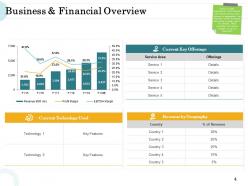
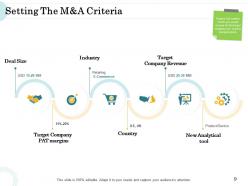
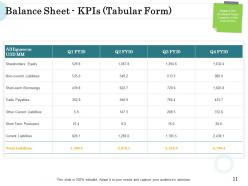
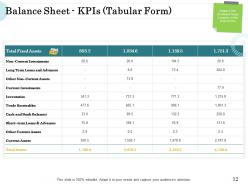
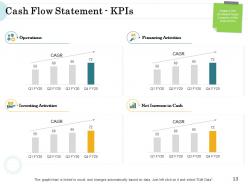
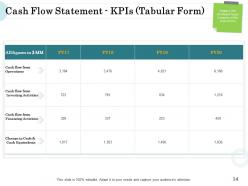
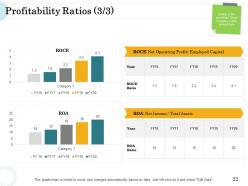
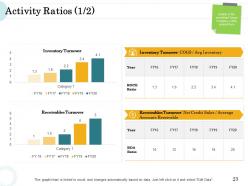
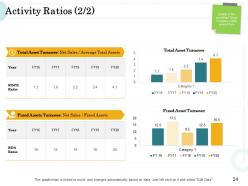
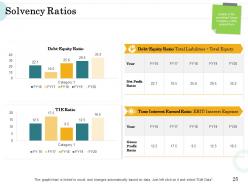
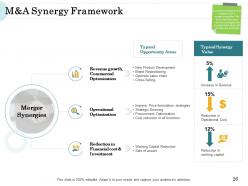
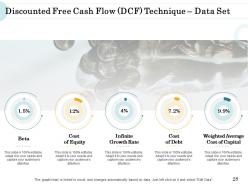
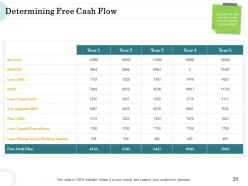
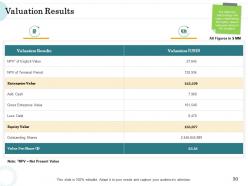
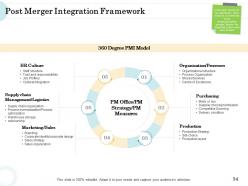
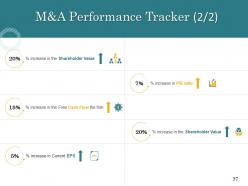
Adopt our new skilfully-designed Merger And Acquisition Key Steps PowerPoint Presentation Slides to foster your organization’s growth. Take help of these merger and acquisition PPT themes to showcase the M&A key steps and company overview. With the assistance of M&A process PowerPoint visuals, depict business and financial overview. Identify new growth markets and discuss types of inorganic opportunities by incorporating M&A essential stages. Establish M&A criteria and portray the financial projections by utilizing merger and acquisition key steps PPT slides. Display the key financial ratios that include liquidity ratio, profitability ratio, activity ratio, and solvency ratio by employing our readily available M&A process PPT themes. Elucidate M&A synergy framework and company valuation methodologies by leveraging our Merger and acquisition key steps PPT slideshow. Determine free cash flow and valuation results with the assistance of M&A essential stages PPT themes. Illustrate the post-merger integration framework and challenges by downloading our ultimate merger and acquisition PPT presentation.
People who downloaded this PowerPoint presentation also viewed the following :
Merger and acquisition key steps powerpoint presentation slides with all 56 slides:
Use our Merger And Acquisition Key Steps Powerpoint Presentation Slides to effectively help you save your valuable time. They are readymade to fit into any presentation structure.






























FAQs for Merger and acquisition key steps
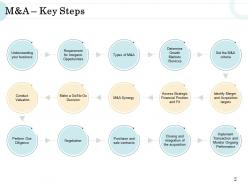
So there's basically five main stages you'll go through. Strategy and planning comes first - figuring out what you want and who to target. Due diligence is next and god, it feels endless, but you really need it to catch any major issues. Then you negotiate all the deal terms and structure everything out. Regulatory approval and closing is where you get all the legal stuff sorted - honestly the paperwork is insane. Finally there's post-merger integration where you actually smash the two companies together. Each phase can drag on for weeks or months depending on how complicated things get, so definitely pad your timeline.
So first thing - figure out what you're actually trying to achieve. Market expansion? New tech? Getting rid of competitors? Then look at what you can realistically afford without going broke (obviously). The tricky part is finding companies that fill your gaps while also being a cultural match. I've seen too many acquisitions fail just because the teams couldn't work together, even when the numbers looked perfect. Smart approach? Make a criteria list before you start looking, otherwise you'll get distracted by every cool opportunity that pops up.
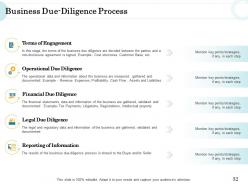
Okay so due diligence is basically where you become a detective before buying a company. You're digging through their finances, operations, legal stuff - anything that could bite you later. Hidden debts, sketchy revenue numbers, regulatory headaches... trust me, you don't want those surprises after you've already signed. It also helps you negotiate better and figure out how you'll actually merge everything together. I know it feels like overkill sometimes, but those extra weeks of investigation can literally save you millions down the road. Don't rush this part.
Honestly, the worst part is always the culture clash. People freak out about losing their jobs, and suddenly everyone's territorial about their processes. You'll be in a million meetings just deciding which email system to keep - it's exhausting. Tech integration? Total disaster every time, always takes way longer than they promise. Oh, and your best people will probably bail during all the chaos. My take - talk to your teams constantly, like more than feels necessary. Sort out the human drama first because that's what actually matters. Everything else is just logistics.
Acquisitions are where you pay that control premium - usually 15-30% above market since you're buying the whole thing. Way different from mergers where you're basically figuring out how to split things fairly between two companies. For acquisitions, I'd lean heavy on comps and precedent deals. Merger valuations though? You're doing way more synergy math and trying to figure out who brings what to the table. Honestly the synergy calculations can get pretty messy but that's where the real value story lives. Either way, definitely run multiple valuation methods - saves you from looking stupid later.
Antitrust stuff will be your first headache - regulators hate deals that kill competition. Due diligence is brutal too. You're looking at contracts, IP rights, employee agreements, plus any lawsuits that'll become your problem. Securities laws are a nightmare if it's a public company - endless disclosures and shareholder votes. Tax structure can totally make or break everything, which honestly surprises people more than it should. The whole regulatory thing gets worse depending on your industry. Seriously though, get M&A lawyers involved before you even think about terms. Don't wait until after handshakes.
Dude, cultural stuff will absolutely tank your merger if you're not careful. I've seen deals with perfect numbers fall apart because teams couldn't figure out how to work together. Simple things become huge - like how people run meetings or make decisions. Then you've got clashing views on hierarchy and work-life balance, and suddenly everyone's updating their LinkedIn. Honestly, treat culture like any other due diligence item. Do assessments early and plan for integration instead of hoping one side just adapts to the other.
Look at EBITDA multiples first - gotta know if you're overpaying. Check their revenue growth over 3-5 years too. Cash flow is massive here, make sure they're actually generating positive free cash flow instead of just looking good on paper. Nobody wants to deal with a company drowning in debt, so peep that debt-to-equity ratio. Compare their gross margins to what's normal in the industry. Honestly, I'd run a DCF analysis even though it's kind of a pain - helps double-check if your numbers make sense. Don't skip this stuff.
Honestly, tech makes M&A so much less painful. Virtual data rooms are clutch for sharing sensitive docs securely - way better than email chains that go nowhere. AI tools can rip through financials in hours instead of days. Project management platforms keep everyone from going insane trying to coordinate. Digital signatures are a godsend too, no more printing hundreds of pages like it's 1995. CRM systems let you juggle multiple deals without losing your mind. Start with a solid data room and project management setup - those two will probably save you more time than anything else. Trust me on this one.
Most deals use cash, debt, or stock swaps - usually some combo. You'll see companies pay shareholders part cash, part stock pretty often. Bank loans and bonds are huge for bigger acquisitions, though obviously you're adding debt to your books. Stock-for-stock deals keep your cash but dilute everyone else's shares (which shareholders love, right?). PE firms sometimes bring in other investors or do leveraged buyouts. Honestly, figure out your financing capacity first because that's gonna determine what size deals you can actually go after and how much bargaining power you have.
So basically these agencies are like bouncers for big deals - they can shut you down or make you jump through hoops to protect competition. You're mostly dealing with FTC/DOJ, plus whatever industry regulators apply to your sector. Honestly, they've been way more aggressive lately (probably the political climate). The whole thing takes forever - months of back and forth, and you'll probably have to sell off parts of the business. My advice? Talk to them early in the process. Don't wait until you're deep into negotiations to find out they hate your deal.
Honestly, most deals fail because people skip the boring stuff. Do your homework on their finances and legal mess first. Culture matters way more than you'd think - I've seen perfect-on-paper acquisitions crash because teams hated each other. Don't overpay just because you're excited. Get independent valuations, maybe a few different ones. Start building your integration team before you even close the deal, trust me on this. Find advisors who actually know your space, not just generic M&A guys. Oh, and make a due diligence checklist now so you're not panicking later when something good pops up.
Dude, M&A communication is a whole different beast - you can't just wing it like usual. Map out who needs to hear what and when. Employees, customers, investors all need different messages at different times. Timing is everything here, and honestly? News always leaks faster than you think it will. Be as transparent as the lawyers let you, but have backup statements ready. Your leadership team needs to be front and center answering questions - people freak out when they don't see familiar faces. Oh, and forget about info flowing down naturally. That never works during deals.
Dude, you absolutely have to get everyone on board - employees, customers, investors, all of them. Map out who matters early and figure out what they're worried about. People will fight back hard if they feel left out of the loop, and honestly? I've watched perfectly good deals crash because executives thought they could skip this part. Keep communicating throughout the whole thing. Short updates work better than those massive corporate emails nobody reads. The trick is flipping potential enemies into allies before they even know they should be mad. Trust me on this one.
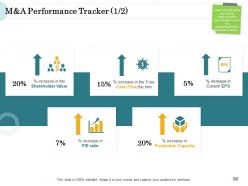
So most companies track the usual suspects - did revenue actually grow like they promised? Are they hitting those cost savings? Basic ROI stuff compared to what they told the board. But honestly, the soft metrics matter just as much. Employee retention, customer churn, whether people are actually working together instead of forming weird tribal camps. Integration is where deals either work or completely implode, even if the numbers looked solid upfront. They'll usually do check-ins at 6 months, one year, then three years to see if reality matched the original pitch deck.
-
Great quality product.
-
Amazing product with appealing content and design.
-
Very well designed and informative templates.