


Museum Exhibition Tour Guide Monotone Icon In Powerpoint Pptx Png And Editable Eps Format




Try Before you Buy Download Free Sample Product
 Impress Your
 Audience
 100%
100% Editable
 Save Hours
 of Time


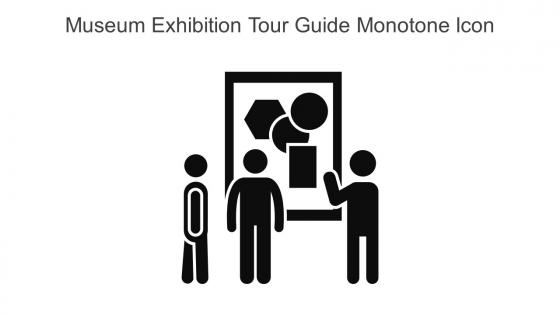
This Museum exhibition tour guide monotone icon in powerpoint pptx png and editable eps format is a 100 percent editable icon. The downloaded file will have this icon in EPS, PNG and Powerpoint pptx format and is perfect for your next project. It has a simple yet stylish design.
People who downloaded this PowerPoint presentation also viewed the following :
Museum Exhibition Tour Guide Monotone Icon In Powerpoint Pptx Png And Editable Eps Format with all 6 slides:
Use our Museum Exhibition Tour Guide Monotone Icon In Powerpoint Pptx Png And Editable Eps Format to effectively help you save your valuable time. They are readymade to fit into any presentation structure.





FAQs for Museum Exhibition Tour Guide Monotone Icon In Powerpoint Pptx Png And
Museum exhibition tour guides should possess strong communication skills, deep subject knowledge, storytelling abilities, crowd management techniques, and cultural sensitivity. These skills enable guides to deliver engaging narratives while adapting to diverse audiences, with many museums finding that skilled guides significantly enhance visitor satisfaction, encourage repeat visits, and ultimately strengthen the institution's educational mission and community impact.
Interactive technologies can be integrated through augmented reality displays, touchscreen information kiosks, audio-guided narratives, mobile app experiences, and virtual reality reconstructions. These digital enhancements streamline visitor engagement by delivering personalized content, enabling self-paced exploration, and creating immersive historical experiences, with many museums finding that interactive elements significantly increase visitor retention and educational outcomes.
Storytelling transforms museum exhibitions by creating emotional connections, enhancing visitor engagement, improving information retention, and making complex historical or cultural concepts accessible through narrative structure. Through compelling narratives, tour guides help visitors connect personally with artifacts and displays, ultimately delivering more memorable educational experiences, with many museums finding that story-driven tours significantly increase visitor satisfaction and learning outcomes.
Tour guides can tailor their presentations by adjusting language complexity, incorporating multilingual elements, varying pacing for different age groups, and using interactive techniques that engage diverse learning styles. Through demographic awareness training and flexible storytelling approaches, museums enable guides to connect with international visitors, families, and specialized interest groups, ultimately delivering more personalized experiences and enhanced visitor satisfaction.
Museum tour engagement strategies include interactive storytelling, hands-on activities, age-appropriate questioning techniques, multimedia integration, and flexible pacing that accommodates different learning styles. These approaches work by encouraging active participation, connecting exhibits to visitors' personal experiences, and incorporating technology like audio guides or AR features, with many museums finding that layered content delivery keeps both children and adults intellectually stimulated throughout their visit.
Exhibition space design significantly influences tour guide narratives by dictating flow patterns, sightlines, acoustics, and visitor engagement opportunities throughout the museum experience. Through strategic spatial layouts, lighting choices, and interactive zones, tour guides can enhance storytelling, create dramatic moments, and facilitate deeper connections between visitors and exhibits, ultimately delivering more memorable educational experiences and increased visitor satisfaction.
Museum tour guides handle challenging situations by staying calm, acknowledging concerns respectfully, and redirecting conversations toward educational content when appropriate. Experienced guides prepare for controversial topics by researching multiple perspectives, setting clear boundaries about appropriate behavior, and maintaining focus on factual information, with many museums finding that proactive communication and structured responses ultimately enhance visitor experiences while preserving educational integrity.
Tour guides can incorporate local history and culture by weaving authentic stories, historical anecdotes, and cultural traditions into their presentations, connecting exhibits to community heritage, local landmarks, and regional customs. This approach enhances visitor engagement through personalized storytelling, cultural demonstrations, and historical context, ultimately delivering more memorable experiences while fostering deeper appreciation for local identity and community connections.
A well-designed tour script significantly enhances visitor engagement by providing structured storytelling, clear information delivery, strategic pacing, and seamless transitions between exhibits. Through comprehensive scripting, museums achieve consistent messaging across different guides, improved visitor retention rates, and enhanced educational outcomes, while ultimately delivering memorable experiences that encourage repeat visits and positive recommendations in an increasingly competitive cultural landscape.
Ongoing training and development is crucial for museum exhibition tour guides, enhancing their knowledge of collections, storytelling techniques, visitor engagement methods, and educational approaches. Through continuous learning programs, guides master new exhibition content, develop cultural sensitivity skills, and adapt to diverse audience needs, ultimately delivering more compelling visitor experiences and strengthening the museum's educational mission.
Visitor feedback enables museums to enhance tour effectiveness through content refinement, guide training improvements, route optimization, and interactive element adjustments. By analyzing visitor responses, museums can identify which exhibits resonate most strongly, adjust pacing for different audiences, and modify storytelling approaches, ultimately delivering more engaging experiences that increase visitor satisfaction and encourage repeat visits.
Tour guides strike this balance by weaving storytelling techniques into factual presentations, using interactive elements like questions and hands-on demonstrations, and reading audience cues to adjust their approach dynamically. Through strategic pacing, personal anecdotes, and multimedia integration, guides in museums, historical sites, and cultural institutions deliver engaging experiences that enhance learning retention while maintaining visitor interest, ultimately creating memorable educational encounters that encourage return visits.
Tour guides can create memorable experiences through interactive storytelling, personalized connections to artifacts, strategic pacing with moments of discovery, and engaging multiple senses through sounds, textures, and visual demonstrations. These techniques transform passive viewing into active participation, with many museums finding that guides who connect historical narratives to visitors' personal interests and contemporary relevance significantly enhance retention, emotional engagement, and overall satisfaction.
Tour guides can effectively promote upcoming exhibitions by weaving announcements naturally into current tour narratives, connecting themes between present displays and future events, and highlighting exclusive previews or member benefits. Through storytelling that builds anticipation, strategic timing near tour conclusions, and personalized recommendations based on visitor interests, guides create genuine excitement while enhancing the overall museum experience and driving future attendance.
Tour guides must balance accuracy with accessibility, respect cultural sensitivities, acknowledge diverse perspectives, and avoid imposing personal biases on historical narratives. These professionals increasingly navigate complex interpretations by presenting multiple viewpoints, collaborating with cultural communities, and ensuring respectful representation, ultimately delivering educational experiences that honor artifact significance while fostering inclusive understanding across diverse visitor backgrounds.
-
I am a big fan of their newsletters because that is how I found my perfect requirement at the time of urgency. Thank God, I kept opening those.
-
A perfect platform for all your presentation needs. Unlimited products at an affordable price.