

Nestle Distribution Channel Powerpoint Ppt Template Bundles




Try Before you Buy Download Free Sample Product
 Impress Your
Audience
 100%
Editable
 Save Hours
of Time


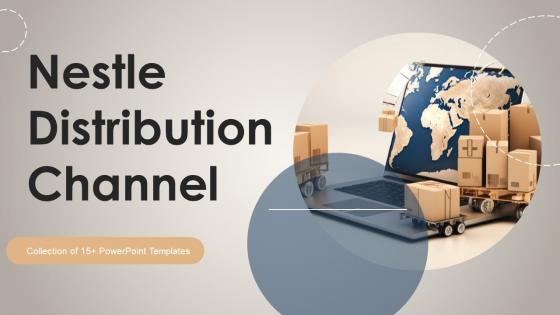
Discover the intricacies of Nestles Distribution Channel with our comprehensive PowerPoint presentation. Dive into the heart of Nestles success as we unravel the Distribution Network that spans the globe. Explore the art of Supply Chain Management that ensures your favorite Nestle products reach your shelves, seamlessly. Learn how Retail Distribution is meticulously strategized to meet consumer demands. Delve into the world of Logistics and Transportation, the backbone of Nestles efficient distribution. Uncover the crucial role of Distribution Partners in delivering quality products to your doorstep. Whether you are a business enthusiast or a supply chain professional, this presentation provides invaluable insights into Nestles winning distribution strategy. Elevate your knowledge and stay ahead in the world of distribution with Nestle Distribution Channel Power point.
People who downloaded this PowerPoint presentation also viewed the following :
Nestle Distribution Channel Powerpoint Ppt Template Bundles with all 20 slides:
Use our Nestle Distribution Channel Powerpoint Ppt Template Bundles to effectively help you save your valuable time. They are readymade to fit into any presentation structure.










FAQs for Nestle Distribution Channel Powerpoint
So Nestlé basically does three big things with distribution. Multi-channel approach - they hit traditional retail, direct sales, and online stuff to cover all their bases. Their supply chain is honestly pretty impressive, with regional centers that keep them close to local markets but still globally efficient. Oh and they partner heavily with retailers instead of handling everything themselves, which probably saves them a ton of headaches. Smart move at their size. The key thing they nail is balancing global processes with what each local market actually wants. That balance is tricky but they've figured it out.
So Nestlé's got some pretty solid tech going on. They use AI to predict what people will actually buy, which is harder than it sounds. IoT sensors track inventory in real time, plus they've automated a bunch of warehouse stuff. Their digital dashboards show everything from factory to store shelf. Route optimization helps their trucks avoid traffic and save gas - honestly wish my delivery apps were that smart. They're also using blockchain for tracking where stuff comes from and mobile apps so retailers can order directly. If you want to upgrade your distribution, I'd probably start small with basic inventory tracking first.
So Nestlé's doing some cool stuff with their delivery game. They're switching to electric trucks in cities and using AI to map out better routes - cuts down on fuel big time. Also partnering with logistics companies that actually care about the environment, which is refreshing honestly. Their packaging strategy is solid too, way more recyclable materials now. Oh and they're going hard on renewable energy for warehouses, making suppliers hit carbon targets. The route optimization thing is probably their biggest win so far - like, immediate results on emissions. Worth checking out if you're studying this stuff.
So basically, 3PLs are just Nestlé's shipping buddies - companies like DHL that handle all the warehouse and delivery stuff. Smart move honestly, because who wants to deal with that logistics headache? Nestlé can focus on making Kit-Kats while these partners move products from factories to stores. They get flexibility too - can ramp up in new markets without building warehouses everywhere. Most of these 3PLs end up doing the "last mile" delivery to retailers. It's way easier than managing all that infrastructure yourself, especially when you're operating globally.
Nestlé's distribution game is pretty clever - they just adapt to whatever works in each region. Rich countries? They go heavy on big retail chains and online shopping. Developing markets are totally different though. There they use tons of small local shops, street vendors, basically whoever knows the neighborhood best. Smart move honestly, since forcing the same approach everywhere would be stupid. Oh and if you're ever doing global distribution stuff, totally copy this - focus on what actually gets your product to people, not what sounds impressive in meetings. Results over fancy strategies, you know?
Oh man, Nestlé's distribution is such a nightmare - mostly supply chain complexity and those crazy last-mile costs. Think about it: they're moving products from factories to literally millions of stores worldwide. The inventory management alone across different regions would drive me insane. Then you've got infrastructure issues, especially in emerging markets where roads might be terrible. COVID totally wrecked their operations too. Keeping costs down while products stay fresh? Yeah, that's the constant battle. They're throwing money at digital tracking and regional hubs now, which honestly makes sense if you're trying to fix this mess.
So basically Nestlé uses demand forecasting to figure out what products people will want and where. Smart move, honestly. They can avoid stuffing warehouses with stuff that won't sell while making sure the popular items don't disappear from shelves. It's like predicting the future but for snacks and coffee - okay, maybe not that dramatic! The whole thing helps them plan better truck routes and cut down on waste from expired products. Bottom line? You're less likely to find empty shelves at the store, and they save money that hopefully gets passed down to us.
So Nestlé does DTC mostly through their own websites and subscription stuff - Nespresso's pod delivery is honestly brilliant and probably their biggest win there. They sell directly for coffee brands, Purina pet food, health products, that kind of thing. The whole point is controlling prices and getting customer data without giving retailers a cut. Oh and building better relationships with people buying their stuff. I think what's smart is they don't try to replace regular stores - just adds another way to reach customers. Makes sense when you think about it.
So Nestlé basically puts their stuff everywhere - supermarkets, corner stores, vending machines, you name it. They've got online sales too now which is smart. The whole point is making it super easy for people to grab their products wherever they are. Makes sense for a company trying to be this massive global food brand, right? You can't build loyalty if customers have to hunt around for your stuff. Oh and they somehow keep their branding consistent across all these different places, which honestly seems like it'd be a nightmare to manage. Their strategy really comes down to being unavoidable.
So Nestlé watches a bunch of different things to see how their distribution is doing. Market penetration and sales velocity are big ones - basically how fast stuff moves off shelves. Inventory turnover matters too, plus they track customer satisfaction because yeah, people get mad when stores run out of their favorite chocolate bars. Distribution costs per unit and delivery accuracy are pretty critical for keeping things profitable. Revenue growth by different channels shows them which retail partners are actually worth it. Oh, and complaint ratios - that's a no-brainer. If you're thinking about this for your business, I'd start simple: penetration rates, how fast inventory moves, and your basic costs.
So Nestlé has these dedicated account teams that work directly with big retailers - Walmart, Target, you know the drill. They're constantly sharing data and consumer insights to help optimize shelf space. With distributors it gets messier, but same concept plus they throw in volume incentives and marketing support. What's smart is how they plan collaboratively - like mapping out promotions and launches months ahead with their partners. Oh and the sales analytics they provide are apparently pretty solid, helps everyone figure out inventory. I'd start by looking at their key account structure if you want to dig deeper into how they actually pull this off.
So Nestlé's doing some pretty cool stuff with their supply chain. They use AI to predict demand, which honestly seems a bit creepy but cuts down on waste. Blockchain tracking for their coffee sourcing is neat too. During COVID their direct-to-consumer thing really blew up. They've got these digital twins of factories that optimize production in real-time - sounds like sci-fi but it works. The sustainability angle is huge for them now. They're mapping everything to stop deforestation and help farmers out. Their predictive analytics for inventory is worth checking out if you're into that stuff.
Dude, Nestlé's distribution game is insane. They're everywhere - like seriously, you'll find Kit-Kats in random gas stations from Tokyo to rural Montana. The crazy part is how they nail both massive global scale AND local market stuff. Emerging markets where other brands can't even get a foothold? Nestlé's already there setting up shop. Their supply chain adapts super fast too. Honestly think they're lowkey underrated for this - everyone talks about their products but the distribution network is what actually makes them untouchable. Worth studying if you're thinking about distribution strategy.
Dude, Nestlé's distribution gets absolutely wrecked by regulatory stuff. Food safety rules change completely between countries, and import restrictions can literally appear overnight - talk about chaos. They end up needing separate warehouses for different zones, custom packaging everywhere, plus mountains of paperwork. Costs go through the roof obviously. The smart move? Always build in extra time for delays and keep backup suppliers on standby. I swear regulatory holdups happen on like 90% of international shipments now. It's just the reality of global food distribution these days.
So Nestlé basically runs this whole cold chain thing - refrigerated trucks, temperature-controlled warehouses, sensors tracking everything 24/7. Smart move because they catch problems before stuff goes bad. They partner with logistics companies too since those guys already have the right equipment for dairy and frozen foods. Building that infrastructure yourself? Yeah, no thanks - way too expensive. I actually looked into this for work once and their partnership approach makes way more sense than trying to do it all in-house.
-
The designs are very attractive and easy to edit. Looking forward to downloading more of your PowerPoint Presentations.
-
Thrilled to see several customizable templates catering various verticals and industries.