


Food Packaging Industry Powerpoint Ppt Template Bundles




Try Before you Buy Download Free Sample Product
 Impress Your
 Audience
 100%
100% Editable
 Save Hours
 of Time


Discover the evolving landscape of the Food Packaging industry in our comprehensive presentation. Delve into the art of safeguarding products through innovative packaging solutions, emphasizing product protection and preservation. Uncover the latest strides in eco-friendly packaging, exploring sustainable materials and practices aimed at reducing environmental impact. Explore the world of custom food packaging, where versatility meets uniqueness, catering to diverse consumer needs and preferences. Unveil how these advancements redefine the industrys future, balancing functionality with environmental responsibility. Join us to explore the intersection of innovation and sustainability, reshaping the way we perceive and interact with food packaging solutions.
People who downloaded this PowerPoint presentation also viewed the following :
Food Packaging Industry Powerpoint Ppt Template Bundles with all 23 slides:
Use our Food Packaging Industry Powerpoint Ppt Template Bundles to effectively help you save your valuable time. They are readymade to fit into any presentation structure.









FAQs for Food Packaging Industry Powerpoint
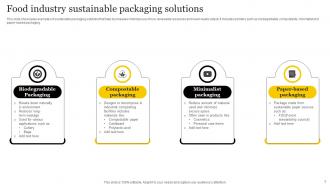
So there's tons happening with plant-based stuff right now - edible coatings, seaweed films, anything that actually breaks down instead of clogging up landfills. Companies are jumping on PLA and compostable plastics, but honestly? Most places still don't have the composting setup to handle it properly. Mushroom packaging is pretty cool for shipping fragile stuff too. Oh, and you really gotta make sure whatever eco option you pick won't make your product go bad faster - learned that the hard way with some clients. Going sustainable is pointless if it doesn't actually protect what's inside, you know?
Okay so packaging is literally like armor for your food - it keeps out oxygen, moisture, and light which are the main things that make stuff go bad. Vacuum sealing and modified atmosphere packaging can add weeks or months to shelf life. Even just having good seals makes a huge difference! Like, store-bought crackers stay fresh forever compared to the ones I make at home (though mine taste way better obvs). You gotta figure out what's actually killing your product first though. Is it going stale? Getting moldy? Then pick packaging that blocks whatever's causing the problem.
Oh man, packaging is actually a game-changer for food waste! It keeps stuff fresh way longer by blocking out air, moisture, and germs. Like, you know how vacuum-sealed meat lasts forever compared to the stuff just sitting there? Exactly. Clear date labels help too - people actually know when to toss things instead of guessing. Plus it prevents bruising and damage when everything's getting tossed around during shipping. Honestly, if companies just focused on better barrier protection and clearer labeling, we'd see way less food hitting the trash.
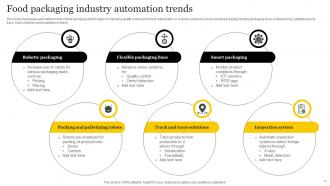
Honestly, packaging tech is getting insane these days. Smart sensors can track if stuff's going bad, plus there are labels that literally change color when food spoils. 3D printing lets you make custom shapes that actually protect products better - way less waste too. The biodegradable materials break down super fast now, and some companies are even making edible films from seaweed (which sounds kinda gross but whatever). Digital twins are probably the coolest part though. You can test how packaging performs before making it, saves a fortune on prototypes. I'd figure out what's driving you crazy about your current setup first, then go from there.
Ugh, honestly the FDA rule changes are killing me - they're constantly shifting and every state has different requirements too. Food contact approvals take months, labeling rules change like every few weeks. The PFAS thing is a total mess right now, everyone's hunting for alternatives but nobody knows what the final regs will even look like. Oh and all these sustainability mandates coming... it's a lot. I'd definitely join some industry groups to stay in the loop. Worth getting a regulatory consultant if you're doing anything new - trust me on that one.
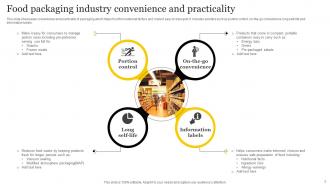
Look, packaging is all about what people actually want. Convenience matters - that's why you see so many resealable bags and grab-and-go sizes everywhere. Sustainability's huge right now too, but balancing eco-friendly materials with keeping food fresh? Total nightmare sometimes. Bold colors catch attention, obviously. Clear windows work great so shoppers can see what they're buying. Health nuts (and honestly, most people these days) want clean, simple labels they can actually read. My advice? Figure out who you're selling to first, then design around their specific hangups. Don't just wing it and hope for the best.
Okay so seaweed films are probably your best bet right now - they're getting really solid for food packaging. Mushroom mycelium stuff is cool too, plus PLA mixed with agricultural waste like corn husks. Oh and there's chitosan from shellfish waste but that's still pretty specialized. Notpla and Ecovative are the main companies actually making this work commercially. Honestly though, I'd figure out what certifications you need first since that'll save you a ton of headaches later. Some of these materials look amazing but then you find out they can't get FDA approval or whatever. The seaweed ones seem most promising if you ask me.
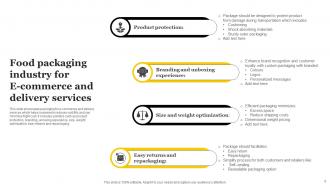
Dude, shipping changes everything about packaging. Your stuff gets thrown around like crazy, so you need way more protection than in-store products. Plus that unboxing moment? That's literally your brand's first impression now. Temperature's a killer too - I've seen so many businesses lose money on melted chocolate or wilted flowers sitting in delivery trucks. Oh and definitely focus on making packages lighter and smaller to save on shipping costs. Honestly, just ship something to yourself first and see what shows up looking beat up. Then fix whatever broke or looked sketchy.
So smart packaging is basically like giving your product a voice to talk directly to customers. QR codes are huge right now - people scan them for recipes, nutrition facts, whatever. Temperature strips show if frozen stuff got warm during shipping, which is honestly genius. There are even sensors that detect freshness and some packaging changes color based on the product's condition (still pretty new though). Oh, and freshness indicators help customers know if their produce is still good. Just don't go overboard with random tech - focus on stuff that actually fixes problems your customers have.
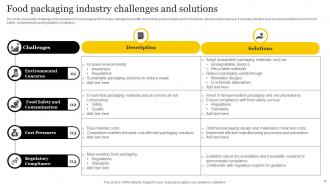
Dude, plastic bans are honestly wreaking havoc on food packaging right now. Companies are racing to find alternatives - paper, plant-based stuff, reusable containers. Problem is, most options cost way more and don't keep food fresh as long. Prices will probably go up for consumers. The regulatory mess is insane too - every city has different rules, so compliance is a total headache. My cousin works in packaging and says it's chaos. You should audit what you're using now and start testing replacements before you get caught scrambling last minute.
Ugh, supply chain issues are absolutely killing food packaging right now. Lead times are crazy long and prices keep jumping. Plastic resins, aluminum, paperboard - everything's either delayed or costs way more when shipping gets screwed up. Been a total mess since 2020, honestly worse than people realize. Packaging companies jack up their prices, then food manufacturers do the same, and we all end up paying more at checkout. My advice? Start building relationships with multiple suppliers ASAP. Also keep extra inventory on hand - I know it ties up cash but you don't want to be scrambling when the next disruption hits.
Honestly, regular plastic packaging is pretty terrible for the planet. It hangs around for like 300+ years and just keeps piling up everywhere - beaches, landfills, you name it. Biodegradable stuff breaks down in months instead of centuries, which is obviously way better. Though heads up, some companies slap "biodegradable" on anything these days. You'll want to look for actual certifications like BPI or ASTM when you're checking out suppliers. The manufacturing process usually uses less fossil fuels too. Oh and make sure it's actually compostable - some only break down in industrial facilities, not your backyard bin.
Honestly, just make it super obvious on the packaging itself. People barely glance at stuff for like 3 seconds, so use simple icons and quick statements they'll actually get. Skip the fancy jargon - "made from recycled materials" is way better than whatever "post-consumer resin content" means to most people. QR codes work great if someone wants the full story later. The thing is, you've gotta be real about what you're actually doing instead of throwing around vague "eco-friendly" nonsense. Start with one solid sustainability message per package. You can always add more later once you get the hang of it.
Start with your worst packaging and just replace it with single materials when you can. Don't mix plastics or add those shiny metallic films - they screw up recycling big time. Talk to your local waste people about what actually gets processed (spoiler: most "recyclable" stuff still gets trashed). Clear labels help consumers sort things right. Compostable works great for anything that'll get messy with food. Oh, and if you're doing fancy specialty packaging, maybe set up a take-back program? Quick changes add up fast.
Honestly, packaging is huge for plant-based stuff right now. These products are way more fragile than regular meat - moisture loss kills the texture and shelf life gets tricky. Clear windows are everywhere because people still don't totally trust what's inside, which makes sense. Most brands want sustainable packaging to match their whole vibe, but that's often harder than it sounds (cost vs. reality, you know?). I'd say nail the functional stuff first - keeping it fresh and looking good - then worry about the green story if it actually works for your budget.
-
Amazing slides! Unique, attractive, and easy to understand.
-
The team is highly dedicated and professional. They deliver their work on time and with perfection.