


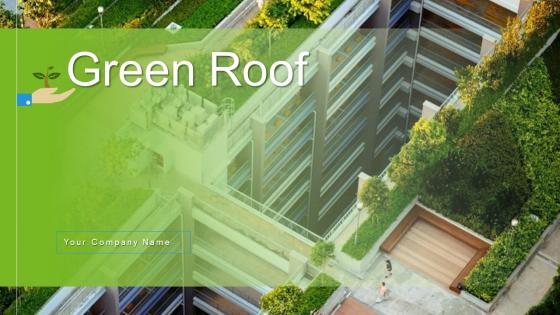
Green Roof Powerpoint Ppt Template Bundles




Try Before you Buy Download Free Sample Product
 Impress Your
 Audience
 100%
100% Editable
 Save Hours
 of Time


Our Green Roof Powerpoint Ppt Template Bundles are topically designed to provide an attractive backdrop to any subject. Use them to look like a presentation pro.
People who downloaded this PowerPoint presentation also viewed the following :
Green Roof Powerpoint Ppt Template Bundles with all 19 slides:
Use our Green Roof Powerpoint Ppt Template Bundles to effectively help you save your valuable time. They are readymade to fit into any presentation structure.
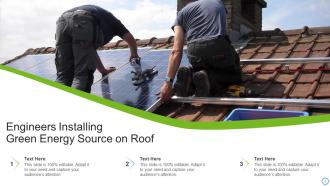
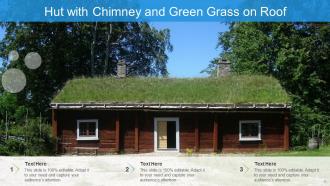
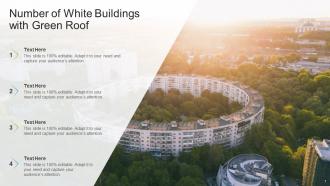






FAQs for Green Roof Powerpoint
Dude, green roofs are actually pretty awesome. They soak up rainwater so you don't get crazy runoff, which is huge if your city has strict water regulations. Air quality gets better too since the plants filter out pollutants. Your energy bills will thank you because it keeps the building cooler. Oh, and they create little habitats for birds and bugs - my neighbor has one and it's weirdly entertaining to watch. Cities get way too hot with all that concrete, so anything that adds green space helps. Honestly, just the stormwater thing makes it worth it in most places.
So green roofs are basically like creating little wildlife hotels in the middle of all that concrete. Birds and insects get places to nest and feed, which is huge since cities are pretty brutal for wildlife otherwise. Native plants work way better than fancy exotic ones - learned that the hard way on my neighbor's failed rooftop garden. These spots also help animals hop between parks and bigger green areas. Different plant heights are smart, and water features too if you can swing it. Honestly makes such a difference for biodiversity.
So you're looking at structural reinforcement first - that's usually the big surprise since roofs aren't built for all that extra weight. Waterproofing, drainage, soil, and plants add up too. Labor costs are pretty hefty because it's specialized stuff. Honestly, I've seen people get blindsided when the structural work eats up like half their budget. You're probably looking at $15-50 per square foot depending if you go simple or go all out with the fancy setup. Definitely get a structural engineer to take a look before you commit - trust me on that one.
Oh man, green roofs are actually amazing for energy costs! You're looking at like 10-30% savings depending on where you live. Basically they act like this thick insulation blanket - keeps things cooler in summer, warmer in winter. The plants literally cool the air around them too, which is honestly pretty fascinating. Your AC won't have to work nearly as hard during those brutal summer months. I know the upfront cost seems crazy, but they usually pay for themselves eventually. Definitely worth crunching the numbers if you're serious about it.
Sedums are perfect for green roofs - they're basically indestructible succulents. Native grasses work great too, plus wildflowers if you want color. The growing medium is super shallow (like 2-6 inches), so forget anything with deep roots. Mediterranean herbs are solid choices since they don't need much water anyway. I'd personally go with lavender and thyme - they smell amazing when it's windy up there. Just avoid stuff that's high-maintenance or needs regular watering. Check what grows wild in your area first though, since those plants already survive your weather without help.
Yeah, green roof maintenance isn't too bad once you figure it out. Check your drainage every few months and pull weeds monthly - first year is the worst for that. Seasonal trimming keeps things looking decent. Oh, and don't forget about the irrigation system, plus some fertilizer depending on what you planted. Honestly? Go with sedums if you can - they're so much less work than those fancy intensive setups with all the different plants. I'd definitely find a contractor who actually knows green roofs though. Trust me on that one.
So basically green roofs are like massive sponges on top of buildings. They'll absorb 50-90% of rainwater instead of it all rushing into storm drains at once. The soil and plants soak it up, then release it slowly through evaporation. Pretty neat how they filter out pollutants naturally too. During heavy storms, this really cuts down on peak flow rates - which is huge if your city floods easily. I mean, anything that prevents your basement from turning into a swimming pool is worth considering, right? It's way better than overwhelming the drainage system.
So basically extensive green roofs are shallow - like 2-6 inches of soil. You can only grow simple stuff like sedums and grasses on those. Intensive ones have way deeper soil, 6+ inches, so you can actually do vegetables, shrubs, even small trees if you want. It's like having a real garden up there that you can walk around in. The shallow ones are definitely cheaper and way less work to maintain. But honestly? The deeper ones give you so much more flexibility with what you can plant. I'd probably go extensive for your first one though - less chance of screwing something up.
So green roofs are basically like massive air purifiers - plants suck up CO2, pump out oxygen, and grab all that dust and nasty stuff floating around. Works best in really built-up areas where there's not much greenery already. Oh, and they cool things down too, which actually helps with smog since hot air makes pollution worse. Pretty cool how that works! If you're thinking about doing one, definitely go with native plants that are good at cleaning air. My neighbor did this and swears by it - though honestly I think he just likes bragging about his "rooftop garden."
First thing - check your local building codes since they're all different. Most places want structural load calculations to make sure your roof won't collapse under the weight (kind of important lol). The IBC has specific green roof rules covering waterproofing, drainage, fire safety stuff. Some cities give tax breaks or lower stormwater fees which is pretty sweet. Permits are needed for structural changes, maybe plumbing too if you add irrigation. Honestly, talk to a structural engineer before you get too far into planning - way better than finding out later your roof can't handle it.
So green roofs are pretty cool - they're like natural armor for your building. When it rains, they soak up all that water instead of dumping it into already stressed storm drains. Your AC bills will thank you too since the plants basically sweat (evapotranspiration if you want to get nerdy about it) and cool things down naturally. Cities get crazy hot because of all the concrete, but green roofs actually fight that heat island effect. Honestly, they're one of those rare things that solve like five problems at once. The insulation alone makes them worth considering.
Honestly, sensors are a game-changer for green roofs. They track soil moisture and temperature in real-time, so you're not guessing when to water. Set up automated irrigation that only kicks in when plants actually need it - saves tons of water. Some fancy systems even monitor how much weight the roof's handling, which is wild. The best part? You'll catch issues like clogged drains before they wreck everything. Plus you get actual numbers to show how much energy you're saving. Kind of nerdy but super useful for proving it's worth the investment. Start simple with basic moisture sensors though.
First thing - get your structural load calcs done because those things are crazy heavy when wet. You'll need solid waterproofing with root barriers, plus drainage so it doesn't turn into a swamp. Native, drought-tolerant plants are your best bet since maintenance sucks up there. Honestly, I'd go with an extensive system first - way less headache than intensive. Oh, and make sure you can actually access it easily! I've watched people build beautiful setups they can barely reach for upkeep. Definitely loop in a structural engineer early or you'll regret it later.
Honestly, getting neighbors involved is a game-changer for your green roof. Start with an info session - you'll be shocked how many people show up wanting to help. Let them pick plants or organize planting days together. Way fewer headaches later when people feel like they actually contributed something. Plus free labor for maintenance! Educational workshops work great too. My cousin did this and now half her block helps water during dry spells. Makes the whole thing feel less like "your project" and more like something the community owns. Smart move if you ask me.
Chicago's City Hall green roof from 2001 is probably your best starting point - they documented everything super well and cut energy costs by 10%. Copenhagen actually requires green roofs on all new buildings over 150 square meters, which seems intense but works. Singapore does this cool thing where they weave rooftop gardens into their whole urban planning system. Oh and NYC's High Line isn't really a roof but it's amazing how much it changed that whole area. I'd definitely dig into Chicago's case study first since they've got all the performance data you'll need.
-
Great experience, I would definitely use your services further.
-
Wonderful templates design to use in business meetings.