


General Insurance Powerpoint Ppt Template Bundles




Try Before you Buy Download Free Sample Product
 Impress Your
 Audience
 100%
100% Editable
 Save Hours
 of Time


Our General Insurance Powerpoint Ppt Template Bundles are topically designed to provide an attractive backdrop to any subject. Use them to look like a presentation pro.
People who downloaded this PowerPoint presentation also viewed the following :
General Insurance Powerpoint Ppt Template Bundles with all 18 slides:
Use our General Insurance Powerpoint Ppt Template Bundles to effectively help you save your valuable time. They are readymade to fit into any presentation structure.









FAQs for General Insurance Powerpoint
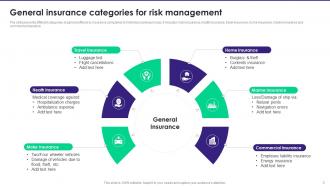
So general insurance is for your current stuff - car, house, accidentally breaking your neighbor's window, whatever. Life insurance pays your family when you die. General policies you renew every year. Life insurance? That's like a 20-30 year commitment. Here's the weird part - you never want to actually USE your car insurance (who wants a crash?), but life insurance will definitely pay out someday. Morbid but true. Honestly, I'd handle general insurance first. Protect what you've got now before worrying about the far-off stuff.
So basically insurance companies are trying to figure out how likely you are to file a claim, and that's what determines your premium. Age, where you live, past claims, all that stuff factors in. Higher risk = higher cost, which makes sense from their end I guess. Some of the questions they ask can feel pretty nosy though. But here's the thing - you can actually bring your rates down by lowering your risk profile. Better locks, higher deductibles, clean driving record if it's car insurance. My neighbor saved like 15% just by adding a security system.
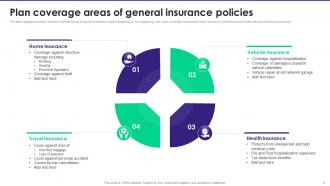
So general insurance basically covers your property damage, liability stuff, and sometimes your personal belongings or if your business gets interrupted. Fire, theft, vandalism - the usual suspects. But honestly? The liability coverage is where it's at because lawsuits will drain your bank account faster than you can blink. Most policies throw in natural disaster coverage too, though floods are weird - you might need separate coverage for that depending on your area. Oh, and definitely read through your actual policy since companies love to have different rules and coverage limits.
Honestly, just sit down and figure out what you actually have - house value, car, expensive stuff, liability risks. Most people are super underinsured and have no clue. Make sure your coverage would actually rebuild your house (not just what it's worth on paper), and check if those deductibles won't wreck you financially. I review mine every year since life changes - bought new things, did renovations, you know how it goes. Run through some worst-case scenarios in your head. Would you be totally screwed if something happened tomorrow? If the answer's yes, call your agent.
So underwriting is when they dig into whether you're worth the risk. They'll check your claims history, look at your property or business - basically doing detective work to figure out how likely you are to cost them money later. Short sentences get approved faster, so don't leave blanks on your application. Missing info just creates more back-and-forth emails (so annoying). The whole thing's really just them trying to price your policy based on how much trouble you might be. Some underwriters are pretty thorough too - like, they'll even look up public records and stuff.
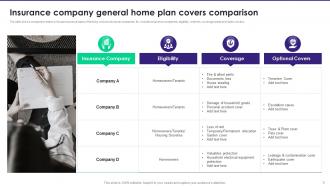
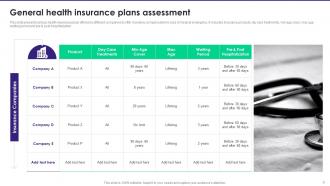
Get quotes from like 4-5 companies first - the price differences will blow your mind. Compare the coverage limits and deductibles side by side, plus what's actually excluded. Don't just look at monthly costs though! Check how fast they process claims and their financial ratings on AM Best. I'd make a basic spreadsheet with everything laid out. Customer reviews are clutch, but focus on the claims experience ones, not the sales stuff. Call your top few picks with specific "what if" questions about your situation. Trust me, that last step saves headaches later.
Okay so most policies won't cover war, nuclear stuff, or if you intentionally wreck something. Normal wear and tear? Nope. Health insurance hates pre-existing conditions, and your home policy probably doesn't cover floods - learned that one the hard way. They'll also deny claims for using your personal car for business, criminal activities, drunk driving, fraud, the usual suspects. "Acts of God" used to be everywhere but thankfully that's dying out. Honestly, the exclusions section is brutal but read it before you file anything. Saves you from getting blindsided later when they're like "yeah, that's not covered."
Dude, insurance companies are basically stalking us now with all this AI stuff. They don't just look at your age and address anymore - they're digging into your driving habits, social media, even where you shop. The upside? You can get quotes instantly and pricing that actually fits your lifestyle. But honestly, it's kinda creepy how much they know. Some people end up paying way more because of weird data patterns. When you're shopping around, they'll probably ask about your digital habits and random lifestyle stuff. Oh and fraud detection is way better now, which I guess helps keep everyone's rates down.
Ugh, regulatory changes are such a pain - they basically force you to rework everything. Your policy terms need updating. Pricing models sometimes get completely flipped. Plus you might need different cash reserves depending on new capital rules. The compliance stuff alone will eat up weeks of your time, and the timing is never convenient. Though I guess the upside is these rules usually help protect customers and keep markets stable over time. My advice? Watch for regulatory announcements way ahead of deadlines so you're not scrambling last minute to implement changes.
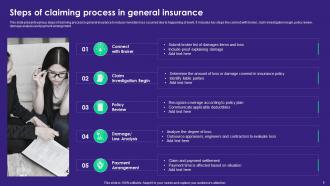
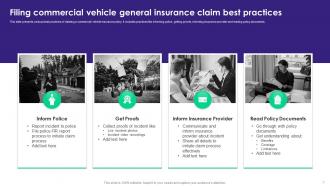
Report stuff right away - seriously, I've watched people get screwed over just for waiting a week or two. Take tons of photos and keep every receipt you can find. Your policy is boring but read it anyway so you're not blindsided later. Write down claim numbers and whoever you talk to because you'll forget. First settlement offer? Yeah, don't just take it. Be nice but keep bugging them if they go quiet. Oh, and start collecting your paperwork now while you're thinking about it.
Think of general insurance as your backup plan when life goes sideways. Property damage, business losses, liability issues - it covers the big stuff so you don't have to drain your savings rebuilding everything. Your insurer might even make you install safety features, which honestly isn't the worst thing since it actually prevents some disasters. Quick payouts are huge too. People can fix their homes and get businesses running again without sitting around waiting for government help. Oh, and here's the key part - check that your coverage matches what it'd cost to replace things TODAY, not what you originally paid.
Dude, insurance is getting wild right now. AI's totally changing how they price policies, and those little tracking devices in cars? They're everywhere now - your driving actually matters for rates. Climate stuff is huge too since weather keeps getting crazier. Cyber insurance is blowing up because everyone's terrified of getting hacked. Can't blame them honestly. Usage-based pricing is the real game changer though - finally makes sense instead of just guessing based on your age or whatever. All these tech startups are forcing the old school companies to actually modernize their apps and claims process. You'll want to get familiar with this tech stuff soon.
Where you live totally affects your insurance rates. Insurance companies basically look at your zip code and calculate risk from there. Live near the coast? Hurricane damage means higher premiums. High crime area or flood zone? Same deal - you're paying more because claims happen more often there. They even factor in stuff like how close you are to fire stations (which honestly makes sense). Some companies straight up won't insure certain areas at all. Definitely worth checking insurance costs before you move somewhere - I learned that the hard way when I was house hunting last year.
Honestly, bundling everything with one company saves me like 15-20%. Also bump up your deductibles if you've got some emergency cash sitting around - makes a huge difference on monthly payments. I literally set a phone reminder to shop around every year because these companies are constantly changing rates. Oh and call your current insurer first to ask what discounts you're missing - there's always random stuff like good driver or military discounts people forget about. Drop coverage you don't actually need anymore too.
Oh man, customer service is everything in insurance. People are already freaking out when they need to file a claim, so you can't mess around. Speed matters most - like, actually call them back when you say you will. I've seen companies totally transform just by training their claims people better and setting up those automatic text updates so customers know what's happening. Response time is where I'd start measuring things. Also sounds obvious but being super clear about next steps goes way further than you'd think. Get those basics right first.
-
I didn’t expect such a good service for the money I am paying. But, they exceed my expectations. Great work SlideTeam.
-
Their templates are super easy to edit and use even for the one like me who is not familiar with PowerPoint. Great customer support.