Plastic Industry Analysis Powerpoint Ppt Template Bundles
Try Before you Buy Download Free Sample Product
Audience
Editable
of Time
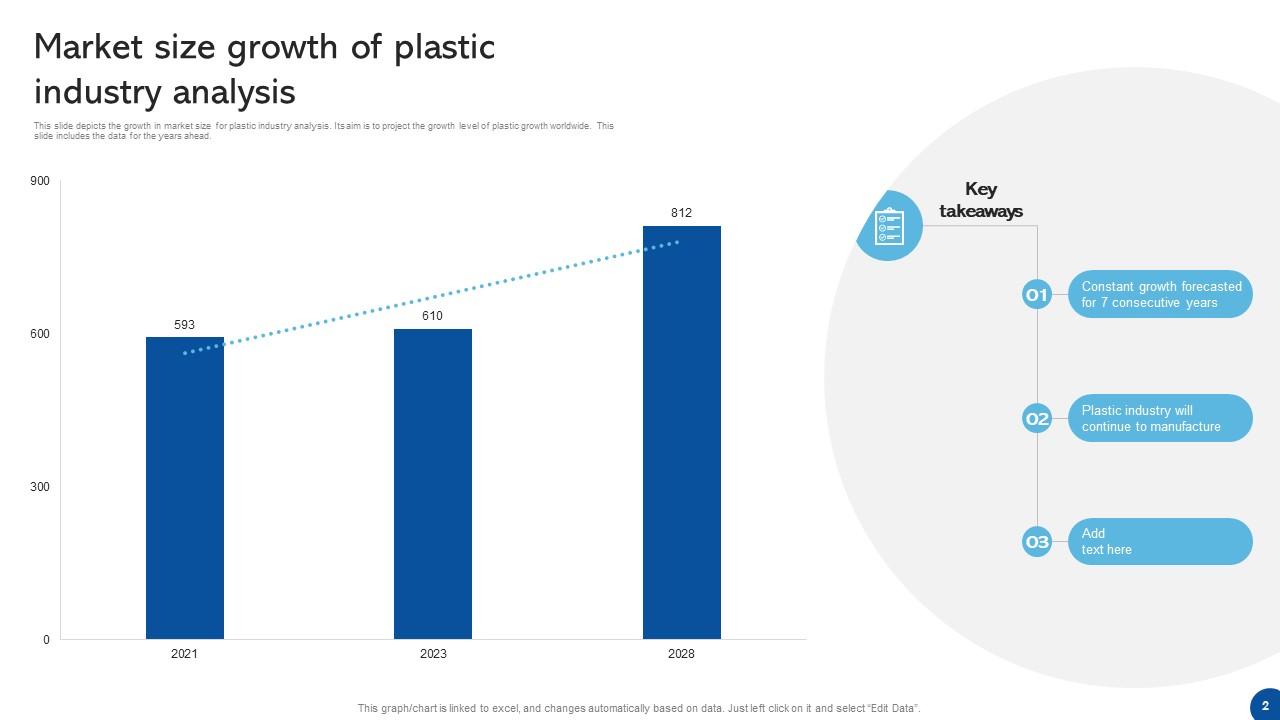
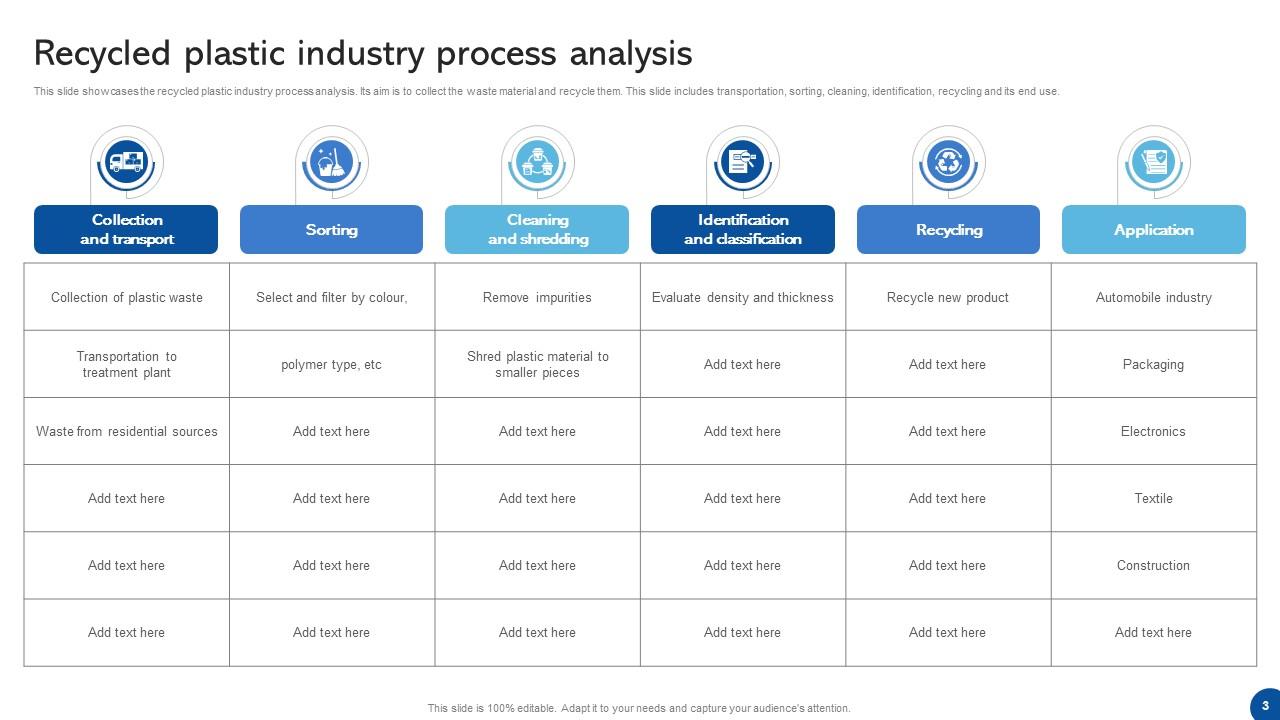
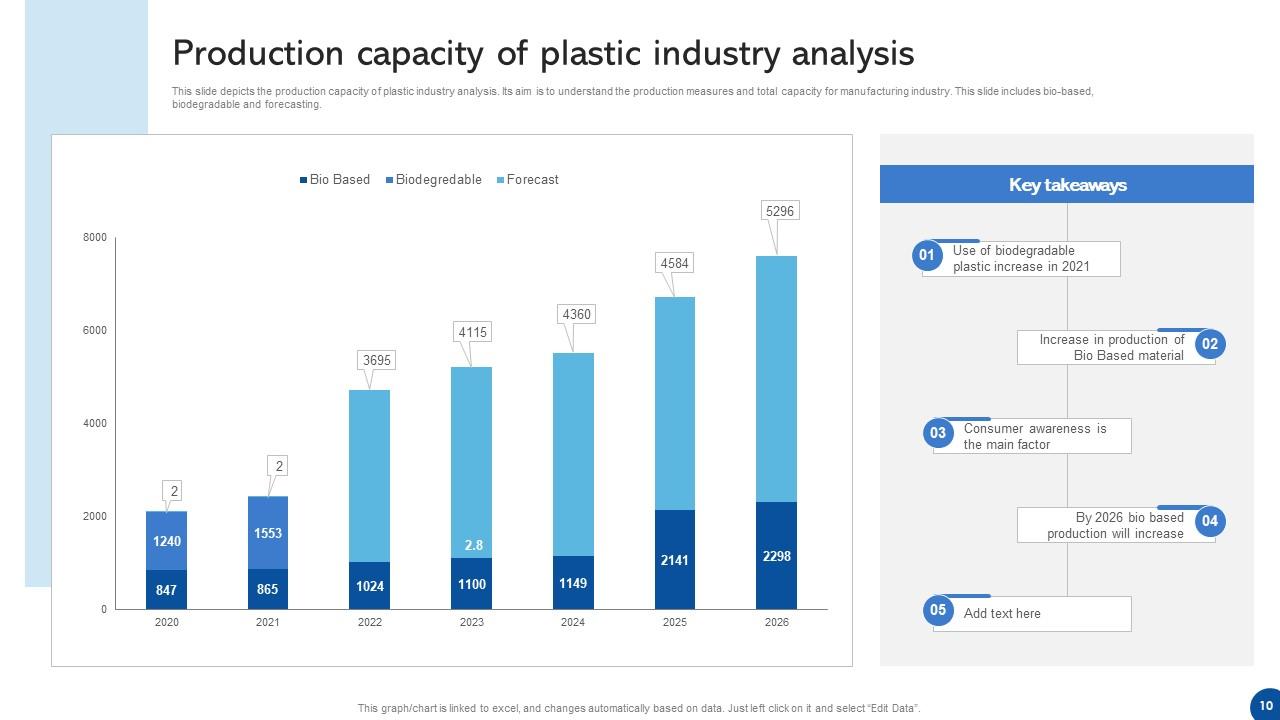
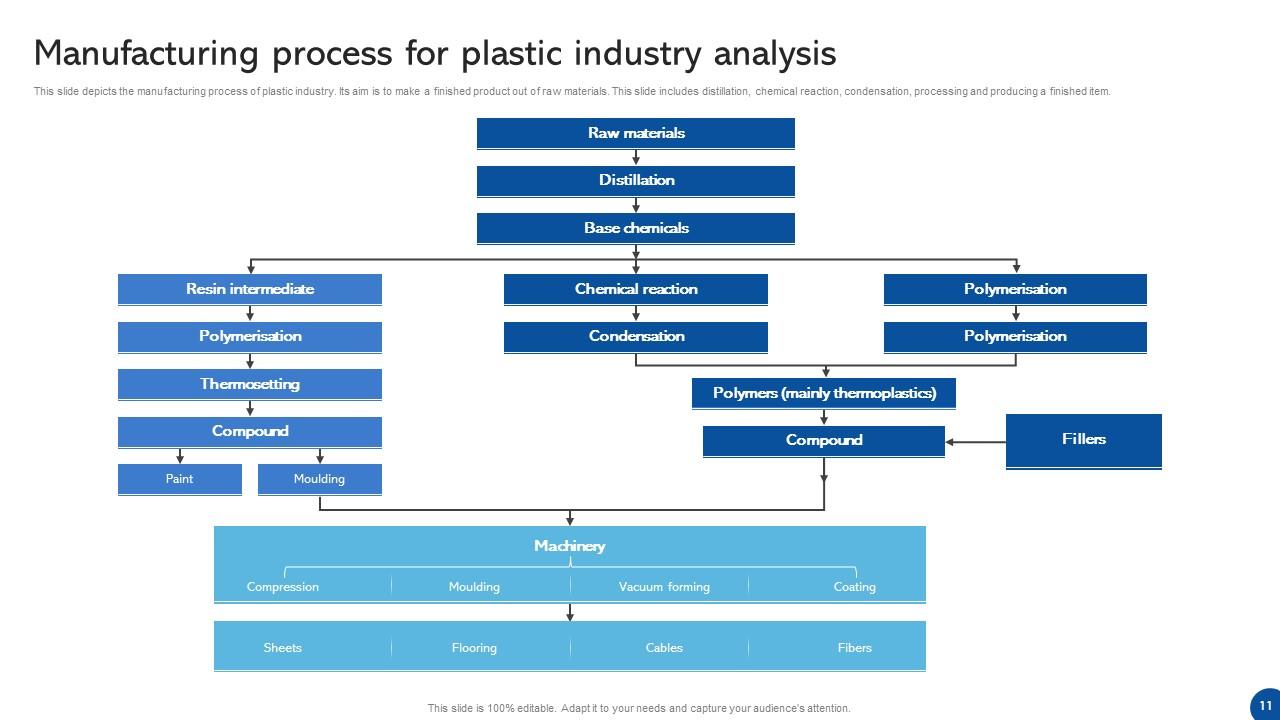
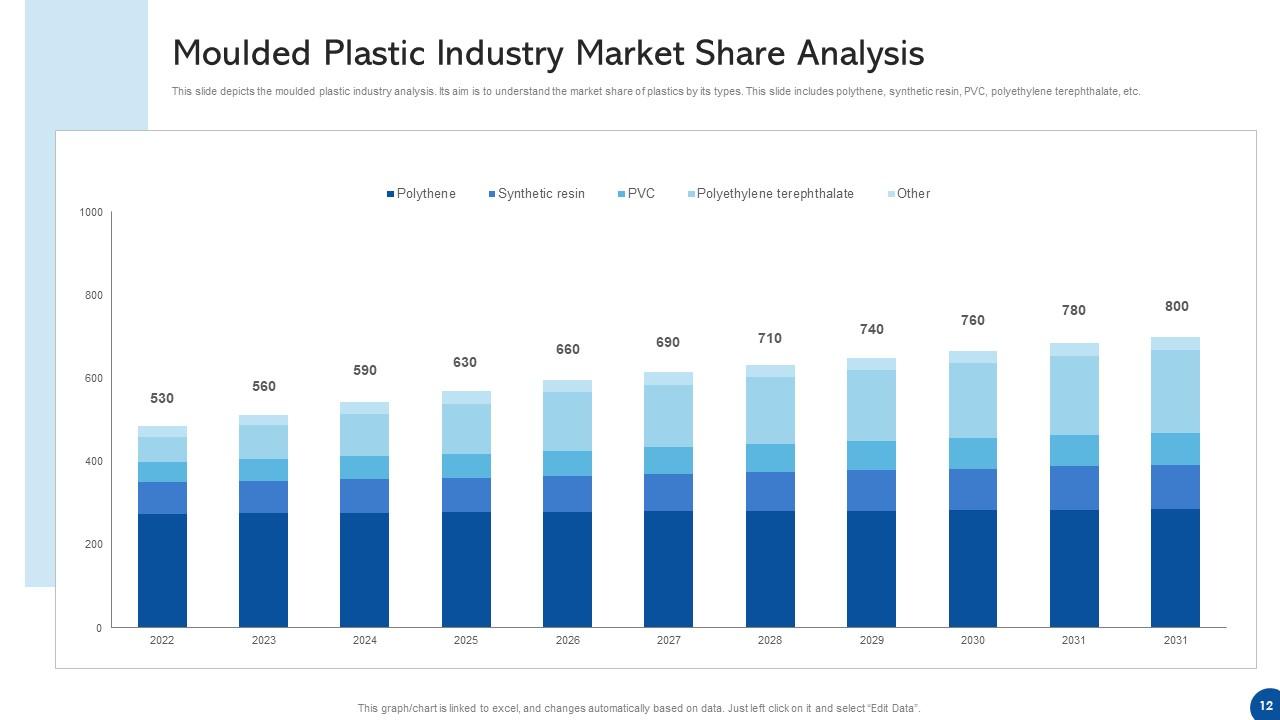
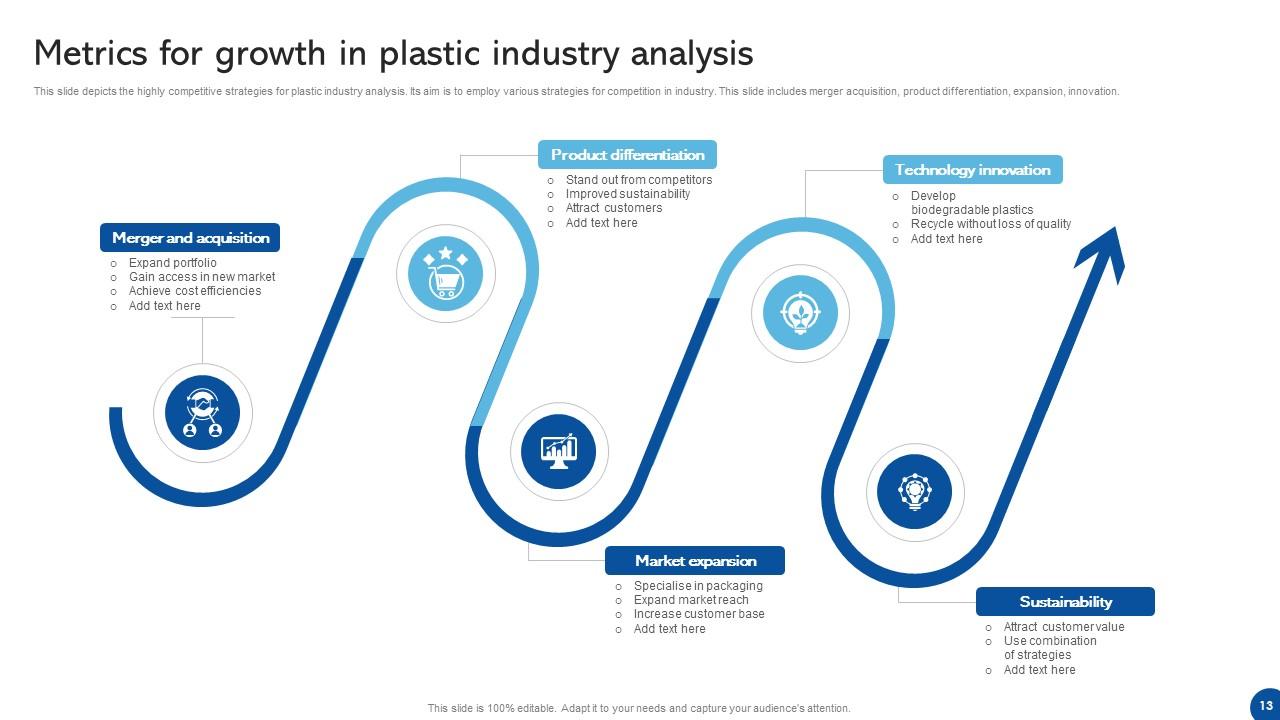
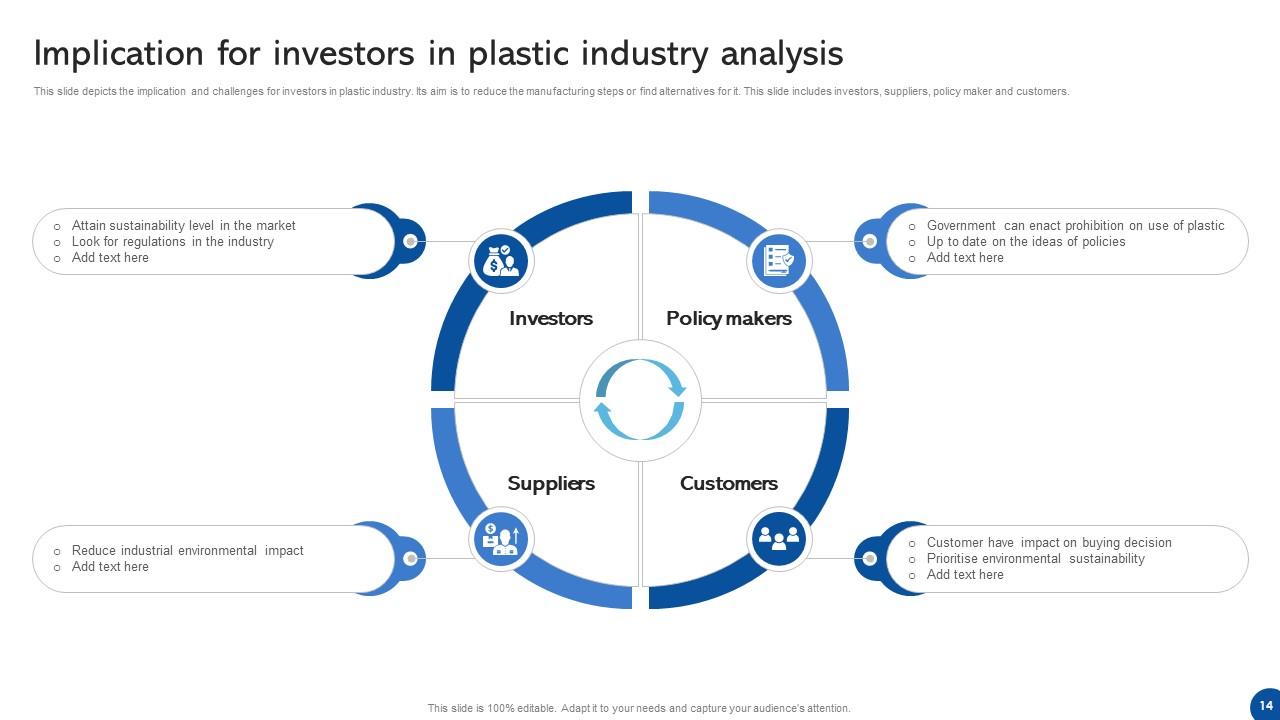
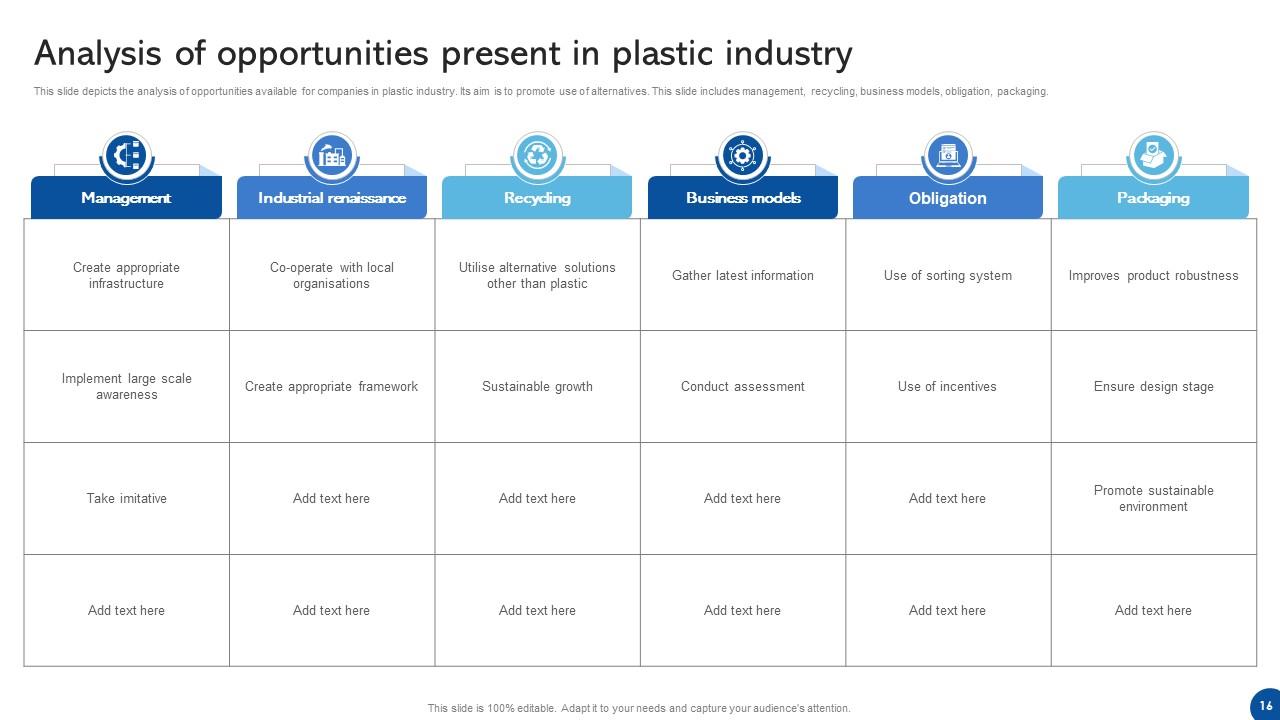
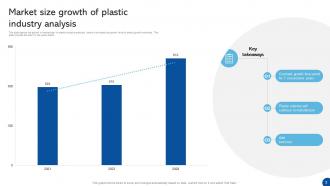
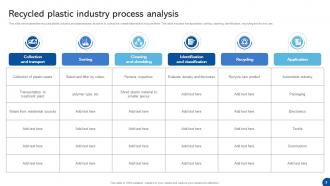
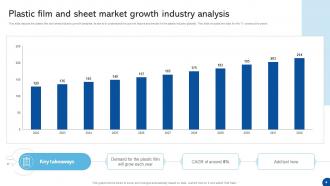
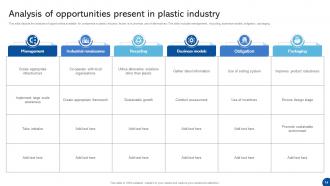
Introducing our comprehensive Plastic Industry Analysis PowerPoint PPT presentation your definitive guide to understanding the past, present, and future of the plastic industry. Dive into the dynamics of market growth within the plastic industry, uncovering trends and opportunities that shape this global sector.Explore the critical aspects of recycled plastic industry analysis, shedding light on sustainable practices and circular economy initiatives that are transforming the industry. Discover insights into the sustainable plastic industry analysis, helping you navigate the growing demand for eco-friendly and responsible plastic solutions.With visually captivating slides and expert insights, our Plastic Industry Analysis PPT equips you with the knowledge to make informed decisions in this evolving industry. Whether you are a plastic industry professional, investor, or environmental advocate, this PPT is your compass for understanding and influencing the future of plastics. Elevate your understanding of the plastic industry with our PPT today.
People who downloaded this PowerPoint presentation also viewed the following :
Plastic Industry Analysis Powerpoint Ppt Template Bundles with all 28 slides:
Use our Plastic Industry Analysis Powerpoint Ppt Template Bundles to effectively help you save your valuable time. They are readymade to fit into any presentation structure.
FAQs for Plastic Industry Analysis Powerpoint
Sustainability's the biggest thing right now - everyone wants recyclable and bio-based plastics because consumers won't shut up about it (and regulators are breathing down necks too). Packaging is exploding thanks to online shopping. Cars need lighter materials for better gas mileage. Asia-Pacific is crushing it demand-wise with all their manufacturing. But honestly? Regulations are moving way faster than the actual tech can keep up. That's creating some serious opportunities if you know where to look, but also giving manufacturers major headaches. Things are changing so quickly it's hard to predict what'll happen next.
Yeah, the traditional plastic guys are definitely feeling the heat right now. Major brands like Unilever and P&G are ditching their old suppliers for bio-based options, which has got to sting. PET and polyethylene are taking a hit, especially in packaging where recycled content is basically mandatory now for big contracts. Honestly, it's kinda fascinating watching some legacy companies pour money into green tech while others just... don't. Those holdouts might regret it. I'd watch which camp different players fall into if you're following this stuff.
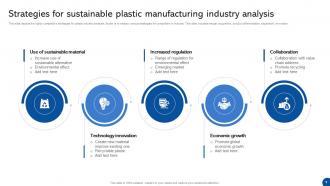
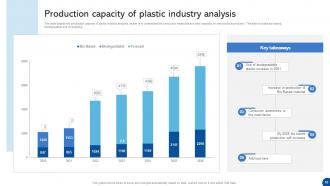
Yeah, innovation is everything in biodegradable plastics right now. Labs are basically racing to crack new polymer structures that don't suck at breaking down quickly. The chemistry gets wild - researchers are constantly messing with molecular compositions to find that sweet spot. Manufacturing processes need major upgrades too so these materials can actually compete price-wise with regular plastic (which is still crazy cheap tbh). Testing methods are getting better at proving stuff actually biodegrades like companies claim. Patents around new biopolymer blends are where the real action is if you're following this stuff.
Honestly, government regulations are completely turning plastic manufacturing upside down. Environmental policies are pushing everyone toward recycled content and biodegradable stuff. Carbon taxes? They're forcing companies to dump money into new tech. Single-use bans are wiping out entire product lines - though I guess that's creating space for alternatives. The EU is going crazy with this stuff, but it's spreading everywhere. Production processes have to be cleaner now too. My advice? Keep an eye on policy changes in your main markets and start budgeting for compliance costs way ahead of time.
Honestly, it's mostly about contamination and money. Mixed plastics are a nightmare to sort, and all that food gunk plus labels make everything expensive and gross to process. Market demand is all over the place too - recycled stuff sometimes costs MORE than new plastic, which is backwards but whatever. Infrastructure sucks in a lot of places, like seriously outdated facilities or just nothing at all. People don't help either, they'll toss random junk in with recyclables. If you're thinking about this area, sorting tech and contamination fixes are where the real money is.
So basically, big companies like Unilever and P&G are scrambling to use more recycled plastic in their packaging. They're also throwing money at biodegradable stuff - some are even making packaging from seaweed, which honestly sounds kinda weird but whatever works. Consumers won't shut up about sustainability (rightfully so), and governments are cracking down with new rules. The really interesting part? Traditional plastic companies are teaming up with biotech startups. That's where you'll see the game-changing innovations happening. It's all about circular economy now - reuse everything, waste nothing.
Yeah, plastic waste is seriously messing up ecosystems - those turtle photos are brutal. Companies are finally doing something though. Chemical recycling is getting big investment, lots are switching to bio-based stuff, and packaging redesigns are using way less material. The "circular economy" thing is what I'd watch - basically plastic that never becomes trash. Oh, and some brands are teaming up with cleanup groups which is cool I guess. Just make sure you're checking who's actually hitting their goals vs. who's just talking a big game, you know?
So there's a bunch of stuff happening in plastic manufacturing right now. AI is making production way more efficient - like, it actually works now which is cool. Chemical recycling can break plastics down to molecular level, which blows my mind honestly. 3D printing changed everything for prototyping obviously, but now it's doing actual manufacturing too. Bio-based plastics finally got competitive (took forever). Smart sensors are everywhere now for quality control. Oh and IoT integration but that's kinda expected at this point. I'd probably start with whatever matches what you're already doing.
Dude, India and Southeast Asia are where it's at for plastic demand growth. We're talking 4-6% annually while developed markets are crawling at 1-2%. Rising middle class means more packaged food, electronics, cars - you know the drill. Manufacturing is exploding there too which honestly makes total sense when you think about it. Africa's growing but they're starting from practically nothing. If I were you I'd focus on those Asian markets first since that's where the real volume is gonna come from over the next decade.
Look, competitive analysis is basically your roadmap for smart betting in plastics. Check what gaps exist - maybe everyone's doing packaging while automotive sits wide open. That's where you jump in. Pricing becomes clearer too, so you'll know if you should compete on cost or push specialty materials instead. Honestly, half these companies are throwing money at bio-plastics right now, which tells you something about where the market's headed. I'd track 3-5 main competitors every quarter - their moves show you market shifts before they happen. It's like having a crystal ball, but actually useful.
So trade agreements basically control how plastic materials flow between countries - they set tariffs, quotas, and safety rules that'll hit your supply costs hard. NAFTA/USMCA is massive for North American resin trade. Then you've got CPTPP opening up Asia-Pacific markets, though honestly all these acronyms blur together after a while. They also sync up environmental standards across regions, which is clutch when you're sourcing from multiple countries. If you're thinking international sourcing or expansion, definitely map out which agreements cover your main markets first. They'll make or break your margins.
Consumers are pushing hard for greener options, so plastic companies are scrambling to adapt. Dow and BASF are dumping billions into chemical recycling tech. Others are teaming up with brands for closed-loop packaging - basically trying to make everything reusable. There's this crazy buying spree happening too, with bigger companies snatching up recycling startups like they're going out of style. Bio-based plastics are becoming huge. Oh, and here's a tip - check their R&D spending if you want to see who's actually serious versus just doing PR stunts.
Look, plastic bans are honestly a mess right now economically speaking. Some places like Kenya saw their textile industry boom after ditching plastic bags, but California businesses got slammed with compliance costs initially. Manufacturing jobs are disappearing while recycling sectors grow - it's this weird trade-off happening everywhere. Most bans are so new that the data's all over the place still. Your supply chain will probably cost more short-term since alternatives aren't cheap yet. But companies jumping on sustainable packaging early are actually winning customers. I'd map out what plastics you're using now and find backup suppliers before things get tighter.
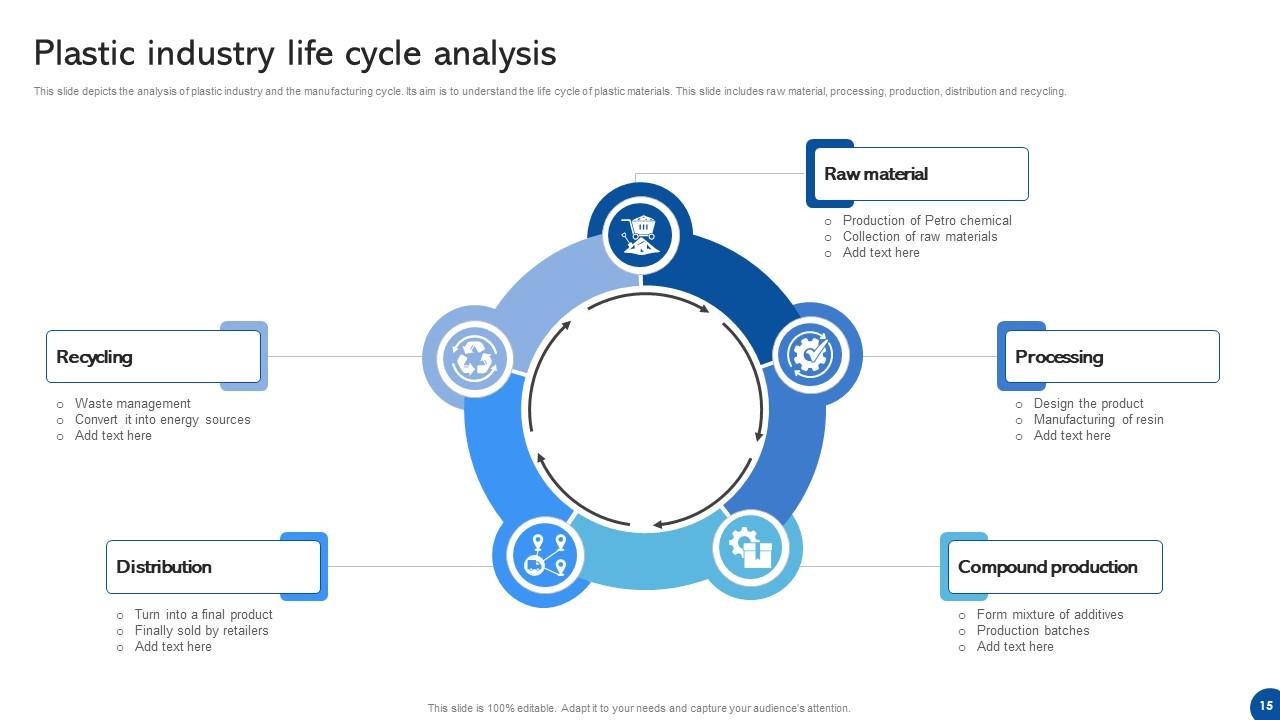
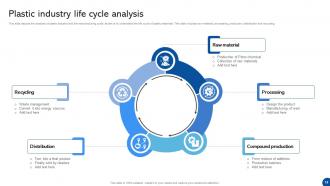
So lifecycle analysis tracks plastics from start to finish - raw materials, manufacturing, use, disposal, the whole thing. It reveals exactly where your biggest environmental headaches are lurking. Companies use this info to figure out what to tackle first, maybe switching to bio-based materials or beefing up their recycling game. Some are completely redesigning products based on what pops up as problem areas. Honestly, you can't fix what you don't know is broken. I'd start by getting a decent LCA on your top product lines - that'll give you the roadmap you need.
Dude, plastic recycling is getting crazy good lately. Chemical recycling breaks everything down to the molecular level - even stuff that used to be impossible to recycle. AI sorting systems can identify plastic types automatically now, which speeds things up like mad. There's this wild enzyme tech that basically eats plastic waste (sounds like sci-fi but it's real). Blockchain helps track materials through the whole process too. Honestly, if you're investing in this space, I'd look hard at chemical recycling partnerships. That's where the real money is right now - way more potential than traditional methods.
-
Very well designed and informative templates.
-
Amazing variety of PowerPoint slides. Really helpful in designing professional presentations.Â