


Neuromarketing Techniques Used To Study Customer Behavior MKT CD V




Try Before you Buy Download Free Sample Product
 Impress Your
 Audience
 100%
100% Editable
 Save Hours
 of Time


Neuromarketing studies customers brain response to promotions by monitoring their brain activity, eye tracking, and sensory response. Grab our Neuromarketing techniques used to study customer behavior template. It helps to understand customer perception and behavior to predict consumer decision-making. Our Neuroscience deck showcases a neuromarketing overview, statistics, principles, myths, and essential stimuli, along with a market overview, regional assessment, and segmentation by technology and end users. Additionally, it covers applications for neuromarketing, such as product packaging, UI testing, branding, digital marketing, and product pricing. Our Sensory marketing PPT also includes neuromarketing tools fMRI, electroencephalography, eye tracking technology, biometrics, and facial coding that help marketers assess customer behavior. Further, it highlights strategies for neuromarketing, including five senses sight, sound, taste, smell, and touch along with colors, the impact of sensory marketing, and a case study of Dunkin Donuts. Lastly, our Emotional marketing module exhibits the techniques, modes for persuasion, marketing campaign, impact, and case study for Duracell, along with the effect of neuromarketing on brand development. Download our 100 percent editable and customizable template, which is also compatible with Google Slides.
People who downloaded this PowerPoint presentation also viewed the following :
Content of this Powerpoint Presentation
Slide 1: This slide introduces Neuromarketing techniques used to study customer behavior. Commence by stating Your Company Name.
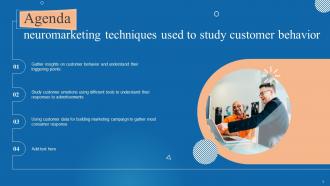
Slide 2: This slide depicts the Agenda of the presentation.
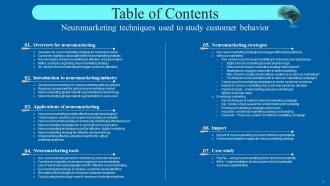
Slide 3: This slide includes the Table of Contents.
Slide 4: This slide highlights the Title for the Topics to be covered further.
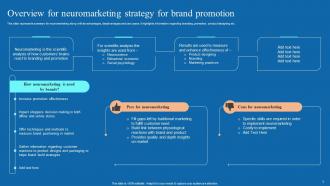
Slide 5: This slide represents summary for neuromarketing along with its advantages, disadvantages and use cases.
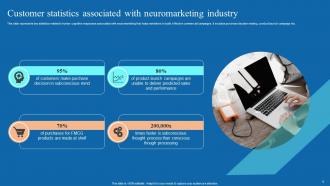
Slide 6: This slide represents the Customer statistics associated with neuromarketing industry.
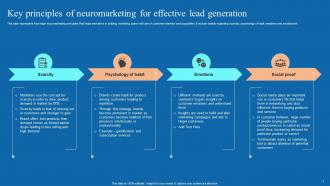
Slide 7: This slide states the Key principles of neuromarketing for effective lead generation.
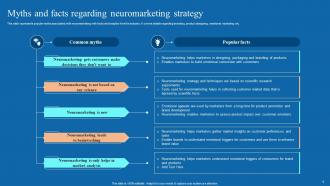
Slide 8: This slide shows popular myths associated with neuromarketing with facts and insights from the industry.
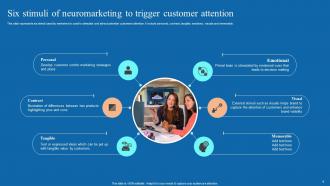
Slide 9: This slide highlights the Six stimuli of neuromarketing to trigger customer attention.
Slide 10: This slide incorporates the Heading for the Contents to be discussed next.
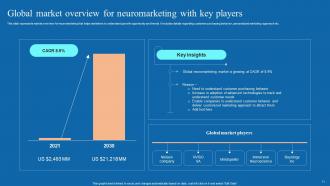
Slide 11: This slide represents market overview for neuromarketing to understand growth opportunity and trends.
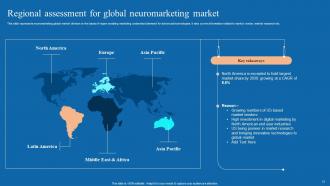
Slide 12: This slide depicts the Regional assessment for global neuromarketing market.
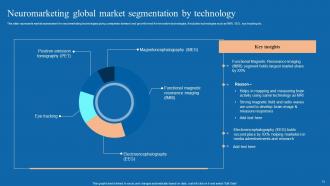
Slide 13: This slide highlights the Neuromarketing global market segmentation by technology.
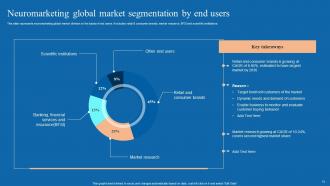
Slide 14: This slide reveals neuromarketing global market division on the basis of end users.
Slide 15: This slide shows the Title for the Ideas to be covered in the following template.
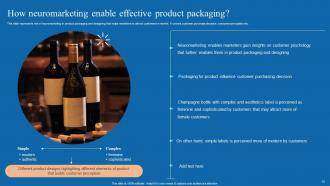
Slide 16: This slide displays How neuromarketing enable effective product packaging.
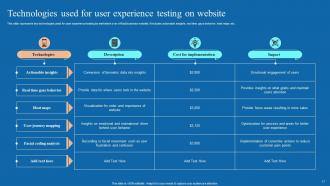
Slide 17: This slide states the Technologies used for user experience testing on website.
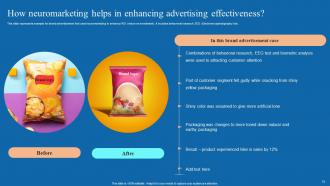
Slide 18: This slide represents example for brand advertisement that used neuromarketing to enhance ROI.
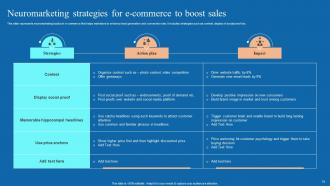
Slide 19: This slide displays the Neuromarketing strategies for e-commerce to boost sales.
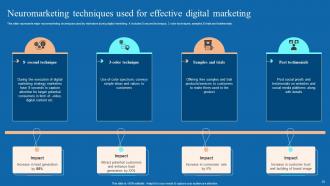
Slide 20: This slide shows major neuromarketing techniques used by marketers during digital marketing.
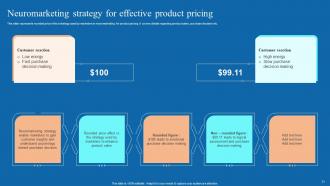
Slide 21: This slide highlights the Neuromarketing strategy for effective product pricing.
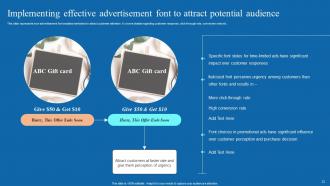
Slide 22: This slide deals with Implementing effective advertisement font to attract potential audience.
Slide 23: This slide contains the Heading for the Ideas to be discussed further.
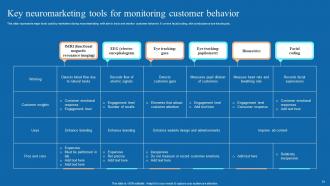
Slide 24: This slide showcases the Key neuromarketing tools for monitoring customer behavior.
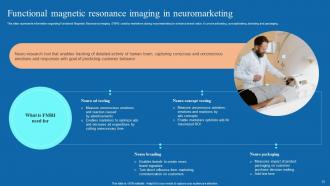
Slide 25: This slide represents information regarding Functional Magnetic Resonance Imaging (FMRI).
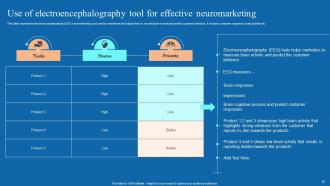
Slide 26: This slide exhibits the Use of electroencephalography tool for effective neuromarketing.
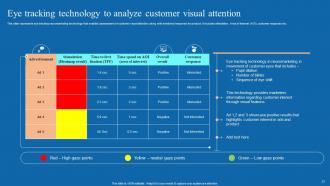
Slide 27: This slide talks about Eye tracking technology to analyze customer visual attention.
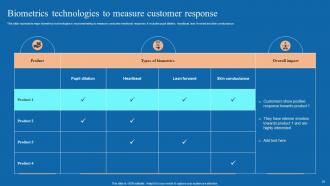
Slide 28: This slide represents major biometrics technologies in neuromarketing to measure consumer emotional response.
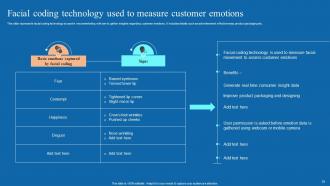
Slide 29: This slide portrays the Facial coding technology used to measure customer emotions.
Slide 30: This slide highlights the Title for the Contents to be covered in the upcoming template.
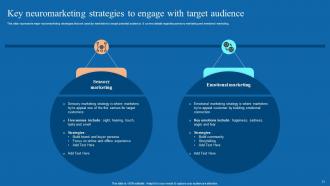
Slide 31: This slide reveals major neuromarketing strategies that are used by marketers to target potential audience.
Slide 32: This slide includes the Heading for the Topics to be discussed next.
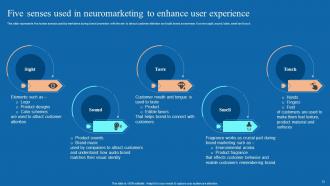
Slide 33: This slide states the Five senses used in neuromarketing to enhance user experience.
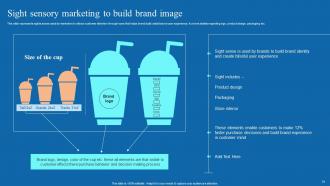
Slide 34: This slide illustrates the Sight sensory marketing to build brand image.
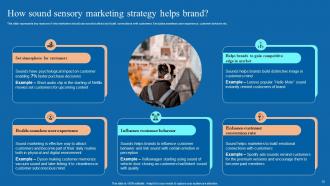
Slide 35: This slide shows How sound sensory marketing strategy helps brand.
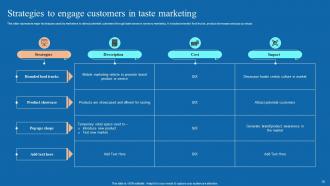
Slide 36: This slide exhibits the Strategies to engage customers in taste marketing.
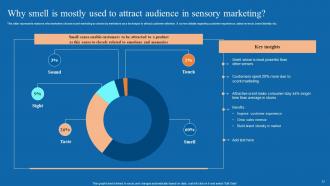
Slide 37: This slide represents reasons why marketers choose scent marketing as a technique to attract customer attention.
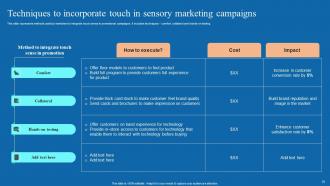
Slide 38: This slide elucidates the techniques used by marketers to integrate touch sense in promotional campaigns.
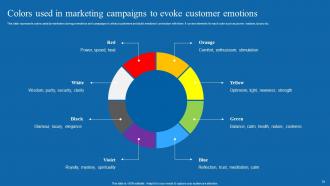
Slide 39: This slide highlights the Colors used in marketing campaigns to evoke customer emotions.
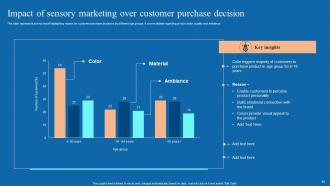
Slide 40: This slide reveals the Impact of sensory marketing over customer purchase decision.
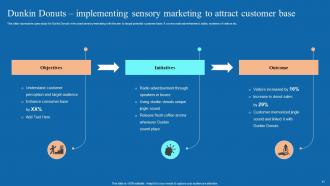
Slide 41: This slide depicts the case study for Dunkin Donuts who used sensory marketing with the aim to target potential customer base.
Slide 42: This slide portrays the Title for the Topics to be covered further.
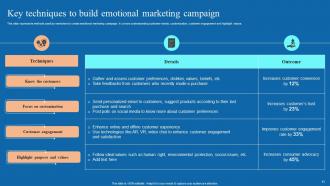
Slide 43: This slide represents methods used by marketers to create emotional marketing campaign.
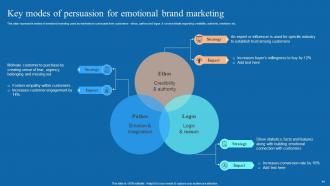
Slide 44: This slide exhibits the Key modes of persuasion for emotional brand marketing.
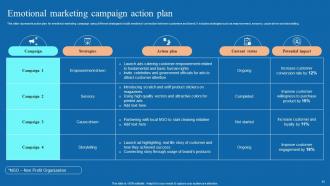
Slide 45: This slide presents the action plan for emotional marketing campaign using different strategies.
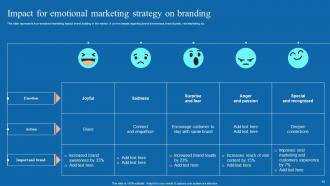
Slide 46: This slide shows how emotional marketing impact brand building in the market.
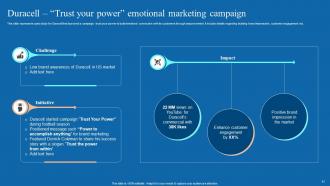
Slide 47: This slide depicts the case study for Duracell that launched a campaign: trust your power to build emotional connection with its customers.
Slide 48: This slide mentions the Heading for the Topics to be discussed next.
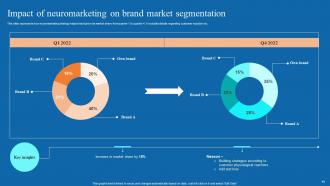
Slide 49: This slide represents how neuromarketing strategy helps brand grow its market share from quarter 1 to quarter 4.
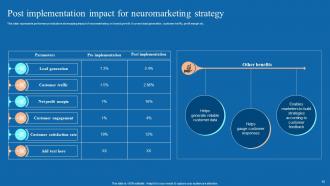
Slide 50: This slide talks about the Post implementation impact for neuromarketing strategy.
Slide 51: This slide displays the Title for the Ideas to be covered next.
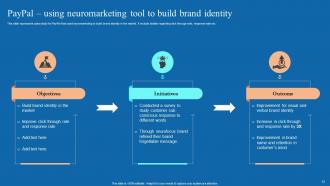
Slide 52: This slide represents case study for PayPal that used neuromarketing to build brand identity in the market.
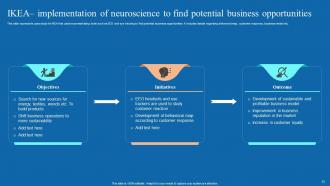
Slide 53: This slide shows the case study for IKEA that used neuromarketing tools.
Slide 54: This is the Icons slide containing all the Icons used in the plan.
Slide 55: This slide reveals some Additional information.
Slide 56: This is Our team slide. State your team-related information here.
Slide 57: This slide shows the company's vision, mission, goals.
Slide 58: This is the Timeline infographic slide.
Slide 59: This is the 30, 60, 90, days plan slide for effective planning.
Slide 60: This is the Idea generation slide for encouraging fresh ideas.
Slide 61: This slide contains the Post it notes for reminders and deadlines.
Slide 62: This slide elucidates the Roadmap infographic.
Slide 63: This is the Thank You slide for acknowledgement.
Neuromarketing Techniques Used To Study Customer Behavior MKT CD V with all 71 slides:
Use our Neuromarketing Techniques Used To Study Customer Behavior MKT CD V to effectively help you save your valuable time. They are readymade to fit into any presentation structure.











FAQs for Neuromarketing Techniques Used To Study Customer Behavior
So neuromarketing is basically brain science meets shopping psychology. Pretty cool actually. People buy with their emotions first, then justify with logic later - which is why storytelling hits so hard. Keep your messaging simple though, because our brains get overwhelmed fast. We also copy what others do (social proof works like crazy). Here's the thing - your brain processes images 60,000 times faster than text, so visuals are everything. Oh, and we hate losing stuff way more than we enjoy getting it. These tricks work because they target subconscious decisions before you even know you want something. Definitely use emotional hooks and clean imagery in your next campaign.
Eye-tracking basically shows you where people's eyes go on your ads and how long they stay there. Super useful stuff. You'll see if they're actually reading your headline or just staring at some random model's face (which honestly happens way more than it should). The data gives you visual hotspots and tells you if people are even noticing your CTA button. Instead of guessing what works, you can redesign based on real viewing patterns. I'd start with whatever ad is performing best right now - you might find out it's working for totally different reasons than you thought.
Honestly, emotions beat logic every single time when people are buying stuff. Your brain's limbic system fires way faster than the logical part - that's why Coca-Cola doesn't really sell soda, they sell happiness. Pretty genius if you think about it. When you're looking at brain scans and biometric readings, you'll see way stronger reactions when people actually *feel* something about your brand. Features and benefits? Boring. Make them feel joy, fear, nostalgia - whatever fits. Then give them the rational reasons after they're already hooked emotionally.
So basically you'll want to compare your before/after numbers - stuff like purchase intent, brand recall, actual sales. The cool part is mixing regular analytics with the biometric data from neuro tests. Track your conversion rates and engagement time, but also watch for those emotional response patterns. Honestly, once you start seeing correlations between high emotional engagement and people actually buying stuff, it gets pretty addictive. Run A/B tests with your neuro-optimized content vs regular campaigns to see real ROI differences. Oh and start small - pick one campaign and track everything you can think of.
Okay so transparency is absolutely key - people need to know you're reading their brain data and consent to it. The manipulation aspect freaks me out honestly, since you're accessing stuff they can't even control consciously. Don't target vulnerable groups like kids or anyone with cognitive issues. Brain data is super sensitive too, so privacy protection is critical. I'd definitely set up ethical guidelines before doing anything and maybe run it by an ethics board first? This stuff gets sketchy fast if you're not careful about it.
Dude, neuromarketing is actually crazy useful for product design. Instead of relying on what people *think* they want, you can see what genuinely sparks positive brain activity - specific colors, shapes, features that reduce mental effort. Most buying decisions happen subconsciously anyway, which honestly blew my mind when I first learned it. Eye-tracking studies can reveal friction points customers don't even realize stress them out. I'd start simple though - maybe test your packaging or website with basic eye-tracking to see where attention really goes. The brain imaging stuff gets expensive fast, but even small tests give you solid insights.
So neuromarketing is basically using brain scans and eye-tracking to see how people *really* react to ads - not what they tell you in surveys. fMRI and EEG tech picks up on genuine emotions and attention patterns you can't fake. Honestly, it sounds way cooler than it actually is in practice. The equipment costs a fortune, you're stuck with tiny sample sizes, and interpreting all that brain data? Total nightmare. Plus buying decisions are still pretty unpredictable even with all this fancy tech. My advice? Start with eye-tracking studies if you're curious - they're way cheaper and you'll actually learn what catches people's attention.
Dude, people don't actually know why they buy stuff half the time. Like, they'll tell you it's about price or features, but really? They're buying because something made them feel a certain way. Colors can create urgency without people realizing it. Messaging that taps into wanting status or fitting in works way better than logical appeals. I swear, our brains are weird like that. Skip the surveys where everyone gives "smart" answers. Test emotional triggers instead - see what actually gets people to act. Way more effective than asking what they think they want.
Yeah there's some cool examples out there! Campbell's totally revamped their soup packaging after brain scans showed people weren't feeling it emotionally - sales went up after the redesign. Frito-Lay discovered through neuroimaging that shiny chip bags actually made people feel guilty (weird, right?), so they went with matte instead. PayPal used eye-tracking to figure out their best checkout flow. Even politicians are doing this stuff now which is honestly kind of creepy. If you're thinking about trying it, I'd start with simple A/B testing plus basic biometric stuff before dropping serious cash on brain scanning equipment.
So neuromarketing is basically regular marketing but with brain scans thrown in. You'll still do your normal focus groups and surveys, but now you can also hook people up to EEGs or fMRI machines to see what's actually firing in their brains when they watch your ads. The crazy part? People's neural responses don't always match what they tell you they like. I mean, makes sense when you think about it - we're all terrible at knowing our own minds. You're not ditching your usual A/B testing or customer research, just adding this extra layer of subconscious data on top. Pretty cool way to catch those gaps between what people say and actually feel.
Honestly, visual stuff works best - your brain processes images way faster than text, so good visuals hit you emotionally right away. Music and sounds create those memory connections too. Here's something wild though: scent is crazy powerful. Ever wonder why stores always smell like vanilla? They're literally manipulating your mood lol. Touch matters too - textures and temperature actually activate reward centers in your brain. The magic happens when you stack these together. Warm lighting plus good music plus subtle scents? You're hitting multiple triggers at once. I'd start with visuals and audio since they're easier to test.
So basically neuromarketing shows what customers' brains actually do with pricing - way more accurate than surveys. Higher prices literally light up reward centers when people think they're getting premium stuff, which is pretty crazy. Start with price anchoring (put expensive options first), then try charm pricing like $9.99 instead of $10. Bundling works too. Here's the thing though - people decide value subconsciously before they even think rationally about it. That's why A/B testing your price presentation while tracking both brain data and actual purchases will find your sweet spot. The unconscious mind moves fast on this stuff.
Dude, neuromarketing is about to get wild. EEG headsets are getting way cheaper, and AI can crunch brain data instantly now. Mobile neurofeedback tools? You'll literally use them while shopping. The ethics stuff is getting complicated though - more regulations coming for sure around consent and privacy. VR/AR testing is becoming huge, plus they're building emotion-detection that works through regular webcams instead of fancy lab gear. Honestly, I'd start setting aside budget for this stuff now. Early adopters are gonna crush it while everyone else is still figuring out what happened.
Oh man, this is huge! Your brain literally processes stuff differently based on your cultural background. We bombed hard on a campaign last year because what worked great in the US totally missed the mark in Japan. Colors mean different things, people react to faces differently - even basic decision-making patterns aren't universal. You can't just run tests in one market and copy-paste globally (learned that the expensive way lol). Each culture needs its own neuro testing approach. Social cues that seem obvious to us might be meaningless or even offensive elsewhere. Always test locally first.
Portable EEG headsets are huge right now, plus eye-tracking glasses that don't look totally ridiculous anymore. Facial coding software reads micro-expressions in real-time - honestly kind of creepy how good it's gotten. fMRI is still expensive but way cheaper than before. Oh, and voice analytics for emotions are everywhere now. Companies are throwing people into VR retail environments to see how they react to products, which is pretty wild when you think about it. You don't need some fancy lab setup anymore either. If you're just starting out, I'd go with basic eye-tracking or facial coding since they won't completely destroy your budget.
-
Editable, diversified, compatible with MS PPT and Google Slides, and on top of that finest graphics!! I mean in the words of the famous Ross Geller, “What more do you want!”
-
I discovered some really original and instructive business slides here. I found that they suited me well.