


New york city skyline image powerpoint presentation ppt template





Try Before you Buy Download Free Sample Product
 Impress Your
 Audience
 100%
100% Editable
 Save Hours
 of Time


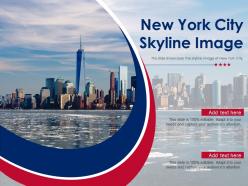
This slide showcases the skyline image of New York City.
People who downloaded this PowerPoint presentation also viewed the following :
New york city skyline image powerpoint presentation ppt template with all 2 slides:
Use our New York City Skyline Image Powerpoint Presentation PPT Template to effectively help you save your valuable time. They are readymade to fit into any presentation structure.

FAQs for New york city skyline image powerpoint
New York City's skyline predominantly features Art Deco architecture from the 1920s-1930s, modernist glass towers, contemporary steel and glass structures, Gothic Revival elements, and Beaux-Arts designs. These diverse architectural styles create a dynamic urban landscape that showcases the city's evolution through different eras, with many developers finding that this architectural diversity enhances both aesthetic appeal and commercial value.
New York City's skyline has transformed dramatically through key milestones including the Chrysler Building (1930), Empire State Building (1931), World Trade Center towers (1970s), and One World Trade Center (2014). These architectural achievements revolutionized urban development by introducing new construction technologies, maximizing vertical space utilization, and establishing design standards, with many global cities finding that New York's approach delivers both iconic identity and economic density advantages.
New York's most iconic skyscrapers include the Empire State Building, Chrysler Building, One World Trade Center, Flatiron Building, and 432 Park Avenue, each representing distinct architectural eras and cultural milestones. These landmarks enhance the city's global brand by attracting millions of tourists annually, driving significant economic activity, and ultimately delivering competitive advantage in real estate, hospitality, and tourism sectors.
The New York City skyline drives tourism by creating an instantly recognizable landmark that attracts millions of visitors annually, generating substantial revenue through hotels, restaurants, dining, and entertainment venues. These iconic structures, particularly the Empire State Building and One World Trade Center, enhance the city's global brand recognition, support real estate values, and create employment opportunities across hospitality and service sectors, ultimately delivering billions in economic impact while positioning New York as a premier international destination.
Lighting and nighttime aesthetics transform New York City's skyline into a dramatic visual spectacle, with illuminated skyscrapers like the Empire State Building and One World Trade Center creating iconic silhouettes that enhance the city's global brand recognition. These strategic lighting displays attract millions of tourists annually, boost property values in illuminated districts, and strengthen New York's competitive position as a world-class destination for business and tourism.
Environmental factors significantly affect skyline visibility through atmospheric conditions, air pollution levels, humidity, precipitation, and seasonal weather patterns. Weather phenomena like fog, smog, and haze can dramatically reduce clarity, while clear, dry conditions with low pollution enhance views, with many photographers and urban planners finding that optimal visibility occurs during post-storm periods when atmospheric particles are minimized.
Significant historical events shaping NYC's skyscrapers include the 1916 Zoning Resolution requiring setbacks, the 1920s economic boom fueling Art Deco towers like the Chrysler Building, post-WWII corporate expansion driving modernist designs, and urban renewal initiatives promoting mixed-use developments. These regulatory and economic milestones transformed Manhattan's skyline by encouraging vertical growth, architectural innovation, and strategic land use, ultimately delivering the world's most recognizable urban landscape and competitive real estate market.
New York City's skyline reflects its diverse culture through architectural styles spanning different eras and communities, from Art Deco masterpieces to modern glass towers representing global financial influence. These structures tell stories of immigrant communities, economic booms, and cultural movements, with neighborhoods like Chinatown, Little Italy, and Harlem contributing distinct architectural elements that showcase the city's multicultural evolution and enduring cosmopolitan identity.
Contemporary NYC skyscrapers incorporate energy-efficient systems, green building materials, smart climate controls, renewable energy sources, and advanced water management technologies. These sustainable design elements streamline operational costs, enhance tenant experiences, and deliver competitive advantages, with many commercial developers finding that eco-friendly buildings attract premium tenants while significantly reducing long-term environmental impact.
Architects and developers face zoning restrictions, wind load calculations, seismic considerations, foundation complexities in varied soil conditions, and strict height limitations when designing skyline buildings. These challenges require strategic engineering solutions, extensive environmental impact assessments, and innovative structural approaches, with many developers finding that early regulatory consultation and advanced building technologies ultimately streamline approval processes while delivering iconic, compliant structures.
Regulations and zoning laws significantly influence skyline structures through height restrictions, setback requirements, floor area ratios, and design standards that balance development with infrastructure capacity. These frameworks enable controlled urban growth while preserving neighborhood character, with many developers finding that strategic compliance delivers enhanced property values, streamlined approval processes, and ultimately sustainable architectural innovation within Manhattan's increasingly regulated environment.
Observation decks like One World Observatory and Top of the Rock serve as premier urban experience destinations, offering panoramic city perspectives, architectural appreciation opportunities, and significant tourism revenue generation. These elevated platforms enhance visitor engagement by providing educational exhibits, interactive displays, and memorable photo experiences, while contributing to local economic development through increased foot traffic, extended visitor stays, and premium pricing models that ultimately deliver substantial returns for property developers and tourism stakeholders.
New York City's skyline has been depicted as a symbol of ambition, romance, and urban complexity in countless films, television shows, novels, and artworks, from classic movies like "King Kong" to contemporary series and literary works. These cultural representations enhance the city's global brand recognition, tourism appeal, and real estate values, with many developers and marketers leveraging iconic skyline imagery to communicate prestige, opportunity, and metropolitan sophistication.
New skyscraper designs in NYC integrate smart building systems, energy-efficient facades, IoT sensors, sustainable materials, and automated climate controls. These technologies streamline operations by reducing energy consumption, enhancing tenant experiences, and optimizing maintenance schedules, with many developers finding that these innovations deliver significant cost savings while meeting increasingly stringent environmental standards.
Locals perceive New York City's skyline as a powerful symbol of ambition, resilience, and opportunity that deeply shapes their identity and connection to the city. This iconic landscape fosters pride, belonging, and determination among residents, with many finding that the towering structures represent their own aspirations, while the ever-evolving skyline reinforces their sense of living in a dynamic, world-class metropolis.
-
Much better than the original! Thanks for the quick turnaround.
-
Colors used are bright and distinctive.
-
Much better than the original! Thanks for the quick turnaround.
-
Colors used are bright and distinctive.
-
Unique and attractive product design.