Nursing Care Plan PowerPoint PPT Template Bundles
Try Before you Buy Download Free Sample Product
Audience
Editable
of Time
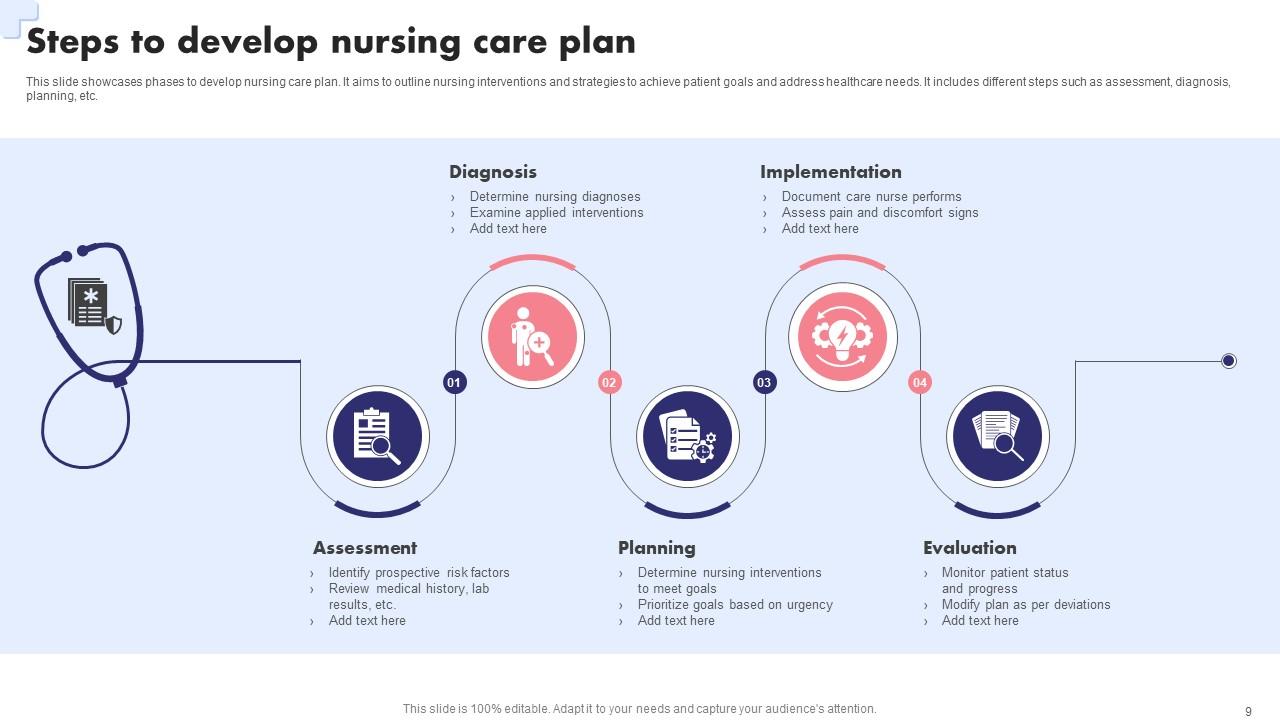
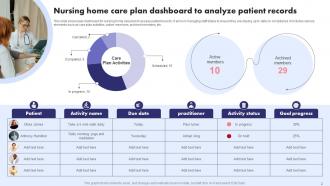
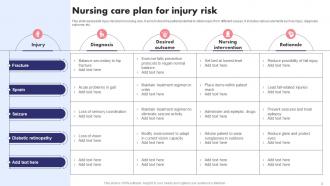
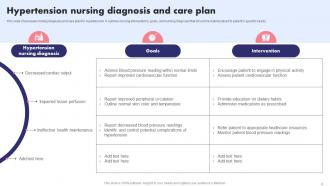
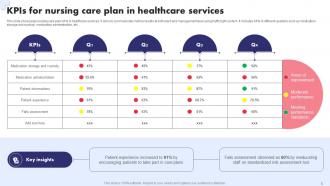
A nursing care plan NCP is a systematic, individualized document that outlines the care and interventions required to promote a patients health and well-being. It serves as a roadmap for nurses and healthcare providers to deliver high-quality and patient-centered care. A typical NCP includes assessments, nursing diagnoses, desired outcomes, specific interventions, and a timeline for implementation. By tailoring care to a patients unique needs and goals, NCPs ensure effective, safe, and holistic healthcare delivery. They facilitate communication among the healthcare team, enable continuity of care, and promote efficient resource allocation. NCPs are vital tools in optimizing patient outcomes and enhancing the overall quality of healthcare services.

People who downloaded this PowerPoint presentation also viewed the following :
Nursing Care Plan PowerPoint PPT Template Bundles with all 20 slides:
Use our Nursing Care Plan PowerPoint PPT Template Bundles to effectively help you save your valuable time. They are readymade to fit into any presentation structure.
FAQs for Nursing Care Plan PowerPoint
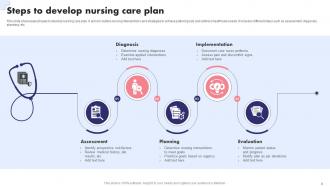
So you'll need assessment data, nursing diagnoses, patient goals, interventions, and evaluation criteria. Patient demographics too, obviously. Each facility formats these differently which is honestly kind of annoying, but those main parts stay the same. Document your baseline assessment first. Then identify problems using NANDA diagnoses - both actual issues and potential ones. Set measurable goals with realistic timeframes. List your specific nursing actions and track how the patient's progressing. The goals really need to be measurable though, otherwise you can't tell if anything you're doing is actually helping.
Honestly, care plan templates are game-changers. They help you spot problems before they blow up into bigger issues. No more awkward shift changes where you're scrambling to figure out what the last nurse was thinking. Everything's documented right there. Your interventions become way more focused too - like, you're actually following evidence instead of just winging it. The best part? You can track if stuff is actually working since you set real goals upfront. Patients definitely get better care when everyone knows the plan. Trust me, try it on your next admit and you'll wonder why you waited so long.
Okay so assessment is literally everything - it's what your whole care plan builds on. You collect what patients tell you (subjective stuff) plus all the hard data like vitals and labs. Then you piece it together to figure out what's actually wrong versus what could go wrong. Honestly feels like detective work half the time! This analysis becomes your nursing diagnoses, which leads to your goals and interventions. Pro tip: be super thorough at the start because if you miss something in assessment, you'll definitely miss it in your care plan. Oh and document everything you observe - makes writing the rest way less painful later.
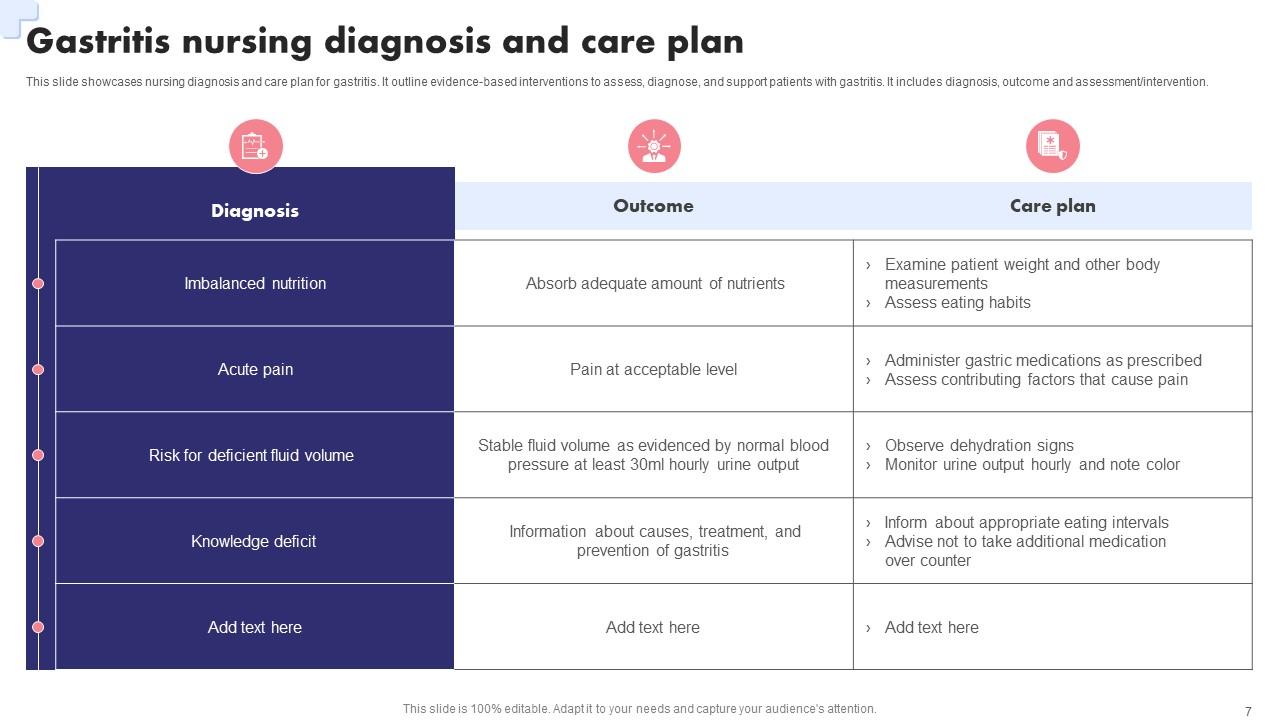
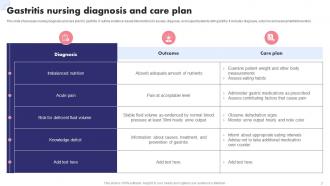
Okay so nursing diagnoses are literally the backbone of your whole care plan. They drive everything else. After you assess your patient and figure out their main problems, those diagnoses show you what outcomes to aim for and which interventions actually make sense. Without good diagnoses? You're basically just guessing and throwing random stuff at problems. The diagnosis shapes your goals, your interventions, and how you'll know if anything's working. Honestly, I learned this the hard way my first semester - spend the time upfront getting your diagnoses right and the rest writes itself way easier.
SMART goals are your best friend here - specific, measurable, achievable, relevant, time-bound. Don't write vague stuff like "patient will feel better." Go for something concrete: "patient will rate pain as 3/10 or less within 4 hours of medication administration." Trust me, I bombed this my first year! You want observable behaviors you can actually measure. Action verbs work great - "demonstrate," "verbalize," "maintain." Oh, and realistic timeframes are key. The goals should match what's actually wrong with your patient, not some textbook scenario. It's way easier than it sounds once you get the hang of it.
So basically you gotta look at each patient's whole picture - their culture, what language they speak, education level, money situation, all that stuff. I always start by figuring out how they communicate and what their family setup is like. Religious stuff matters too, obviously. Honestly, you'd be surprised how much something simple like food restrictions or modesty issues can totally flip your whole approach. Build family into the plan if that's their thing culturally. The trick is weaving all this into your initial assessment so it shapes everything from day one.
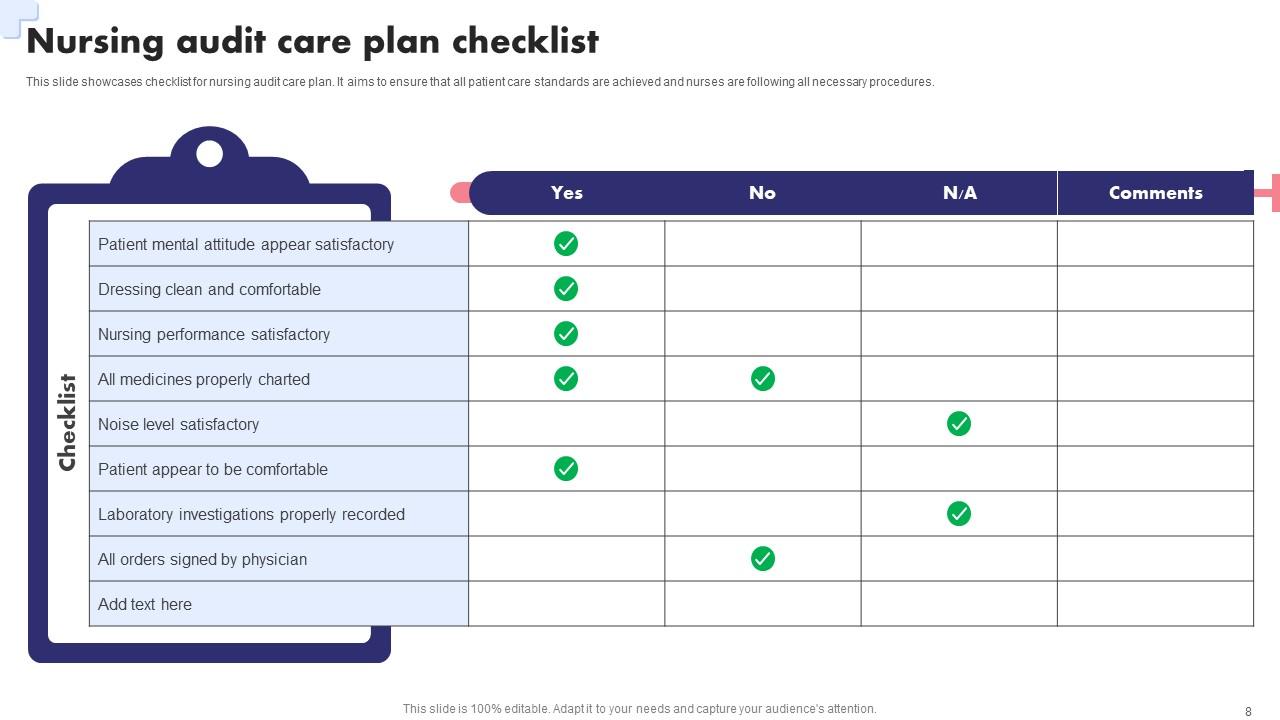
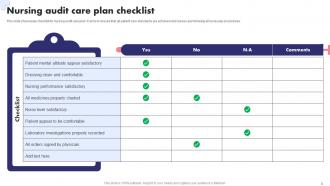
Your facility will have specific standards, but stick to objective, measurable language. Don't use wishy-washy terms like "appears" or "seems." NANDA diagnoses are your friend when possible. Always include timeframes for interventions and evaluations. Legal gets super picky about documentation - learned that the hard way! Document the patient's actual responses to what you did, not just that you did it. Date and sign everything (yeah, obvious but easy to forget when you're drowning). Keep a reference guide nearby until it becomes automatic. Trust me, it's worth the extra effort.
Check your unit's protocols first, but generally every 24 hours minimum. Critical care does it every 12 though - those patients change fast. Really depends on what's happening with your patient too. New symptoms? Med changes? Definitely review it then. Most places want you looking at them during shift changes anyway. Honestly, I'd rather review too often than miss something major. Document whatever updates you make - that part's non-negotiable. Your facility might have stricter rules, so definitely ask around when you start.
Honestly, the hardest part is when patient conditions keep changing and you're scrambling to adjust everything. Time is always against you too - documentation alone eats up way more hours than it should. Plus you'll have like 4 patients all needing attention at once, so priorities get messy fast. Night shift workflows are totally different from day shift, which messes up your planned interventions. And don't even get me started on patients who just won't follow the care plan. Quick reassessments each shift help catch problems early though. I'd say build some flexibility into whatever templates you're using.
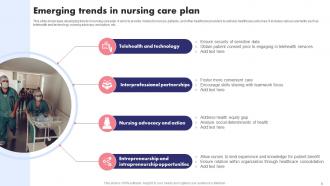
Honestly, tech makes such a huge difference with care plans. Your EHR can auto-fill most patient info and set reminders so you don't forget interventions. Real-time tracking is clutch too. I'm obsessed with mobile apps - updating plans while you're literally walking between rooms saves so much time. Decision support tools will catch stuff you miss and suggest evidence-based approaches. Everything syncs across the team automatically which is nice. Oh, and don't try to do everything at once. Just use whatever system you already have and add features gradually.
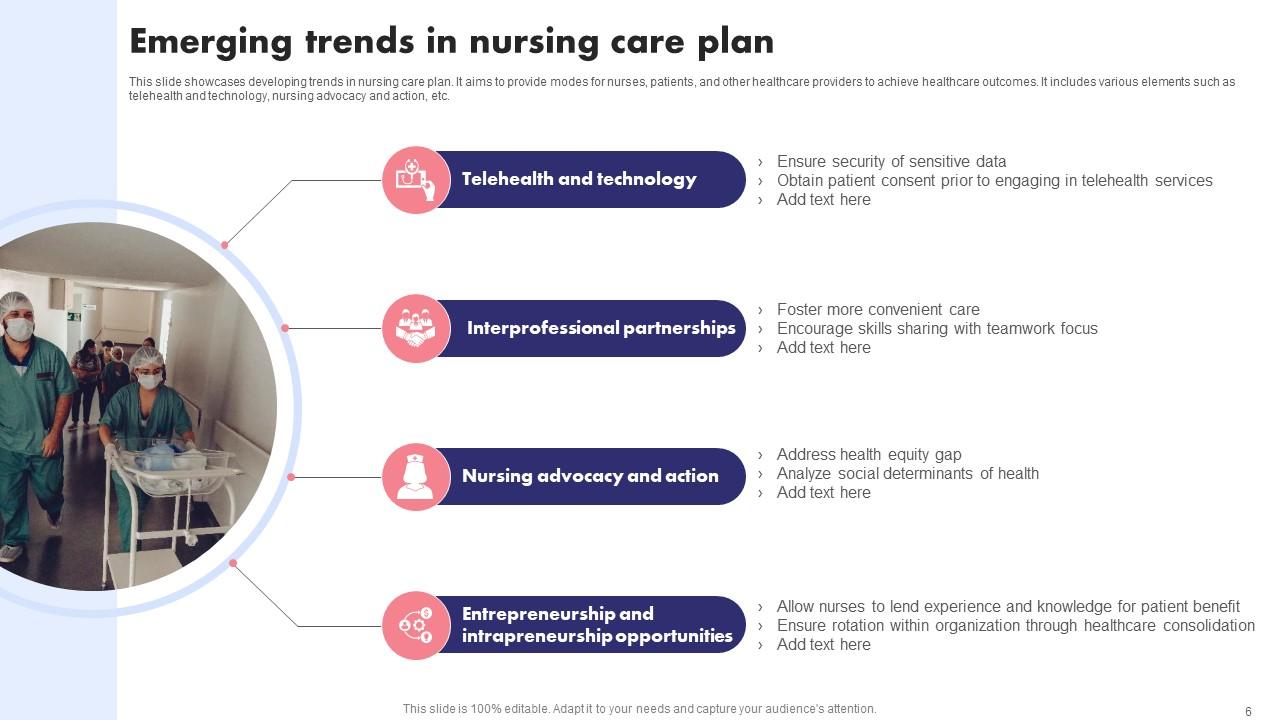
Dude, getting patients involved makes such a difference. They actually stick to the plan when they help create it - makes total sense, right? I mean, they live in their bodies 24/7, so they know what'll work and what won't. Honestly, some of my best insights come from just listening to patients tell me about their routines. It's wild how much they notice that we miss. Short version: treat them like partners instead of just telling them what to do. You'll see way better results and they won't hate the whole process.
So you know how you'll have a patient and feel like you're missing something? That's where interdisciplinary teams totally save you. Getting input from PT, social work, dietitians - whoever's involved - helps you catch gaps you'd never spot alone. Everyone brings different expertise to the table. Complex patients especially benefit from this approach (and let's be honest, most of our patients are complex these days). Try setting up quick 15-minute huddles or case conferences. Short meetings work better than long ones anyway. You'll be amazed how much your care plans improve when all disciplines actually talk to each other.
So the big three are patient autonomy, beneficence, and justice. Respect their choices even when you think they're making the wrong call - that's the hardest part honestly. Don't cause harm while trying to help (easier said than done when you're following protocols that feel rigid). Treat everyone fairly regardless of who they are or what brought them in. Document everything clearly and actually include patients in planning their care. Oh, and always advocate for what's genuinely best for them, not what makes your shift smoother. It's messier than it sounds but those principles will guide you through most situations.
Look at both physical and mental stuff right from the start - don't just slap on a psych eval at the end like most people do. Think about how their physical symptoms are messing with their sleep, mood, anxiety, all that. When you're planning care, address everything together. Like, if someone's in pain, use comfort measures that help both the physical hurt and their stress levels. Schedule things so they keep their dignity intact too. Oh, and document how they're actually coping with being sick - not just the medical stuff. It's way more effective than treating everything separately.
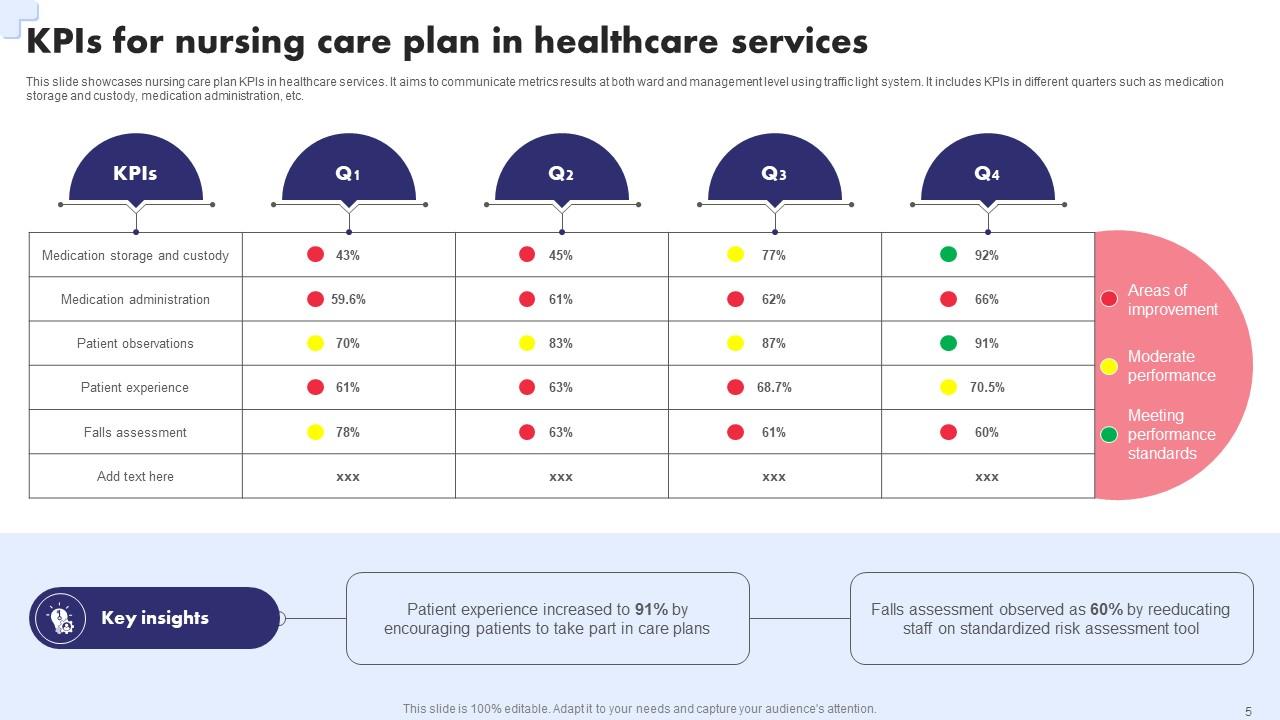
Look at your measurable goals first - is pain actually dropping from 8 to 4? Can they walk those 50 feet now? The numbers don't lie, even when we want them to. Ask your patient how they're really feeling about the interventions too. Document everything because patterns show up over time that you might miss day-to-day. Sometimes I think we get too attached to our original plans though. If things aren't improving like expected, switch it up. Flexibility beats stubbornness every time in care planning.
-
Amazing product with appealing content and design.
-
Requested a complete pitch deck. Delivered immediately and with high quality well researched content.