


Nursing Management Powerpoint Presentation Slides




Try Before you Buy Download Free Sample Product
 Impress Your
 Audience
 100%
100% Editable
 Save Hours
 of Time


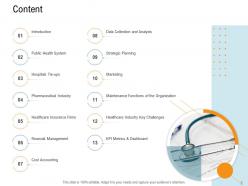
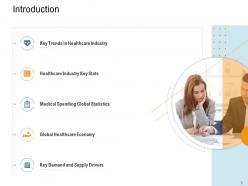
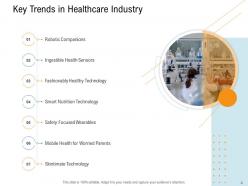
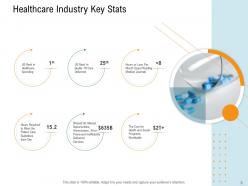
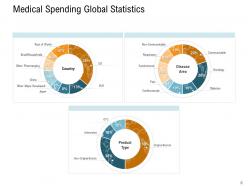
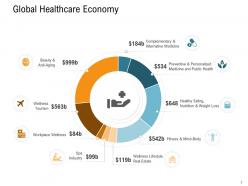
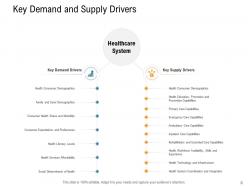
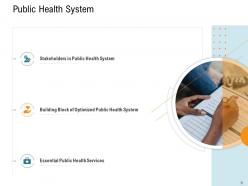
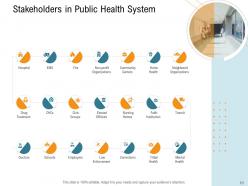
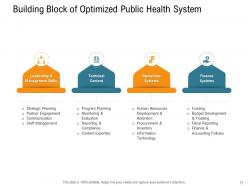
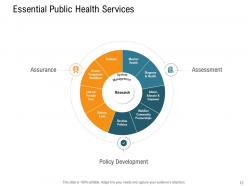
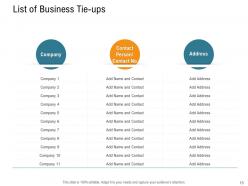
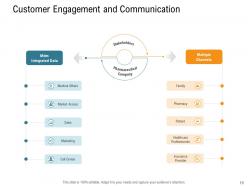
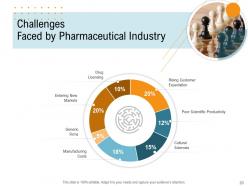
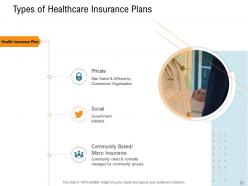
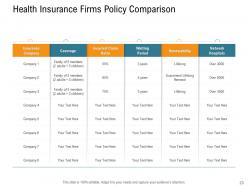
Introduce your hospitality services with none other than our Nursing Management PowerPoint Presentation Slides. Educate your audience about the wide-ranging components and fields of the public health system by employing our hospital sector PPT presentation. Highlight the crucial health system trends such as robotics companions, ingestible health sensors, nutrition technology, and skintimate technology with our medical industry PPT templates. Use this hospitality management PPT layouts to focus on the key growth, supply, and demand drivers responsible for the successful expansion of your business. These content-specific slides will assist you in determining the building blocks of an optimized public healthcare system. Engage in displaying the customer engagement and communication for your organization with our high-quality editable and adaptable icons, charts, columns, images pharma industry management PPT deck. Draw a comparison between health insurance firms' policies for different companies by taking the aid of these public health nursing PPT themes. Download this nursing administration PowerPoint deck and create a winning presentation to impress the audience.
People who downloaded this PowerPoint presentation also viewed the following :
Nursing Management Powerpoint Presentation Slides with all 67 slides:
Use our Nursing Management Powerpoint Presentation Slides to effectively help you save your valuable time. They are readymade to fit into any presentation structure.

FAQs for Nursing Management
Honestly, it's all about communication and knowing your stuff clinically. Build trust with your team first - that's like 80% of the battle right there. Quick decision-making under pressure is huge, plus you gotta delegate well and advocate for everyone (patients AND staff). The leadership part? People need to actually want to follow you when everything's falling apart. Oh, and balancing budgets with good patient care is a total headache sometimes. Emotional intelligence matters way more than people think. Start with earning your team's respect though - everything else gets easier after that.
Honestly, it really comes down to communication and recognition. Do regular check-ins - not just crisis meetings - and actually listen when people talk. I can't tell you how many managers just nod and ignore everything! Celebrate wins publicly, even the small stuff. Give your team real input on decisions that affect them, and don't sugarcoat what's happening with upper management changes. Oh, and deal with toxic people fast before they wreck morale for everyone else. Model what you want to see too.
Honestly, communication makes or breaks everything in nursing management. You can't coordinate care or delegate properly if people don't know what's going on - it's chaos. Try being direct but not harsh, and actually listen instead of just planning what to say next. SBAR helps with handoffs too. Team huddles are surprisingly effective, though they feel awkward at first. The biggest thing? People need to feel safe calling out problems without getting their heads bitten off. I'd start by asking someone on your team what they think could be better communication-wise. You might get some real insights.
Oh man, where do I start? Electronic health records are a game changer - way less time spent on paperwork. Your staff scheduling gets so much easier with automated systems too. I love having mobile apps because you can pull up patient info instantly while you're running around the unit. The analytics stuff is pretty cool for tracking how everyone's doing, though honestly the learning curve kicked my butt at first. Telehealth platforms are huge now for monitoring patients remotely. Don't forget communication tools for shift changes - total lifesaver. Just pick one system and build from there, trust me.
Don't let this stuff sit and get worse - deal with it now. Listen to everyone first without picking sides, then get them in a room together so they can actually talk it out. Most managers I know hate doing this but honestly, avoiding it just makes everything messier later. Stick to what people are actually doing wrong, not their personalities or whatever. Find something everyone can agree on moving forward. Oh and definitely write this down somewhere - you'll thank yourself if things blow up again. Check back in a week or two to see if it's actually fixed.
Okay so compliance is basically all about staying ahead of things - monthly chart audits are your best friend, trust me. Training your staff regularly helps too, even if it's just quick 15-minute huddles about new protocols. I do quarterly policy reviews (ugh, so much paperwork but better than getting dinged by inspectors). Email reminders work great for regulation updates. Create a simple checklist for your unit and go over it weekly with charge nurses. Oh and accountability is huge - people need to know you're actually following up on stuff. Being proactive saves you so much headache later.
Honestly? You'll constantly juggle way too much with way too little - never enough staff, time, or supplies. Acute patients need you RIGHT NOW while chronic cases still require ongoing care. Meanwhile you're getting pressured about discharges and new admissions keep rolling in. Some days are just brutal, not gonna lie. Families have expectations, doctors have demands, and you're stuck making all these impossible decisions. I swear the key is getting good at triage and being super clear with your team about priorities. Otherwise everyone's confused about why certain patients get seen first and others wait.
Look, having the right staff and supplies available makes a huge difference for patients. When you allocate nurses properly and keep supplies stocked, care doesn't get delayed and medication errors drop. Staff can actually focus on patients instead of hunting for stuff. I've seen units that are well-resourced versus understaffed ones - it's literally night and day. Plus your team will be happier, which shows in how they interact with patients. Better bedside manner, more attention to detail. Oh, and definitely track your common shortages first. Build backup plans around those patterns.
Honestly, start with a good leadership course - that's your foundation right there. Financial management and conflict resolution are huge too, but don't try cramming it all in at once. Communication workshops saved my sanity because you'll literally spend half your time playing translator between doctors, staff, and admin. Quality improvement training isn't optional anymore, and you've got to learn those scheduling systems (ugh, necessary evil). Most successful managers I know went back for their MSN in nursing administration, though that's more long-term. Oh, and workforce management skills - super boring but you'll thank me later when you're not drowning in staffing headaches.
Start with solid metrics - patient satisfaction, med errors, attendance stuff. Monthly one-on-ones are a game changer for spotting problems early (and celebrating the good stuff too). Peer feedback works great but honestly takes forever to set up right. Give your staff specific goals they can actually measure, then get them what they need to succeed. Skip the whole "annual review and forget about it" thing - I've seen that fail so many times. Track progress where everyone can see it. People perform better when they know exactly where they stand.
You've gotta create that safe space where everyone actually feels comfortable speaking up, no matter their background or how long they've been there. Really listen to different viewpoints and make room for the quiet ones to jump in. Honestly, diverse teams crush it when it comes to clinical decisions - different cultural perspectives catch stuff that others totally miss. It's wild how that works. Set up clear communication rules and do regular check-ins. Oh, and make sure the workload feels fair across skill levels. Try team huddles where you rotate who's running the show.
Get your team involved from day one instead of just dropping news on them. Why the change matters and what's personally in it for them? Be super clear about that. People will push back - that's normal - so actually listen and tweak things when they make good points. You literally can't talk too much during big transitions, trust me on this one. Find some easy early wins to celebrate because momentum is everything. Oh, and they're gonna watch how YOU handle the whole thing, so don't hide in your office. Your attitude sets the tone for everyone else.
Honestly, emotional intelligence makes or breaks nursing managers. You've gotta read your team's stress levels and catch conflicts before they blow up. Plus connecting with patients during their worst moments? That builds serious trust. The self-awareness part is massive too - this job will drain you emotionally. I always tell people to watch for nonverbal cues during shift changes. You'll spot burnout way before it becomes a real problem. Oh, and navigating those tough conversations with staff gets so much easier when you can actually read the room.
Honestly, you've gotta become a translator between your team and the suits upstairs. Your staff will tell you they're drowning, but executives need to hear "our current staffing ratio is increasing turnover costs by 30%." Numbers are your best friend here - track everything from overtime to patient satisfaction scores. Don't just dump problems on management though. Come with solutions ready. Building relationships with other department heads helps too, especially when you need backup during budget fights. Oh, and definitely follow up with your team about their concerns, even if you can't fix things immediately. They need to know you're actually listening and working on it.
Time-blocking saved my sanity - I block out specific hours just for paperwork so it doesn't mess with patient time. Batching documentation works way better than doing bits throughout the day, honestly. You'll burn out trying to switch back and forth. Get your support staff to handle whatever they can, and voice-to-text is a game changer for charts. Early mornings or right after shift changes are usually quieter, perfect for admin stuff. But here's the thing - patient care always comes first. Someone having a rough time can't wait, but that stack of forms? It'll still be there in an hour.
-
Visually stunning presentation, love the content.
-
Very unique and reliable designs.
-
Helpful product design for delivering presentation.
-
Visually stunning presentation, love the content.
-
Awesome use of colors and designs in product templates.
-
Excellent template with unique design.
-
Topic best represented with attractive design.