


Objective Type Questions Around On Page SEO Edu Ppt




Try Before you Buy Download Free Sample Product
 Impress Your
 Audience
 100%
100% Editable
 Save Hours
 of Time


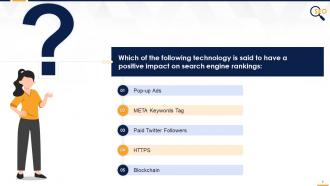
This set of slides contains multiple-choice questions on on-page SEO. The trainer can use these MCQs to assess the learnings of training session attendees.
People who downloaded this PowerPoint presentation also viewed the following :
Content of this Powerpoint Presentation
Additional Slide 1
This slide contains icons related to Search Engine Optimization (SEO). The slide uses the same color theme and similar design elements as the main deck.
Additional Slide 2
This slide can be edited to provide information about one's organization. The slide uses the same color theme and similar design elements as the main deck.
Additional Slide 3
This editable slide can be used to share the organization's vision, mission, and goals. The slide uses the same color theme and similar design elements as the main deck.
Additional Slide 4
This slide can be edited to provide information about the organization's core team. The slide uses the same color theme and similar design elements as the main deck.
Additional Slide 5
This slide can be used to present multiple discussion ideas to the stakeholders concerned.
Additional Slide 6
This slide contains an editable 30-60-90-day plan to suit the presenter's needs.
Additional Slide 7
This slide contains a timeline to showcase multiple milestones of the organization.
Additional Slide 8
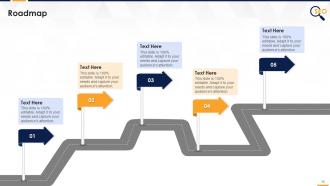
This slide contains a roadmap template for effective strategic planning. The slide uses the same color theme and similar design elements as the main deck.
Additional Slide 9
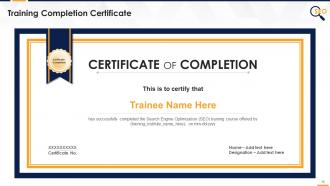
This fully editable training certificate template can be presented to attendees post the successful completion of training.
Objective Type Questions Around On Page SEO Edu Ppt with all 21 slides:
Use our Objective Type Questions Around On Page SEO Edu Ppt to effectively help you save your valuable time. They are readymade to fit into any presentation structure.








FAQs for Objective Type Questions Around On Page
On-page SEO for presentation template websites includes optimized title tags with relevant keywords, compelling meta descriptions, strategic header tag structure, fast-loading image optimization, and user-friendly URL structures. These elements work together by improving search visibility, enhancing user experience, and increasing click-through rates, with many template sites finding that strategic keyword placement and mobile responsiveness ultimately deliver higher rankings and better conversion rates.
Keyword research enhances presentation template visibility by identifying high-volume search terms, analyzing competitor strategies, and understanding user intent patterns. Through strategic keyword integration in titles, descriptions, and metadata, businesses can significantly improve search rankings, attract targeted traffic, and ultimately deliver better discoverability, with many template providers finding that optimized content generates substantially higher organic engagement.
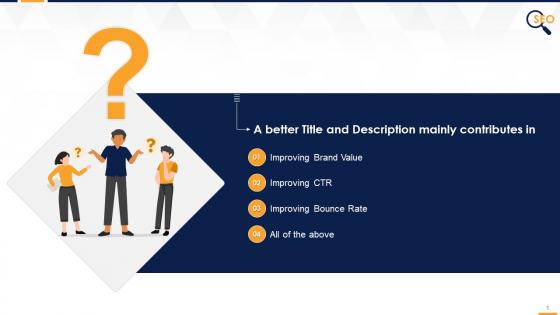
Meta titles and descriptions serve as compelling previews that directly influence user decisions to click on presentation template pages, functioning as the first impression in search results. Well-crafted meta titles with relevant keywords and descriptions that highlight specific benefits, such as "professional business templates" or "ready-to-use designs," significantly boost click-through rates by clearly communicating value propositions and matching user intent.
Optimizing image alt tags improves SEO by providing search engines with descriptive context about presentation template visuals, enabling better indexing and relevant keyword targeting. This enhancement increases organic search visibility for specific template categories like business proposals or marketing presentations, ultimately driving more qualified traffic and improving accessibility compliance, with many template marketplaces finding that detailed alt descriptions significantly boost their search rankings.
SEO-friendly presentation templates require strategic keyword integration, descriptive titles, compelling meta descriptions, optimized alt text for visuals, and structured data markup. These strategies enhance search visibility by improving relevance signals, increasing click-through rates, and delivering better user experiences, with many content creators finding that templates combining visual appeal with SEO fundamentals drive significantly higher organic traffic and engagement rates.
Page loading speed significantly impacts on-page SEO by affecting user experience metrics, search engine rankings, and conversion rates, with Google using Core Web Vitals as ranking factors. For presentation template websites, faster loading speeds enhance user engagement, reduce bounce rates, and improve template preview experiences, ultimately delivering better search visibility and competitive advantage in an increasingly speed-focused digital marketplace.
SEO-friendly URLs for presentation template pages should be short, descriptive, and include target keywords, using hyphens to separate words and avoiding special characters or numbers. Strategic URL structures like "/business-presentation-templates/marketing-strategy" enhance search visibility by clearly indicating content hierarchy and topic relevance, with many template providers finding that clean, keyword-rich URLs significantly improve organic rankings and user click-through rates.
Internal linking connects related presentation templates through strategic anchor text placement, category clustering, and contextual recommendations, creating clear navigation pathways for users browsing design collections. This approach enhances SEO by distributing page authority across template categories, reducing bounce rates, and increasing session duration, with many design platforms finding that well-structured internal linking ultimately delivers improved search rankings and higher template conversion rates.
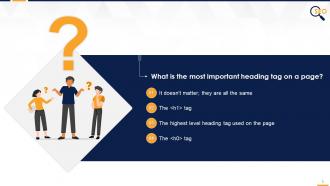
Headers (H1, H2, H3) establish clear content hierarchy, improve readability, enhance SEO rankings, guide user navigation, and communicate template structure effectively. These elements streamline content organization by signaling primary topics, supporting themes, and detailed sections, with many presentation platforms finding that strategic header implementation delivers better search visibility, user engagement, and ultimately stronger template discoverability across competitive marketplaces.
User-generated content like reviews and testimonials significantly enhances on-page SEO for presentation templates by providing fresh, keyword-rich content, increasing page uniqueness, and boosting search engine trust signals. These authentic user contributions improve dwell time, generate natural long-tail keywords, and create social proof that search engines recognize as quality indicators, ultimately delivering higher rankings and enhanced user engagement for template providers.
Tools for analyzing on-page SEO include Google Analytics, SEMrush, Ahrefs, Screaming Frog, and Yoast SEO, which help identify keyword opportunities, technical issues, and content optimization needs. These platforms streamline SEO auditing by tracking page performance, analyzing competitor strategies, and optimizing meta descriptions and title tags, ultimately delivering improved search rankings and increased organic traffic for template marketplaces.
Schema markup enhances presentation template visibility by providing structured data that helps search engines understand content context, format types, and user intent more effectively. Through schema implementation, template providers can specify product details, ratings, and usage categories, enabling rich snippets and enhanced search result displays that ultimately drive higher click-through rates and improved organic discoverability.
Mobile responsiveness significantly impacts on-page SEO for presentation template websites by improving user experience, reducing bounce rates, and enhancing Google's mobile-first indexing rankings. With search engines prioritizing mobile-friendly sites, responsive design ensures faster loading times, better navigation, and seamless template previews across devices, ultimately delivering higher search visibility and competitive advantage in an increasingly mobile-driven marketplace.
Common on-page SEO mistakes presentation template websites should avoid include missing title tags, poor keyword optimization, duplicate content across templates, slow loading speeds, and inadequate internal linking structures. These oversights significantly impact search visibility and user experience, with many template sites finding that addressing image compression, meta descriptions, and mobile responsiveness ultimately delivers better rankings and increased organic traffic.
Social sharing and engagement metrics influence on-page SEO by signaling content relevance to search engines, increasing backlink opportunities, and driving organic traffic that boosts domain authority. For presentation template websites, high social engagement on template showcases, design tutorials, and business content creates user-generated signals that enhance search visibility, while shared templates generate natural mentions and links, ultimately improving rankings for competitive keywords like "business templates" and "presentation designs."
-
Graphics are very appealing to eyes.
-
Top Quality presentations that are easily editable.