


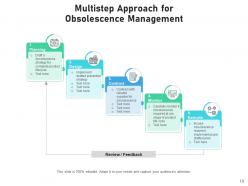
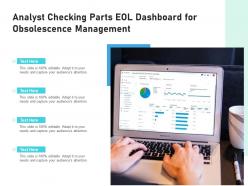
Obsolescence Management Assessment Process Analysis Evaluation Prioritization Product





Try Before you Buy Download Free Sample Product
 Impress Your
 Audience
 100%
100% Editable
 Save Hours
 of Time


Our Obsolescence Management Assessment Process Analysis Evaluation Prioritization Product are topically designed to provide an attractive backdrop to any subject. Use them to look like a presentation pro.
People who downloaded this PowerPoint presentation also viewed the following :
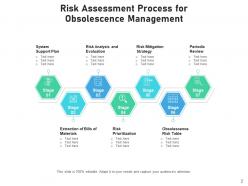
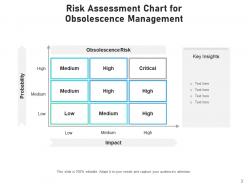
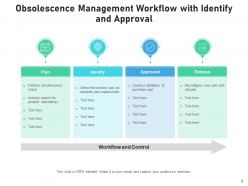
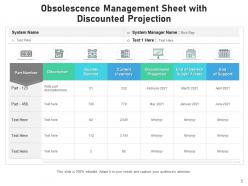
Obsolescence Management Assessment Process Analysis Evaluation Prioritization Product with all 12 slides:
Use our Obsolescence Management Assessment Process Analysis Evaluation Prioritization Product to effectively help you save your valuable time. They are readymade to fit into any presentation structure.


FAQs for Obsolescence Management Assessment Process Analysis
Watch for declining sales and suppliers announcing end-of-life stuff - that's your first warning. Lead times get crazy long, costs spike up, and they start pushing those "last time buy" deals (which honestly feel pretty desperate). Your customers will complain about outdated features too. Manufacturing gets messy when suppliers lose interest in older products. Oh, and when new tech standards take over your market? Yeah, you're probably toast. I'd check these things every quarter so you're not frantically scrambling later when everything goes sideways.
Honestly, you need to map out your whole product lifecycle first - from design to when people throw it away. I'd track sales speed, customer complaints, and whether you can still get parts easily. Supply chain stuff matters too since vendors love to drop bombshells about discontinuing components. Set up quarterly reviews where you actually dig into usage numbers and market shifts together, not separately. Don't wing it based on hunches. Build a basic scoring system for profitability, maintenance headaches, and part availability. That way you're not just guessing when it's time to kill a product line.
Honestly, start by auditing your critical components first—that'll show you where you're screwed if something goes obsolete tomorrow. Set up alerts for end-of-life announcements from suppliers. Such a game changer. Don't put all your eggs in one basket either; build relationships with multiple suppliers for the same parts. I'd also map out your product lifecycles and plan refreshes before you're scrambling. The whole trick is getting ahead of problems instead of playing catch-up. Oh, and seriously—the monitoring thing alone will save you so many panic moments later.
Honestly, it's all about what customers actually want. People chase the newest phone even when their old one works fine - that's what drives companies to make things obsolete so fast. Look at buying patterns instead of just technical specs. When customers prioritize shiny new features over durability, boom - your product lifecycle shrinks. But if they care more about things lasting? You get more time. I'd track feedback and see how people are actually purchasing stuff. That tells you way more than any engineering timeline about when your product's gonna be yesterday's news.
Yeah, regulatory changes can totally screw you over - they'll force you to ditch components that suddenly don't meet new standards. Environmental regs banning materials, safety updates requiring different specs, that kind of thing. The worst part? You can't really predict when they'll hit. My old boss learned this the hard way with some chemical restrictions that came out of nowhere. Stay connected to industry regulatory bodies and build flexibility into your sourcing. Set up alerts for updates in your sector too. Factor potential compliance shifts into your risk planning - trust me on this one.
So data analytics can totally revolutionize how you predict obsolescence. Machine learning models can crunch way more variables than the old-school methods - supplier financials, market trends, tech lifecycles, even social media buzz around products. It's honestly pretty wild how good the algorithms get at catching patterns we'd never see. Most people just track part age or wait for manufacturer announcements, but you could be analyzing dozens of factors at once. Gets you months or years ahead of obsolescence issues. Start with whatever data you've already got - ERP systems, supplier databases, market research stuff - and see what connections pop up.
Start by figuring out what condition everything's in and make a timeline. Try liquidation first - secondary markets, parts harvesting, whatever works. You'd be shocked how much cash you can pull from stuff that seems totally dead. Can't sell it? Find certified recyclers who handle e-waste properly so you don't get hit with compliance issues later. Document it all for taxes and regulations. Honestly, the real trick is setting this whole system up before you're drowning in obsolete products. Get your vendor contacts lined up now, not when you're panicking.
So sustainability is totally flipping obsolescence management on its head. You can't just toss old parts anymore - now you've got to think about environmental impact first. Can you refurbish instead of replacing? Find greener alternatives? Design stuff that's easier to upgrade later? Honestly, it makes the whole planning process way messier, but also more strategic I guess. The trick is baking those sustainability metrics right into your risk assessments from the start. That way you're not frantically hunting for eco-friendly solutions when components inevitably go end-of-life.
Look, innovation buys you time before your stuff becomes totally useless. You can swap out parts for newer materials, update software, or go modular so customers can upgrade pieces instead of ditching everything. Firmware updates are honestly pretty cool - suddenly your old gear works with new tech. Don't wait until suppliers hit you with those dreaded "end of life" emails though. Build this thinking into your maintenance plan early. Figure out what's gonna die first, then get creative with workarounds. It's way less stressful than scrambling later.
Dude, obsolescence management will totally destroy your budget if you're not careful. Emergency redesigns cost a fortune. Plus you end up paying like 10x normal prices for last-time-buy parts when suppliers randomly discontinue stuff. I've watched entire projects burn through their safety money just trying to find old chips - it's honestly painful to see. Production delays mess up your delivery timeline, then customers bail because you can't ship on time. Way better to track component lifecycles from the start and plan refresh cycles into your roadmap. Trust me, being proactive saves you so much headache later.
Dude, cross-functional teams are seriously the way to go for this stuff. Engineering catches the technical problems before they blow up. Your procurement people know which suppliers are sketchy or going under. Operations sees the production headaches coming from a mile away - trust me, they always know first. Finance keeps everyone from going crazy with the budget (someone has to). Monthly check-ins work best where everyone just dumps their concerns on the table. It's way better than scrambling when something goes obsolete overnight. You'll actually start preventing problems instead of just putting out fires constantly.
Modular design is your best bet - you can just swap parts instead of junking whole systems. Open standards beat proprietary stuff every time since companies love discontinuing their weird formats. Design for forward compatibility so future upgrades don't break everything. Pick components based on what suppliers actually plan to keep making, not just current specs. Some companies do "digital twins" to predict lifecycles but honestly that sounds expensive and complicated. Oh, and check your designs for single failure points first - that's the easiest fix and you'll probably find a bunch.
Look, don't wait until your suppliers hit you with those awful EOL notices – build obsolescence checks into everything from the start. During design reviews, procurement, roadmap planning, all of it. Train your people to actually think about component lifecycles upfront (seriously saves so much headache later). Get engineering, supply chain, and business teams talking regularly about this stuff. Oh and definitely track your supplier health – some of those smaller vendors can disappear overnight. Run regular risk assessments too. The key thing? Celebrate when teams catch problems early. People repeat what gets rewarded, you know?
Honestly, AI platforms are crushing it at predicting when parts will die - way before companies even announce it. They analyze all the market data and supply chain stuff. Digital twins are pretty cool too, basically virtual copies of your products to test obsolescence scenarios. Blockchain gets thrown around a lot for supply chain tracking but feels overhyped to me. The real money's in predictive analytics that actually play nice with your PLM systems. Check out SiliconExpert or Z2Data first - solid early warning systems that won't completely mess up your workflow.
Look, customer feedback is everything when you're figuring out which products to phase out. They'll tell you what legacy stuff they actually still need (versus what you think they need), how much time they want for switching over, and whether your suggested alternatives are any good. Regular check-ins with your big accounts matter way more than one-off surveys. I've watched companies totally botch this by axing products their customers were still using daily - pretty embarrassing honestly. You want ongoing conversations, not just the occasional "hey, thoughts?" email. Both immediate reactions and their longer-term plans are gold.
-
Commendable slides with attractive designs. Extremely pleased with the fact that they are easy to modify. Great work!
-
Nice and innovative design.
-
Enough space for editing and adding your own content.
-
Professional and unique presentations.
-
Designs have enough space to add content.