

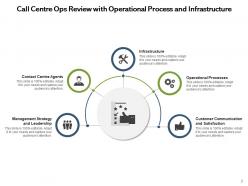
Ops Review Process Management Strategy Leadership Communication Satisfaction Infrastructure





Try Before you Buy Download Free Sample Product
 Impress Your
 Audience
 100%
100% Editable
 Save Hours
 of Time


Our Ops Review Process Management Strategy Leadership Communication Satisfaction Infrastructure are topically designed to provide an attractive backdrop to any subject. Use them to look like a presentation pro.
People who downloaded this PowerPoint presentation also viewed the following :
Ops Review Process Management Strategy Leadership Communication Satisfaction Infrastructure with all 12 slides:
Use our Ops Review Process Management Strategy Leadership Communication Satisfaction Infrastructure to effectively help you save your valuable time. They are readymade to fit into any presentation structure.
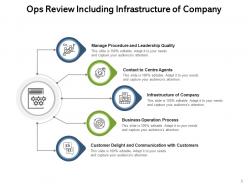
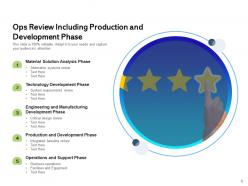
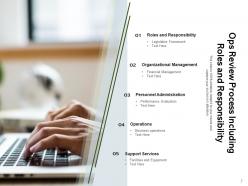
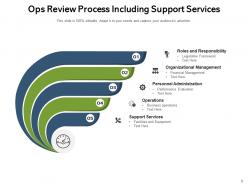

FAQs for Ops Review Process Management Strategy Leadership
Look, start with cycle time and error rates - those two will show you exactly what's broken. Throughput matters too (how much you're actually getting done), plus cost per unit because being fast means nothing if you're bleeding money. Resource utilization and employee productivity are solid picks, but honestly? Don't go crazy tracking everything under the sun. Pick maybe 3-4 that actually matter for your situation. Customer satisfaction scores are worth watching since they connect your ops to real results. I always tell people cycle time first though - it's like the pulse of your whole operation.
Start with the stuff that's killing your team's time - invoice processing, inventory updates, that kind of mind-numbing work. Tools like Asana actually make a huge difference for project management (way better than drowning in email threads). Get your systems talking to each other so data moves automatically instead of someone manually typing everything twice. Chatbots work pretty well for basic customer questions too. Honestly though, don't try to fix everything at once. Pick one workflow that's driving everyone crazy and automate that first.
Your supply chain is basically what makes or breaks your operations - it controls your speed, costs, and quality. Optimize it right and you'll cut waste while keeping materials flowing smoothly. One upstream bottleneck can totally wreck everything downstream (trust me, found that out the hard way last quarter). Plus you get way better visibility into problems before they blow up. Honestly, most companies don't realize how much money they're leaving on the table here. Start by mapping what you've got now to spot the biggest pain points - that's where you'll see quick wins.
Dude, you'd be shocked at how much money just disappears from dumb inefficiencies. Process optimization basically finds all that waste and cuts it out. Map out one messy workflow you deal with - time each step too. I bet you'll spot bottlenecks eating up overtime costs right away. When you streamline things, you're using less labor, wasting fewer materials, getting better equipment use. Those redundant steps add up fast (we had like 3 approval layers that did nothing). Quick wins usually pop up immediately once you actually look at what's happening.
Honestly, just map out your whole process first - like literally draw it out. Bottlenecks become super obvious once you see everything on paper. Track your cycle times and wait times at each step too. Value stream mapping shows you exactly where stuff gets backed up, which is clutch. Oh and do some gemba walks (basically just go watch people actually work) because sometimes the real problems aren't what your data's telling you. I swear, half the time the "obvious" issue isn't the real one. You can get into queue theory and Little's Law later for the math side, but start with that process map - you'll be shocked what jumps out.
Look, training your people cuts down on screw-ups and speeds everything up - makes sense, right? Your team gets more confident, makes better calls on their own. They roll with changes way easier too when you throw new tech or processes at them. The trick is you can't just do it once and call it done. I'd honestly start with whatever's causing you the biggest headaches skill-wise and tackle that first. Quality goes up, things move faster, everyone's happier. It's one of those things that actually pays off pretty quick if you stick with it.
Honestly, start with your biggest pain points - map out where things usually go wrong first. Get clear procedures written down so everyone's on the same page about what good work looks like. Regular check-ins are huge - inspections, quick audits, whatever catches problems early. I can't stress this enough: make it safe for people to speak up about issues. Nobody should get thrown under the bus for flagging something. The whole team needs to own quality, not just dump it on QC. Oh, and automated monitoring helps if you can swing it. Prevention beats firefighting every time.
So you know how you stare at spreadsheets and miss obvious stuff? Analytics actually catches patterns you'd never spot manually. Start with one specific problem that's bugging you - like why your equipment keeps breaking or where money's disappearing. Then dig into those numbers first. Don't just dump all your data together hoping for magic insights (spoiler: won't happen). But once you connect different data sources, you can predict equipment failures, fix bottlenecks, get staffing right. Honestly the "aha" moments are pretty wild when you finally see what's actually working versus what's just expensive theater.
Honestly, nail your demand forecasting and reorder points first - that's like 80% of the battle. Track inventory turnover religiously. ABC analysis helps you focus on the stuff that actually matters instead of sweating every random widget. Safety stock for anything critical, obviously. I learned the hard way that regular cycle counts beat those massive annual audits every time - way less painful too. Automate reordering when you can, but don't get fancy until you've got the basics down. Oh, and get your sales, purchasing, and warehouse people actually talking to each other. Sounds obvious but you'd be surprised how often that breaks down. Clean up your current data mess first though.
Honestly, it depends on what kind of business you're running. Manufacturing? You're looking at equipment breaking down and supply chain headaches. Tech companies stress about servers crashing and getting hacked. Financial stuff has all that compliance drama plus fraud issues. Healthcare's obviously worried about patient safety - that's a whole different level of pressure. Figure out what would absolutely wreck your business first. Then map your critical processes, build backups where you can, and have a plan when things go sideways. Cross-train people because someone always quits at the worst possible time. I'd start with your top 3 worst-case scenarios and work from there.
Look, sustainability in ops isn't just trendy BS anymore - it actually saves you money long-term while cutting down waste. Your customers expect it now, so you're kinda stuck dealing with it anyway. The cool part? Reducing resource consumption usually means lower costs, which makes your CFO happy. I'd definitely start tracking sustainability stuff right alongside your normal metrics like quality and efficiency. Future-proofing is real too - you're basically protecting yourself from supply chain disasters and regulatory changes. Plus, honestly, it makes you look way better than competitors who are still stuck in 2010.
So lean management basically gets rid of all the useless stuff clogging up your operations. Focus on what actually adds value and you'll get faster turnaround, better quality, plus it costs less to run everything. Map out one process first - see where you're currently at, then spot the biggest time-wasters. Just-in-time production is huge for this. But here's the thing - you can't just mandate it from the top. Get your whole team hunting for problems and brainstorming fixes together. Honestly, it's pretty cool watching all those bottlenecks just... disappear. Your customers get what they want faster too.
Honestly? Everything breaks when you scale fast. Those workflows that handled 10 customers just die at 100. Hiring's a nightmare - good luck finding decent people when everyone's fighting for the same talent pool. Your cash flow gets weird too since you're dumping money into growth before anything pays off. Quality starts slipping because you can't babysit every detail anymore. Here's what I'd do: write down your main processes now, before it gets chaotic. Build stuff that can actually grow with you instead of patching problems constantly.
Honestly, you need feedback loops that actually do something. Most companies collect tons of customer input then let it sit there collecting dust - total waste. Set up regular sessions to dig into complaints and pain points, then connect those directly to what needs fixing in your operations. Like if people are bitching about 3-day shipping, that's your cue to rework fulfillment or switch carriers. Use surveys, support tickets, whatever gets you real patterns. The trick is making sure someone's actually responsible for turning feedback into changes. Otherwise you're just playing pretend.
Honestly, getting different teams to actually talk to each other is huge for avoiding those nightmare situations where everything falls apart. You know how it goes - one department just dumps work on another without any heads up, then acts shocked when things go sideways. Regular check-ins between teams catch problems early and help everyone understand how their stuff affects other people's work. Sometimes I think managers forget this part, but mapping out dependencies is super helpful too. Like, who needs what from you and vice versa? Then you can set up those recurring meetings to stay on the same page.
-
Very unique and reliable designs.
-
Great product with effective design. Helped a lot in our corporate presentations. Easy to edit and stunning visuals.
-
I discovered this website through a google search, the services matched my needs perfectly and the pricing was very reasonable. I was thrilled with the product and the customer service. I will definitely use their slides again for my presentations and recommend them to other colleagues.
-
Understandable and informative presentation.
-
Very unique, user-friendly presentation interface.
-
Attractive design and informative presentation.
-
The Designed Graphic are very professional and classic.
-
Unique research projects to present in meeting.