

Pharma Supply Chain Powerpoint Ppt Template Bundles




Try Before you Buy Download Free Sample Product
 Impress Your
 Audience
 100%
100% Editable
 Save Hours
 of Time


Our Pharma Supply Chain Powerpoint Ppt Template Bundles are topically designed to provide an attractive backdrop to any subject. Use them to look like a presentation pro.
People who downloaded this PowerPoint presentation also viewed the following :
Pharma Supply Chain Powerpoint Ppt Template Bundles with all 17 slides:
Use our Pharma Supply Chain Powerpoint Ppt Template Bundles to effectively help you save your valuable time. They are readymade to fit into any presentation structure.
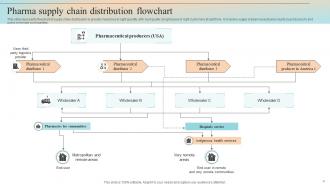
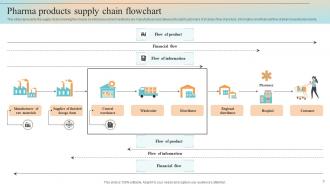
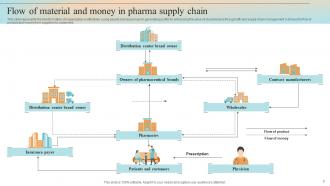
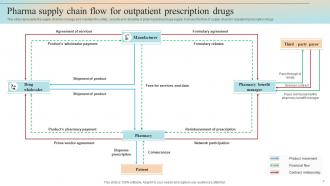
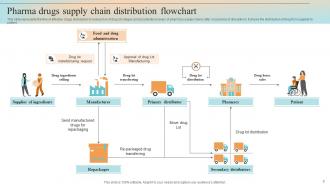
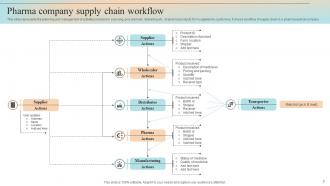






FAQs for Pharma Supply Chain Powerpoint
Ugh, where do I even start? Regulatory stuff is brutal - FDA rules shift constantly and you're always playing catch-up. Cold chain management will drain your budget fast, and one temperature screw-up ruins everything. Counterfeiting is absolutely everywhere now, which honestly terrifies me more than it should. Supply chain's a mess too, especially getting APIs from overseas. Oh, and raw material shortages hit at the worst times. My advice? Get visibility systems set up early and have backup suppliers lined up. Don't wait until you're scrambling.
Blockchain creates these tamper-proof records for every transaction - no one can mess with the data once it's in there. IoT sensors are constantly tracking temperature and location during shipping. You'll love how detailed RFID tags and serialization get - they can trace individual products all the way from the factory to the patient. Cloud platforms are game-changers because everyone accesses the same info instantly. No more of those annoying information gaps! The trick is getting your systems to actually communicate with each other, which honestly takes some work upfront. Start by checking what tech you already have.
Dude, cold chain is everything for those temperature-sensitive drugs. Vaccines, biologics - they all need that 2-8°C sweet spot maintained constantly or you're screwed. Real-time monitoring is a must, plus backup systems because Murphy's law applies here big time. One temperature slip and boom - millions down the drain, not to mention putting patients at risk. You'll need specialized packaging and handlers who actually know what they're doing. Every storage spot along the way has to be validated too. Honestly, I've seen too many companies cheap out on this. Make sure your logistics partner has legit cold chain certs and can give you detailed temp logs for audits.
Ugh, compliance is such a headache but you literally can't ignore it. Every single requirement - serialization, temp monitoring, batch docs - slows everything down. Speed vs safety, that's the eternal struggle. But here's what I learned the hard way: don't bolt compliance on later, build it in from the start. Retrofitting is a nightmare and costs way more. Automated systems seem expensive upfront but they'll save your sanity eventually. My old boss used to say compliance should feel invisible when it's done right - took me forever to understand what he meant.
So you've got a few ways to tackle this. First thing - don't put all your eggs in one basket with suppliers. During COVID our main API guy went dark and we would've been screwed without backups. Keep extra stock of the critical stuff, especially anything with crazy long lead times. Real-time tracking tools are worth the investment too, trust me on that one. Oh and map out your backup plans now, not when everything's on fire. I'd start by figuring out where you're most exposed and hit those spots first. It's way easier to prevent disasters than fix them.
So basically blockchain creates this digital record that can't be changed once it's written. Every time your medication moves - from factory to pharmacy to you - it gets logged. Pretty neat actually. You can trace exactly where it came from and who touched it along the way. Helps stop fake drugs from getting through, plus if there's ever a recall they know exactly which batches went where instead of just guessing. Companies like Walmart and Pfizer are already testing this stuff out. It's like having a permanent paper trail but way more secure.
Real-time visibility is huge - get automated reordering going first. Temperature monitoring saved my ass multiple times because one screw-up there kills your whole inventory. Do ABC analysis for your fast movers and expensive stuff. FIFO rotation is non-negotiable, trust me. You gotta have batch tracking now anyway with all the regulations. Don't just guess on safety stock - actually look at your demand patterns. Oh, and audit what you have first. I bet you're throwing away way more expired products than you think. That's where I'd start honestly.
Yeah, globalization totally flipped pharma supply chains on their head. Raw materials come from India, manufacturing happens in Ireland, then you're distributing everywhere. Sure, it's cheaper, but man is it complicated now. Your supply chain stretches across continents with tons of regulatory stuff to deal with. COVID was a real wake-up call - showed how fragile these networks actually are. You need visibility into your whole network and backup suppliers in different regions. Otherwise you're screwed when something goes wrong with your main supplier. Natural disasters, political drama, whatever - always something that can mess things up.
Honestly, start simple with fill rate and on-time delivery - like you said, patients can't wait around for their meds. Then look at inventory turns and how many days of supply you're sitting on. Nobody wants cash tied up in stock that just sits there, but stockouts are obviously worse. Temperature excursions and batch compliance are huge too. Regulators will shut you down so fast it'll make your head spin if quality slips. Cost per unit and total supply chain costs as percentage of revenue round out the basics. Oh, and don't try to track everything at once - build your reporting gradually or you'll drown in data.
Look, when you actually get your supply chain partners talking to each other instead of doing their own thing, it changes everything. Real-time data sharing means way fewer "oh crap we're out of stock" moments. Your forecasting gets so much better too - everyone's working off the same numbers instead of guessing. Honestly, the amount of waste from poor coordination is ridiculous. But when disruptions happen (and they always do), partners can pivot together instead of scrambling alone. My advice? Figure out where your biggest bottlenecks are first, then find partners who can actually help fix those specific problems. Don't try to solve everything at once.
Honestly, AI demand forecasting is probably the biggest win right now - companies are already saving serious money with it. Blockchain's huge for traceability too if that's something you're dealing with. IoT sensors have been a game-changer for cold chain stuff, giving you live temp data during transport. Digital twins are actually pretty neat - you can basically test out your whole supply chain virtually before changing anything. Autonomous delivery and drones are starting to pop up for last-mile in some areas, though that's still early days. I'd figure out what's bugging you most first, then see which tech fits.
When supply chains get hit, pharma companies basically panic and scramble. They'll quickly switch their manufacturing lines to pump out whatever's needed most. Companies that normally compete suddenly start working together - honestly kind of refreshing to see. Distribution gets completely revamped with emergency channels going straight to hospitals. Most smart companies keep extra stock of critical meds just sitting around for situations like this. They also build direct relationships with key suppliers to skip the usual middlemen. The whole thing becomes about moving fast instead of saving money. Pretty much the opposite of how they normally operate, but it works when people's lives are on the line.
Look, counterfeit meds are seriously bad news for everyone involved. Patients stop trusting what they're taking, doctors start questioning everything, and regulators come down hard on the whole industry. The liability alone will keep you up at night - not to mention what happens if someone actually gets hurt. What's really frustrating is how good the fakes are getting these days. You won't even spot them until damage is done. Track-and-trace systems are your friend here, plus stick with suppliers who've got solid authentication in place. Trust me, it's worth the extra hassle upfront.
So AI can actually be a game-changer for demand forecasting - it crunches through tons of data like patient demographics, seasonal patterns, prescription trends, even weather stuff. Way more accurate than old-school methods. The algorithms get smarter over time, which is honestly pretty satisfying to watch in action. You'll spot demand spikes earlier, avoid running out of critical meds, and dial in your inventory levels better. Oh, and it works across your whole distribution network too. Just make sure your data's clean first - garbage in, garbage out, you know? Pick algorithms that actually match how your products move.
Honestly, the big three are gonna be your carbon emissions from shipping, all that packaging waste, and the energy drain from cold storage. Cold chain stuff is brutal energy-wise but you can't really avoid it with pharma. Route optimization helps a ton, plus switching to better packaging materials. More efficient refrigeration tech is worth looking into too - though that's probably a bigger investment. Some companies are doing local manufacturing now to avoid shipping things halfway across the world, which makes sense. I'd start with auditing what you're doing now. You'll probably find waste in places you didn't expect.
-
Qualitative and comprehensive slides.
-
Delighted to see unique and eye-catching PowerPoint designs that are so easy to customize.