


Pharmaceuticals Powerpoint Ppt Template Bundles




Try Before you Buy Download Free Sample Product
 Impress Your
 Audience
 100%
100% Editable
 Save Hours
 of Time


Explore the intricate realm of Pharmaceuticals with our comprehensive PowerPoint presentation. Delve into the dynamic Pharmaceutical supply chain and unravel the complexities of the Drug Development Process, from initial discovery to clinical trials. Discover the strategic nuances of Pharmaceutical Marketing Plans, ensuring successful product launches and market penetration. Unearth the latest trends in R and D within the Pharmaceuticals industry, spotlighting cutting edge innovations and breakthrough technologies. With data driven insights, captivating visuals, and in depth analyses, our PPT sheds light on the evolving landscape of Pharmaceuticals, making it an invaluable resource for students, professionals, and enthusiasts alike. Stay informed and ahead in this ever evolving sector with our meticulously crafted presentation.
People who downloaded this PowerPoint presentation also viewed the following :
Pharmaceuticals Powerpoint Ppt Template Bundles with all 24 slides:
Use our Pharmaceuticals Powerpoint Ppt Template Bundles to effectively help you save your valuable time. They are readymade to fit into any presentation structure.








FAQs for Pharmaceuticals Powerpoint
Pharma's getting crushed by insane R&D costs right now - we're talking billions per drug, and most still flop. Regulatory stuff is a nightmare too. Then you've got governments hammering them on pricing while blockbuster patents expire left and right. COVID really exposed how fragile their supply chains are, which was kind of embarrassing honestly. Oh, and personalized medicine is huge now but requires totally different manufacturing. Companies that aren't partnering up or going digital are basically screwed. It's wild how much the industry's changed in just a few years.
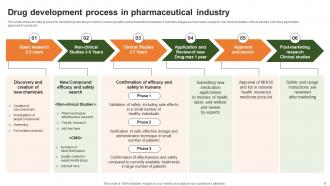
Look, compliance runs the entire show when it comes to drug development. FDA wants specific study designs, obsessive documentation, safety checkboxes - the works. Manufacturing needs GMP standards. Protocol changes? More regulatory reviews. Honestly the bureaucracy is insane but you can't skip it. Clinical trials need pre-approval before you even start recruiting patients. We're talking 10-15 years total timeline versus maybe half that without all the red tape. My advice? Get regulatory consultants involved early or you'll be drowning in paperwork forever.
Dude, AI is changing drug discovery in crazy ways. You can screen millions of compounds without touching a beaker - just run simulations to see what might actually work. Side effects? The algorithms catch those early too. Clinical trials get way more predictable when you can optimize dosing ahead of time. Honestly, the time savings alone make it worth exploring. Oh and patient response prediction is getting scary accurate. If you're on any discovery projects, seriously consider getting an AI team involved. The speed boost to your pipeline could pay for itself pretty quick.
So pharma companies are finally getting it - they're ditching the old "here's our drug, deal with it" approach. Now they actually care about your whole experience as a patient. You'll see way more personalized stuff, apps that actually help, and studies showing how meds work in real life (not just clinical trials). Companies are building support programs and creating content that speaks to what you're actually going through. Honestly, the whole "doctor decides everything" model feels pretty outdated at this point. They're mapping out every touchpoint you have, even outside your doctor visits.
Pharmacogenomic testing is huge right now - way more patients are showing up with genetic results showing how they'll process different meds. Pretty wild stuff honestly. AI platforms for drug selection are everywhere too. You'll need to get comfortable reading CYP450 profiles and drug-gene interactions that go beyond just the warfarin basics we learned in school. Custom compounding based on individual patient data is becoming standard. Definitely take a pharmacogenomics CE course if you haven't - it's not optional anymore for real practice.
Oh man, generics are huge for drug costs. Once patents expire, you're looking at 80-85% cheaper than the brand stuff. More companies jump in? Prices drop even more. Patients who couldn't touch the expensive versions suddenly can afford treatment. Insurance loves this obviously - saves them tons. But here's the annoying part: sometimes you'll get shortages if only like 2-3 companies are making it. If you're planning market strategies, don't sleep on generic timelines. They'll completely flip your pricing and change who can actually buy your stuff.
So clinical trials are basically how they make sure drugs won't kill you before they hit the market. There's phases I-III that test safety first, then effectiveness against placebos - sometimes with thousands of people. Pretty wild how thorough it gets. Without this whole process, you'd have zero clue if some new pill actually works better than what's already out there. Oh, and whether it'll give you nasty side effects. If you're ever looking at pharma investments or whatever, their trial data is like the first thing to check. That's where you'll see the drug's real potential.
Honestly, pharma companies have been dodging antibiotic R&D because the money's just not there compared to other drugs. They need to bite the bullet and invest in novel antibiotics anyway. Quick diagnostic tools would help doctors pick the right antibiotic instead of going broad-spectrum every time. Government partnerships could help with the crappy economics - like, why not get some incentives? Oh, and training healthcare providers on proper use makes a huge difference. My cousin's a pharmacist and she's always ranting about overprescribing. Bottom line - companies should look at their current pipeline and shift resources toward resistance projects.
Look, the big ones are informed consent and data transparency - patients gotta actually understand what they're signing up for. Companies love hiding negative trial results too, which is sketchy as hell. Drug pricing is another nightmare - we're talking tens of thousands for meds people literally need to survive. Oh, and don't get me started on how they target vulnerable groups for trials or how researchers have financial ties to pharma companies. Marketing claims rarely match what the studies actually show either. My rule? Always ask if this actually helps patients or just makes someone rich.
Honestly, the medication reminder tech these days is pretty impressive. Smart pill bottles buzz your phone when you forget doses. Apps track everything and bug you with notifications. There's even pills with actual sensors inside that ping your doctor when swallowed - which feels weirdly invasive but whatever works, right? The cool thing is studies show 20-40% better adherence rates because people aren't just relying on memory anymore. If you're doing patient engagement stuff, I'd definitely check out some of these platforms. Takes the whole "did I take my pills?" guessing game out of the equation.
So basically these trade deals screw us over on drug prices. They force countries to extend patent protections, which blocks generic competition for way longer. TRIPS-Plus provisions are the worst - they're designed to help Big Pharma keep prices high. The TPP was going to be terrible for this before it died. Plus governments lose their power to negotiate better prices or control costs. Honestly, the pharmaceutical lobby has this whole system rigged. Always peek at the IP sections when new trade agreements pop up - that's where they hide the really bad stuff that'll hit your wallet later.
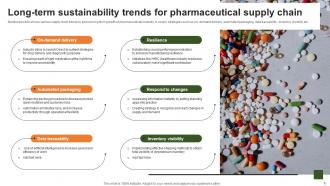
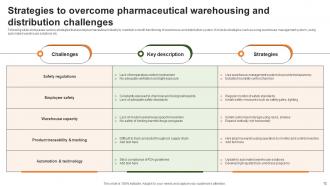
Dude, supply chain issues mess with medicine availability big time. Manufacturing plants shut down, shipping gets blocked, raw materials disappear - suddenly hospitals can't get insulin or cancer drugs. It's honestly scary how connected everything is globally. One missing ingredient from some random country? Boom, production stops everywhere. Pharmacies end up scrambling for alternatives or straight-up rationing supplies to patients. My advice? Stock up on essential meds when you can and don't rely on just one supplier. Oh, and maybe keep a backup pharmacy relationship too - you never know.
Pharma's going wild with innovation right now. They're partnering with biotech startups left and right, plus setting up their own venture funds. These "innovation labs" feel more like tech companies than old-school R&D - honestly it's pretty smart. Open collaboration is everywhere too. Companies are sharing data with competitors and even crowdsourcing from random researchers. AI's massive for drug discovery and clinical trials. The partnerships that actually work? They let startups do their thing while the big guys handle regulatory stuff. That balance seems key.
Social media totally changes how people see pharma companies. Patients share real stories about their meds, which is great for building trust. But then you've got all this misinformation floating around too - honestly, some of it's pretty wild. The thing is, people are talking about your brand whether you're there or not. These conversations actually influence what treatments people choose, and I've seen product launches completely tank because of social media backlash. My advice? Keep an eye on what people are saying, jump in when it makes sense, and definitely have a plan for when things go sideways.
Dude, biotech is literally eating pharma's lunch right now. Personalized medicine is finally happening - like, actual treatments based on your DNA instead of generic pills for everyone. Gene and cell therapies aren't just lab experiments anymore, they're actually curing cancers and rare diseases. AI is cutting drug development time by years, which is insane when you think about it. Oh and precision medicine platforms? Get familiar with those ASAP. That's where all the smart money is going. Honestly feels like we're living in the future sometimes.
-
Impressive templates. Designing a presentation is fun now!
-
Well-designed and informative templates. Absolutely brilliant!