


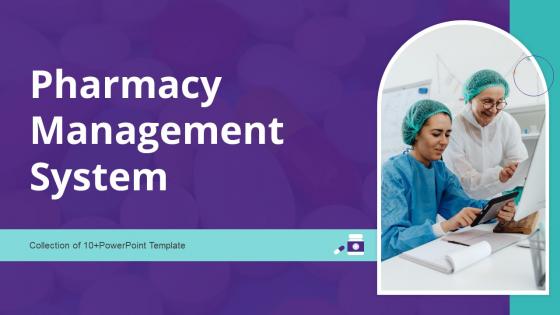
Pharmacy Management System Powerpoint Ppt Template Bundles




Try Before you Buy Download Free Sample Product
 Impress Your
 Audience
 100%
100% Editable
 Save Hours
 of Time


Our Pharmacy Management System Powerpoint Ppt Template Bundles are topically designed to provide an attractive backdrop to any subject. Use them to look like a presentation pro.
People who downloaded this PowerPoint presentation also viewed the following :
Pharmacy Management System Powerpoint Ppt Template Bundles with all 19 slides:
Use our Pharmacy Management System Powerpoint Ppt Template Bundles to effectively help you save your valuable time. They are readymade to fit into any presentation structure.







FAQs for Pharmacy Management System Powerpoint
Look for automated prescription processing and inventory alerts - those are non-negotiables. The reporting dashboards will seriously save your sanity, trust me on that one. Drug interaction checking and patient profiles are obvious musts. Barcode scanning cuts down on so many stupid mistakes. Make sure it plays nice with whatever systems you're already using because dealing with disconnected software is the worst. Oh, and e-prescribing integration is huge for reducing errors. Honestly, just find something that actually makes your day easier instead of adding more steps to everything you do.
Honestly, a decent pharmacy system just handles compliance automatically - builds all the regulatory stuff right into your daily workflow. Drug interaction alerts pop up. Prescription validation happens behind the scenes. Controlled substances get tracked without you thinking about it. The documentation creates itself, which is clutch during inspections. And thank god these systems update themselves with new FDA rules because I definitely don't have bandwidth to stay on top of that mess. Main thing though - make sure whatever you pick has solid reporting features so you can pull audit docs quickly when needed.
So inventory management basically tracks all your stock levels and expiration dates - it's honestly what keeps pharmacies from completely falling apart. You'll get automatic alerts when meds need reordering, which saves you from that nightmare scenario where you're out of something critical. I've seen places run out of insulin on a Friday afternoon, not pretty. The system maintains your stock levels and cuts down on waste from expired stuff. Plus it handles compliance automatically (thank god because that paperwork is brutal). Just make sure you set your reorder points right from the start and you're golden.
So basically, real-time analytics shows you what's happening in your pharmacy right now instead of making you wait for last week's dusty reports. Pretty game-changing, honestly. You can catch inventory running low before you're completely out, see which meds are flying off the shelves vs just sitting there, and spot when things are getting backed up. The dashboards update all day long, so you can switch up staffing or reorder stuff as needed. I'd say pick your biggest headache first - maybe inventory issues or crazy wait times - then build from there. Way better than guessing what's wrong.
Honestly, e-prescribing integration is a game changer - no more deciphering doctor chicken scratch lol. Your PMS will pull prescription data automatically, so fewer typos and way less manual entry. Drug interactions pop up right away, which is clutch. Patient info and insurance details auto-fill too. The refill process becomes so much easier since you can ping doctors electronically instead of calling back and forth forever. My friend's office saw results pretty quick after setup. Just make sure whatever platform you pick plays nice with your current PMS through their API.
So these pharmacy systems are actually game-changers for preventing med errors. They automatically catch drug interactions and allergy conflicts before anything gets to patients - which is huge. The barcode scanning part means no more mix-ups between similar-looking bottles (thank god). Real-time alerts pop up for duplicate prescriptions and dosage issues too. Honestly, I'd roll out the drug interaction alerts first since that's where you'll notice results right away. Oh, and it tracks patient histories automatically, so you can catch adherence problems pretty quickly. Way better than relying on memory alone.
Honestly, start by writing down how you actually work first - then find software that bends to fit that. Most systems are super rigid which is annoying. You'll want customizable prescription labels, inventory alerts you can tweak, and patient communication templates you can edit. Custom patient data fields are clutch too. Look for adjustable insurance billing rules and dashboards that different staff can personalize. Some pharmacies I know got burned by picking popular software that looked great but couldn't handle their weird workflows. Don't force yourself to completely change processes just because the software says so.
Honestly, the interface can totally make or break your whole setup. When the UI is intuitive, training takes half the time and you get way fewer medication mix-ups from people fumbling through weird menus. I've watched pharmacy teams still asking basic stuff months later because their software was just... awful to navigate. Good design means techs can process scripts faster with fewer clicks. Staff will actually want to use it instead of dreading every interaction. Look for customizable dashboards and clear visual stuff - oh, and test it yourself if possible. Trust me, the efficiency boost is worth being picky about this.
Definitely start with end-to-end encryption for everything - data sitting around and data moving between systems. Multi-factor authentication is huge too, I can't tell you how many horror stories I've heard that could've been avoided with just that. Oh, and make sure people only access what they actually need for their jobs through role-based controls. You'll want regular security audits and HIPAA monitoring obviously. Secure backups are critical, plus automatic timeouts when someone walks away from their computer. Honestly though? Focus on encryption and MFA first - biggest impact for the effort, then layer everything else on top.
Honestly, the best part is having everything in one dashboard - inventory, sales, staff performance across all your stores. Real-time data is clutch. You can move stock between locations when one's running low, standardize pricing, keep workflows consistent. Patient records sync up too, so people can fill prescriptions at any location. The reporting alone makes it worth it, trust me. Oh and definitely start with your main store first, then roll it out slowly. Way easier to fix problems before you go live everywhere else.
Look, cloud stuff is way cheaper upfront since you're just renting everything. You can check your pharmacy data from literally anywhere and updates happen automatically. Plus scaling up is dead simple. With on-premises you own all the servers and software - which means you're stuck fixing things when they crash at weird hours (been there). But honestly, you get total control and better performance for busy operations. Most smaller pharmacies go cloud, bigger chains usually want on-premises for security reasons. I'd say figure out your budget first, then think about your IT team and what compliance stuff you need to deal with.
So basically it's like having a direct line between your pharmacy and doctors' offices. Electronic prescriptions come through instantly - no more dealing with those ancient fax machines that jam constantly. The system catches drug interactions automatically and checks insurance coverage on the spot. Plus you can send refill requests straight to physicians and share patient compliance data with them. Honestly, doctors love getting that adherence info because it helps them figure out if their treatment's actually working. Start by connecting with your busiest prescribers first - that's where you'll see the biggest difference in your daily workflow.
Honestly, staff training's gonna be your biggest headache. Everyone needs time to figure out new workflows, and productivity always tanks at first - which is super stressful. Data migration's sketchy too. You might lose prescription histories or end up with weird formatting issues that screw up your records. Oh, and if your new system doesn't play nice with insurance platforms or other tools? Total nightmare. I'd budget for like 2-3 weeks of everything being slower than usual. Definitely make your vendor do a test run of the data transfer first though - learned that one the hard way!
So basically you're giving patients a way to handle their prescriptions right from their phone. They can refill meds, check if stuff's ready, set pickup times - all without bugging your staff with calls. Push notifications are huge too, like when prescriptions are ready or reminding people to actually take their meds (which honestly helps everyone). Your team will love not answering "is my prescription ready?" fifty times a day. I'd definitely look for pharmacy systems that already have patient apps built in. Way easier than trying to create something from scratch, and honestly most of them work pretty well these days.
Hey! So AI automation is the big thing right now - systems can predict when you'll run out of meds and verify prescriptions automatically. Cloud integration is everywhere too. COVID basically forced telepharmacy into the mainstream, which honestly was overdue anyway. The interoperability stuff is finally getting real - your PMS can actually talk to EMRs without wanting to throw your computer out the window. Mobile interfaces aren't optional anymore, and real-time analytics are pretty much expected. When you're shopping around, focus on good APIs and AI capabilities. Those'll keep you ahead of whatever weird tech comes next.
-
Like always a great experience with you guys. Always there on the drop of hat to help.
-
The pricing page of this website is very sorted. I felt no pain while buying the PPTs.