


Pharmaceutical Safety Powerpoint Ppt Template Bundles





Try Before you Buy Download Free Sample Product
 Impress Your
 Audience
 100%
100% Editable
 Save Hours
 of Time


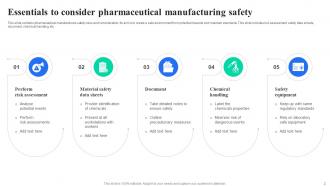
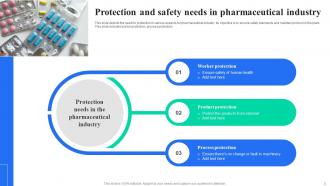
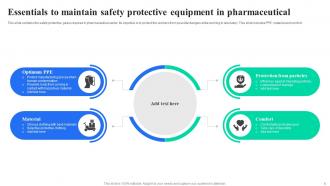
Introducing our comprehensive Pharmaceutical Safety PowerPoint PPT presentation your ultimate guide to prioritizing safety in the pharmaceutical industry. Delve into the essentials of pharmaceutical safety, empowering you with knowledge to uphold the highest standards. Explore the critical aspects of pharmaceutical drug safety, ensuring product integrity and patient well being. Uncover the significance of safety protective equipment in pharmaceutical operations, fostering secure and compliant practices. With visually captivating slides and expert insights, our Pharmaceutical Safety PPT equips you to navigate regulatory challenges and ensure patient safety. Whether you are a pharmacist or a healthcare professional, this PPT is your shield against risks. Elevate your safety practices with our Pharmaceutical Safety PPT today.
People who downloaded this PowerPoint presentation also viewed the following :
Pharmaceutical Safety Powerpoint Ppt Template Bundles with all 28 slides:
Use our Pharmaceutical Safety Powerpoint Ppt Template Bundles to effectively help you save your valuable time. They are readymade to fit into any presentation structure.









FAQs for Pharmaceutical Safety Powerpoint
So the big three you'll want to focus on are FDA (US), EMA (Europe), and PMDA (Japan) - pretty much covers your major markets. FDA's super strict about clinical trials and keeps watching drugs after approval. EMA is obsessed with risk management plans and safety monitoring. Japan has their own thing going but they're all starting to align more through ICH guidelines, which is honestly a godsend. Oh, and definitely start with the ICH E2E guidelines - they're like the foundation everyone builds on. Makes way more sense than diving into each country's weirdly specific requirements first.
Ugh, ADRs are such a nightmare - they hit patients and budgets hard. Patients deal with everything from annoying side effects to serious complications that can land them in the hospital or worse. The money aspect is insane too. We're talking billions spent every year on treating ADR-related problems, longer hospital stays, extra monitoring. Recovery times drag on forever and quality of life tanks. Meanwhile, you're stuck with liability issues and stretched resources. I swear, investing in better monitoring upfront saves so much headache later than trying to fix the mess afterward.
So pharmacovigilance is like the safety watchdog for drugs once they're out there. Clinical trials only test maybe a few thousand people for what, like 6 months max? This tracks millions of patients over years to catch the weird stuff - rare side effects, funky drug interactions, problems in older folks or pregnant women. The data goes straight to regulators who then slap on warning labels or yank drugs entirely. Honestly, the whole system only works if doctors actually report the sketchy reactions they see. Your reports literally prevent other people from getting hurt.
So AI systems can actually catch medication errors in real-time - like flagging bad drug combos or wrong doses right as they happen. Electronic health records instantly pull up patient history, plus those wearable monitors track vitals continuously. Machine learning spots weird patterns doctors might miss (which honestly makes sense since it's processing way more data). Some hospitals even predict which patients might have problems before anything goes wrong. The trick is starting with just one system that fits your current setup. Don't try implementing everything at once - that's a nightmare. Build up gradually and you'll actually see results.
Honestly, most mistakes come down to three big things: wrong doses, picking the wrong drug, or screwing up how it's given. Look-alike drug names are the worst - I swear some of these pharmaceutical companies don't think. Decimal errors mess people up constantly, and don't get me started on doctors' handwriting (yeah, that's still a problem in 2024). Communication gaps between staff cause issues too. Getting interrupted while you're prepping meds is probably the biggest risk factor though. When someone breaks your concentration, that's when things go sideways. Double-check your patient IDs and doses every single time. Try to create quiet zones for med prep if you can swing it.
Honestly, teaching your patients about their meds is like having an extra pair of eyes watching for mistakes. Make sure they know drug names, doses, and what side effects to watch for - you'd be shocked how often patients catch pharmacy errors we totally missed! They'll actually take things correctly too when they get why it matters. Don't dump everything on them at once though. Give them something written to take home, and have them repeat the key stuff back to you. Sounds dorky but it works. When patients are informed, they speak up about weird symptoms instead of just suffering through them.
Honestly, labeling and packaging can make or break patient safety. You'll catch so many errors just by having clear, consistent labels that show drug name, dose, and patient info at a glance. Smart packaging helps too - different colors or shapes for high-risk meds, barcodes for scanning. Similar-looking bottles are the worst culprit for mix-ups, especially during crazy busy shifts. We had this one incident where... anyway, that's why regular audits matter. Make sure your protocols are solid and staff actually follows them. Those little details save lives.
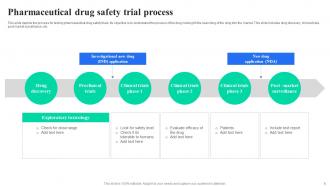
So clinical trials have this smart setup where they start super small and work their way up. First they test basic safety on like 20-50 people, then a few hundred to see if it actually works (plus more safety stuff), then thousands in the final phase to catch weird rare side effects. The whole time there's these independent safety boards that can literally shut everything down if something sketchy happens. Honestly, the system's pretty solid but not bulletproof - I mean, nothing is, right? When you're looking at a new drug, definitely check out how big their Phase III study was. More people = better idea of what you're getting into.
Set up take-back programs at pharmacies and hospitals - that's honestly your best option. DEA-approved collection sites work great too, plus those mail-back envelopes for controlled substances. I can't believe how many places still tell people to just flush pills down the toilet. Terrible for water! Always black out personal info on prescription labels first. If you're running a facility, get proper pharmaceutical waste containers and partner with licensed disposal companies. The thing is, if you make it complicated for people, they'll just throw everything in regular trash. Oh, and those disposal kiosks at police stations? Super convenient too.
Honestly, skip the boring lecture stuff and push for hands-on simulation training instead. That's where you actually learn. Get your team doing case studies with real medication errors - way more useful than sitting through PowerPoints about drug interactions. Try setting up those interdisciplinary rounds where pharmacists, nurses, and doctors all talk through cases together. Pure gold, seriously. Focus training on high-alert meds and those tricky look-alike drugs since that's what trips people up most. Oh, and monthly no-blame case reviews in your department work great too. You'll spot patterns you never noticed before.
Oh man, this stuff gets messy fast. Patient safety vs giving dying people access to treatments that might work - there's no clean answer most of the time. Risk rushing things and people get hurt. Wait too long and patients who could've been saved don't make it. Then you've got consent issues on top of that - participants need to actually get what they're signing up for, not just check boxes. Vulnerable groups getting taken advantage of is a whole other nightmare. My advice? Document everything about why you made each call, because someone's definitely gonna question it later.
Oh man, this stuff is wild when you think about it. People's cultural backgrounds totally shape how they see drug safety. Like, some communities are super skeptical of Big Pharma and stick with traditional remedies their grandparents used. Others completely trust Western medicine. Religious beliefs matter too, obviously. Even disclosure is weird - certain cultures want doctors to list every tiny side effect, while others would rather their doctor just tell them the important bits. Historical stuff plays in too, like if a community got burned by medical experiments before. It's honestly pretty fascinating how much family and community opinions influence individual choices about medication safety.
Yeah, globalization has made pharma safety way trickier. You've got APIs from India, processing in Ireland, finishing in Puerto Rico - so many places for stuff to go sideways. Different countries have their own quality standards too, and some inspect way less frequently than others. The FDA's trying to keep up but honestly? They're drowning with thousands of facilities globally. I'd stick with suppliers who have solid track records and do your own audits regularly. Don't just trust whatever certificates they send you - learned that one the hard way.
Honestly, AI and ML are total game-changers for drug safety. They can churn through tons of data - social media posts, medical records, adverse event reports - way faster than any human team could manage. The pattern recognition is really impressive too, especially when tracking side effects across different patient groups. What I find most useful is how they can actually flag potential safety problems before they blow up into major issues. My advice? Figure out which data sources matter most to you first, then get your IT folks involved to set up some automated screening. It's not perfect but beats manually sifting through everything.
Ugh, this is such a tough one. Safety testing eats up years and costs a fortune, but people are literally dying while waiting for treatments. Fast-track approvals help somewhat, though you still can't just skip the crucial safety stuff - that'd be insane. What works better is getting creative with trial designs or mixing in real-world data alongside traditional studies. Oh, and definitely get in those regulatory conversations early so you know what kind of evidence they'll actually accept. There's honestly no clean solution to this mess.
-
I loved the hassle-free signup process. A few minutes and, I had this giant collection of beautiful designs.
-
I was really impressed with the presentation I created with their templates. I’ll be using their services moving forward.