


Pharmaceutical Quality Control Powerpoint Ppt Template Bundles




Try Before you Buy Download Free Sample Product
 Impress Your
 Audience
 100%
100% Editable
 Save Hours
 of Time


Our Pharmaceutical Quality Control Powerpoint Ppt Template Bundles are topically designed to provide an attractive backdrop to any subject. Use them to look like a presentation pro.
People who downloaded this PowerPoint presentation also viewed the following :
Pharmaceutical Quality Control Powerpoint Ppt Template Bundles with all 22 slides:
Use our Pharmaceutical Quality Control Powerpoint Ppt Template Bundles to effectively help you save your valuable time. They are readymade to fit into any presentation structure.
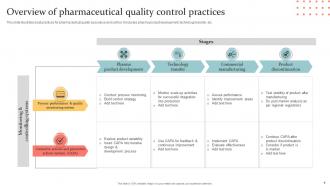
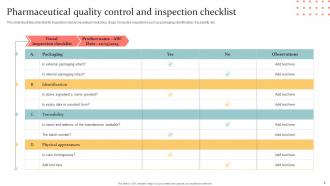
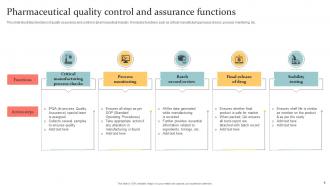
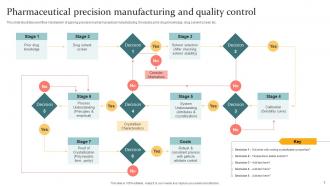






FAQs for Pharmaceutical Quality Control Powerpoint
So you'll need incoming material testing, in-process monitoring, and finished product testing - the usual suspects. Documentation systems are huge too, everything has to be traceable for audits. Environmental monitoring and equipment qualification are must-haves. Oh, and get a solid CAPA system ready because stuff will definitely go wrong at some point. Your analytical labs need validated methods, plus don't forget stability testing programs. Honestly, the paperwork side is probably more work than you think. I'd start by mapping your current processes, find the gaps, then tackle the highest-risk stuff first based on what regulators actually care about.
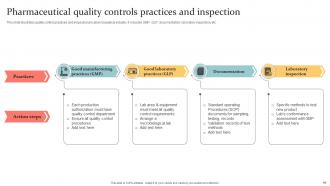
So cGMP is basically your bible for pharma QC work. It controls how you test stuff, what paperwork you need, validation processes - the whole nine yards. Equipment qualification, method validation, batch records - all tied back to cGMP rules. Honestly, it gets ridiculously detailed sometimes but I guess that's the point. Your lab procedures come from it, analyst training too, even handling weird deviations that pop up. Don't just think of it as another compliance thing to check off. It's more like your actual roadmap for keeping quality consistent from raw materials to finished product.
Okay so risk management is basically your safety net for catching quality issues before they blow up. Map out your critical process steps first - raw materials through final release. Then ask "what's the worst that could happen here?" Honestly, it's like playing defense in quality control. ICH Q9 gives you tools like FMEA or risk matrices to figure out where things'll go wrong and how likely that is. Focus on the highest-risk stuff first and put controls there. I know it sounds boring but it actually saves your butt later.
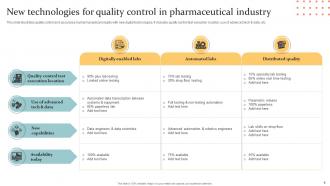
Honestly, automation is a game-changer for QC speed. Those repetitive tests and endless data entry? Automated instruments can handle multiple samples at once while you focus on other stuff. Real-time AI systems catch problems instantly, which is pretty sweet. Electronic batch records save you from drowning in paperwork – and trust me, nobody misses that headache. Everything flows smoother from testing to final approval since there's less room for human mistakes. Look at whatever's eating most of your time manually first. That's where you'll get the biggest bang for your buck with automation.
So you'll be doing appearance checks, weight variation, hardness, friability - the usual stuff. Dissolution testing is huge though, you'll probably live there since it directly impacts bioavailability. Thickness measurements for tablets and capsules too. Oh, and content uniformity counts as physical testing even though it sounds chemical (weird, I know). Disintegration testing is another big one. Honestly, just stick to your validated methods religiously and document everything. I'd start with the USP chapters for each test - they're actually pretty helpful. Always run controls first or you'll hate yourself later.
Basically you're doing systematic testing at set intervals under controlled conditions - ICH zones with different temp/humidity combos. Accelerated studies at 40°C/75% RH give you quick insights first. Then long-term real-time studies at actual storage conditions. The paperwork is honestly brutal, but whatever. You'll track potency, degradation products, pH, dissolution - all the critical stuff over shelf life. Get your stability chambers running early and don't miss sampling schedules. I learned that one the hard way. This data determines your expiry dates and storage recs, so yeah, don't cut corners here.
Honestly, the regulations are all over the place depending on which country you're dealing with. Temperature control is brutal too - one hiccup and your biologics are toast. What really gets me is when you've got API from India, packaging in Ireland, then distribution everywhere else, and somehow they're all supposed to follow your standards (spoiler: they don't always). Documentation becomes this multilingual mess. Cold storage failures happen way more than companies admit, especially on those long international routes. Real-time monitoring helps catch problems early, but you'll also want solid relationships with quality teams at each site. Trust me on that one.
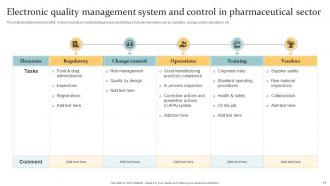
Regulations aren't just suggestions - they're literally the rulebook you have to follow for QC. Start by figuring out which ones apply to your products first, then build your procedures around those. You'll need validated testing methods per ICH guidelines, proper documentation (ugh, so much paperwork), and labs that meet cGMP standards. The FDA and EMA want specific protocols for identity, purity, potency, safety - the whole nine yards. Honestly? It's overwhelming at first. But try thinking of it as baking quality into each step instead of just ticking boxes off a list.
So the big thing right now is real-time analytics and AI prediction stuff - basically catching problems before they happen instead of after. Digital twins are everywhere now, plus continuous manufacturing with inline testing. PAT sensors are getting way smarter too. Honestly the whole space is moving so fast it's hard to keep up sometimes. My advice? Start small with your lab. Pick one critical process and try real-time monitoring on it first. See what happens to your quality numbers before you go crazy with everything else.
So for QC data integrity, you basically need to follow ALCOA+ - sounds fancy but it just means your data has to be Attributable, Legible, Contemporaneous, Original, and Accurate. Plus complete, consistent, all that good stuff. Use electronic systems with audit trails and proper user controls. Honestly the timestamped entries are a lifesaver because nobody can mess with them later without leaving a paper trail. Document everything as it happens - don't be that person scribbling on napkins planning to enter it "later." Oh, and never backdate anything or sign off on work you didn't actually do yourself. That'll bite you.
So basically QbD flips the whole thing - instead of just testing your final product and hoping it's good, you're actually designing quality right into the process from the start. Way smarter approach, though it does take some getting used to. You'll map out what parameters really drive quality and focus your QC there instead of random testing everywhere. Takes more work upfront (kinda annoying at first) but then your routine testing becomes super targeted. Plus you catch problems way earlier. Oh and regulators love the data when you submit - that's honestly been a huge win for us.
Honestly, the testing methods are pretty much the same - you're still checking assay, dissolution, impurities, all that stuff. What changes is the paperwork nightmare and regulatory hoops you'll jump through. Generics need those bioequivalence studies, which means way more validation work upfront. Brand drugs had to build everything from scratch originally, but with generics you're constantly proving your methods match the reference product. Kind of annoying but whatever. Just spend extra time on your method transfer and validation protocols - that's where things usually go sideways if you're not careful.
Look, audits are basically your safety net - they make sure you're actually doing what your SOPs say you're doing. Internal ones help you catch problems before they blow up into compliance nightmares. External audits from the FDA? Those can literally shut you down or give you market access, so yeah, pretty high stakes. Honestly, waiting around for scheduled inspections is like cramming for finals - stressful and dumb. Do regular check-ins on yourself instead. That way you're not scrambling when inspectors show up at your door. It's way less painful than explaining why half your documentation is missing.
Start with solid GMP basics for everyone, then add specific training for each role. Honestly, most places mess up by doing it once and calling it done - you've gotta keep refreshing or people get sloppy. Skip the endless PowerPoints though. Hands-on practice works way better since people actually retain what they do. Track everything and make completion part of performance reviews, otherwise nobody takes it seriously. Oh, and quarterly updates are clutch for staying current. It's really about building habits, not just checking boxes.
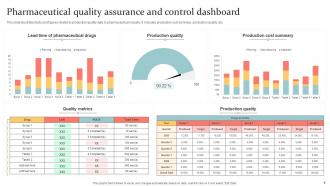
Honestly, start with first-pass yield - that's your best indicator of how well things are running. Track how many batches pass QC on the first try, plus your out-of-spec rates and deviation frequency. Testing turnaround times matter too since nobody wants to wait around. Customer complaints and regulatory inspection outcomes are obvious ones to watch. Oh, and don't forget cost per test - QC budgets can spiral quickly if you're not careful. Your lab's precision and accuracy metrics will show if your methods are actually working. Resource utilization is another big one. First-pass yield is where I'd focus initially though.
-
Innovative and Colorful designs.
-
Making a presentation has never been this easy for me. Thank you SlideTeam for offering a splendid template library.