


Pharmaceutical Supply Chain Powerpoint Ppt Template Bundles




Try Before you Buy Download Free Sample Product
 Impress Your
 Audience
 100%
100% Editable
 Save Hours
 of Time


Our Pharmaceutical Supply Chain Powerpoint Ppt Template Bundles are topically designed to provide an attractive backdrop to any subject. Use them to look like a presentation pro.
People who downloaded this PowerPoint presentation also viewed the following :
Pharmaceutical Supply Chain Powerpoint Ppt Template Bundles with all 17 slides:
Use our Pharmaceutical Supply Chain Powerpoint Ppt Template Bundles to effectively help you save your valuable time. They are readymade to fit into any presentation structure.






FAQs for Pharmaceutical Supply Chain Powerpoint
Honestly, start with supplier qualification and demand forecasting - those are your foundation. Cold chain is where people mess up constantly though, don't skimp on temperature control or you'll lose entire batches (learned that the hard way). You need solid inventory management and distribution networks too. Track-and-trace capabilities are pretty much required now for serialization. Oh, and find logistics partners who actually get pharma requirements - not all of them do. Risk planning became way more obvious after COVID hit everyone. I'd map out what you have first to spot the weak points.
So basically every single thing you do gets micromanaged by regulations - manufacturing, storage temps, how you ship stuff, all the paperwork. FDA and EMA make you follow Good Manufacturing Practices, do serialization tracking, monitor cold chain temps constantly. It's honestly such a pain but yeah, people's lives are on the line. You need solid quality systems and validated processes. Plus SO much documentation to prove you did everything right - like, an insane amount. I'd start by comparing what you're doing now against the regulatory rules to see where you're screwing up.
Honestly, there's some pretty cool stuff happening right now. Blockchain's massive for tracking authenticity - you can literally follow a drug from factory to pharmacy. AI's getting scary good at predicting what inventory you'll need. Temperature sensors during shipping are clutch, especially for those expensive biologics that die if they get too warm. Most places now require serialization tech for compliance anyway. The really smart companies are combining these - like feeding sensor data into their AI models. If you're serious about upgrading your supply chain, I'd definitely look into blockchain pilots first.
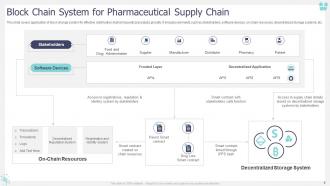
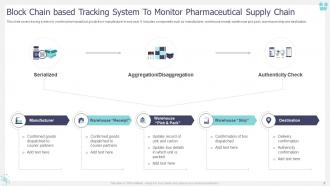
So basically blockchain gives you this permanent digital trail that tracks every single handoff from manufacturer to patient. Nobody can mess with the records or fake them - that's the whole point. Your manufacturers, distributors, pharmacies all add their piece to the chain, which makes catching counterfeit drugs way easier. Plus everyone's looking at the same data at the same time, which is honestly pretty neat. I'd probably start small though - maybe just pilot it with your riskiest products first? That way you can actually see if the transparency thing works before going all-in.
Honestly, the regulatory stuff across different countries is brutal - every place has its own rules. Cold chain management is a nightmare too since so many drugs need specific temperatures. Supply chain gets wrecked constantly from political drama or hurricanes or whatever. Fake drugs are probably the scariest part though, they're literally everywhere. Demand forecasting is tricky, especially with specialty meds where you're kinda guessing. Oh, and good luck tracking anything end-to-end with all these different suppliers and distributors involved. Real-time tracking systems help tons, plus finding logistics partners who actually get pharma regulations.
So demand forecasting basically saves you from two awful scenarios - running out of critical meds or getting stuck with tons of expired inventory. You look at your historical sales data and try to predict what you'll actually need. Game changer when you're dealing with expensive stuff that expires fast. Also helps you prep for seasonal changes or random spikes in demand. Honestly, disease outbreaks can totally mess with your patterns, so factor those in too. Plus regulatory changes - those always throw things off. It's like having a crystal ball but way more reliable since it's data-driven.
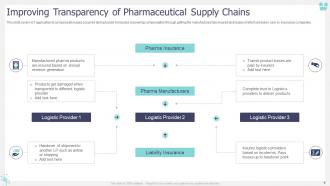
So 3PLs are basically the middlemen who move drugs from manufacturers to pharmacies and hospitals. They handle warehousing, transportation, all that logistics stuff while dealing with pharma's insane regulatory requirements. Cold chain management is their bread and butter - super critical for biologics and temperature-sensitive meds. A lot of them do everything from inventory to last-mile delivery, especially for specialty drugs that need white-glove treatment. Oh, and if you're shopping around for one, definitely check they have proper GDP certifications and solid tracking systems. Trust me on that one.
Dude, AI is honestly a game-changer for this stuff. It predicts demand by looking at patient data, seasonal patterns, all that - so you know exactly what meds to stock and where. No more guessing games. The routing optimization is clutch too, gets shipments delivered way faster. Plus it can spot supply chain issues before they blow up, which is huge. You'll cut down on expired inventory and stockouts big time. Saves money and keeps patients happy. Oh and definitely start with demand forecasting algorithms first - that's your biggest bang for the buck right there.
Honestly, start by spreading your suppliers around - never rely on just one source for critical stuff. Yeah, your CFO will complain about inventory costs, but keep extra stock of essential components anyway. Get some visibility tools so you can see problems coming instead of scrambling when they hit. Moving some suppliers closer to home cuts down on geographic risk too. Map out your whole network, including those tier-2 and tier-3 guys nobody thinks about until something breaks. Oh, and backup manufacturing sites are clutch. Just tackle your biggest vulnerabilities first - you can't fix everything at once.
Dude, temperature control is everything with those meds. Vaccines, insulin, biologics - they'll literally become worthless if they get too hot or freeze during shipping. I've seen companies lose entire batches because someone's truck broke down. You need constant monitoring, special packaging, refrigerated transport, the works. Honestly the number of things that can go wrong keeps me up at night sometimes lol. Yeah it's expensive as hell, but there's no way around it. Track your temps at every single handoff or you're asking for trouble.
So pharmacovigilance is basically your safety net for catching bad drug reactions and quality problems across the whole supply chain. You're monitoring everything from manufacturing to patients getting their meds. Think early warning system - because something will go wrong eventually, trust me. Collect data on side effects, manufacturing screwups, distribution issues, all of it. Acts fast when problems pop up. Honestly the best part is keeping patients safe while staying compliant with regulations. Make sure you've got solid reporting channels with suppliers and distributors though - you'll need that info flowing when shit hits the fan.
Start with your suppliers - find ones using renewable energy and ethical sourcing. Packaging is huge too, so switch to recyclable stuff and cut down on excess (seriously, why do we need three boxes for one bottle?). Transportation-wise, optimize your routes and use rail instead of trucks when you can. But here's what'll really make a difference - set up reverse logistics for returns and expired meds. That's where the real impact happens. Don't try to do everything at once though. Pick one thing, maybe sustainable packaging for your biggest product, then expand from there. You'll see results faster that way.
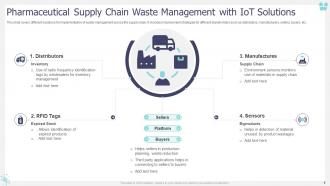
So there's three big things happening right now - smart packaging with RFID chips, sustainable materials (because everyone's obsessed with going green), and serialization stuff for anti-counterfeiting rules. Real-time tracking is honestly game-changing when you can actually see where everything is. Plus you get way less waste since you're monitoring shelf life better. Recalls happen faster too which is huge. The green push is making things messy short-term while suppliers figure their shit out, but whatever. RFID pays for itself pretty quick if you're doing high-value drugs or cold chain. I'd just start with your most important products first tbh.
Supplier partnerships? They're basically everything in pharma - honestly can't stress this enough. Good relationships mean you get priority when things go sideways, and they'll actually warn you before problems hit. Bad partnerships? You're getting dropped first when supplies run low. Finding new suppliers during a crisis is absolutely brutal too, especially with all the regulatory hoops you have to jump through. Been there, not fun. My take: don't just treat them like vendors. Do regular check-ins, plan stuff together. It sounds obvious but most companies skip this and then wonder why they're screwed when shortages happen.
Here's my take: data analytics turns your supply chain from constantly playing catch-up into actually seeing what's coming. You'll catch demand spikes weeks earlier and avoid those nightmare stockouts (or sitting on tons of expired inventory). Temperature tracking becomes foolproof too - honestly, such a relief not stressing about whether shipments got cooked in transit. Plus you start seeing which suppliers are flaky before they screw you over. My advice? Don't go crazy trying to fix everything at once. Pick something specific like demand forecasting first, then expand from there.
-
Easy to edit slides with easy to understand instructions.
-
The templates are easy to get, and the chat customer support is excellent.