


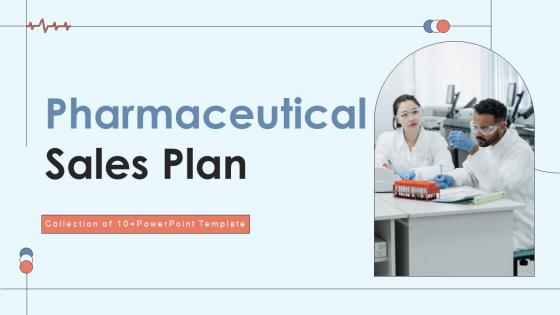
Pharmaceutical Sales Plan Powerpoint Ppt Template Bundles




Try Before you Buy Download Free Sample Product
 Impress Your
 Audience
 100%
100% Editable
 Save Hours
 of Time


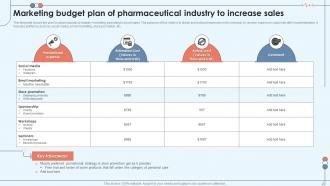
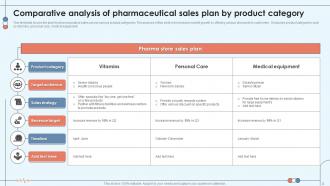
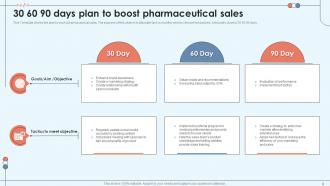
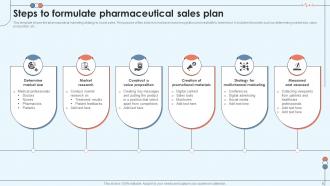
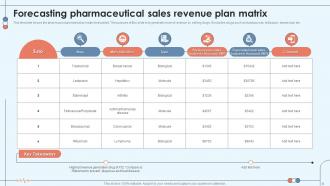
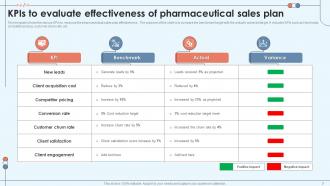
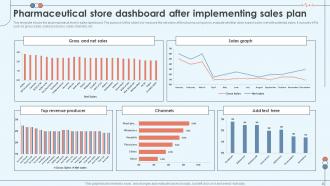
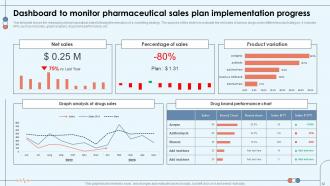
Introducing our comprehensive Pharmaceutical Sales Plan PowerPoint template, designed to fuel Pharma Growth and optimize Medical Store Sales. This professional presentation offers a strategic roadmap to enhance your sales performance and maximize revenue. Crafted with precision, the template provides valuable insights into managing your Pharma Marketing Budget effectively, ensuring optimal resource allocation for marketing campaigns that yield significant returns. The Sales Dashboard feature empowers you to track key performance metrics, enabling data driven decision making and enhancing sales productivity. With a focus on the pharmaceutical industry, this versatile PPT covers various essential elements, including market trends, competitor analysis, and targeted promotional strategies for Drugs. Elevate your sales approach and propel your pharmaceutical business to new heights with this powerful Pharmaceutical Sales Plan template
People who downloaded this PowerPoint presentation also viewed the following :
Pharmaceutical Sales Plan Powerpoint Ppt Template Bundles with all 22 slides:
Use our Pharmaceutical Sales Plan Powerpoint Ppt Template Bundles to effectively help you save your valuable time. They are readymade to fit into any presentation structure.





FAQs for Pharmaceutical Sales Plan Powerpoint
Honestly, start with your top 20 target accounts and work backwards - it's way easier than trying to boil the ocean. Figure out exactly which healthcare providers you're chasing, then dig into what your competitors are doing. Sales objectives need real metrics, not fluffy goals. Your channel strategy matters big time since reaching doctors is totally different than reaching hospitals. The messaging piece is huge too - these are medical professionals who want hard clinical data, not some glossy brochure nonsense. Oh, and compliance planning is non-negotiable because pharma regs will destroy you if you mess up. Mapping those accounts first gives you something concrete to build from.
Look, market research is your secret weapon for knowing which docs to hit and what they actually care about. You'll see prescribing patterns, patient demos, clinical outcomes that matter to them. The competitor stuff? Honestly pretty brutal sometimes but super useful. I'd focus on segmenting your territory first - go after the high-conversion accounts before wasting time elsewhere. Tailor your messaging to what resonates instead of generic pitches. Best part is finding those treatment gaps your product fills. Build call plans around accounts most likely to convert. Makes your whole approach way more strategic than just showing up and hoping.
Dude, you absolutely have to do competitor analysis - it's what drives your whole strategy. Map out the top 3-5 players in your space first. Track their pricing, market share, clinical strengths, sales approaches. Pharma's brutal - one trial can sink everything, so you can't just guess. Find their weak spots and that's where you'll discover opportunities. Honestly, the physician feedback piece is huge too. Use all this intel to craft messaging that actually highlights what makes you different. Recent launches and pricing shifts? Keep tabs on those constantly.
Start with prescriber type - specialists and primary care docs think totally different. Practice size matters too, plus where they're located and how many patients they see. Most teams go crazy with segments but honestly 4-6 max or you'll lose your mind. Map your value prop to their actual pain points. What regulatory stuff are they dealing with? How familiar are they with your therapeutic area? Focus on your biggest prescribers first and build real personas from there. The segmentation rabbit hole is real though - I've seen teams spend months on this and get nowhere.
Track your revenue and market share first - that's the obvious stuff. But dig into prescription trends by territory too, plus how fast you're acquiring new healthcare providers. Retention matters huge since building those relationships takes forever (seriously, doctors are impossible). Sales cycle length and conversion rates will tell you where things are breaking down. Don't sleep on call frequency and quality scores either - they're more predictive than most people think. Once you've got those basics down, add competitive intel and seasonal patterns. That's where you'll actually spot the good opportunities.
Honestly, start with CRM integration - that's where you'll see the biggest impact on tracking leads. LinkedIn Sales Navigator is gold for finding the right people at hospitals, then hit them with personalized email sequences through HubSpot or whatever CRM you're using. Webinars are clutch for busy doctors who can't meet face-to-face. I know social selling feels awkward at first, but connecting on LinkedIn before you cold call makes everything way easier. Oh, and set up lead scoring so you're not wasting time on lukewarm prospects when you've got hot ones waiting.
Look, patient safety has to come first - no question. Don't oversell benefits or hide risks in your messaging. I've watched too many reps crash and burn trying to push those boundaries. Be straight with doctors and avoid anything that feels manipulative or creates sketchy conflicts. Document everything you do and be upfront about what your product can't do, not just what it can. Honestly, the regulatory landscape is brutal these days. If you'd be nervous explaining your strategy to compliance, that's your red flag right there.
Oh man, training in pharma is huge - way more than other sales gigs. These doctors already know their stuff inside and out, so if you don't understand drug mechanisms, trials, side effects, all that technical stuff, you'll lose credibility fast. New studies drop constantly too. I'd honestly budget like 20% of your team's time for ongoing training (not just the initial stuff when they start). Product knowledge is obvious, but don't forget relationship skills - that's where a lot of reps actually struggle. The regulations alone will make your head spin sometimes.
Honestly, it's all about showing up consistently with stuff that actually matters to them. Bring clinical data, not just sales pitches - doctors can smell BS from a mile away. They're crazy busy, so respect their time and don't be that rep who overstays their welcome. Actually listen during meetings instead of just waiting for your turn to talk. Be upfront about your product's downsides too, not just the good stuff. That builds way more trust. Oh, and write down little details about their practice or what they're into - doctors remember when you remember. You want them thinking "finally, someone who gets it" when they see you coming.
Honestly, you've got to bake compliance into your sales process right from the start - don't just slap it on later. Have legal review everything first: sales scripts, promo materials, territory plans, all of it. Your reps need solid FDA training too, especially around off-label stuff. The fines are absolutely insane if you mess this up. Regular audits of what your team's actually doing with customers. Document everything religiously so you're covered when regulators show up (and they will). Oh, and assign one person to own this full-time - can't be a side project.
Honestly, the biggest shift I've noticed is when reps stop pushing and start partnering instead. Don't counter their objections - dig into them. "That's a valid concern, what's driving that?" Works way better than you'd think. Tell actual patient stories, not just data dumps. Some reps I know do these collaborative sessions where they literally work through the provider's workflow problems together. There's this "assumption reversal" thing too - instead of assuming they need your product, ask what would need to be true for them to even consider changing. Try the partnership thing on your next few calls and watch how different it feels.
Honestly, start with the basics - send surveys after your calls and check in with your big accounts regularly. Those random coffee conversations at conferences? Pure gold, don't skip them. But here's the thing - actually DO something with what you learn. I see too many people collect feedback and then... nothing. Track the objections that keep coming up, pricing pushback, whatever. Use that stuff to fix your pitch or update your materials. Maybe even bug product development if customers keep asking for the same features. Set aside time each month to look at patterns and adjust. Way better than just hoping for the best.
Dude, you absolutely need marketing on your side - they're like the brains behind any good pharma sales strategy. They create all the messaging that actually works with doctors and build materials that don't suck. Plus they handle compliance stuff so you won't get in trouble with promotional claims (trust me, you don't want that headache). Honestly, their data insights are way better than most sales reps realize. Without them backing you up on positioning and market intel, you're basically flying blind. Set up regular check-ins with your marketing people. Get early access to their new tools and stay in the loop on campaign priorities.
Dude, you gotta stay on top of what's actually happening out there. Telemedicine is huge right now - if docs in your area are doing virtual visits, make sure you can support that stuff. Personalized medicine too, though honestly the genomic testing space moves so fast it makes my head spin sometimes. Talk to your customers about where they think things are going. Set up some Google alerts, maybe join those LinkedIn groups (I know, I know, but they're actually useful). Watch for regulatory changes and what new tech your physicians are picking up. Then just... adjust everything accordingly. Your messaging, training, how you spend your time. Way easier than trying to swim upstream against these trends.
Dude, the AI-powered CRM stuff is honestly insane right now. It predicts which doctors will actually prescribe and tells you exactly when to call them. Virtual detailing became huge after COVID - reps can demo products without traveling everywhere. Real-world data analytics are way better than clinical trials because you see what's actually happening with patients. Mobile apps handle all the sample tracking and compliance paperwork too, which used to be such a pain. Honestly? Start with a CRM that has predictive analytics built in. That's where you'll see the biggest difference right away.
-
Their designing team is so expert in making tailored templates. They craft the exact thing I have in my mind…..really happy.
-
The service is fast, and I could access any presentation after buying the subscription. I don’t think I’ll ever have to worry about a presentation in my life.