

Safety And Security Powerpoint Ppt Template Bundles




Try Before you Buy Download Free Sample Product
 Impress Your
 Audience
 100%
100% Editable
 Save Hours
 of Time


Our Safety And Security Powerpoint Ppt Template Bundles are topically designed to provide an attractive backdrop to any subject. Use them to look like a presentation pro.
People who downloaded this PowerPoint presentation also viewed the following :
Safety And Security Powerpoint Ppt Template Bundles with all 18 slides:
Use our Safety And Security Powerpoint Ppt Template Bundles to effectively help you save your valuable time. They are readymade to fit into any presentation structure.
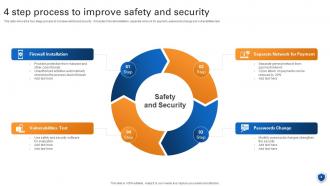
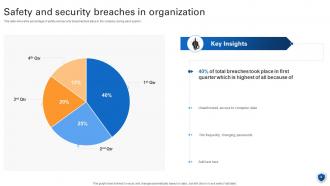
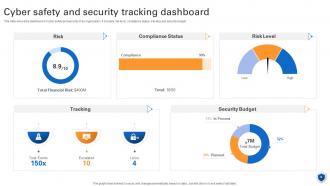
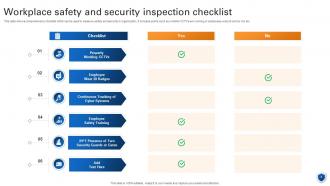





FAQs for Safety And Security Powerpoint
Safety is about preventing accidents - workplace injuries, fires, chemical spills, that kind of stuff. Security deals with intentional threats like hackers, theft, people trying to break in. Think of it this way: safety asks "how do we stop someone from getting hurt by accident?" Security's more like "how do we stop bad actors from doing damage on purpose?" They actually overlap way more than most people realize though. A cyberattack could mess with safety systems, right? The main difference is really about intent - accidents vs. deliberate attacks. Your incident plans should cover both sides or you're missing half the picture.
Honestly, skip the boring PowerPoint stuff - nobody pays attention anyway. Build safety training right into onboarding from day one. Use hands-on drills and scenarios people actually care about. Your warehouse team needs different training than office workers, obviously. Role-playing works way better than lectures. Schedule refreshers every quarter (I'd say monthly but good luck getting buy-in on that). Always update everything when incidents happen or rules change. Oh, and make sure people know how to report stuff properly - that's huge.
Modern security is wild - AI cameras can spot sketchy behavior before anything happens. Biometric access controls, motion sensors, glass-break detectors, the whole nine yards. Even automated lights help scare people off. What's really nuts is how everything connects now. Your cameras instantly ping security when alarms go off. Though honestly, the tech moves so fast it's hard to keep up sometimes. I'd say figure out where your weak spots are first, then tackle those with whatever fits your budget. Don't try to do everything at once or you'll go crazy.
First thing you should do is document everything you've already got - physical security, training programs, how you handle incidents, all of it. Then compare that against whatever industry standards apply to your business. Honestly, almost every company finds weird gaps they had no clue about, but that's actually a good thing since now you can fix them. Getting an outside auditor isn't a bad idea either - they'll catch stuff you're too close to see. Create some kind of risk matrix to figure out what needs fixing first. Oh, and don't treat this like a one-and-done thing. Keep revisiting it regularly.
Honestly, the usual suspects are slips/falls, bad desk setups that wreck your back, electrical stuff, and chemical exposure. Falls are the scariest though - literally happens in seconds and can really mess you up. Most of it's preventable if you keep walkways clean, get decent ergonomic gear, maintain electrical systems properly, and actually follow those chemical protocols nobody reads. Oh, and don't get too comfortable - that's when accidents happen. Quick thing you could do right now is just look around your workspace. I bet you'll notice at least one sketchy thing you've been ignoring.
Don't treat crisis plans like separate paperwork that sits on a shelf collecting dust. They work way better when they're built right into your existing safety stuff. Like, your normal evacuation should flow directly into your emergency communication chain - no weird gaps where people don't know what comes next. I swear, half the companies I've worked with have these things in completely different departments and everyone's confused when actual emergencies happen. Train your people on crisis scenarios during regular safety meetings so they recognize when things are escalating. Map out exactly where your daily procedures would switch into crisis mode.
Yeah, safety culture definitely helps with both. When workers aren't constantly stressed about getting hurt, they focus better and actually want to be there. I've noticed teams with good safety practices have way less turnover too. Makes sense - nobody wants to work somewhere they might get injured, right? Plus fewer accidents means everything runs smoother without constant disruptions. It's weird how taking care of people also ends up being profitable. My advice? Start asking your crew what safety issues bug them and then actually do something about it. Shows you're not just talking.
So basically, regulatory frameworks are just mandatory safety rules that different industries have to follow. OSHA handles workplace safety, FDA does pharmaceuticals, aviation has its own thing - you get the idea. Each sector gets its own regulators since a nuclear plant obviously has different risks than like... a food truck or whatever. They'll require licensing, do inspections, make you report incidents, and hit you with fines if you mess up. Honestly, the penalty stuff can get pretty brutal - we're talking shutdowns sometimes. You'll want to figure out which regulatory bodies actually matter for your industry first, then map out what they're currently requiring.
So the big thing right now is AI-powered threat detection - it's actually pretty cool how it works. IoT security systems are getting way more integrated too. Predictive analytics can catch problems before they blow up, which is huge. Remote work totally flipped everything though. That whole "castle and moat" thing? Yeah, that's dead now. Behavioral analytics and zero-trust are where it's headed. Oh, and physical security teams are finally talking to IT security - about time, honestly. My two cents? Get tight with your IT security people ASAP because everything's blending together these days.
Look, stressed employees mess up more - that's just facts. They lose focus on safety stuff and make dumb mistakes. But here's the thing: good mental health support actually prevents accidents. Counseling, stress programs, regular check-ins with managers who actually care. I've noticed teams with decent mental health resources have way fewer incidents. People speak up about safety issues instead of keeping quiet too. Honestly, half the battle is just asking your team what they'd actually use - then fight to get those programs. Don't assume you know what they need.
Honestly, the trick is using stuff they'll actually deal with at work - not those boring generic examples that make everyone's eyes glaze over. Keep your slides visual with clear steps instead of text walls. I always toss in a "what would you do here" moment so people don't just sit there like zombies. Cover the physical safety stuff plus security things like data protection and building access. The best part? Give them something useful afterward - maybe a quick reference card or checklist they can actually stick at their desk and use later.
Look, don't get caught up in doomsday scenarios - focus on what'll actually hurt you. Do a real risk assessment first to figure out where you're most exposed. Put your money there instead of buying premium everything (it's like car insurance, right?). Honestly, most breaches happen because someone clicked the wrong email, so train your people well. Critical infrastructure gets the big bucks, everything else can wait. Build it up gradually - maybe a 2-3 year roadmap? Knock out the easy wins that make a real difference first.
Honestly, communication makes or breaks safety culture. Your team needs to feel safe reporting near-misses and asking questions without getting blamed - that's huge. I'd throw safety updates into regular meetings, put up clear signs, maybe celebrate when someone speaks up about hazards. The workplaces I've seen fail? Leadership just doesn't talk about it enough, so it becomes background noise. Make it visible and frequent. Also quick safety talks help reinforce that it's not just some policy gathering dust. When people see you actually care about their input, they'll keep bringing concerns forward.
Honestly, just start by figuring out what could actually screw you over - cyber stuff, natural disasters, break-ins, whatever. Make plans for each one with clear roles so people aren't just standing around confused. The drill thing is huge though - I've seen companies with "perfect" plans that fell apart because nobody practiced them. Set up backups for your critical stuff and train your team so they don't panic. Oh, and actually test everything regularly. Update contact info quarterly because half the numbers will be outdated otherwise. Plans sitting in some folder won't help when things go sideways.
So with remote work, you're basically swapping office dangers for totally different ones. Instead of worrying about someone slipping in the break room, now it's all about data breaches and people hunching over their kitchen tables for 8 hours straight. Your IT team can't exactly march into everyone's living room to check if they're using secure wifi, you know? Most companies are scrambling to write new policies around VPN stuff and file sharing protocols. Honestly, half my coworkers still work from bed sometimes. But yeah, definitely audit what security practices you've got going and make sure everyone actually knows the new rules.
-
Every time I ask for something out-of-the-box from them and they never fail in delivering that. No words for their excellence!
-
The best part about SlideTeam is their meticulously prepared presentations (complete-decks and single-slides both), infused with high-quality graphics and easy to edit. All-in-all worthy products.