


Quality Inspection Report Powerpoint Ppt Template Bundles





Try Before you Buy Download Free Sample Product
 Impress Your
 Audience
 100%
100% Editable
 Save Hours
 of Time


Our Quality Inspection Report Powerpoint Ppt Template Bundles are topically designed to provide an attractive backdrop to any subject. Use them to look like a presentation pro.
People who downloaded this PowerPoint presentation also viewed the following :
Quality Inspection Report Powerpoint Ppt Template Bundles with all 22 slides:
Use our Quality Inspection Report Powerpoint Ppt Template Bundles to effectively help you save your valuable time. They are readymade to fit into any presentation structure.

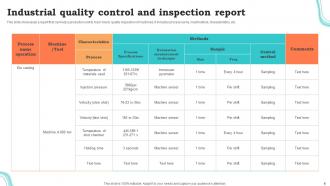
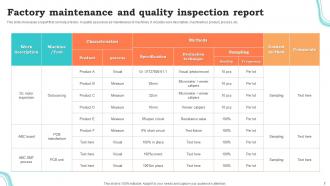
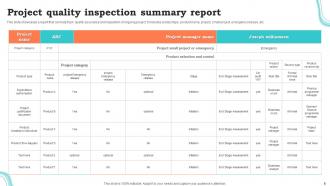
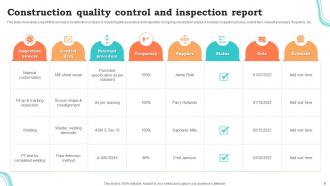






FAQs for Quality Inspection Report Powerpoint
So for quality inspection reports, you'll want these five things: first, clearly identify what you're inspecting - product specs, batch numbers, all that stuff. Document your inspection methods and criteria too. Then get into your detailed findings with actual measurements and observations. Don't forget to call out any defects or issues you spotted. Finally, give clear pass/fail conclusions with what needs to happen next. Honestly, photos are a game-changer if you can swing it - way better than trying to describe everything. Just be specific enough that someone reading it later can follow your logic completely. And make your recommendations something people can actually act on, not vague suggestions.
Dude, templates are a lifesaver for inspection reports. No more staring at blank pages wondering where to start. You'll have all your sections and checkboxes ready to go - just fill in the details for each job. Takes way less time once you get the hang of it. Your reports end up looking consistent too, which honestly makes you look more professional. Don't just download some random template though. Start basic and modify it as you go. I learned that the hard way after using a terrible generic one for months. Trust me, customize it to match how you actually work.
Ugh, the Bob vs Sarah thing is so real - inconsistent scoring between inspectors will drive you crazy. Incomplete docs are another headache, plus everyone's always rushing because of tight deadlines. Communication breaks down constantly too, especially when field teams don't know what they're actually looking for. Honestly, the whole "thorough but fast" balance is impossible sometimes. Quick fix though - standardized checklists help a ton. Also try those calibration sessions where everyone reviews the same cases together. Keeps people on the same page without being too formal about it.
Honestly, visual aids are game-changers for inspection reports. Photos of defects beat long descriptions every time - like, why make people guess what you're talking about? Charts and diagrams help readers spot trends instantly instead of digging through paragraphs of technical stuff. Before/after shots are gold, especially when you're showing improvements or problems. I always throw in at least one visual per major section now. People actually read my reports instead of skimming them, which is kind of the whole point. Your stakeholders will definitely appreciate not having to decode walls of text.
Start with defect rates, first-pass yield, and how long inspections actually take. Cost per inspection matters too - you don't want to blow your budget on checks that miss stuff anyway. Track what types of defects keep popping up so you can find patterns. Inspector productivity is key, obviously. The big one though? See if your inspection data matches up with customer complaints. That tells you whether you're actually catching problems before they ship out. Honestly, I'd focus on those basics first, then add whatever weird metrics your industry cares about later.
Dude, tech seriously helps with inspection accuracy. Automated systems cut out human error on repetitive stuff. AI image recognition spots defects you'd totally miss. Digital tools standardize data collection - no more random typos in reports (seriously, some were hilarious). Real-time validation catches weird readings instantly instead of weeks later. IoT sensors monitor continuously rather than just spot checks. Oh, and start with whatever inspection steps are screwing up most often. That's where you'll see the biggest difference right away.
Monthly reviews are usually the sweet spot, but it really depends on what you're dealing with. Manufacturing or anything safety-critical? Go weekly for sure. Lower risk stuff can probably get away with quarterly - though I'm always paranoid about stretching it too long. Don't fall into the trap of only checking when problems pop up or audits are breathing down your neck. Consistency is everything here. Oh, and set up an annual deep dive to spot trends and tweak your criteria. Trust me, put it in your calendar now or you'll forget like I always do.
Look, standardization just means everyone writes reports the same way - same terms, same format, same measurements. Otherwise you'll get wildly different reports depending on who's doing the inspection. Trust me, trying to compare data when one guy writes "looks bad" and another writes "deviation from spec parameters" is a total headache. You want templates and clear definitions for common defects so you can actually spot patterns over time. Short sentences work. Longer ones help explain the why behind everything. Start with your most frequent issues and build from there - don't overthink it at first.
Okay so you'll want to document everything systematically - testing procedures, results, any deviations, corrective actions. Create a paper trail showing you follow regulations. Yeah it's tedious but auditors love this stuff. Reference your specific standards (ISO, industry regs) with timestamps and signatures. The approval chain thing is huge too. Consistency across inspections makes verification way easier for them. Oh and start with a standardized template covering all your regulatory requirements. Honestly once you get the template down, it becomes pretty routine. Just don't skip the documentation part even when you're swamped.
Charts and graphs are your best friend here - way better than making people dig through endless spreadsheets. Start with the big picture summary, then get into the weedy details. Color-coding helps tons (red for bad, green for good, you know the drill). Tables are fine for the nitty-gritty stuff, but honestly? Most execs will just glance at your visuals anyway. Always include both raw numbers and percentages so people actually get what they're looking at. Oh, and don't bury the scary stuff on page 12 - put any red flags right up front where they can't miss them.
You gotta match your report to whoever's reading it. Executives want the big picture - costs, impact, main findings. They'll skip right over technical stuff anyway. Your quality team and engineers need every detail though - all the measurements, specific problems, the works. They're actually fixing this mess. Production managers are tricky - give them enough detail to get the root cause but focus on what they need to do about it. Honestly, I just write a summary that works for everyone up front, then dump all the technical details in appendices at the back.
Ugh, inconsistent quality reports are the worst - they'll totally wreck your ability to spot real problems. When your data's all over the place, you can't tell if something's actually a trend or just random bad luck. Stakeholders start questioning everything once they realize your numbers don't add up. Auditors hate messy documentation too, so compliance becomes this huge headache. Honestly, I've seen teams waste months chasing fake patterns. Set up standard templates and make sure everyone's trained on the same collection methods. Otherwise you're basically comparing completely different things and calling it analysis.
Look, quality inspection feedback basically gives you a clear picture of what's broken and what isn't. Check your last three reports first - see which defects keep showing up over and over. That's your starting point. You can track patterns across different batches, figure out which processes are screwed up. Don't just file the reports away though (everyone does this). Actually dig into the data. Then adjust your manufacturing, update standards, maybe retrain people on whatever they're consistently messing up. It's honestly pretty straightforward once you start connecting the dots.
Stop everything right now and write down exactly what you're seeing. Seriously, don't let anything move forward until you know how bad this actually is - I've watched tiny issues turn into absolute disasters when people just kept going. Call whoever needs to know ASAP and put together a plan with real deadlines. Here's the thing though: dig into what's actually causing this mess, not just the obvious stuff on the surface. Those quick bandaid fixes? They never last. Sort everything by how risky it is first, then tackle the scary stuff. Way better to catch this now than deal with it later.
Dude, those inspection reports are perfect for training your team. I'd pull real examples from recent ones - way better than boring generic stuff nobody cares about. Show them the actual defects that happened, what went wrong, why it matters. People actually pay attention when it's from their own workplace, you know? Track the patterns too so you can figure out where people keep messing up. Honestly, I'd just start doing monthly sessions using whatever your latest findings are. Keeps everyone on their toes and they'll actually see why quality standards matter instead of just rolling their eyes.
-
Designs have enough space to add content.
-
I am really satisfied with their XYZ products. Used their slides for my business presentations and now I am taking their help for my son's high-school assignments. Super satisfied!!