


Safety Management System Powerpoint Ppt Template Bundles




Try Before you Buy Download Free Sample Product
 Impress Your
 Audience
 100%
100% Editable
 Save Hours
 of Time


Our Safety Management System Powerpoint Ppt Template Bundles are topically designed to provide an attractive backdrop to any subject. Use them to look like a presentation pro.
People who downloaded this PowerPoint presentation also viewed the following :
Safety Management System Powerpoint Ppt Template Bundles with all 16 slides:
Use our Safety Management System Powerpoint Ppt Template Bundles to effectively help you save your valuable time. They are readymade to fit into any presentation structure.
-
Safety Management System
-
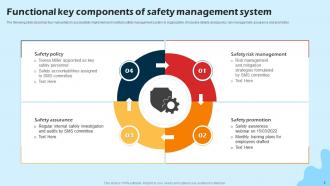
Functional key components of safety management system
-
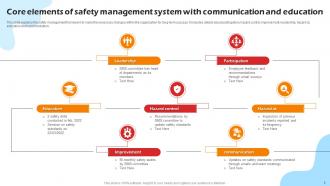
Core elements of safety management system with communication and education
-
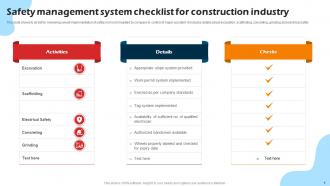
Safety management system checklist for construction industry
-
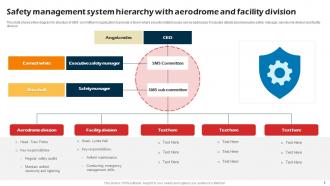
Safety management system hierarchy with aerodrome and facility division
-
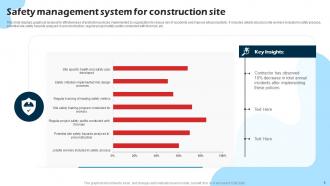
Safety management system for construction site
-
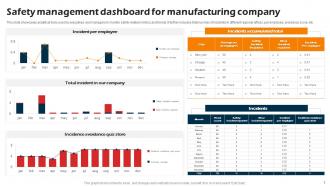
Safety management dashboard for manufacturing company
-
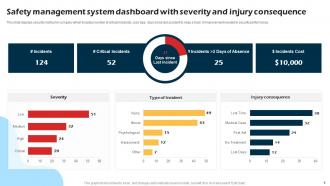
Safety management system dashboard with severity and injury consequence
-
Safety management icon showing incident alert system
-
Safety management system icon with protection shield
-

Thank you
-

-

-

-

-

FAQs for Safety Management System Powerpoint
So you've got four main pieces to work with: safety policy, risk management, assurance, and promotion. Policy is your foundation - leadership sets the expectations there. Risk management means figuring out what hazards exist and what might go sideways. Then there's assurance, which is basically checking if your system actually works (honestly, this is where most places mess up). Safety promotion covers training and building that culture thing. Oh, and communication too. Start with getting your policy straight, then tackle the rest one by one. Don't try to do everything at once or you'll just overwhelm yourself.
Look, safety can't just be a top-down thing. Your frontline people actually know where the dangers are - way better than whoever's making PowerPoints upstairs. Make it super easy for them to flag problems without worrying they'll get blamed. Those boring monthly safety meetings? Ditch them. Instead, bring employees into investigations and audits. Let them own pieces of safety programs. Oh, and definitely celebrate when someone speaks up about hazards - that stuff matters more than you'd think. Bottom line: they need to feel like partners, not just people following rules.
So risk assessment is basically your SMS backbone - you're hunting down everything that could go sideways before it actually does. Map out your operations, spot the hazards, figure out probability and impact. Then rank them by how badly they'd mess things up. Honestly, it's like being paid to worry professionally. But here's the thing - this whole process drives what safety policies you actually need instead of just throwing random procedures at the wall. Without it, you're flying blind on which controls matter most. I'd start with your biggest operational headaches first.
Honestly, tech can totally transform your SMS - just start with digitizing incident reports since that's where everyone gets bogged down with paperwork. Mobile apps make field reporting way easier, and you'll get real-time data instead of waiting around. AI helps catch patterns you'd probably miss otherwise, which is pretty cool. Dashboards actually make sense of all that safety info instead of it just sitting there. Oh, and automated alerts are clutch for catching problems early. The whole thing cuts out so much manual work that your team will thank you. Response times improve almost immediately once you make the switch.
Honestly, the hardest part is dealing with people who think safety processes are just busywork on top of their real job. Leadership buy-in is crucial - without it, you're dead in the water. Companies always underestimate how much time and money SMS takes too. Oh, and data management becomes a total mess if your systems suck. Different departments never talk to each other properly either, which makes everything harder. Start with small pilot programs first. Get a few champions who actually believe in it, then make sure executives are backing you 100% before you roll it out everywhere.
Look, your SMS shouldn't just be another binder collecting dust. Get your people actually involved in spotting hazards instead of just sitting through boring safety talks. Create an environment where folks aren't scared to speak up - nobody reports issues if they think they'll get blamed for it. Here's the thing though: when someone does report a near-miss or suggests something, you better act on it and tell them what you did about it. Otherwise they'll stop caring. Make safety part of everyday conversations, not some monthly PowerPoint nightmare. Honestly, half the SMS programs I've seen are just checkbox exercises. Treat it like an actual conversation with your team.
You need both leading and lagging indicators - don't just pick one. Leading stuff like safety training completion, near-miss reports, and audit scores show you're actually preventing problems. Lagging indicators are your incident rates and workers' comp costs. Most companies only focus on the lagging metrics because they're obvious to measure, but honestly that's backwards thinking. The leading indicators are what actually move the needle. Oh, and definitely do employee perception surveys - they'll tell you if people think your safety program is BS or not. Track both types from day one.
Think of regulations as your bare minimum foundation - you've gotta build your SMS around those first. Map out what actually applies to your industry, then design processes that hit those requirements. But honestly, just meeting compliance is pretty weak sauce. Your SMS should go way beyond the minimums for hazard ID, risk assessment, incident reporting, all that stuff. It's like building codes for a house - they keep you legal but don't make it actually good. Start with what's mandatory, then layer on company-specific improvements that actually add value instead of just ticking boxes.
Honestly, monthly safety meetings are huge - but only if people can actually call out problems without getting in trouble. The floor workers always know what's really going on anyway. Track stuff like training completion and safety observations, not just when things go wrong. Regular audits help too, obviously. Get your team comparing notes with industry standards and updating procedures when you learn something new. Oh, and make everyone feel like they own safety, not just the managers. Data helps you make better decisions, but the real magic happens when your whole crew gives a damn about keeping each other safe.
Honestly, start with figuring out what people actually don't know - like do a proper training needs analysis first. Then build competency frameworks for each role so you're not just throwing random safety courses at everyone. The biggest thing is connecting it directly to your actual hazards and risks, not generic stuff that puts people to sleep. Keep it ongoing too - can't just dump it all in onboarding and call it done. I've seen too many places where training feels totally disconnected from the real work. Make it systematic instead of whenever someone remembers to schedule something.
Dude, leadership commitment literally makes or breaks SMS programs. I've watched so many crash and burn because executives talk a big game about safety but then make budget cuts that prove otherwise. Your leaders need to show up - like actually participate in safety meetings, not just send their assistants. Resources matter too. If they're skimping on training or equipment while preaching safety first, people see right through that BS. The whole thing just becomes checkbox theater at that point. Get your leadership visibly walking the walk, making tough decisions that put safety over profits. That's when you'll see real culture change happen throughout the company.
Honestly, just start by ditching the paper forms - digital ones that auto-fill info and sync with your SMS system are game changers. People hate paperwork (who doesn't?), so make it stupid simple or they'll avoid reporting altogether. Set up workflows that automatically send incidents to the right teams based on how serious they are. Use the same classification system every time so your data actually makes sense later. Real-time dashboards beat waiting around for monthly reports any day. Oh, and standardize everything from the start - you'll thank yourself later when you're trying to spot patterns.
So basically, reactive SMS is like waiting for stuff to break then scrambling to fix it. Proactive means you're actually hunting for problems before they smack you in the face - doing audits, checking near-misses, watching trends. It's kinda like going to the doctor only when you're dying versus getting regular checkups. Way smarter to catch things early, right? Most companies do both, but honestly? The more you can shift toward finding hazards ahead of time, the fewer fires you'll be putting out later. Trust me on that one.
You'll want both formal and informal ways for safety info to move around your company. Anonymous reporting works great - people feel safer speaking up. Regular huddles help too, plus maybe a simple app where workers can flag hazards quickly. The trick is making reporting dead simple and blame-free. Otherwise nobody bothers. Mix it up with safety committees, suggestion boxes, digital platforms. Here's the thing though - half this stuff looks good on paper but sits unused. So actually ask your team what they'd use versus what sounds nice in meetings. Create feedback loops so people see their reports lead to real changes. Test everything regularly.
Your SMS lives or dies by feedback - that's how you figure out what actually works versus what just sounds good. Get it from incident reports, safety audits, employee observations, near-miss stuff too. The real challenge? Making people want to share feedback instead of avoiding it. Nobody uses those suggestion boxes anyway, right? Once you get the info, look for patterns and update your procedures. Here's the key part though - you've got to tell people what you did with their input. Otherwise they'll just stop bothering to help you out.
-
The quality of PowerPoint templates I found here is unique and unbeatable. Keep up the good work and continue providing us with the best slides!
-
A library of engaging, customizable and content-ready templates.