


Safety Committee Powerpoint Ppt Template Bundles





Try Before you Buy Download Free Sample Product
 Impress Your
 Audience
 100%
100% Editable
 Save Hours
 of Time


Introducing our comprehensive PPT on Safety Committees, a vital resource for fostering a culture of safety within your organization. Dive into the world of safety committee establishment and functions, understanding how these dedicated groups collaboratively ensure a secure work environment. Explore the roles of health and safety committee members in identifying hazards, formulating safety protocols, and promoting best practices. Unlock the array of benefits that safety committees offer, from reducing workplace accidents to boosting employee morale. This presentation illuminates the significance of safety committees in enhancing overall workplace well being. Equip your team with the knowledge and insights needed to create a safer, more secure working environment. Elevate safety standards and productivity with our insightful Safety Committee PPT today.
People who downloaded this PowerPoint presentation also viewed the following :
Safety Committee Powerpoint Ppt Template Bundles with all 25 slides:
Use our Safety Committee Powerpoint Ppt Template Bundles to effectively help you save your valuable time. They are readymade to fit into any presentation structure.
















FAQs for Safety Committee Powerpoint
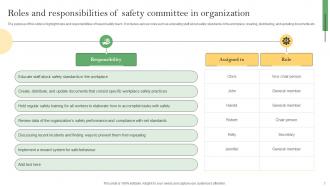
So basically they spot hazards, look into accidents, and write up safety policies. Training employees is huge too - plus staying compliant with OSHA stuff. Think of them as workplace safety cops (dramatic but accurate lol). They'll dig through accident reports and do inspections around the office. Creating a culture where people actually voice concerns instead of staying quiet? That's gold. Oh and definitely grab reps from different departments when you're building the team - you don't want any blind spots. They also push recommendations up to management, which honestly can be the trickiest part.
Honestly, get your safety committee doing regular walkarounds - that's your best bet. Different areas each month, looking for obvious hazards plus those almost-accidents that happen. Don't forget to loop in frontline workers because they actually know where problems are (managers miss this stuff constantly). Yeah, use a checklist but don't be rigid about it. Document what you find and tackle the worst risks first. The trick is being consistent - monthly inspections, not just scrambling after incidents. I've seen too many places skip this then wonder why accidents keep happening.
Oh man, this is huge - employee participation literally makes or breaks safety committees. You need people from different departments and shifts actually speaking up, not just sitting there quietly. Your frontline workers see the real hazards every day, which is way more valuable than whatever management thinks might be risky. Workers will actually follow safety rules they helped create too. I mean, nobody likes being told what to do from above, right? Get diverse voices involved and genuinely listen during meetings. Trust me, it'll make all the difference in how effective your committee actually is.
Honestly, I'd go with monthly meetings. Quarterly sounds nice in theory, but safety stuff moves way too fast - you'll lose track of everything between sessions. Monthly keeps you on top of incidents and action items without burning everyone out with too many meetings (which, let's be real, nobody wants). If you're just getting started or working somewhere pretty high-risk, maybe try every two weeks at first? Then dial it back once you get into a groove. The key is staying consistent enough to catch problems before they blow up into bigger issues.
Document everything - who showed up, what you talked about, and especially who's doing what next. Trust me, we totally spaced on tracking our ladder inspection once and it was a mess. Write down any incidents you reviewed and when stuff needs to get done. Get everyone to approve the minutes next meeting, then store them somewhere accessible. Honestly, the paper trail saves your butt during audits. Plus you can actually see if those safety fixes are happening or just sitting there collecting dust.
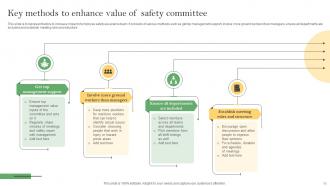
Look, the secret is making safety feel like teamwork, not punishment. Celebrate wins publicly and share near-miss stories without pointing fingers. Most committees just lecture about rules - no wonder people tune out. Get your frontline workers involved in spotting hazards since they actually know what's dangerous day-to-day. Host casual safety talks, recognize people who speak up about problems, and make sure bosses show up too. Oh, and start by asking employees what safety stuff bugs them most. That's where the real issues hide.
You need both types of metrics - the ones that show what already went wrong (injury rates, workers' comp claims, lost time) and the forward-looking stuff. That's where it gets more interesting. Track things like safety training completion, near-miss reporting, audit scores, how fast you fix hazards. Employee safety surveys are huge too since your people know what's actually happening out there, not what management thinks is happening. Honestly, don't go overboard - pick maybe 4-6 metrics that'll actually change behavior. Otherwise you're just creating pretty charts nobody acts on.
So there's actually tons of ways tech can make your safety committee way less of a headache. Digital incident reporting is huge - people can just tap stuff into their phones instead of dealing with those awful paper forms that always go missing. Safety software tracks patterns and sends automatic reminders for follow-ups, which honestly saves so much nagging. Remote folks can join meetings through video calls now too. Those real-time safety dashboards are pretty slick for keeping everyone on the same page. I'd start with whatever's driving you most crazy - probably incident tracking - then add other tools later.
Your committee needs training on spotting hazards and investigating incidents - that's the bread and butter stuff. Risk assessment basics too, so they catch problems early. Meeting skills are honestly super important since these groups love to talk in circles! OSHA requirements are non-negotiable, and they'll need to know how to actually communicate safety info to different teams without putting everyone to sleep. Start with solid orientation training, then do refreshers every quarter. I've seen committees fall apart when people don't stay current on procedures.
Mix it up with different ways to reach people - regular meetings, bulletin boards in break areas, emails or company intranet updates. Honestly, some people never check their email so don't rely on just one method. Two-way communication is huge though. Set up anonymous suggestion boxes or feedback channels. Train your committee members to chat casually about safety with their teams - that stuff really works. Oh, and map out what communication methods your employees actually use daily first. Consistency matters more than being fancy about it.
Honestly, just meet them where they're hanging out - on video calls and Slack. Do regular check-ins where people can show off their home setups and get tips. Monthly safety challenges work great too. Oh, and send care packages! Everyone gets weirdly excited about mail these days. Quick safety tips in your chat channels are solid, plus get people posting pics of their "wins" at home. Way better than those emails nobody reads. The trick is making it actually interactive instead of just blasting them with boring stuff they'll delete immediately.
Hey! So when something goes wrong or almost does, jump on it right away - memories fade fast. Document everything you can find and dig for the real cause, not just who screwed up. Some committees are terrible at this honestly, they just want someone to blame. Figure out what changes need to happen, tell everyone what you learned, then actually follow through. Can't tell you how many reports I've seen that just disappear into some folder. Set deadlines for fixes and check back regularly - otherwise nothing changes and you're back where you started.
So basically you guys need to inspect the workplace regularly and investigate any incidents that happen. Meeting monthly or quarterly is usually required - depends where you are. Keep good notes from those meetings too. Here's the cool part: you can actually request injury records and safety data, which gives you some real leverage. Just remember you can only identify problems and push for fixes - management still has to actually make the changes happen. Someone should definitely look up your local regulations since they're different everywhere. Honestly, it's more responsibility than most people realize but you can make a real difference.
Dude, you gotta speak their language - money. Show them hard numbers on what accidents actually cost vs what prevention would run. Workers' comp claims, lost productivity, all that stuff. I've watched safety committees totally transform once they stopped with the "it's the right thing to do" speeches and started hitting leadership with real ROI data instead. Partner up with finance and HR to crunch those numbers together. Way more credible that way. Then schedule regular briefings to keep hammering this home - not just after someone gets hurt, but consistently. Trust me, executives respond to dollars way faster than good intentions.
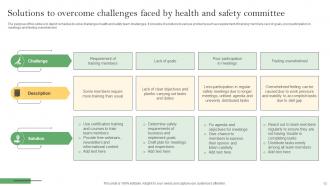
Honestly, getting people to actually care is the hardest part. Half the time they think it's just another pointless meeting. I'd try switching up meeting times and maybe bring in someone who's actually been through a real accident - that usually gets their attention. Also, don't let your recommendations just sit there gathering dust. Leadership has to back you up or nobody takes it seriously. Quick wins help too - fix something small first so people see you're not just talking. Oh, and always assign deadlines with names attached, otherwise nothing happens.
-
My search for complete decks ended with SlideTeam. Such a surplus collection of HD PowerPoints. Moreover, their standard and widescreen formats have helped me in delivering bullseye presentations.
-
SlideTeam’s pool of 2Million+ PPTs has really benefited my team, everyone from the IT department to HR. We are lucky to have crossed ways with them.