


Safety Induction Powerpoint Ppt Template Bundles




Try Before you Buy Download Free Sample Product
 Impress Your
 Audience
 100%
100% Editable
 Save Hours
 of Time


Our Safety Induction Powerpoint Ppt Template Bundles are topically designed to provide an attractive backdrop to any subject. Use them to look like a presentation pro.
People who downloaded this PowerPoint presentation also viewed the following :
Safety Induction Powerpoint Ppt Template Bundles with all 17 slides:
Use our Safety Induction Powerpoint Ppt Template Bundles to effectively help you save your valuable time. They are readymade to fit into any presentation structure.

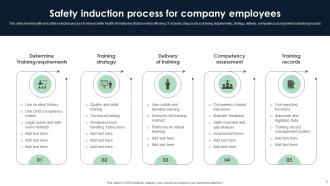
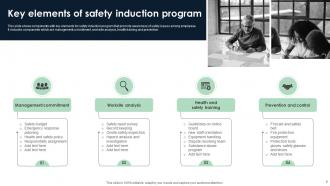

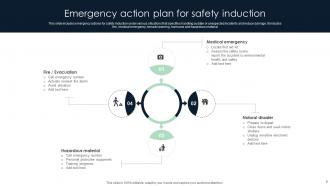
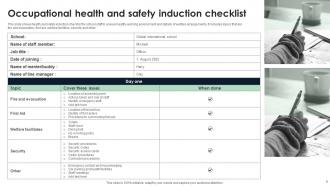







FAQs for Safety Induction Powerpoint
You'll want to hit the basics first - company policies, site hazards, emergency stuff, and what PPE they need. Don't forget incident reporting procedures and their specific safety duties. The legal bits about worker rights are honestly pretty dry but you can't skip them. Way better to do hands-on demos instead of just another death-by-PowerPoint situation. Oh, and pairing new people with a safety buddy for a few weeks actually works really well. Most important thing though? Make it about YOUR actual workplace risks, not some generic template. Interactive beats checking boxes every time.
Honestly, you've got to ditch the one-size-fits-all approach here. Construction safety looks nothing like what you'd do in a hospital or factory floor. Pick your 3-4 biggest risks first, then create actual scenarios around those. Skip the boring generic stuff - use real examples from your own workplace instead. Talk about the PPE your team actually wears, not some theoretical safety vest. Cover the regulations that'll get you in trouble if ignored. I learned this the hard way at my last job. When people see it's relevant to their daily work, they'll actually listen.
Honestly, tech can totally flip those deadly boring safety meetings on their head. VR lets people experience dangerous situations without anyone getting hurt - which is pretty wild when you think about it. Interactive quizzes keep everyone awake, and mobile apps give quick safety reminders right when workers need them. Videos beat static slides every time for showing proper procedures. People actually remember that stuff. Digital platforms help you track who's completing training and spot knowledge gaps too. Don't go crazy though - just swapping to interactive presentations or throwing in some short video clips will make people absorb way more info.
Dude, interactive stuff is a game-changer for training. People actually pay attention when they're clicking things or answering quizzes instead of just staring at slides. You know how your mind wanders during those endless presentation marathons? Same thing happens to everyone. Drag-and-drop exercises, clickable diagrams, even basic knowledge checks between sections - anything beats passive watching. Your trainees will remember way more, and honestly, you'll get better feedback on what they don't understand. I'd say start simple with quick questions throughout. Keeps people awake and you can see where they're getting confused.
Honestly, the biggest pain is you can't tell if people are actually paying attention or just clicking through slides. Technical stuff breaks constantly - someone's always having audio issues or can't get into the platform. Time zones are brutal if you're doing live sessions. What really sucks is losing that hands-on demo piece, especially for safety stuff where you need to see people do it right. People won't ask questions on video calls like they would in person either. I'd break everything into shorter chunks and make them actually do something - like film themselves demonstrating a procedure or take a real assessment. Otherwise you're just hoping they absorbed it.
Most places do it yearly, but honestly it varies a ton depending on what you do. Construction and manufacturing? You're probably looking at every 6 months because, well, those jobs can actually kill you. Office work might be every year or two - though I've seen some companies just forget about it entirely. Your company should have a policy somewhere, so check that first. Also heads up - they'll usually make you redo it if there's new equipment, an accident happens, or regulations change. Don't wait around if your workplace gets new hazards though.
Test their knowledge right after training, then again at 30 days to see what stuck. But honestly? Just watch how they actually act on-site - are they wearing PPE right, reporting sketchy stuff? That tells you way more than any test score. Track your incident rates and near-misses in the weeks after induction too. I'd also do quick surveys asking how confident people feel about procedures. The whole "measure what matters" thing - sounds cheesy but it works. Monthly check-ins will show you pretty fast if something's broken in your program.
Dude, case studies are a total game-changer for safety training. Real incidents hit so much harder than boring rule lists. I've watched people's entire attitude shift when they hear about an actual injury that was totally preventable - suddenly it's not just bureaucratic nonsense anymore. Stories stick in your brain way better than bullet points. Honestly, abstract safety rules just go in one ear and out the other. But tell someone about that guy who didn't wear his harness and fell through a roof? They'll remember that forever. Grab a few cases from your industry and work them into your next session.
Honestly, mix it up with different teaching styles - some people need to see it, others gotta do it hands-on, you know? Translate stuff into whatever languages your team speaks and ditch the corporate jargon (seriously, even English speakers zone out with that nonsense). Break everything down into bite-sized pieces instead of info-dumping. Cultural thing too - some folks won't ask questions in front of everyone, so check in one-on-one. Oh, and pair newbies with your solid workers who can show them the ropes after training. That buddy system thing actually works really well.
Get feedback right after your safety training - like within a day or two while it's still fresh. Anonymous digital surveys are your best bet since people will actually tell you the truth instead of just saying "yeah it was fine." Ask what confused them, what clicked, and if they'd know what to do in a real situation. I still think face-to-face chats work well too. You can tell when someone's lost just by looking at them. Paper surveys work if that's simpler for you. The key thing? Actually change your next session based on what they tell you - otherwise you're just collecting feedback for no reason.
Start with your local WorkSafe rules - that's where the legal requirements live. Most places make employers do safety training before day one, covering stuff like spotting hazards, emergency exits, protective gear basics. Construction's brutal about this compared to other industries. Document who finished what and when, because inspectors love their paperwork trails. Honestly, the regulations can be pretty dry reading, but you gotta know what boxes to tick. Check your state guidelines first, then layer on any industry-specific requirements. Build your induction around those minimums and you should be covered legally.
Don't make safety training an afterthought - build it right into your first week onboarding. Honestly, most places mess this up by dumping everything on day one, which is just brutal for new people. Spread it across 3-5 days instead. Mix in facility tours, emergency drills, and job-specific hazard stuff alongside your regular HR paperwork. Here's the key part: they shouldn't get near any work areas until they've signed off on everything. Oh, and definitely pair them with a safety buddy for their first month - it really helps things stick.
Dude, visuals are a game-changer for safety training. People zone out with boring lectures, but show them a photo of someone wearing their hard hat backwards? That sticks. I'd focus on clear diagrams for procedures and real photos from your actual workplace - not some generic stock image nonsense. Infographics work great too for breaking down complicated protocols. Most folks learn better visually anyway, so you're basically speaking their language. Oh, and make sure the quality's decent - pixelated safety posters just look unprofessional. Build it like a story that walks them through what you expect.
Honestly, most people just zone out during those long induction sessions anyway. What actually works is hitting them with follow-ups - shoot a quick email with the key stuff after a week, then again at 30 days. I'd also throw in little safety reminders during regular team meetings instead of making it this huge one-time thing. Maybe stick some visual cues around the office too. Oh, and definitely set yourself calendar reminders to actually check in with new people about the protocols they supposedly learned. Breaking it up beats cramming everything into one marathon session every time.
Honestly, VR simulations are pretty cool - people get to mess up in dangerous scenarios without actual consequences. Gamification works too, like safety challenges with leaderboards if your team's competitive. Walking tours around your actual workplace hit different though, seeing real equipment up close. Some places do escape rooms where teams solve safety puzzles, which sounds way more fun than sitting through slides. Role-playing emergency responses gets people moving. Oh, and those short video modules work for teams that're always swamped. Really depends on your budget and what your people actually respond to - but anything beats another boring presentation.
-
A beautiful, professional design paired with high-quality images and content that is sure to impress. It is a must-use PPT template in my opinion.
-
SlideTeam is a great place for PPT templates. They have many templates on a single topic. It has made my life a lot easier.