


Industrial Safety Powerpoint Ppt Template Bundles




Try Before you Buy Download Free Sample Product
 Impress Your
 Audience
 100%
100% Editable
 Save Hours
 of Time


Elevate workplace safety with our Industrial Safety PowerPoint presentation. Unveil comprehensive Workplace Safety Solutions, emphasizing the importance of robust safety management systems. Navigate the intricacies of Safety Compliance in Industries, ensuring adherence to regulatory standards and fostering a secure work environment. This presentation guides through Emergency Response Planning, empowering organizations to handle crises effectively. Explore the nuances of Hazard Identification and Control, proactively mitigating risks for the well-being of employees and the longevity of industrial operations. Whether you are a safety professional or part of a safety-conscious team, this PowerPoint equips you with the insights to champion industrial safety, fostering a culture of well-being and compliance.
People who downloaded this PowerPoint presentation also viewed the following :
Industrial Safety Powerpoint Ppt Template Bundles with all 28 slides:
Use our Industrial Safety Powerpoint Ppt Template Bundles to effectively help you save your valuable time. They are readymade to fit into any presentation structure.








FAQs for Industrial Safety Powerpoint
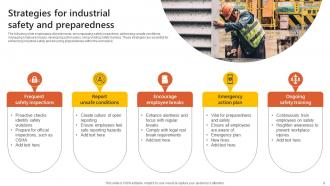
Start with a solid hazard assessment - that's your foundation. Then focus on training everyone properly, not just the bare minimum stuff. Emergency procedures need to be crystal clear. Regular inspections are a must, plus decent PPE and an incident reporting system people will actually want to use. Honestly, the biggest thing is getting management on board visibly. If they're just paying lip service, you're screwed. Don't make it feel like paperwork hell either - safety has to become part of how you do business every day, not some annoying requirement.
Start with a solid risk assessment - walk around and spot the dangerous stuff like machinery, chemicals, slip hazards. Write it all down and rank by how bad/likely each one is. For controls, try eliminating hazards first, then substituting safer options, engineering fixes, admin policies, and PPE last. Your workers are honestly your best resource here - they see the sketchy areas daily that you might miss. Oh, and set up some kind of system where people can report close calls without getting in trouble. Review everything regularly, especially when things change around the workplace.
Training your employees is probably the most important thing you can do tbh. Most accidents happen because people either don't know the right way to do something or they've gotten lazy about safety over time. You've got to teach them proper procedures, how to spot hazards, equipment handling - basically give them what they need to stay safe. Don't just do it once during orientation though. That's where a lot of companies mess up. Set up refresher training every few months so people don't forget and develop bad habits. Trust me, it's way better than dealing with injuries later.
Start with OSHA standards - that's your baseline for US workplace safety. Industry-specific stuff comes next: EPA environmental regs, DOT if you're moving anything around, plus whatever your state requires. OSHA 1910 covers general industry, then you'll need sector-specific standards on top. Honestly the acronym soup gets ridiculous pretty fast. My advice? Get a safety consultant to do a compliance audit first - worth every penny. They'll figure out which regulations actually apply to your setup and help you tackle the critical stuff before you get buried in paperwork.
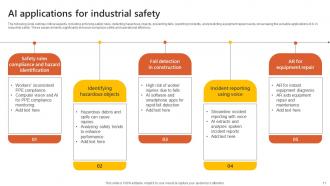
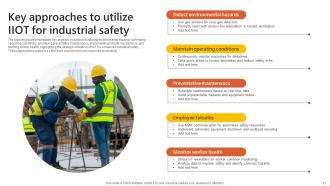
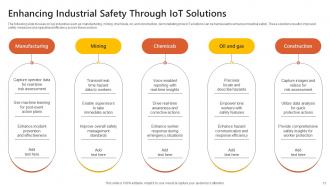
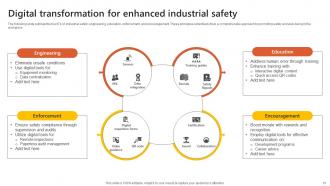
Honestly, there's some pretty solid tech out there that can help with safety stuff. Real-time monitoring and IoT sensors catch things like gas leaks before they become disasters. Wearable devices track worker health and spot environmental dangers too. The AI prediction stuff is actually legit - it flags potential problems before they happen. Mobile apps make reporting incidents way faster. AR helps with training by showing hazards more clearly. Some systems even automatically shut down equipment when conditions get sketchy. Oh, and don't just go for whatever looks coolest - pick what actually matches your specific risks. That's where people usually mess up.
Dude, there's a bunch of stuff to watch out for. Moving machinery like conveyor belts and presses are obvious biggies. Chemical exposure from solvents hits people more than you'd think. Wet floors = instant lawsuit waiting to happen, plus all the usual clutter creating trip hazards. Heavy lifting and repetitive motions will wreck people's backs over time. Electrical stuff is sketchy too - bad wiring, grounding issues, the works. Oh and some factories are just insanely loud, so definitely get hearing protection sorted. Honestly your workers know where the real problems are better than anyone, so actually ask them during safety walks.
So behavioral safety is all about watching what people actually do vs what they should do. You get observers giving feedback in real time and catching unsafe stuff before accidents happen. Way better than just slapping up more safety posters, honestly. The trick is making sure workers can speak up about risky behavior without anyone getting thrown under the bus. Most workplace injuries come down to human error anyway - that's just reality. These programs usually drop accident rates by like 30-60%. I'd start small, train some observers and focus on your riskiest tasks first.
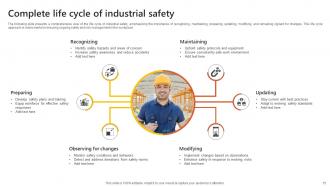
Look, I get that filling out incident reports feels like busy work, but hear me out - it actually matters. Even tiny stuff helps your safety team spot patterns they'd miss otherwise. Think about it: one person slips on a wet floor, whatever. But ten people? Now there's clearly a drainage problem or something. Honestly, I've seen workplaces where people got lazy about reporting minor incidents, then boom - someone gets seriously injured from the exact same hazard. Don't be that guy. Report everything, even if it seems dumb at the time.
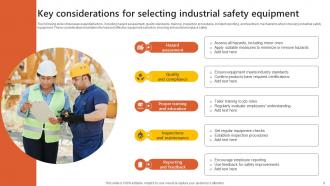
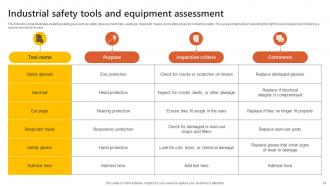
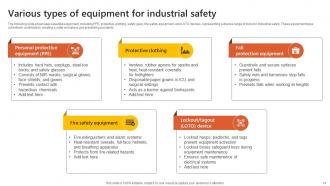
Three things you gotta nail down: training, enforcement, and keeping stuff maintained. Get your people actual hands-on practice - none of that death-by-PowerPoint stuff. They need to physically put on harnesses, adjust respirators, the whole deal. Check everything before each shift and toss anything that's beat up. Here's the thing though - if you see someone screwing around with their gear, call it out right then. Don't let it slide or you'll regret it later. Honestly, the real trick is getting people to actually give a damn about wearing it. Keep spare equipment where they can grab it easily and do refresher sessions every so often.
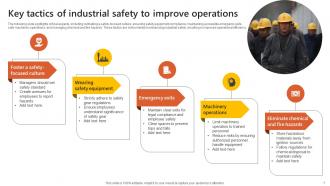
Honestly, leadership has to actually walk the walk first - no more of those cringy motivational posters everywhere. Get managers doing safety walks and genuinely listening when people speak up. The key thing is psychological safety so workers can report near-misses without getting in trouble. I've seen too many places accidentally reward speed over safety, which is backwards. Celebrate the wins publicly when teams do things right. But here's what really matters - give people enough time and resources to actually work safely. You can't rush safety and expect good results.
Honestly, just make a basic checklist first - covers all your safety stuff, equipment, procedures. Get people from different departments involved too since they actually know where problems hide. I always take photos and notes of everything, even the small stuff that seems dumb at the time. Don't wait for disasters to do these audits regularly. Follow up on fixes within 30 days and track if they're actually getting done. Oh, and create some simple scoring system so you can see if you're getting better over time or just spinning your wheels.
Dude, you really can't mess around with maintenance schedules - people get hurt when equipment fails. I've watched "small" problems turn into total disasters that were totally preventable. Skip a few checks and you're rolling the dice with your crew's safety. Regular upkeep spots wear patterns and loose parts before they become actual hazards. Well-maintained gear also behaves more predictably, so you won't get those surprise breakdowns that put everyone at risk. Oh, and definitely audit what you've got now - bet you'll find some overdue stuff that needs attention.
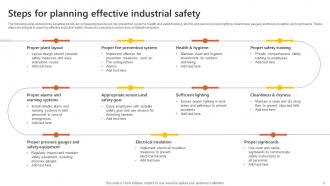
Look, you've got four main things to tackle here. First, map out emergency plans for whatever could actually happen at your place - fire, medical stuff, whatever. Then drill people regularly because trust me, they'll forget everything if you don't. Third, keep all your safety gear maintained and clearly marked - exits, alarms, first aid kits, the works. Oh, and definitely assign someone to be in charge when things hit the fan. Communication chains are huge too. Honestly, half the chaos in emergencies comes from nobody knowing who's supposed to do what.
So basically, good ergonomics stops your body from falling apart over time. Seriously, I've watched too many coworkers wreck their backs or get carpal tunnel because nobody thought about how they'd actually do their job every single day. You want to set up workstations right and use proper tools before problems start. Don't wait until someone's already hurting - that's backwards. Awkward positions and repetitive motions are what kill people. Getting ergonomic assessments done early saves so much trouble later. Trust me on this one.
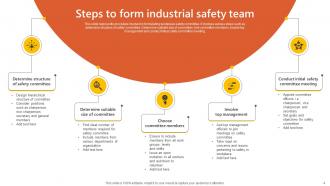
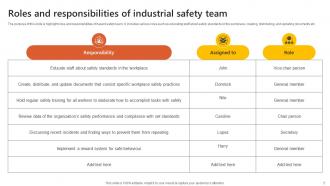
So these committees are basically your workplace watchdogs - they spot problems before someone gets hurt. Management and workers team up, which is huge because employees actually speak up about real issues instead of staying quiet. People follow safety rules way better when they helped make them, honestly. They also dig into accidents and suggest training programs. Oh, and make sure your committee can actually DO something about problems - not just endless talking. My old job had one that was useless because they couldn't change anything. Total waste of time.
-
Eye-catching PPT designs, outstanding team, and best customer service. I’m a super satisfied customer here!
-
SlideTeam is the best in the business. Their templates are engaging and customizable. You can rely on them.