


Construction Safety Powerpoint Ppt Template Bundles




Try Before you Buy Download Free Sample Product
 Impress Your
 Audience
 100%
100% Editable
 Save Hours
 of Time


Our Construction Safety Powerpoint Ppt Template Bundles are topically designed to provide an attractive backdrop to any subject. Use them to look like a presentation pro.
People who downloaded this PowerPoint presentation also viewed the following :
Construction Safety Powerpoint Ppt Template Bundles with all 25 slides:
Use our Construction Safety Powerpoint Ppt Template Bundles to effectively help you save your valuable time. They are readymade to fit into any presentation structure.





FAQs for Construction Safety Powerpoint
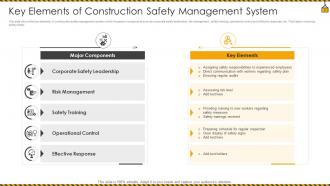
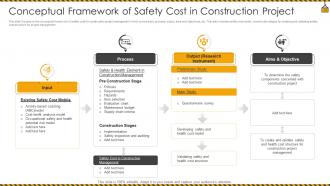
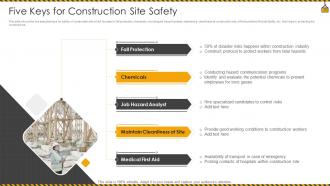
Yeah, the "fatal four" are falls, getting hit by stuff, electrocution, and caught-in/between accidents. Falls are the worst one honestly - proper scaffolding and harnesses save lives. Hard hats are obvious for struck-by incidents, plus keep people away from cranes and heavy equipment. Electrical stuff needs lockout procedures, and don't let anything get near power lines. The caught-in/between accidents usually happen in trenches or around machinery. Machine guards help a ton. Oh, and do daily safety walks around your site - I know it sounds basic but you'll catch most problems before someone gets hurt.
Dude, PPE is literally what keeps you from getting messed up on site. Your hard hat stops stuff from cracking your skull open, safety glasses keep debris out of your eyes. Steel-toed boots are a lifesaver around heavy materials - trust me on that one. Don't forget gloves for cuts and chemical nasty stuff. High-vis vests are huge because operators can't see you otherwise, especially the new guys who aren't paying attention. Respirators matter way more than people think when you're around dust or fumes that'll wreck your lungs down the road. Just make sure everything fits right for whatever you're doing.
Look, training really is everything when it comes to safety culture. You can't just tell people the rules once and expect them to care. Regular training shows your team you actually give a damn about keeping them safe. Workers who know their stuff are way more likely to speak up about sketchy situations too. Those boring annual sessions? Forget them. Do quick 10-minute safety chats during morning meetings instead - honestly makes a huge difference. It's about creating real conversations, not just checking boxes. When people feel confident about safety, they'll actually watch out for each other.
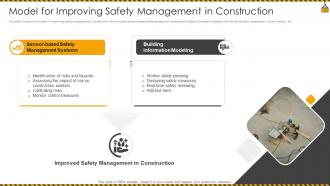
Drones are a game changer for site safety - you can check sketchy areas like high scaffolding without risking anyone's neck. They'll spot hazards from above that you'd totally miss walking around. Smart helmets and vests are getting really good too, tracking vitals and detecting falls. I know a guy whose vest literally saved his life when he collapsed from heat stroke. The sensors that alert when someone wanders into restricted zones? Those work great. Honestly I'd start with basic wearables since they're way cheaper now and preventing just one serious injury pays for itself.
Start with OSHA - that's your foundation for everything from fall protection to hazard communication. Workers comp insurance is non-negotiable everywhere (seriously, don't even think about skipping it). Your state probably has extra rules beyond federal ones. Some cities pile on their own requirements too, which is honestly kind of annoying but whatever. Regular safety inspections are mandatory, plus you need documented training records for everyone. Permits vary by job type. Set up alerts from OSHA and your state labor department since this stuff changes constantly and you don't want to get blindsided.
Honestly, monthly safety audits totally change the game. You'll catch problems before anyone gets hurt, which is obviously huge. But what really surprised me was how much better morale got - like, people actually felt like we cared about them instead of just checking boxes. Getting your crew involved in the process makes a massive difference too. They start pointing out stuff you'd miss and feel like they have a say. I know it sounds like extra work, but the trust it builds is worth it. Start with basic monthly walkthroughs and you'll see what I mean.
Alright, so you'll want a solid fall protection setup with three layers: prevention, restraint, and arrest systems. Guardrails and safety nets should be your go-to whenever possible. For personal gear, get everyone proper harnesses and lanyards - seriously, don't cheap out on this stuff because people's lives depend on it. Your crew needs training on picking good anchor points and checking equipment regularly. Oh, and speaking of checks, inspect everything frequently and toss anything that looks sketchy. Multiple protection layers beat putting all your eggs in one basket.
Alright, so you'll want to map out emergency plans for each site - fires, medical stuff, weather disasters, building collapses, the usual suspects. Make sure everyone knows where to evacuate and meet up afterwards. Pick some people for first aid training too. The paperwork's a pain in the ass but trust me, it pays off when shit hits the fan. Include all your emergency contacts and where equipment's stored. Communication protocols are huge - chaos happens fast without them. Run drills regularly so it becomes second nature. Oh, and keep your emergency supplies stocked and somewhere people can actually find them when they're panicking.
Dude, safety violations absolutely wreck people mentally. Workers get super anxious and stop trusting management - like, who wouldn't? When they see shortcuts being taken, everyone starts questioning if the company actually cares about their wellbeing. Stressed employees make more mistakes too, which just creates this awful cycle. Some people become paranoid about everything, others just mentally check out completely. My old supervisor used to say the worst part was watching good workers lose faith in the job. Bottom line: violations need to get addressed fast and openly, or the psychological damage just keeps spreading.
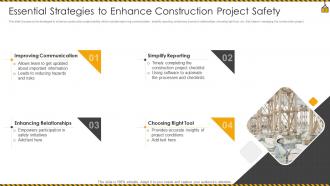
Dude, communication literally prevents most accidents before they even happen. Poor handoffs between shifts? That's where I've seen the worst close calls. Daily briefings and clear signage help everyone know what's going on and where the dangers are. Two-way radios, standardized hand signals, regular safety meetings - all that stuff keeps crews coordinated. Workers also need to feel safe reporting sketchy conditions without getting in trouble. Honestly, just start with a simple daily huddle where your team can flag risks and coordinate work. It'll make a massive difference right away.
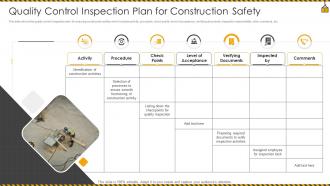
Track your incident rates and near-misses monthly - that's the real stuff that matters. Do quick knowledge checks and watch if people actually use what they learned on-site. PPE compliance is usually pretty telling. Your crew leads will give you the best intel on what's actually happening day-to-day, so ask them regularly. Honestly, if workers say they "feel safer" but your OSHA numbers don't budge, the training probably isn't sticking. Set up quarterly reviews to compare everything and tweak your approach. Numbers don't lie.
Dude, safety violations will absolutely wreck your timeline and budget. OSHA fines can hit six figures easily, plus work stops immediately when they show up. Your insurance rates go through the roof for years after - it's insane how that haunts you. The worst part? Delays trigger penalty clauses while your crew just sits there getting paid to wait around. Clients start panicking and losing trust too. I've seen projects tank from this stuff. Honestly, just spend the money on proper training upfront. Way cheaper than dealing with lawsuits and all that nightmare later.
Dude, it basically puts everything in one spot so you're not dealing with a bunch of scattered processes. No more paper forms or crazy spreadsheets everywhere. You get automated incident reports, real-time inspections, digital compliance tracking - all centralized. The dashboards actually work well (shocking, I know). Your crew can file safety reports right from their phones, managers get instant hazard alerts. It tracks patterns across projects without you doing anything. Best part? Nothing gets missed anymore and you'll spend way less time on paperwork. I'd start with whatever safety forms you use most.
Dude, urban sites are a total nightmare compared to rural ones. You're crammed into tiny spaces with people walking everywhere, plus utilities are buried all over the place - accidentally hit a gas line and you're screwed. The noise restrictions alone will drive you crazy, and there's basically nowhere to stage your equipment. Rural jobs give you room to breathe, but in the city everyone's watching and judging every little thing you do. Oh and the pedestrian protection requirements are insane now. Just make sure you map out all the underground stuff first - learned that the hard way on my last downtown project.
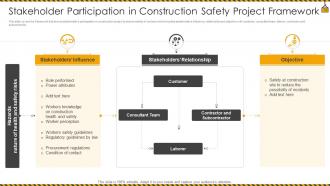
Look, when your subs actually care about safety instead of just rushing through jobs, you get way fewer accidents. They start catching problems before they blow up into real issues. Nobody wants to be the team that shuts down the whole project with a preventable incident - that's just embarrassing. Include safety scores in how you evaluate contractors. Give them proper training and actually listen when they flag something sketchy. Short version: make it obvious that doing things safely IS doing them right. Once that clicks, everyone starts watching each other's backs naturally.
-
I am a big fan of their newsletters because that is how I found my perfect requirement at the time of urgency. Thank God, I kept opening those.
-
Placing an order on SlideTeam is very simple and convenient, saves you a lot of your time.